

Industry
Energy Efficiency Inspections
Challenge
High-cost technician dispatches and long wait times for no-heat calls during freezing Canadian winters.
Results
~6,000 dispatches avoided · 60% first-call resolution · 9.6/10 CSAT · 85 NPS
Key Product
Blitzz Concierge (Visual Remote Assistance)
The visual support and live diagnostics from Blitzz have changed how we handle no-heat calls. By giving our customers visual guidance for troubleshooting and self-guided checks, we're not just speeding up the process — we're significantly improving their experience during critical service interruptions.

Meet ATCO Gas
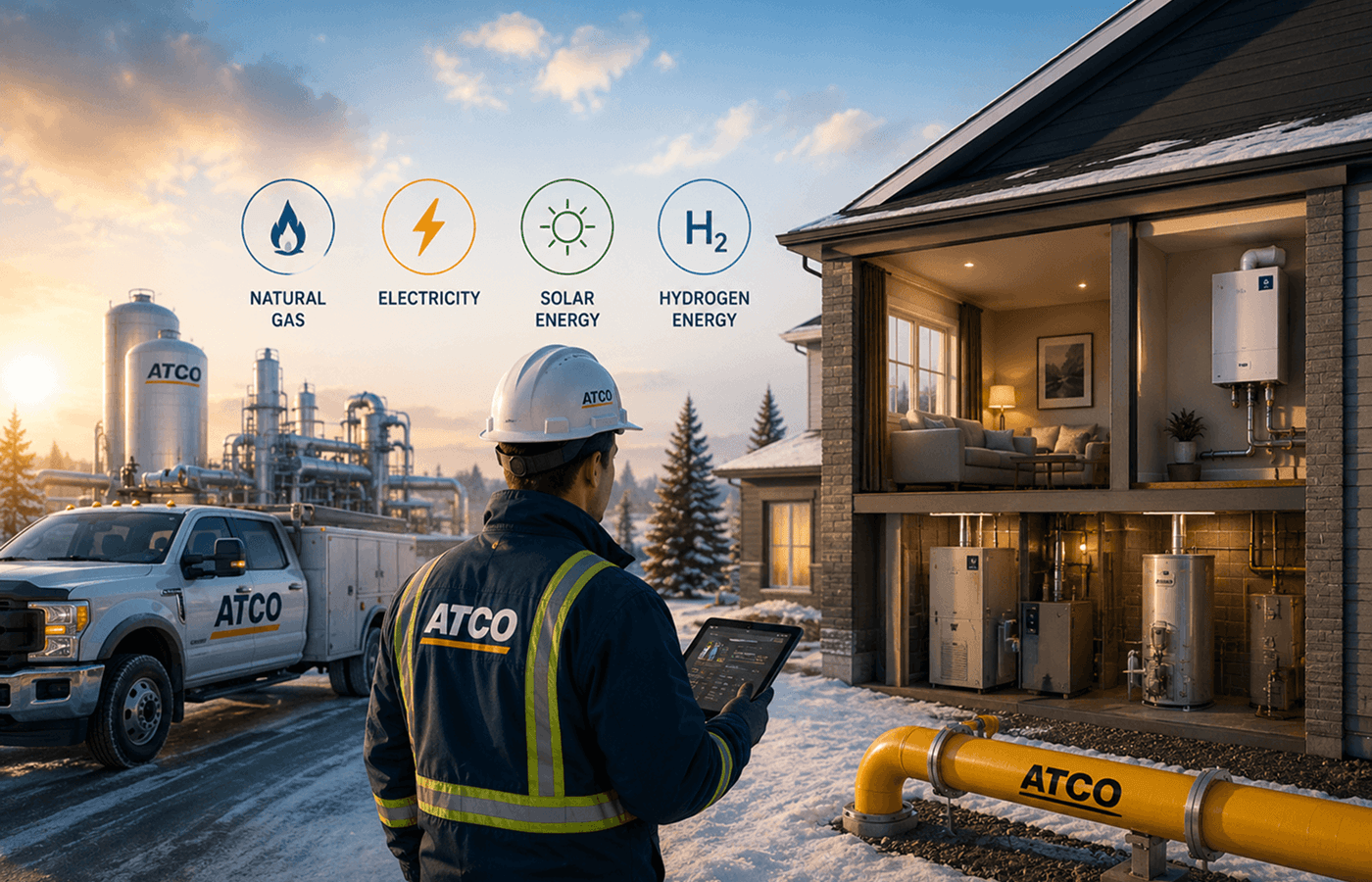
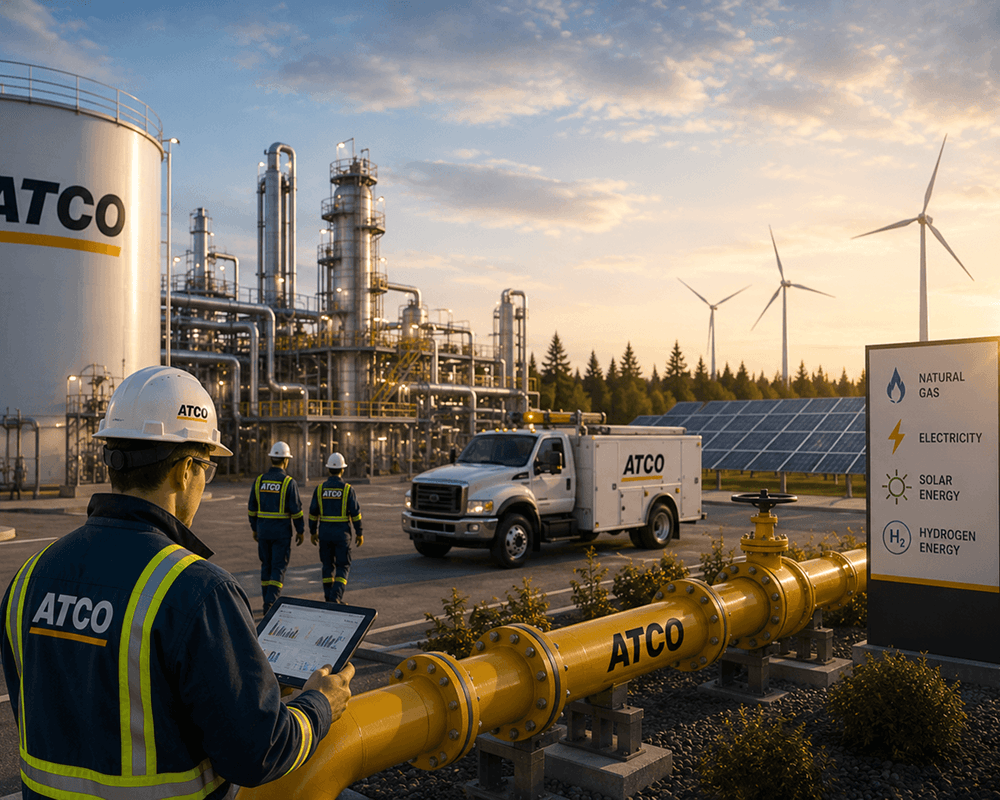
ATCO Gas is one of Canada's largest energy providers, delivering natural gas, hydrogen, electricity, and solar energy to nearly 700,000 customers across the country. The company operates in some of the coldest climates in North America, which makes its Operational Support Services team a true frontline — responsible for keeping homes safe and warm when temperatures plunge.
For ATCO, the busiest and most critical service moments come in the depths of winter. When the heat goes out in a customer's home, every minute matters. The team's job is to restore comfort quickly, safely, and at a sustainable cost — across a service area that spans tens of thousands of square kilometres.
Their expertise was never in doubt. The challenge was operational — could they keep up with the seasonal surge in calls without sending a truck for every issue?
The Challenge: Cold Winters, Costly Truck Rolls, Anxious Customers
Each Canadian winter brought a sharp spike in "no-heat" calls. Resolving them quickly was difficult because the support team had to make a tough call over the phone — based on what a worried customer could describe in words — about whether a technician was needed.
- Every dispatch was expensive.
Sending a technician to a home cost up to $300 per visit. With thousands of seasonal calls, those costs added up quickly. - Phone-only triage was a blunt tool.
Agents couldn't see the equipment, the error codes, or the surrounding setup. A simple thermostat misconfiguration looked the same on a phone call as a serious furnace failure — so the safe choice was usually to send a truck. - Wait times grew during cold snaps.
The exact moments when customers most needed quick service were also the moments when the dispatch queue was longest. Some customers waited hours in a cold home for a technician to arrive. - Many issues didn't actually need a visit.
A surprising number of no-heat calls turned out to be simple fixes — a tripped switch, a closed valve, a reset that the customer could do themselves with a little guidance. But there was no way to confirm that without eyes on the equipment. - Customer anxiety was high.
Winter heating outages aren't just an inconvenience — they're a safety concern. Long wait times left customers stressed and uncertain, which made every call harder to handle for the support team. - The environmental cost added up too.
Every avoidable truck roll meant extra mileage, fuel use, and emissions — a footprint ATCO wanted to reduce.
The Solution: Live Visual Support and Self-Guided Inspections with Blitzz
ATCO Gas adopted Blitzz to bring live video into its customer support workflow. The goal was simple — give agents the ability to actually see what the customer was seeing, so they could make faster, more confident decisions and resolve issues without sending a truck whenever possible.
- A no-download video link starts the session in seconds.
When a customer calls in with a no-heat issue, the ATCO agent sends a Blitzz link by text message. The customer taps it and a live video session opens on their smartphone — no app to install, no account to create. - The agent sees the heating system in real time.
The customer points their phone at the thermostat, the furnace, the gas valve, or the breaker panel. The agent guides them step by step, watching live, and quickly identifies whether the issue is something the customer can fix themselves or something that needs a technician. - On-screen visual guidance simplifies the conversation.
Instead of trying to describe parts and buttons over the phone, the agent can point, circle, and annotate directly on the customer's video feed. Even non-technical customers can follow along easily, which turns confusing troubleshooting into a clear, step-by-step process. - Self-guided inspections handle routine checks.
For straightforward situations, customers can run through a guided inspection on their own — Blitzz walks them through what to look at, what to capture, and what to confirm. The information is collected and packaged for the support team automatically, cutting wait times and freeing agents for harder calls. - Captured video and notes feed analytics and reporting.
Every session is documented and fed into Blitzz's reporting dashboard. ATCO uses that data to track call patterns, identify the most common issues, and continuously refine how the team responds — especially heading into peak winter months. - Technicians are dispatched only when they're truly needed.
Blitzz didn't replace technicians — it made their work count more. When a truck does go out, it's because the issue genuinely requires a hands-on visit, and the technician arrives already briefed on what they'll find.
The Results: Faster Heat Restoration, Lower Costs, and Happier Customers
The impact showed up across cost, speed, customer experience, and environmental footprint — all in ATCO's most critical season.
- ~6,000 technician dispatches prevented.
Issues that used to require a truck are now resolved live over video. The savings add up to significant operational cost reductions and a smaller carbon footprint. - Average call handle time dropped to under 15 minutes.
Visual context lets agents diagnose and resolve issues far faster than phone-only support ever could. - 60% of calls resolved on first contact.
More than half of no-heat issues are now solved during the very first interaction — no follow-up calls, no second visits, no scheduling delays. - Customer Satisfaction Score of 9.6 out of 10.
Even during stressful winter outages, customers consistently rate their experience as excellent — because they get help quickly and feel guided rather than abandoned. - Net Promoter Score of 85 out of 100.
A score this high is rare in any industry, especially in utilities where calls are usually triggered by a problem. - A more resilient winter operation.
With fewer trucks tied up on simple calls, ATCO's technician network has more capacity for the issues that truly need a hands-on visit — especially during cold-snap surges.
Key Success Metrics
| Metric | Before Blitzz | After Blitzz (Impact) |
Value Proposition |
| Technician Dispatches | Truck rolled for almost every no-heat call | ~6,000 dispatches avoided | Major cost savings and lower emissions |
| Cost per Visit | Up to $300 per dispatch | Many calls resolved with zero dispatch cost | Dramatic reduction in operational spend |
| Call Handle Time | Long, multi-step phone troubleshooting | Under 15 minutes on average | Faster resolutions, shorter customer waits |
| First-Contact Resolution | Limited — most calls required follow-up | 60% solved during the first interaction | Fewer repeat calls and second visits |
| Customer Satisfaction | Strained by long winter wait times | 9.6 / 10 average CSAT score | Happier customers in their most stressful moments |
| Net Promoter Score | Typical utility range | 85 / 100 | Exceptional customer advocacy |
| Environmental Impact | High mileage and emissions from truck rolls | Thousands of avoided trips per year | Measurable progress on sustainability goals |
Conclusion
From Truck-Heavy Response to Smart, Visual-First Service
For ATCO Gas, winter has always been the test. When temperatures drop, the support team becomes a lifeline — and the difference between a great customer experience and a stressful one is measured in minutes, not hours.
By bringing Blitzz into its support workflow, ATCO replaced phone-only triage with live visual diagnostics and self-guided checks. The biggest constraint on the team — having to send a technician just to figure out what was wrong — is gone. Issues that used to take a truck roll and half a day now get resolved on a video call in under fifteen minutes.
For customers, the change is felt the moment their heat goes out. Help arrives instantly, on the phone in their hand, with a guide who can actually see what they're seeing. For ATCO, the same change translates into thousands of avoided dispatches, lower emissions, and a support team that can handle a busy winter season with confidence.

Ready to See Blitzz in Action?

.jpg?width=1280&height=1280&name=DNV%20-%201%20(1).jpg)