

.png?width=120&height=55&name=Blitzz-Logo-right%20white%20eyes%20-%20not%20transparent%20(3).png)
The construction industry is under more pressure than ever to deliver projects faster, operate more efficiently, and maintain strict compliance — all while juggling labour shortages and rising costs. That’s why remote video inspections have become one of the most transformative tools available to builders, contractors, and city agencies in 2026.
Instead of waiting hours (or sometimes days) for an inspector to visit a job site, teams can now complete many inspections through a simple video session. It’s faster, safer, and dramatically more efficient — and it’s quickly becoming the new standard across construction and building departments.
What Is Remote Video Inspection?
Remote video inspection is a modern inspection method where an inspector evaluates a site, asset, or issue through a live video call instead of visiting the location in person. Using a smartphone, tablet, or connected device, the person on-site streams real-time video to the inspector, who can zoom in, take photos, record footage, guide the user, and verify compliance without physically traveling.
In other words, it’s a fast, convenient, and accurate way to complete inspections, audits, assessments, and troubleshooting — all done remotely. This approach helps organisations save time, reduce costs, eliminate travel, and deliver faster service without compromising inspection quality or safety.
Below are the biggest benefits remote video inspections bring to the industry today.
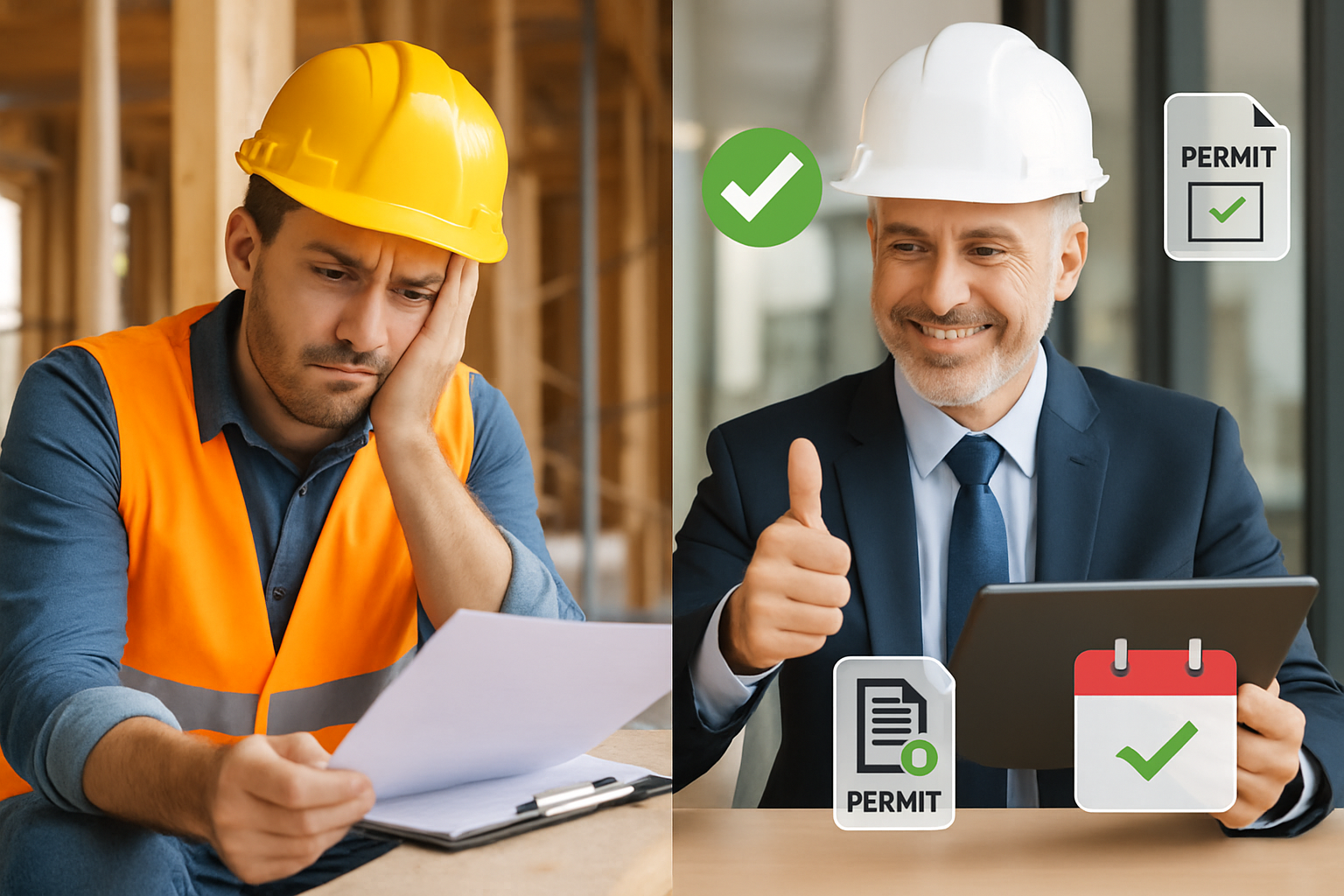
1. Faster Permit Approvals and Inspection Turnarounds
One of the biggest frustrations in construction is waiting for site inspections to be completed. Delays often stall entire projects, throw schedules off, and create unnecessary downtime.
Remote video inspections eliminate these bottlenecks by allowing inspectors to join a video call at the exact scheduled time. No travel, no traffic, no rescheduling because of logistics. Just real-time review and quick approvals.
This leads to:
-
Faster permit releases
-
Shorter project timelines
-
Fewer unexpected delays
-
Greater project momentum
In an industry where every hour counts, this speed is a game-changer.
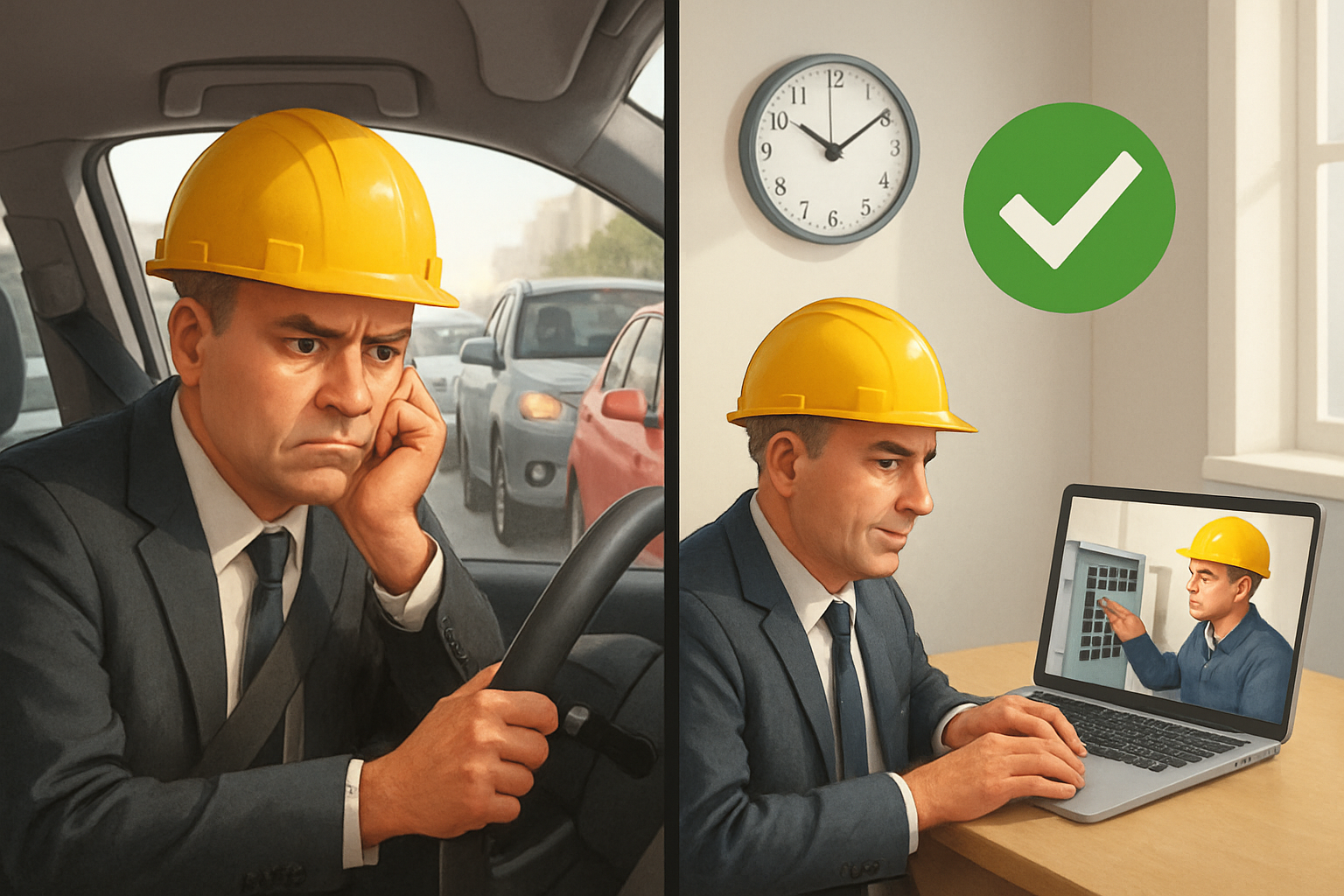
2. Reduced Travel Time for Inspectors
Inspectors typically spend a significant portion of their day driving from site to site — time that adds no real value to an inspection itself. Remote inspections allow them to complete multiple reviews from their desk, dramatically reducing the need for travel.
For building departments, this means:
-
More inspections completed per day
-
A more balanced workload
-
Less reliance on limited staff
-
Lower risk of travel-related incidents
It’s a smarter use of time, and it increases capacity without hiring more inspectors.

3. Lower Operational Costs for Cities and Contractors
Every kilometre driven adds up — fuel, vehicle wear, maintenance, and travel allowances. Construction teams and municipalities spend thousands annually just getting inspectors from point A to point B.
Remote video inspections remove most of these costs.
By conducting inspections via video, teams save on:
-
Fuel and vehicle expenses
-
Paid travel time
-
Operational overhead
-
Repeated site visits due to scheduling conflicts
For cities, this frees up budget. For contractors, it protects margins and improves profitability.
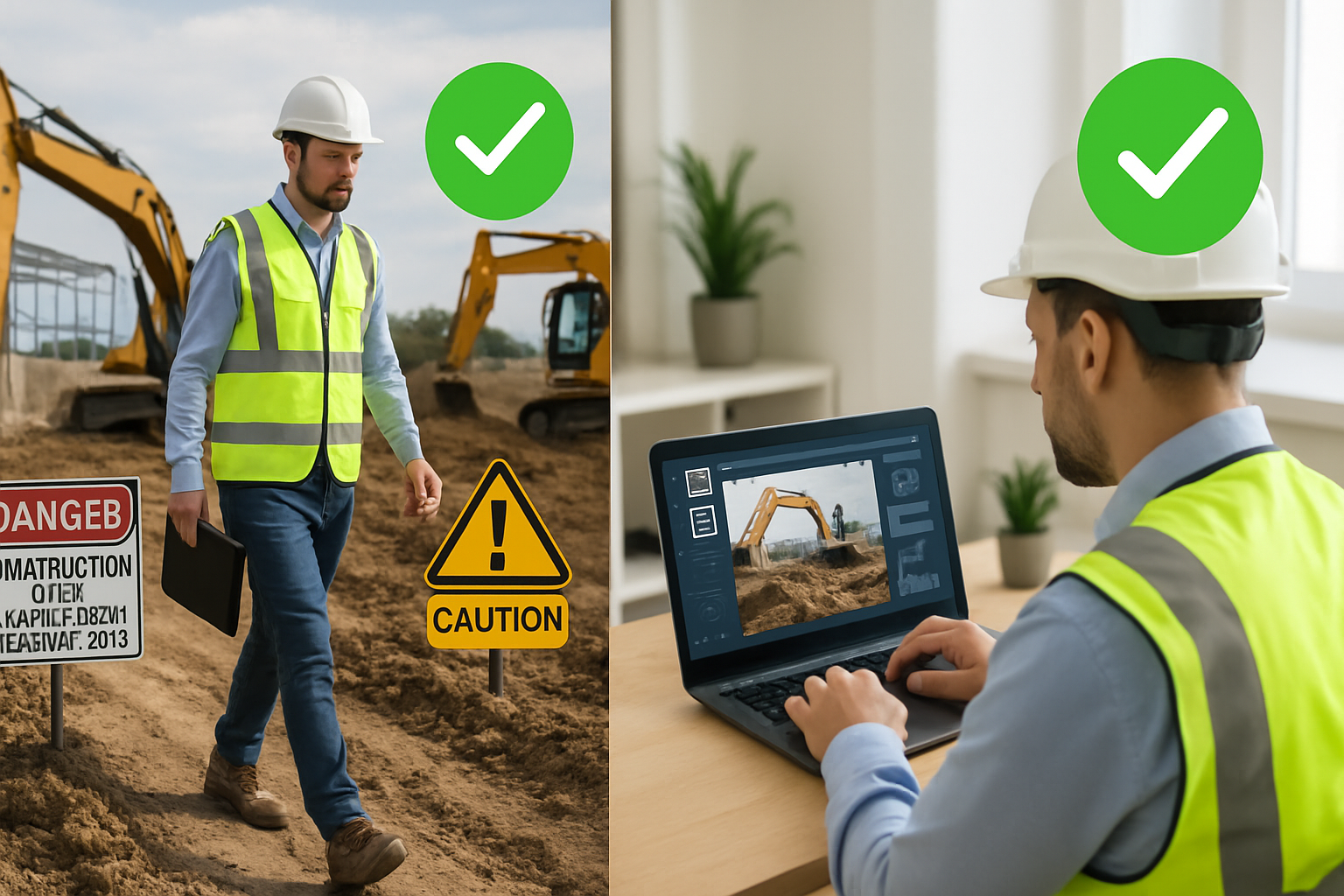
4. Increased Safety for Both Inspectors and Workers
Construction sites can be unpredictable — heavy machinery, uneven terrain, weather, traffic hazards, and more. Inspectors who don’t need to physically enter the site face fewer safety risks.
Remote video inspections:
-
Reduce exposure to hazardous environments
-
Keep inspectors safe during extreme weather
-
Prevent on-road risks such as accidents
-
Allow inspections even during site limitations or restricted access
The result? A safer workday for everyone involved.
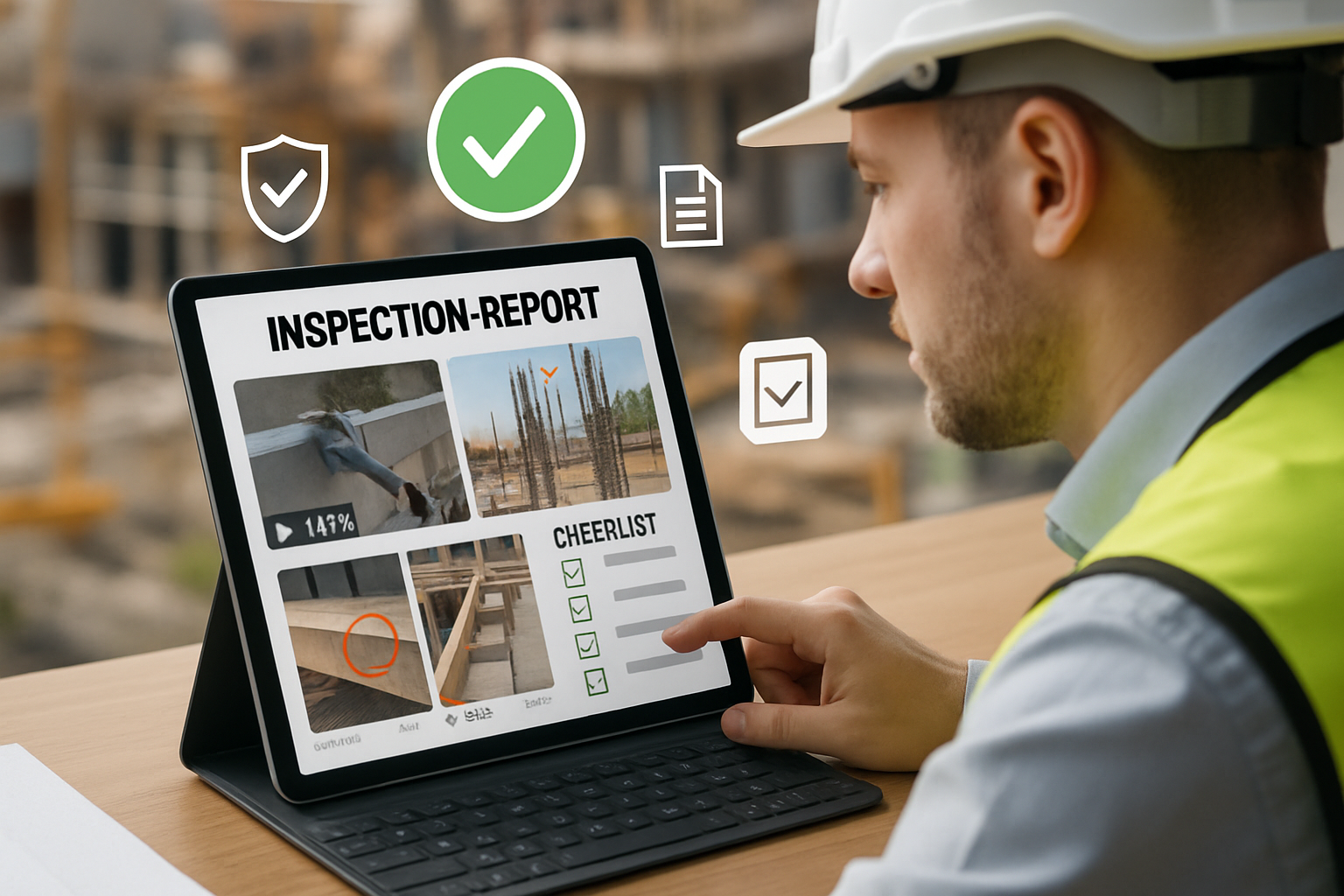
5. Better Documentation and Compliance Accuracy
Remote inspection platforms let inspectors capture photos, record videos, annotate details, and timestamp every step of the process. This creates clean, digital records that can be referenced at any time.
For construction and building teams, this leads to:
-
Clearer compliance tracking
-
Fewer documentation errors
-
Easier audit preparation
-
Better visibility across all project stages
Digital records also reduce the chances of miscommunication or disputes, since everything is captured in real time.
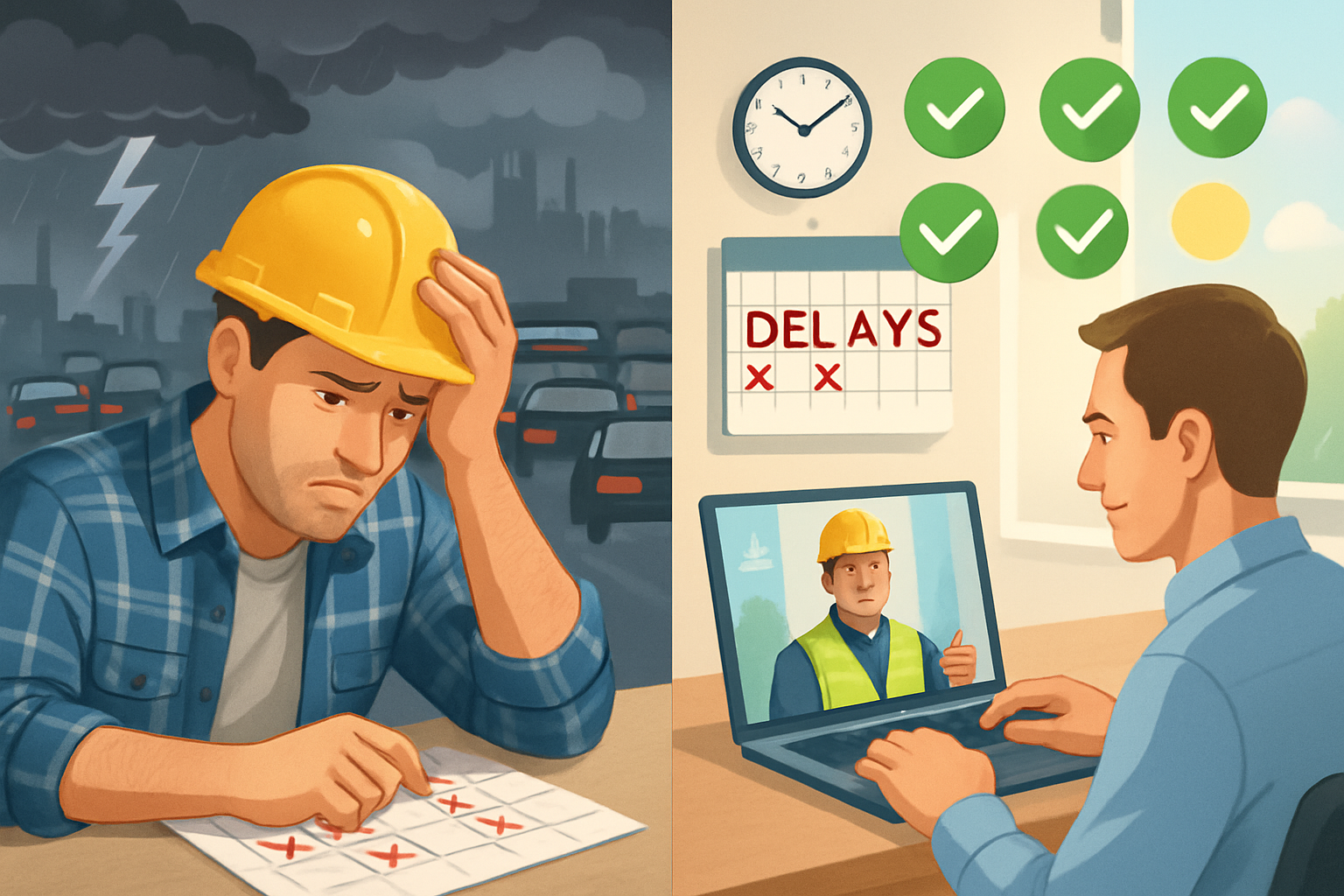
6. Fewer Delays Due to Scheduling Conflicts
On-site inspections often face issues like:
-
Inspector availability
-
Traffic delays
-
Site access problems
-
Weather disruptions
Remote inspections virtually eliminate these obstacles, making it easier to keep projects moving forward without waiting for the next available slot. Builders no longer lose days because an inspector couldn’t make it to the site.
7. Empowerment for Smaller Construction Teams
Not every contractor has a large crew or full-time compliance staff. Remote inspections level the playing field by giving smaller teams quicker access to inspectors, clearer guidance, and faster approvals — without the wait or overhead.
This helps small and mid-sized builders:
-
Stay competitive
-
Meet deadlines more reliably
-
Reduce fines or rework
-
Improve customer satisfaction
Remote video inspections create a more efficient workflow no matter the size of the team.
8. Environmentally Friendly Construction Operations
With growing pressure to meet sustainability goals, remote inspections offer an easy win: fewer kilometres driven means fewer emissions. For modern building firms — especially those working on green or LEED-certified projects — this is an important and measurable advantage.
Remote inspections:
-
Reduce carbon footprint
-
Support ESG and sustainability commitments
-
Contribute to cleaner, more efficient urban operations
It’s a simple change with a meaningful environmental impact.

9. Real-Time Collaboration Between Inspectors and Contractors
Instead of waiting for feedback after an onsite visit, contractors get immediate guidance during a remote session. They can walk the inspector through the site, zoom in on specific details, show corrections instantly, and clarify questions on the spot.
This helps:
-
Avoid misunderstandings
-
Reduce rework
-
Ensure corrections are accurate the first time
-
Keep communication transparent and efficient
Better collaboration leads to better builds.
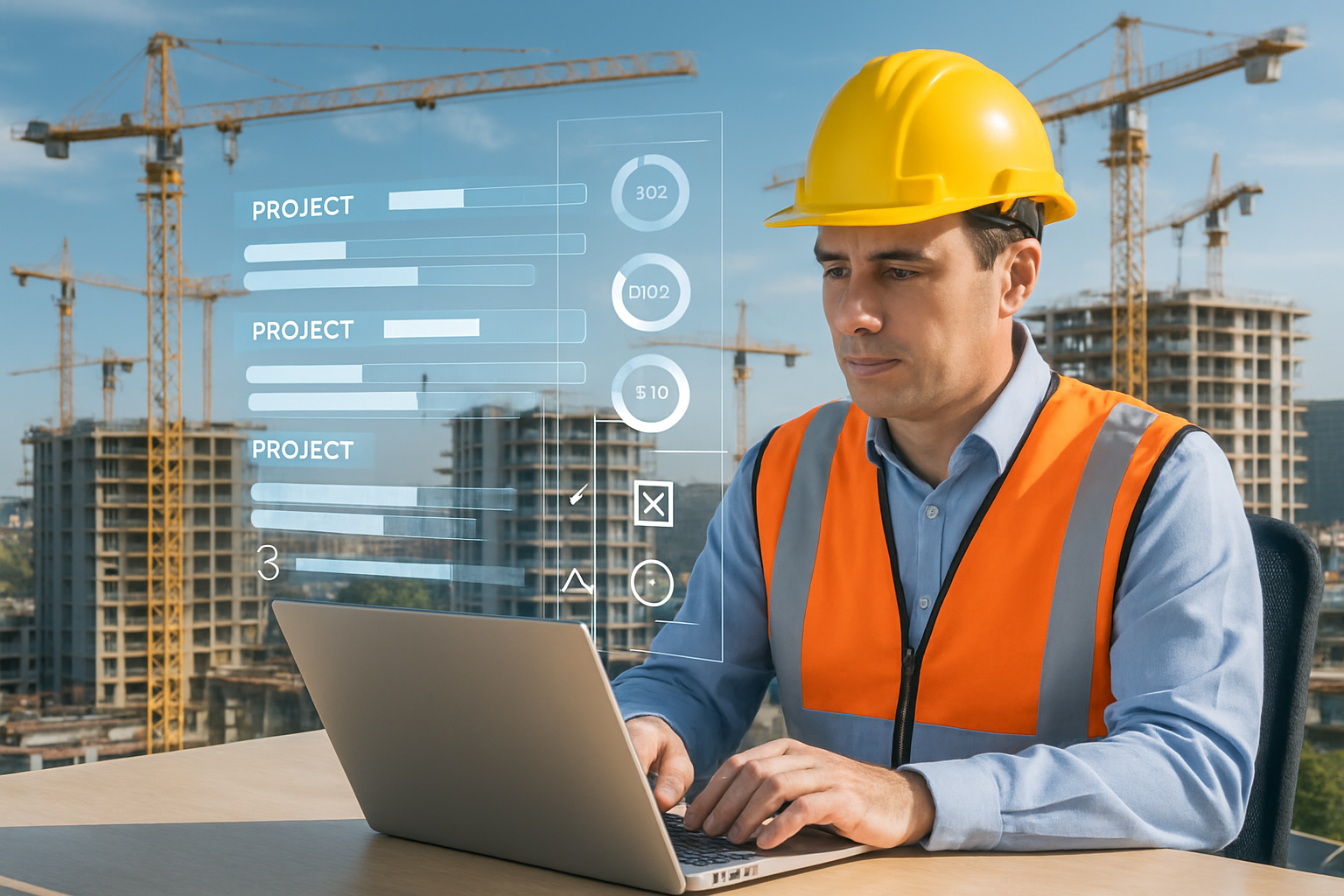
10. A Future-Proof Approach to Building Oversight
The construction industry is moving toward smarter, more digital workflows. Remote video inspections align perfectly with this evolution, giving building departments and contractors a scalable, modern inspection model.
Whether you're expanding operations, handling multiple projects across different locations, or dealing with fluctuating workloads, remote inspections allow your team to stay efficient without increasing complexity.
How Can You Use Blitzz for Remote Video Inspections?
Blitzz makes remote video inspections incredibly easy by giving inspectors, contractors, and customers a seamless way to connect through live video — no downloads, no complicated setup, and no delays. With just a simple link, you can launch a secure inspection session and guide anyone through the process in real time.
During the video call, the person on-site uses their smartphone to show you exactly what needs to be inspected. You can zoom in, capture photos, record short clips, and take notes without needing any extra tools. If you need to point out a specific issue or direct them to a particular area, Blitzz’s on-screen annotation tools let you highlight details right on their screen.
Every session is automatically documented, giving you a complete record of images, timestamps, and notes — perfect for compliance, reporting, or internal tracking. And because inspections can be done from anywhere, you dramatically reduce travel time, eliminate scheduling backlogs, and keep projects moving without unnecessary delays.
Blitzz essentially gives you the power of an on-site inspection, but with the speed, convenience, and efficiency of modern remote technology. Book a demo to see it in action.
Final Thoughts
Remote video inspections are no longer a temporary workaround — they’ve become a vital tool for modern construction and building operations. They help teams save time, reduce costs, improve safety, accelerate project timelines, and deliver better service to homeowners, builders, and the public.
In 2026 and beyond, the organisations that embrace remote inspection workflows will complete more projects, increase client satisfaction, and stay ahead of the industry curve.

.jpg)