
.png?width=120&height=55&name=Blitzz-Logo-right%20white%20eyes%20-%20not%20transparent%20(3).png)
If there’s one thing 2026 is making crystal clear, it’s this: organizations can’t afford slow, manual, travel-heavy inspection processes anymore. Customers expect faster responses. Cities and counties are under pressure to deliver services with fewer resources. And businesses across construction, utilities, insurance, and field service are being pushed to operate cleaner, leaner, and smarter.
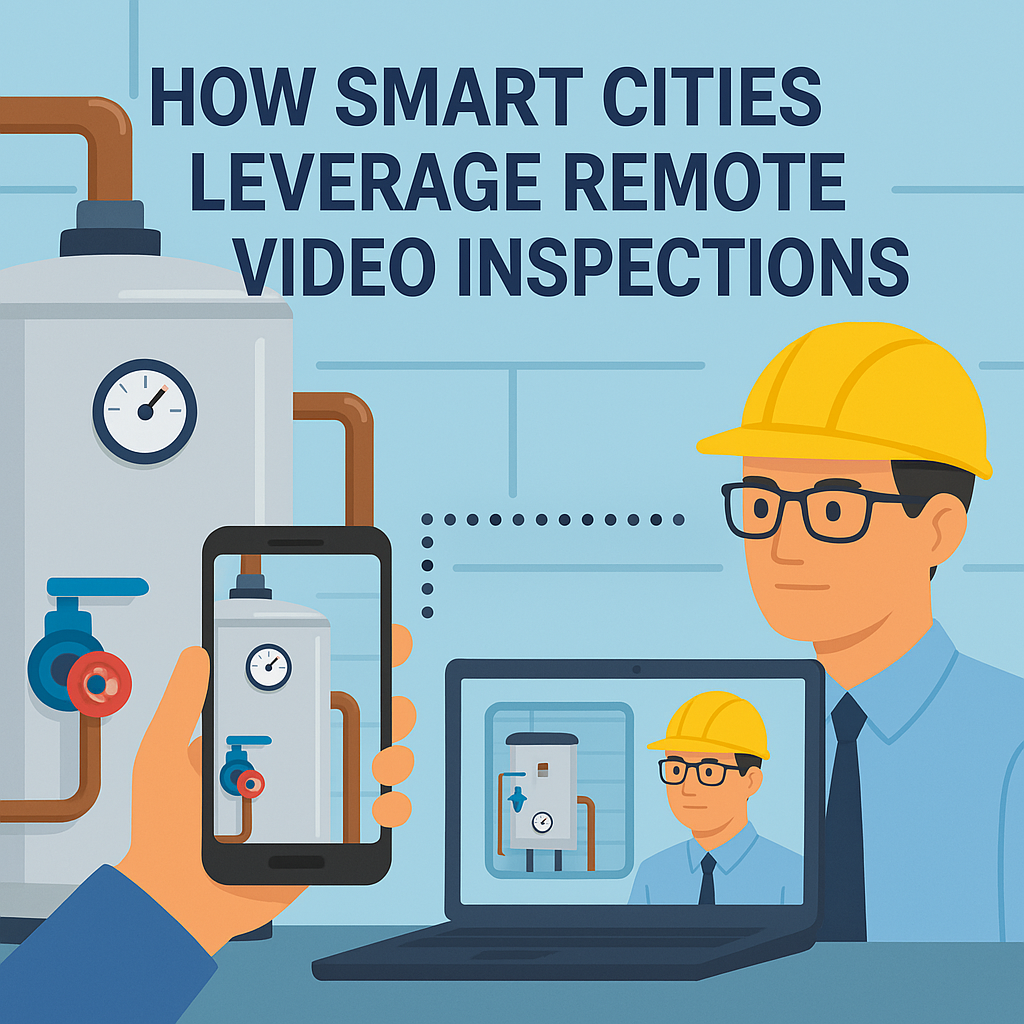
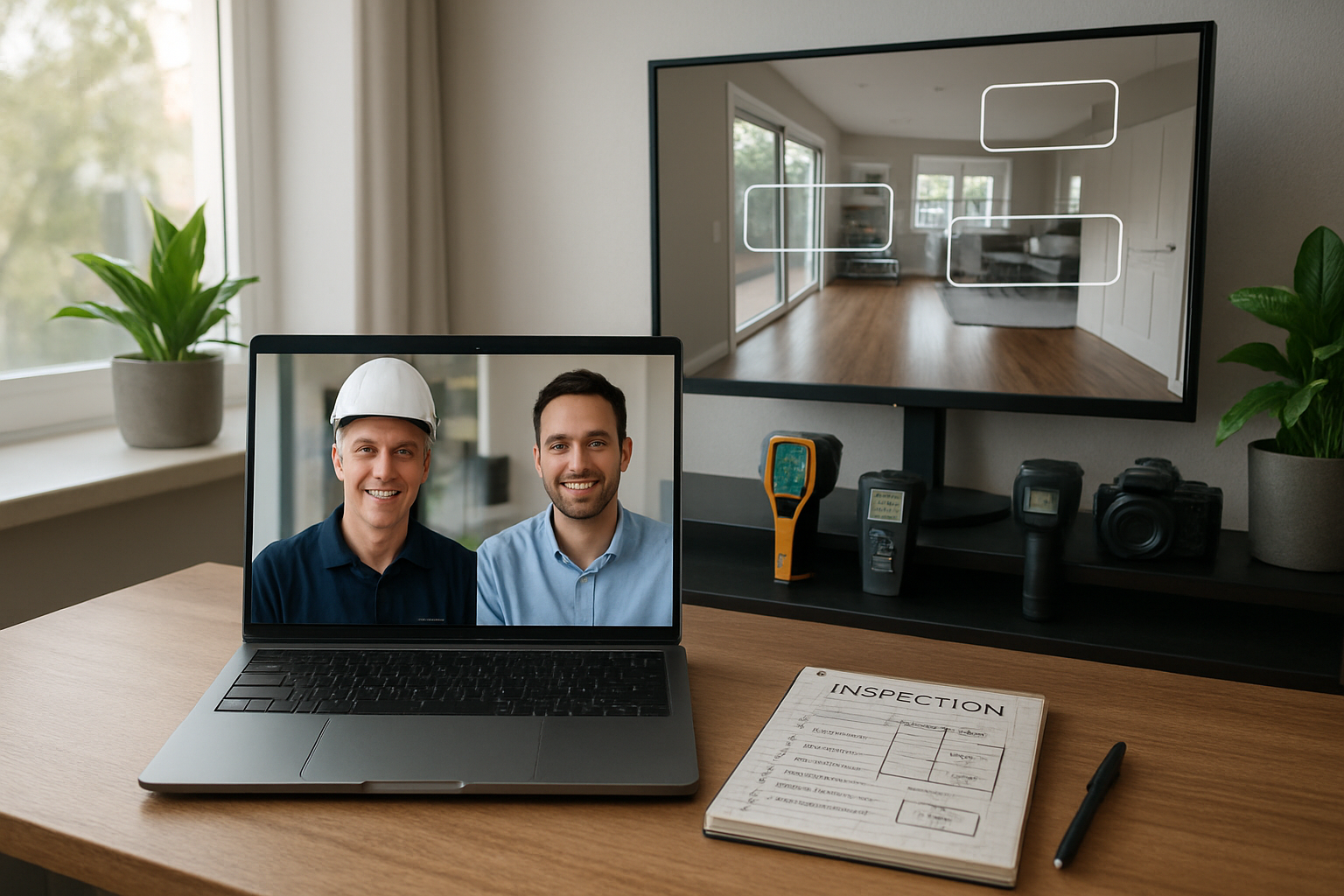
That’s exactly why remote video inspections have become more than a “nice-to-have” modern tool — they’re now a competitive necessity. With the ability to complete inspections, audits, and assessments through a simple live video session, teams are dramatically reducing travel time, eliminating costly delays, and minimizing carbon emissions without compromising accuracy or compliance. What used to take hours on the road can now be done in minutes, right from an inspector’s desk.
And the ripple effects? Faster turnaround times, happier customers, reduced operational costs, and a safer, more efficient workforce. Remote video inspections are reshaping how organizations operate, and the benefits are too compelling to ignore — especially as we move deeper into 2026.

1. Dramatically Lower Your Carbon Footprint
In 2026, sustainability isn’t just a buzzword — it’s a business expectation. Traditional inspections require inspectors to spend hours on the road, burning fuel and contributing to carbon emissions. Remote video inspections cut carbon emissions dramatically. Fewer miles driven means lower emissions, less fuel consumption, and a meaningful reduction in your organization’s environmental impact. It’s a win for the planet and a win for your public image, especially as customers and stakeholders increasingly prioritize eco-friendly practices.
2. Improve Customer or Resident Satisfaction
Slow response times and long wait windows have always frustrated customers, residents, and contractors. Remote video inspections eliminate that pain point almost instantly. Instead of waiting hours — or even days — for someone to arrive onsite, users can complete inspections through a quick video session. That means faster approvals, fewer delays, and far fewer complaints about missed windows or preventable fines. When people get timely service, their satisfaction skyrockets, and your organization earns more trust and loyalty.
3. Save Hours of Time Every Single Day
Time savings are one of the biggest reasons teams are leaning into remote inspections in 2026. Most inspections don’t require physical interaction — they require visual confirmation. With remote tools, inspectors can review everything in real time without leaving their desks. No more traffic delays, no more wrong addresses, no more wasted mornings stuck on the road. The result? Inspectors complete more work in less time, file reports faster, and free up capacity for the cases that truly require on-site expertise.
4. Cut Operating Costs Across the Board
Travel is expensive — and the more your inspectors move, the more you spend on fuel, maintenance, and vehicle wear. Remote video inspections minimize those costs by slashing unnecessary trips. Teams can capture photos, record videos, annotate issues, and document everything remotely, reducing overhead and protecting budgets. For government agencies, that also means better fiscal responsibility to taxpayers. For businesses, it means protecting margins while still increasing output.
5. Reduce Inspector Travel and On-Road Risks
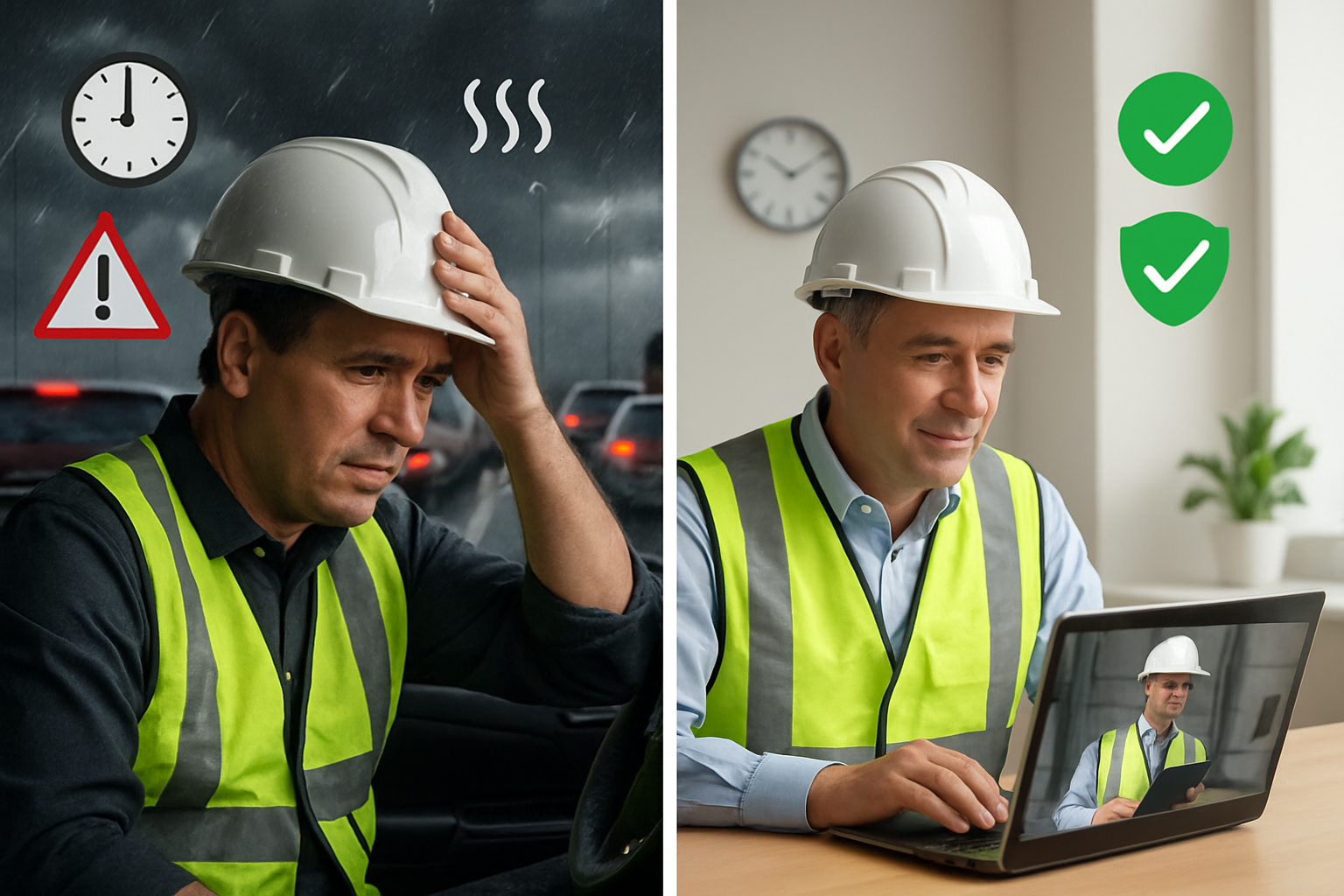
Inspectors often spend a large portion of their day driving from site to site. Not only is this incredibly inefficient, but it exposes them to the risks that come with constant travel — accidents, weather hazards, and road fatigue. Remote inspections shift a significant portion of that workload off the road and onto secure video sessions. This leads to safer workdays, less burnout, and the ability to complete more inspections without compromising staff wellbeing.
6. Faster First-Time Fix Rates and Fewer Repeat Visits
A big reason inspections drag on is simple: misunderstandings. Remote video inspections enable inspectors to see the issue live, guide customers in real time, and verify details instantly — all before anyone commits to driving out. This cuts down the guesswork and dramatically improves first-time fix rates. Technicians arrive fully prepared, or in many cases, don’t need to go onsite at all.
7. More Efficient Use of Skilled Experts
With skilled labor shortages continuing into 2026, organizations need every expert working at their highest value. Remote video inspections allow senior inspectors or specialists to review more cases in less time, prioritize complex jobs, and mentor junior staff through live video without leaving their office. One expert can now support multiple sites in one morning — something impossible with traditional inspection workflows.
8. Eliminate Backlogs and Speed Up Approvals
Permit offices, insurance claims teams, maintenance departments, and service contractors all face one major challenge: backlogs. Remote inspections reduce this dramatically. With the ability to complete cases instantly over video, teams move through their queues faster, accelerate approvals, and reduce the stress of piled-up requests. Customers, builders, and stakeholders get answers more quickly, which improves overall project momentum.
9. Better Documentation and Compliance Accuracy
Remote inspection platforms allow inspectors to snap photos, record video, annotate findings, and generate documentation in real time. This reduces the risk of missed details, transcription errors, or incomplete records — all of which can lead to compliance issues down the line. Everything is stored digitally, securely, and with clear timestamps, supporting audits and regulatory requirements without the paperwork chaos.
10. A Scalable, Future-Ready Inspection Model
Remote video inspections aren’t just a temporary convenience — they’re becoming the new standard. As cities, utilities, field service teams, and insurance organizations modernize their operations, remote inspections offer a scalable foundation. Whether you’re expanding to new regions, dealing with fluctuating workloads, or onboarding new team members, remote processes help you grow without adding more vehicles, more travel time, or more operational complexity.
Industries That Benefit Most From Remote Video Inspections
1. Construction & Building Inspections
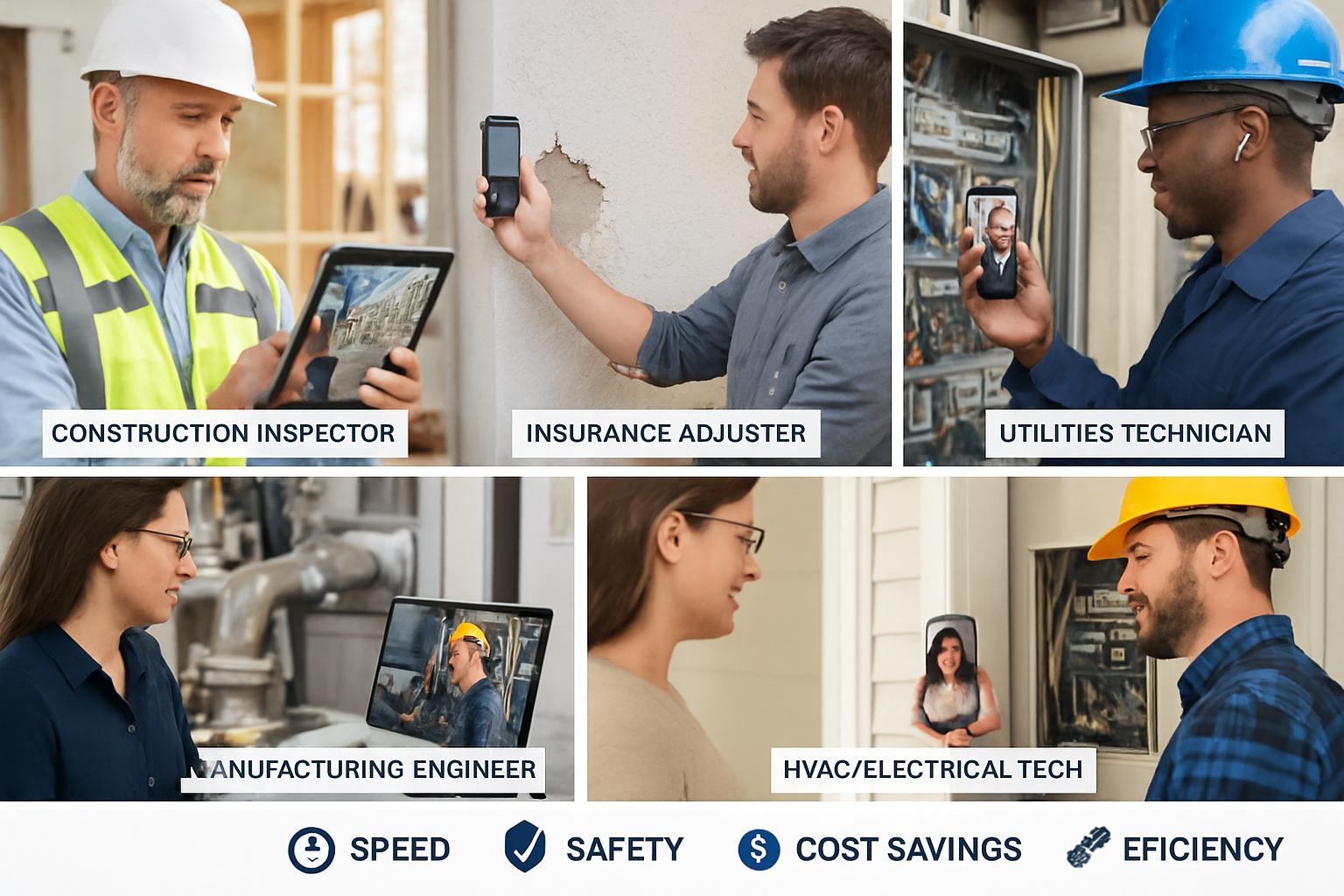
From permit approvals to progress checks, remote video inspections help cities, counties, and contractors move faster. Inspectors can verify work, provide guidance, and approve corrections without physically going to the site — reducing delays and keeping projects on schedule.
2. Insurance & Claims Adjusting
Insurance teams use remote video inspections to speed up claims, verify damage, and document evidence without waiting days for an adjuster to arrive. Customers get faster settlements, adjusters handle more cases, and insurers reduce costs associated with travel and scheduling backlogs.
3. Utilities & Telecommunications
Power companies, water utilities, and telecom teams rely on remote inspections to diagnose issues, verify installations, and assist field techs in real time. It helps reduce downtime, prevents unnecessary truck rolls, and improves first-time fix rates across vast service territories.
4. Manufacturing & Industrial Maintenance
Manufacturers use remote video inspections to troubleshoot machine issues, audit safety compliance, and guide technicians on the floor. Senior engineers can assess equipment remotely, preventing production delays and allowing multiple factories to receive expert support at the same time.
5. HVAC, Electrical, and General Field Service
Service contractors use remote video inspections to assess issues before dispatch, confirm part requirements, and guide homeowners or junior techs in real time. This reduces unnecessary site visits, improves customer satisfaction, and helps technicians complete more jobs per day.
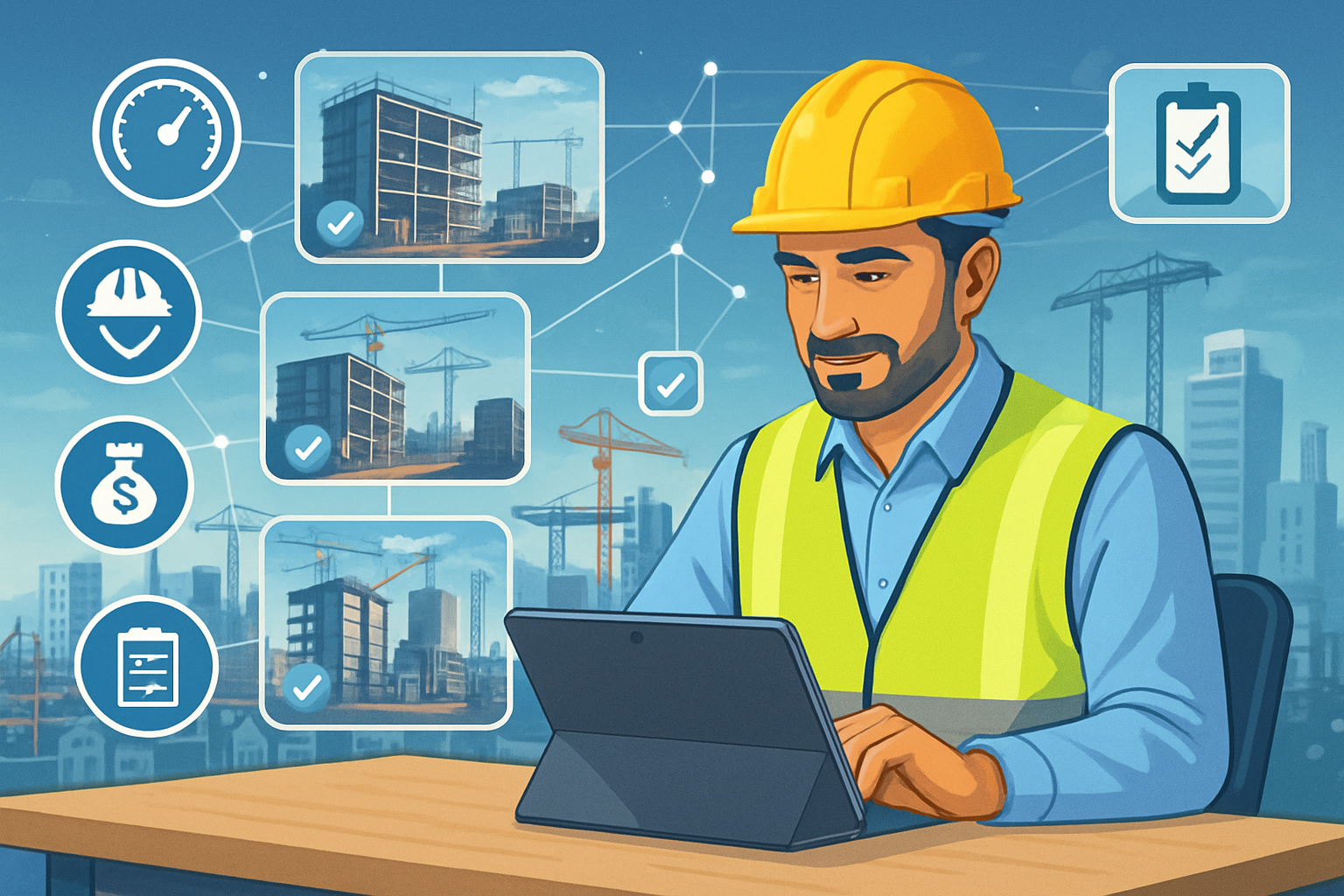
Blitzz: Revolutionizing Inspections Without Leaving The Desk
The future of inspections isn’t about more driving, more delays, or more paperwork — it’s about working smarter, faster, and safer. Remote video inspections give your team the tools to complete more jobs, reduce costs, improve compliance, and keep both inspectors and workers out of harm’s way.
With Blitzz, you can turn every inspection into a seamless, efficient, and fully documented process.
Don’t let outdated processes slow you down. Experience faster approvals, happier customers, and a safer, more efficient workforce today. Schedule a demo with Blitzz and see how remote video inspections can transform the way your organization operates.