

.png?width=120&height=55&name=Blitzz-Logo-right%20white%20eyes%20-%20not%20transparent%20(3).png)
If you’ve ever sat in traffic, driven across town, climbed into a dusty attic, and thought, “There has to be a smarter way to do this,” good news — there is.
Remote home inspections are exploding — and for good reason. They cut truck rolls, reduce costs, and create an eco-friendly workflow. And now that more cities and municipalities are accepting virtual documentation, there’s never been a better time to tap into this opportunity.
So, if you’re thinking of starting a remote home inspection business, you’re not just entering a market… You’re entering the next evolution of the inspection industry. In this article, we’ll break down the important steps to start your own remote inspection business. We’ll also share the secrets on how to be successful.
What is a Home Inspection Business?
A home inspection business is a business that requires home inspectors to check everything from the roof to the foundation, documenting safety issues, potential repairs, and hidden problems that most people miss. It helps buyers, sellers, and property owners understand the true condition of a home. Traditionally, this happens in person — clipboards, ladders, flashlights, crawling into tight spaces. It’s an essential service because people want clarity before making one of the biggest financial decisions of their lives.
The Rise of Remote Home Inspection Businesses
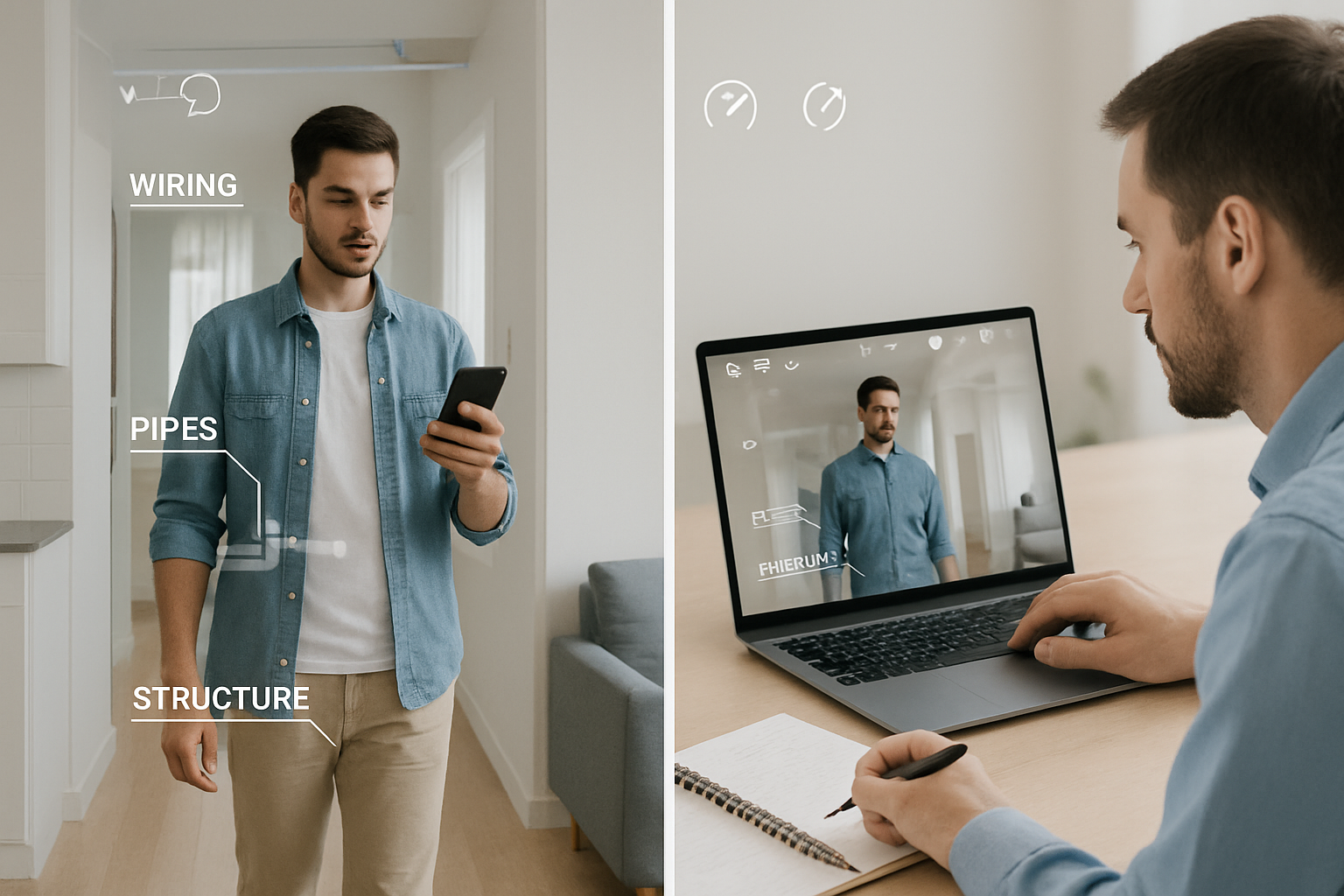
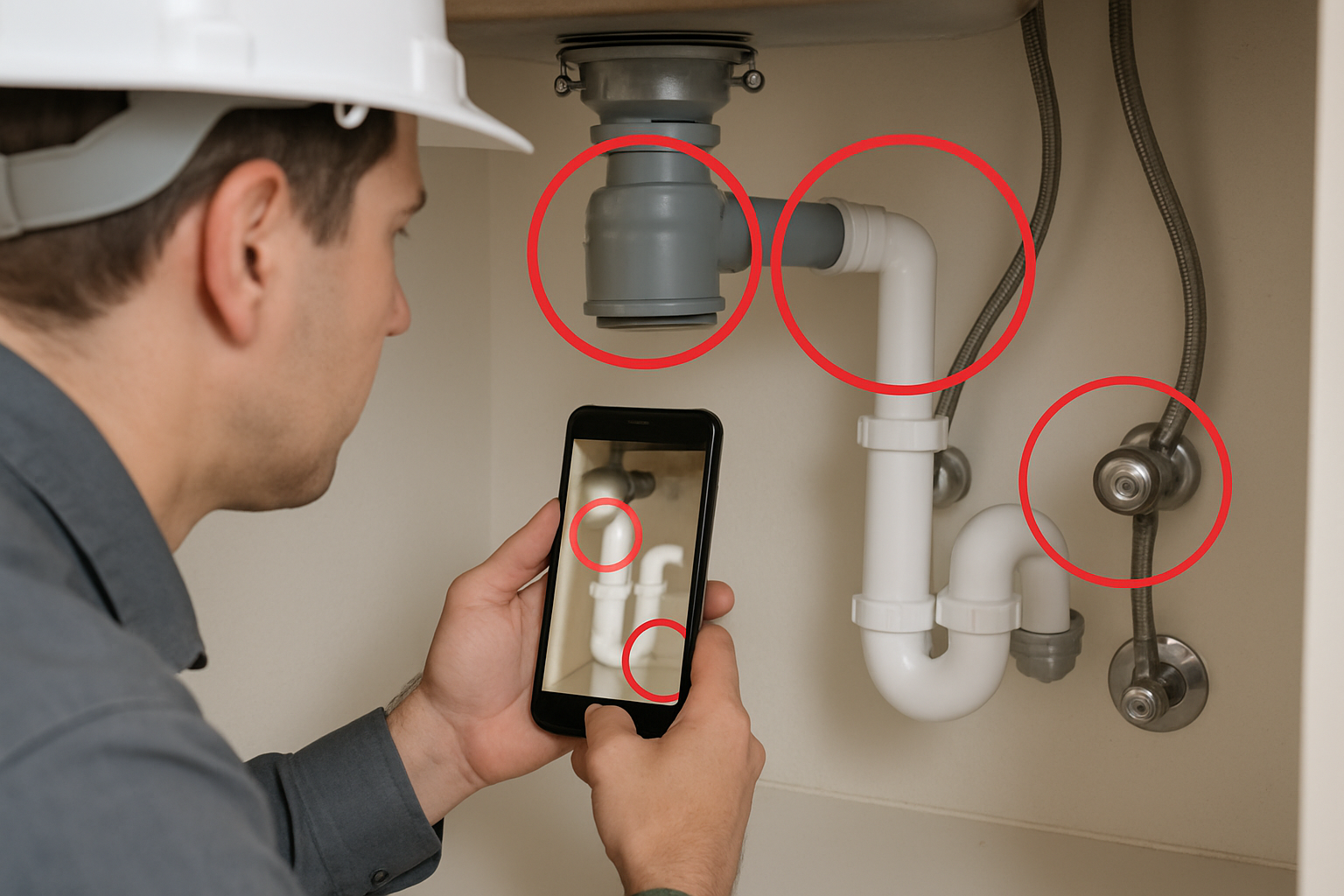
Today, home inspectors don’t always need to visit houses in person. With high-tech smartphones and apps like Blitzz, inspectors can guide homeowners through every step of the process remotely. It cuts truck rolls, saves hours of travel, and even reduces on-site accidents. Using smarter tools and real-time video, inspectors can virtually walk through every nook and cranny of a property and capture the evidence they need.
The result? A polished, professional inspection without ever stepping foot on-site. And the best part — remote inspections deliver more clarity, more protection, and a far more scalable, client-friendly experience than the traditional model ever could.
Why Should You Start a Home Inspection Business?
Let’s explore why starting a home inspection business could be one of the smartest moves you make:
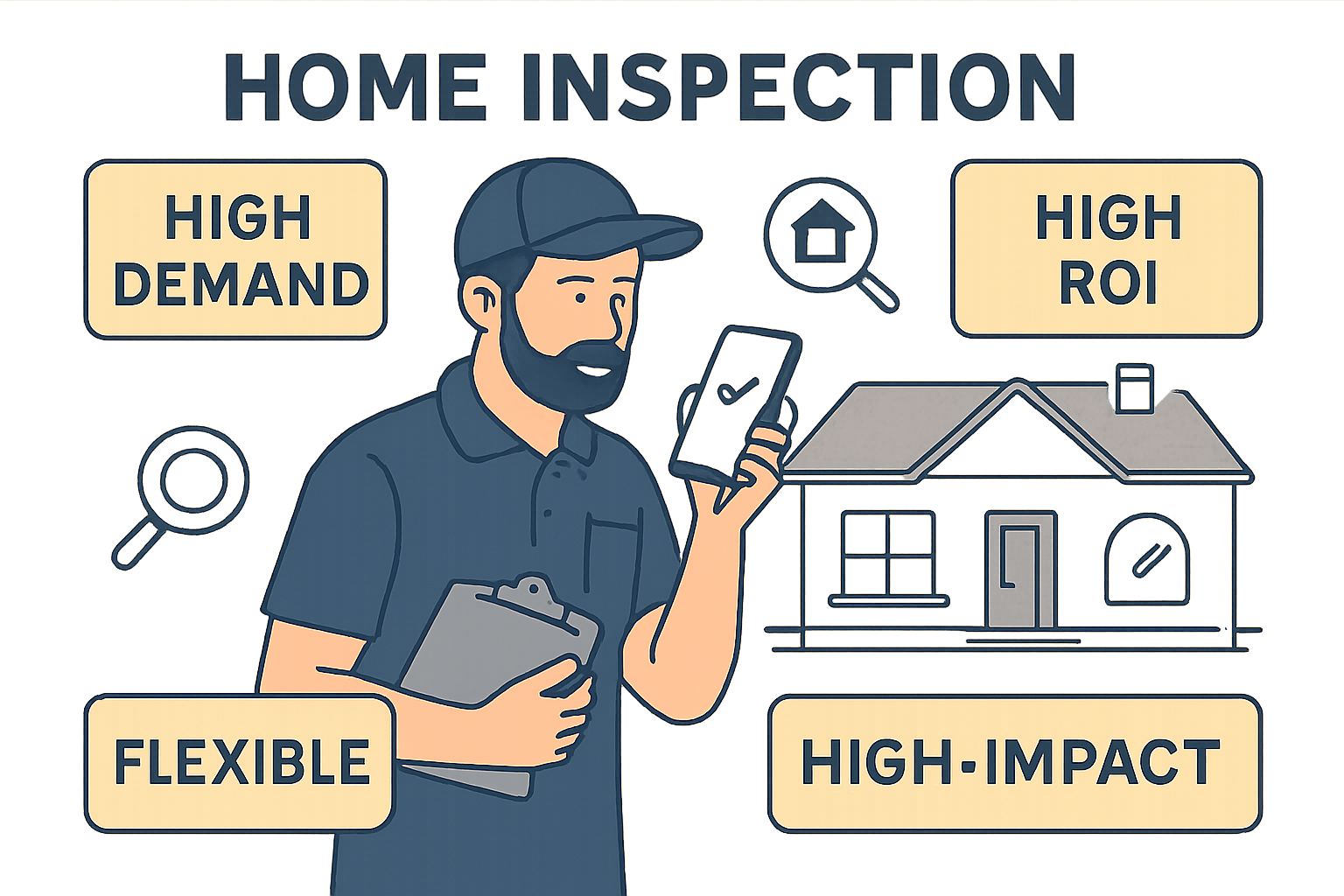
- High Demand and Growing Market
Real estate never sleeps. Every home bought, sold, or insured needs an inspection. And with remote technology, you can tap into a market that’s expanding faster than traditional in-person services.
- Low Overhead, High ROI
Unlike other service businesses, you don’t need a warehouse, a fleet of trucks, or tons of staff. A smartphone, a laptop, and the right apps like Blitzz are enough to start seeing real profit quickly.
- Flexibility and Work-Life Balance
You set your schedule, your workload, and even work remotely. No more wasted hours driving from house to house — inspections can be conducted from anywhere.
- Scalable Business Model
Remote inspections let you handle more clients in less time. Once you refine your workflow, you can scale without adding proportional hours or staff, maximizing your earning potential.
- Make a Real Impact for Clients
You’re not just starting a business — you’re creating a service that protects investments, prevents costly mistakes, and gives peace of mind to your clients. Remote inspections deliver the same clarity and protection as traditional methods, but faster, smarter, and more scalable.
6. Greener Way to Inspect Homes
Remote inspections are also incredibly eco-friendly. By eliminating unnecessary site visits, you reduce fuel consumption and lower carbon emissions from vehicle travel.

12 Steps To Get Started: The Remote Home Inspection Business Blueprint
Are you ready to learn the step-by-step of building a home inspection business? Here’s your blueprint.
Step 1. Understand What Remote Inspections Actually Are (Most People Don’t)
Before you launch a remote inspection business, you need to know exactly what you’re selling. A home inspection isn’t just walking through a house with a checklist — it’s a professional evaluation that identifies safety issues, potential repairs, and hidden problems that could cost homeowners thousands. Understanding the scope, standards, and expectations of the industry is critical.
A strong foundation in product knowledge will help you guide clients confidently, spot important details during inspections, and deliver trustworthy reports. For remote inspections, this also means knowing how to use technology effectively to replicate the thoroughness of in-person evaluations.
Here’s what you should focus on learning:
- The inspection process, including how reports are structured
- Industry standard sand regulations (ex: licensing, certifications, and local requirements)
- Tools and technology (ex: apps, video walkthroughs, and reporting software enable accurate inspections remotely.
- Client expectations (ex: what buyers and sellers need to make informed decisions)
- Common challenges and solutions (ex: broken ceilings, poor lightings, tricky access points, etc.)
Step 2: Choose Your Niche
Trying to serve everyone is the fastest way to get lost in the crowd. Start with a clear niche: residential, commercial, pre-listing inspections, insurance claims, or remote inspections for investors. Specialising helps you become the go-to expert in that space.
Also, consider the following:
- Who are your ideal clients?
- Which type of inspections are in demand in your area?
- Where can remote inspections add the most value?
Step 3: Get Proper Training & Certification
Certification isn’t just a checkbox — it’s your credibility. Even if local law doesn’t require it, completing formal training shows clients that you’re serious and professional. Most states require home inspectors to be properly trained and certified to practice legally. The American Society of Home Inspectors (ASHI) is one of the main organizations offering recognized certifications.
To become certified, you typically need to attend a home inspection school or complete an accredited training program. It’s also a good idea to check with your state’s licensing board or the Department of Consumer Affairs for guidance on specific requirements and the certifications needed to become a licensed inspector.
Although not required, you can also get continuing education that focuses on the following:
- Home inspection techniques and standards
- Reporting protocols and documentation
- Remote inspection best practices
- Continuing education to stay up-to-date
Step 4: Develop a home inspection business plan
Your business plan is like your GPS in navigating your home inspection business. In this journey, your plan should focus on becoming a trusted home remote inspector. You should also account for technology, virtual workflows, and client communication. Here are the things that should be in your business plan.
- Define your niche: Residential, commercial, insurance, or investor-focused remote inspections
- Outline your services: Other than remote video inspections, what else do you offer? Are you also planning to include virtual walkthroughs and reporting? You can even include optional add-ons and offer free demos as a lead magnet.
- Set pricing strategy: This is often the factor that wins clients over. Take the time to craft an irresistible offer. Consider whether value-based pricing, service packages, or premium fast-turnaround options make the most sense for your business and your target audience.
- Identify target clients: Who is your ideal client? Decide whether you’re targeting real estate agents, property managers, insurance adjusters, or remote investors. Then map out where you can reach them—online directories like Craigslist or Yelp, social media platforms, industry forums, or networking events. Knowing exactly where your clients are makes your marketing smarter and more effective.
- Plan marketing & branding: Develop a clear strategy for promoting your services. Build a professional website to establish an online presence, leverage social media to reach your audience, publish educational content to showcase your expertise, and implement a referral program to turn satisfied clients into advocates.
- Budget & financial projections: Outline all your start-up costs, including tools, software, insurance, and other essentials, and estimate your expected revenue to ensure your remote inspection business starts on a solid financial footing.
Step 5: Choose a Unique Name
Your business name is your first impression — make it memorable and professional. For a remote inspection business, consider names that convey trust, technology, and efficiency. A strong name will stick in clients’ minds and make marketing easier.
Tips for choosing a name:
- Keep it short, simple, and easy to spell
- Highlight your niche or remote capability (e.g., “Blitzz Remote Inspections”)
- Check domain availability for your website
- Make sure it’s not already trademarked
Step 6: Build You Legal & Business Structure
Protecting yourself legally is essential. Decide whether to operate as an LLC, corporation, or sole proprietorship. Proper structure not only protects your personal assets but also adds credibility with clients.
Considerations include:
- Liability protection and personal asset safety
- Tax implications of different structures
- Business bank accounts and accounting setup
- Required licenses and permits in your state
Make sure that you also know the different kinds of business structures:
- Sole Proprietorship: A sole proprietorship is the simplest business structure, owned and operated by one individual. While it’s easy to set up and gives you full control, there’s no legal separation between your personal and business assets, so you assume full liability.
- Partnership: A partnership involves two or more people sharing ownership and responsibility for the business. Partners share profits, losses, and decision-making, but each partner can be personally liable for the business’s obligations.
- Limited Liability Company (LLC): An LLC provides a flexible structure that combines liability protection with pass-through taxation. Owners (members) are generally protected from personal liability, making it a popular choice for small businesses and remote service providers.
- Corporation: A corporation is a separate legal entity from its owners, offering the strongest liability protection. It can issue stock, attract investors, and has more formal reporting requirements, but it also involves higher setup and maintenance costs.
Step 7: Register Your Business
Once you’ve chosen a name and structure, make it official. Registering your business with your state allows you to operate legally and opens the door to contracts, insurance, and banking under your business name. Here are some key steps to consider:
- File your business entity with your state
- Apply for an Employer Identification Number (EIN) with the IRS
- Obtain any local business licenses or permits required for your area
- Open a business bank account for professional financial management
Step 8: Open a bank account
Open a dedicated business bank account separate from personal accounts. Separating your personal and business finances is crucial for managing cash flow, simplifying taxes, and protecting your personal assets. Also, keep a reserve fund for emergencies, repairs, or seasonal slowdowns. Use the account for all business transactions, including software subscriptions, tools, and insurance. Make sure you track your income and expenses carefully to simplify accounting and tax filing.
Step 9: Get Insurance
Insurance is one of the most important protections for your remote home inspection business. It safeguards you from unexpected accidents, property damage, or legal claims, ensuring your business can continue operating without financial disruption. Even if you primarily perform remote inspections, insurance adds credibility and builds trust with clients.
You can obtain insurance through specialized business insurance brokers or online providers that serve small businesses. Compare policies, coverage limits, and premiums to find what works best for your business model.
Key insurance types to consider:
- General Liability Insurance: Covers accidents, injuries, or property damage that occur during inspections, whether remote or on-site.
- Auto Insurance: Essential if you ever travel to properties or need a company vehicle for hybrid inspections.
- Workers’ Compensation Insurance: Required if you hire employees, covering medical costs and lost wages in case of work-related injuries.
- Business Interruption Insurance: Protects your income if unforeseen events, like natural disasters or technology failures, temporarily halt your business operations.
Having the right insurance coverage not only protects your finances but also gives your clients confidence that they’re working with a professional they can trust.
Step 10: Invest in Tools and Technology
Even for a remote home inspection business, having the right tools is critical to perform accurate and professional inspections. Essential equipment includes an infrared thermometer to check temperature variations, a stethoscope for listening to plumbing or HVAC systems, a bright flashlight for dark areas, and a digital or video camera to capture clear images for reports. You’ll also need a laptop or tablet for managing reports and communication, moisture meters to detect hidden water damage, and safety glasses for any on-site guidance you might need to provide. Investing in quality tools ensures your inspections are precise, reliable, and professional — giving clients confidence in your services.
Step 11: Create Your Workflow
A consistent, repeatable workflow is the backbone of a scalable remote inspection business. Map out each step of the inspection process, from client onboarding and scheduling to virtual walkthroughs, documentation, and final reporting. Having a clear workflow ensures you don’t miss critical details, keeps inspections efficient, and allows for faster report delivery. Standardized processes also make it easier to train future team members if you expand your business.
Step 12: Promote Your Business
Promotion is key to attracting clients and growing your business. Highlight your remote inspection capabilities across channels: a professional website, social media, email campaigns, and referral programs.
Educational content like blogs or short videos can demonstrate your expertise and show clients how your remote process works. Networking with real estate agents, property managers, and insurance professionals can also create valuable partnerships that generate steady leads.
Step 13: Launch & Refine Your Services, Including Pricing
When you launch, start small and focus on delivering exceptional service to your first clients. Collect feedback on every inspection to refine your workflow, report format, and communication.
This is also the time to evaluate your pricing — decide if value-based pricing, service packages, or premium fast-turnaround options make the most sense for your target clients. Continuous refinement after launch ensures your remote inspection business remains competitive and delivers real value.
Step 14: Continue Post-Launch Marketing
Launching is just the beginning — ongoing marketing is what keeps your business growing. Share success stories, client testimonials, and educational content regularly. Maintain engagement on social media, follow up with past clients, and explore paid ads or SEO strategies to reach new prospects. Consistent marketing ensures that your remote home inspection business stays visible, trusted, and top-of-mind for potential clients.
Step 15: Gain Momentum, Increase Traction
Once your business is running smoothly, the next goal is to build momentum and attract more clients consistently. Focus on delivering exceptional service for every inspection — word-of-mouth referrals and positive reviews are powerful marketing tools.
Track metrics like client acquisition, repeat business, and average inspection volume to identify what’s working. At the same time, expand your presence online through social media, content marketing, and strategic partnerships with real estate agents, property managers, and insurance professionals. The key is to maintain quality while steadily increasing your visibility and reputation.
Step 16: Scale Your Business
Scaling your remote home inspection business means increasing revenue without dramatically increasing your workload. You can do this by hiring additional inspectors, delegating administrative tasks, or offering subscription-based services for property managers or investors.
Streamline your processes with technology — automated scheduling, cloud-based reporting, and video walkthroughs — to handle more clients efficiently. Expanding into additional niches, like commercial inspections or insurance assessments, can further boost growth. Scaling successfully requires a balance of maintaining high-quality inspections while strategically growing your team and services.
Build a Successful Remote Home Inspection Business With Blitzz
Building a successful remote home inspection business doesn’t happen overnight. However, with the right approach, it’s completely achievable. It starts with mastering the fundamentals — understanding the inspection process, gaining proper certifications, and investing in the right tools.
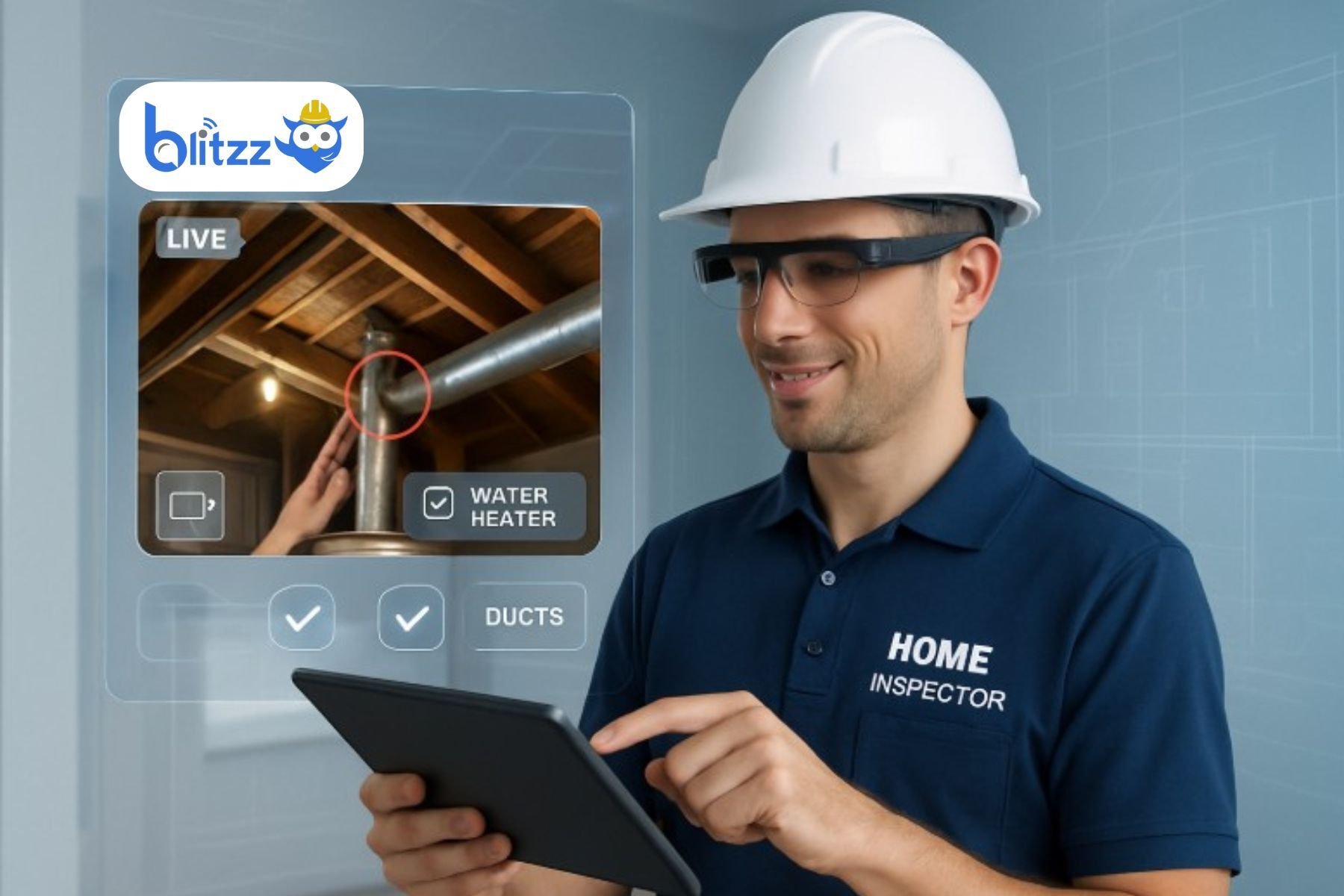
When you build your remote home inspection business, Blitzz is your ultimate partner. This remote video inspection platform lets you deliver inspections faster, smarter, and more efficiently. Blitzz integrates smart glass technology that not only allows home inspectors to capture live video and provide real-time inspection data. It also allows you to co-browse with clients and makes notes directly on the screen, creating a seamless, interactive, and professional inspection experience.
With Blitzz, you’re not just keeping up with the future — you’re leading it. Start smart and watch as your business transforms into a powerful, innovative operation that delivers clarity, protection, and peace of mind for every client. Do you want to see Blitzz in action? Schedule a demo today.

.jpg)