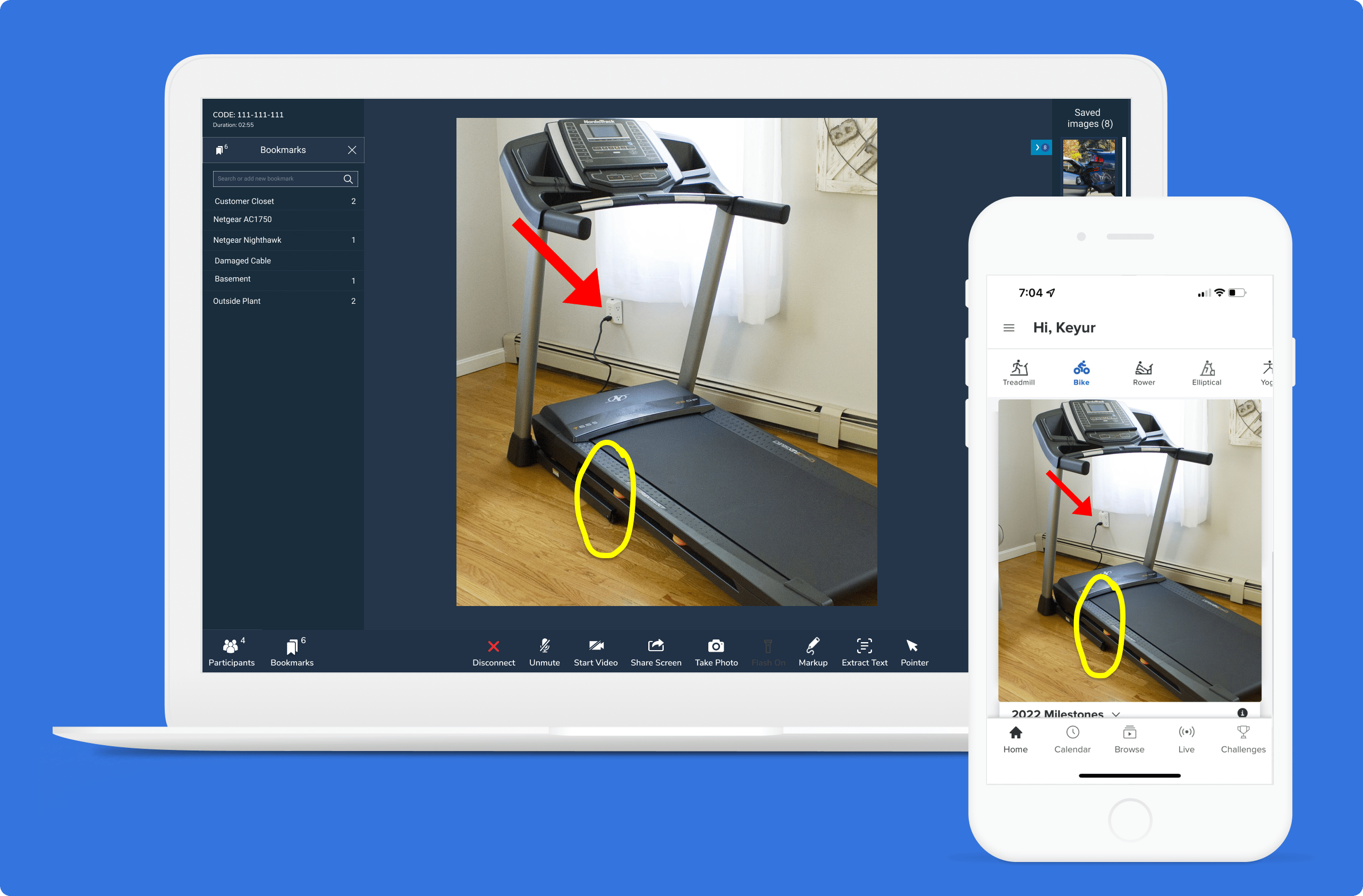

.png?width=120&height=55&name=Blitzz-Logo-right%20white%20eyes%20-%20not%20transparent%20(3).png)
Post-operative care is one of the most critical phases in the patient journey. The surgery may be over, but recovery is just beginning. Traditionally, this stage has relied heavily on in-person follow-ups, phone calls, and patient self-reporting — methods that often leave gaps in care, create unnecessary clinic visits, and increase the risk of complications.
Today, telehealth is changing that reality. And not just basic video calls — but HIPAA-compliant visual remote assistance that allows clinicians to see, guide, document, and support patients in real time from home.
This article explores how telehealth video support is revolutionising post-operative care and why healthcare organizations are rapidly adopting visual remote assistance as a core part of their virtual care strategy.
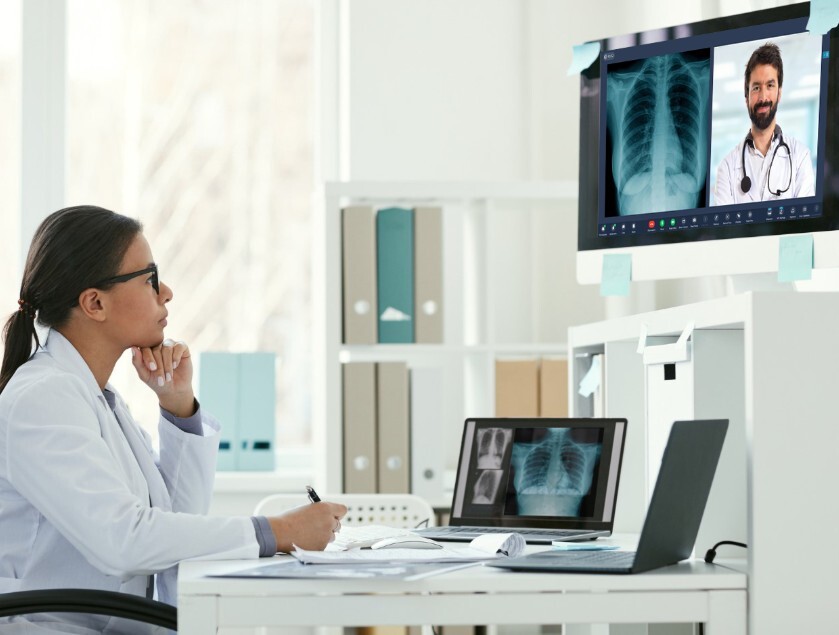
The Hidden Challenges of Post-Operative Care
Even the most successful surgeries can fail without proper follow-up care. Once patients leave the hospital, they are responsible for wound care, medication adherence, device management, mobility exercises, and monitoring symptoms.
But here’s the reality healthcare providers face:
Patients forget instructions.
Patients misinterpret symptoms.
Patients delay follow-ups.
Patients struggle with medical devices.
Patients hesitate to call until problems escalate.
This creates a dangerous gap between discharge and recovery.
Post-operative complications are one of the leading causes of hospital readmissions. Many of these complications could be prevented with earlier intervention and better patient support.
The challenge is simple:
Healthcare teams cannot physically visit every patient every week.
But what if they could visually check in anytime?
Why Traditional Telehealth Isn’t Enough
Basic telemedicine platforms solved the first problem: enabling remote conversations. But post-operative care requires much more than a conversation.
A phone call cannot assess wound healing.
A static video call cannot guide a patient through device setup.
A text message cannot confirm medication adherence.
Post-operative care is visual, hands-on, and interactive.
That’s where visual remote assistance comes in.
Unlike passive video calls, visual remote assistance allows clinicians to guide patients step-by-step using live video, annotations, photo capture, and collaborative guidance. It transforms telehealth from “talking” into seeing and doing.
What Is HIPAA-Compliant Visual Remote Assistance?
Visual remote assistance is an advanced telehealth technology that connects healthcare providers and patients through real-time interactive video sessions — without requiring app downloads or complex setup.
An example of this is Blitzz Concierge, which allows healthcare providers to connect with patients and deliver clinical-grade visual support.
Healthcare teams can:
• Conduct HD video consultations instantly
• Visually assess wounds and symptoms
• Guide patients through device setup and calibration
• Capture timestamped photos for documentation
• Annotate directly on the patient’s screen
• Integrate sessions into EHR/EMR workflows
Secure platforms provide end-to-end encryption, audit trails, and HIPAA compliance, ensuring protected health information remains safe while enabling seamless virtual care.
This is a game-changer for post-operative recovery.
Why Post-Operative Care Is the Perfect Telehealth UseCase
Post-op care is uniquely suited to visual telehealth because most follow-up needs are observational and educational.
Patients don’t always need a clinic visit. Some post-operativepatients need reassurance, monitoring, guidance, and visibility. Instead of physicallygoing to the hospital for a visit, patients can access live visual support directly from the hospital’s telehealth support team.
Through live visual support, hospitals can deliver all five:
- Reduce unnecessary in-person visits
- Detect complications earlier
- Improve patient adherence
- Increase satisfaction scores
- Free clinical resources for high-acuity patients
As a result, visual telehealth can reduce patient no-showsby up to 60% and decrease unnecessary in-person visits by up to 40%.
Key Post-Operative Scenarios Perfect for Video Support
Let’s explore how visual telehealth transforms real recovery scenarios.
1. Wound Monitoring and Healing Assessment
Wound complications are one of the most common causes of readmission. Infection, inflammation, and poor healing often start subtly. By offering live visual support, doctors can have visual confirmation of the patient’s status. For instance, patients can take pictures or videos of the wounds in real time and highlight on-screen areas that still hurt. Conversely, doctors can point out areas that look a bit red, feel warm, including the following:
- Inspect incisions in real time
- Ask patients to adjust the lighting or camera angle
- Compare healing progress week-to-week
- Capture images for documentation
- Identify early signs of infection
2. Medication Adherence and Education
Medication errors after surgery are common. Patients forget dosages, skip medications, or misunderstand instructions. Video support allows clinicians to:
• Review medications visually
• Confirm dosages and schedules
• Observe patient understanding
• Answer questions instantly
Seeing medications together removes confusion and reduces risk.
3. Medical Device Setup and Troubleshooting
Many post-operative patients go home with medical devices, which can be difficult to operate. Offering remote visual support allows doctors and telehealth operators to help patients with the following machines:
• CPAP machines
• Glucose monitors
• Blood pressure devices
• Mobility aids
• Wound care equipment
With cobrowsing and live screen guidance, patients can point to issues directly on their screen while clinicians highlight buttons, guide setup step-by-step, verify settings in real time, and ensure devices are being used safely and correctly without confusion or guesswork. Providers can see what the patient can see and collaborate online. This reduces frustration, improves adherence, and prevents device misuse.
4. Mobility and Rehabilitation Support
Physical recovery is critical after surgery. Patients mustperform exercises correctly to regain strength and avoid complications. Videosessions enable clinicians to:
• Observe mobility exercises
• Correct posture and technique
• Monitor progress remotely
• Provide encouragement and reassurance
Patients feel supported — and stay motivated.
5. Reducing Readmissions Through Early Intervention
Most complications don’t happen suddenly. They develop overdays or weeks. Visual telehealth allows healthcare teams to detect:
• Swelling
• Discoloration
• Limited mobility
• Signs of infection
• Patient distress
Early detection leads to early treatment — preventinghospital readmissions and reducing healthcare costs. Curious about the cost of Blitzz visual remote assistance? Check out the pricing to see how it can fit your organisation’s needs.
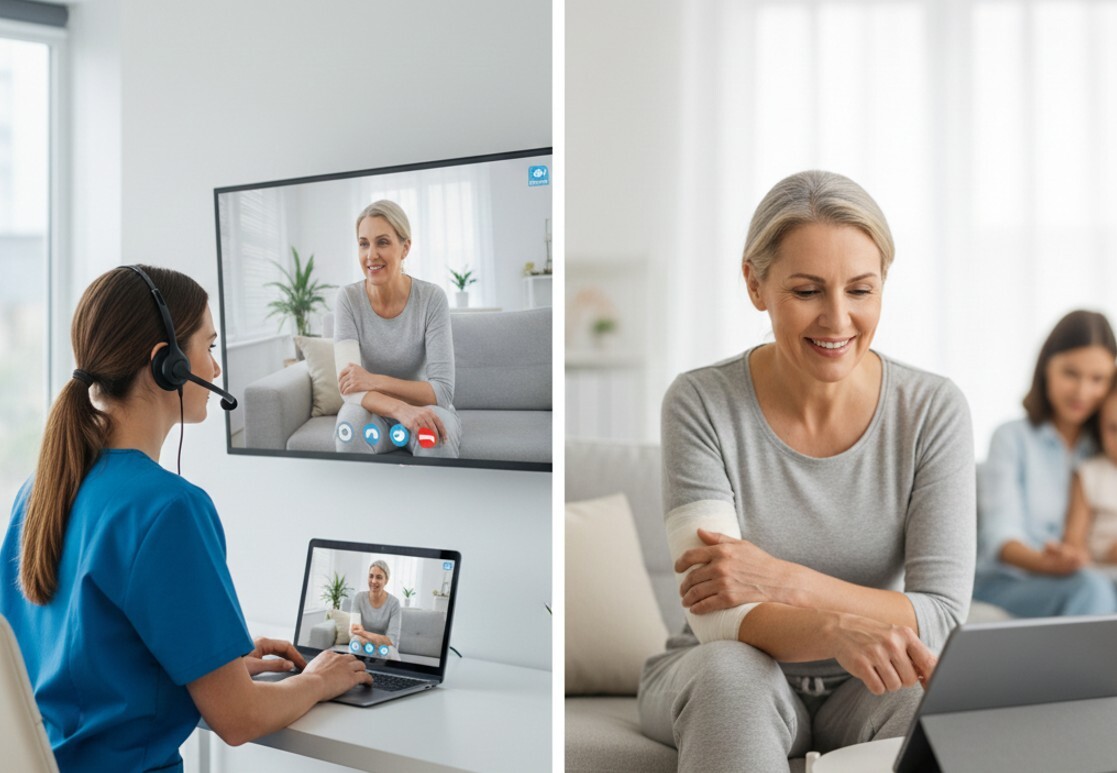
The Business Impact for Healthcare Organizations
Visual telehealth delivers far more than improved patient care — it creates measurable operational and financial value for healthcare organisations. By reducing unnecessary in-person visits and streamlining workflows, providers can lower operational costs, allocate resources more efficiently, and increase clinician productivity without adding physical infrastructure. At the same time, patients benefit from faster, more convenient care, which drives higher satisfaction and engagement. The result is a scalable model that allows healthcare teams to serve more patients while maintaining high standards of care — ultimately delivering better outcomes and better economics.
Takeaway
Post-operative care is too important to rely on phone calls and guesswork. HIPAA-compliant visual remote assistance bridges the gap between discharge and full recovery by enabling clinicians to see, guide, and support patients in real time. Healthcare organizations adopting this technology are able to reduce readmissions, improve outcomes, enhance patient satisfaction, and scale delivery.
Telehealth has evolved beyond video calls. Now, it’s about visual, interactive, secure patient support. And for post-operative care, that makes all the difference. Discover how HIPAA-compliant telehealth video support improves post-operative care, reduces readmissions, and helps clinicians remotely guide patients through recovery with secure visual assistance. Book a demo today.

.jpg)