
.png?width=120&height=55&name=Blitzz-Logo-right%20white%20eyes%20-%20not%20transparent%20(3).png)
The food equipment industry is under constant pressure to move faster, reduce downtime, and maintain strict safety and compliance standards. Whether it’s a commercial kitchen, food processing line, or automated packaging system, delays during installation and commissioning can be costly. This is where remote video inspections and virtual commissioning come together as a powerful solution.
By combining real-time visual technology with digital commissioning workflows, manufacturers, integrators, and operators can validate equipment performance, troubleshoot issues, and sign off on systems without always being physically present on site. The result is faster deployment, lower costs, and fewer surprises once equipment goes live.
This article explains how remote video inspections enable virtual commissioning for food equipment, how the process works, and where it delivers the most value in real-world applications.
Understanding Virtual Commissioning in Food Equipment
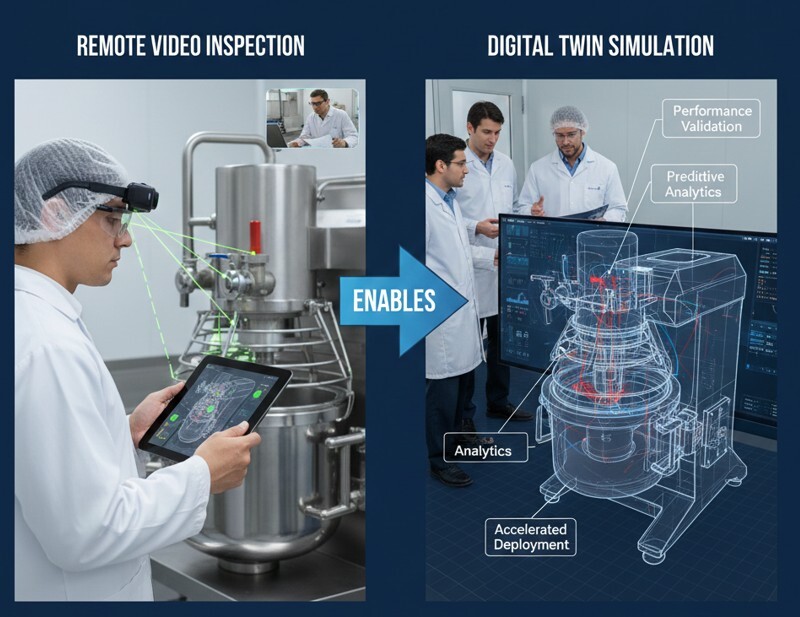
Virtual commissioning is the process of testing and validating equipment systems before, during, or even instead of traditional on-site commissioning. Rather than waiting for all components to be physically installed, engineers simulate operations, control logic, and workflows using software and digital models.
In the food equipment space, this often applies to:
-
Commercial ovens and cooking systems
-
Automated food preparation lines
-
Industrial dishwashers and sanitation systems
-
Packaging, filling, and labeling machines
-
Robotic or semi-automated kitchen equipment
Virtual commissioning allows teams to verify that equipment behaves as expected, meets safety requirements, and integrates properly with control systems before full-scale operation begins.
Related post: Virtual Inspection: The Unsung Hero of Maintenance for Food Equipment
The Role of Remote Video Inspections
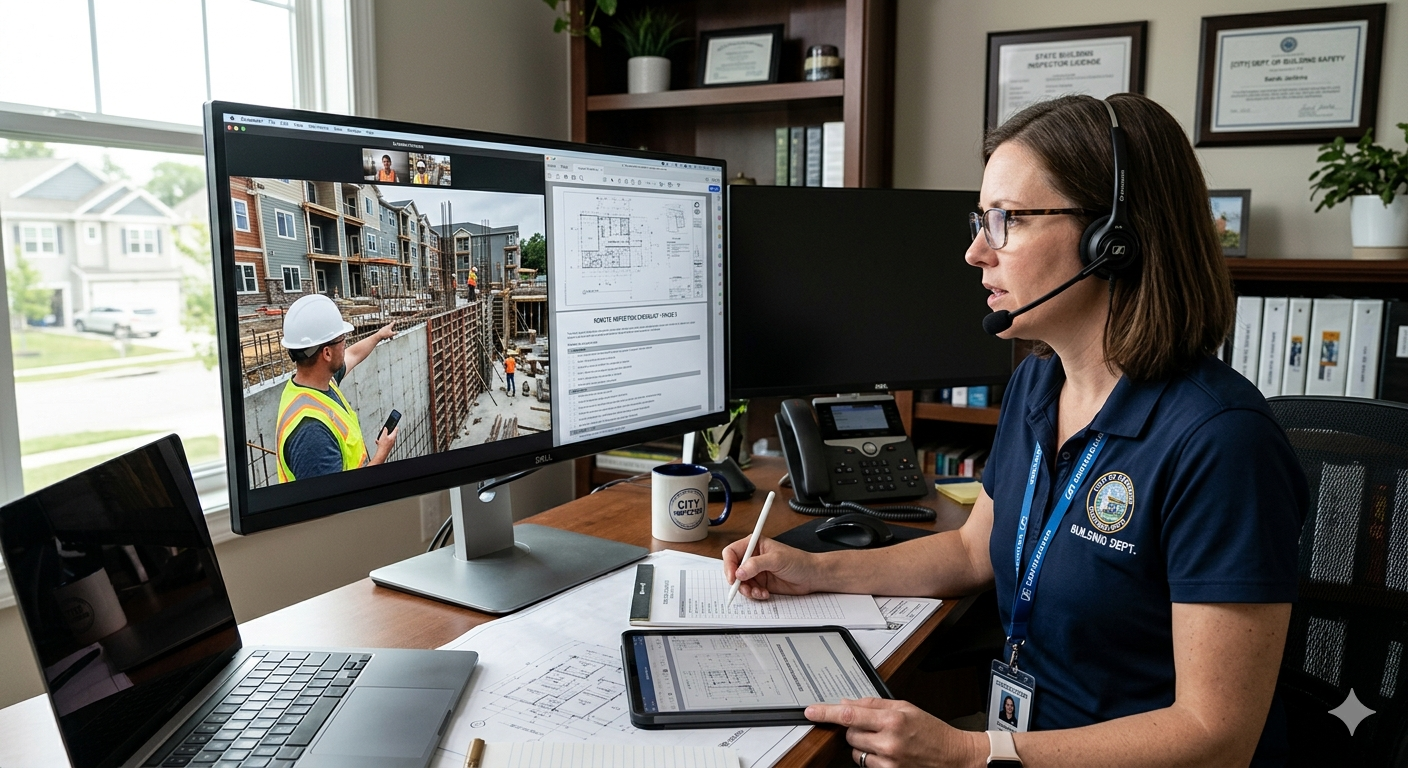
Remote video inspections add a critical visual layer to virtual commissioning. While simulations and control-logic testing occur digitally, remote video allows engineers and stakeholders to see the real equipment in real time, even when they are not physically present.
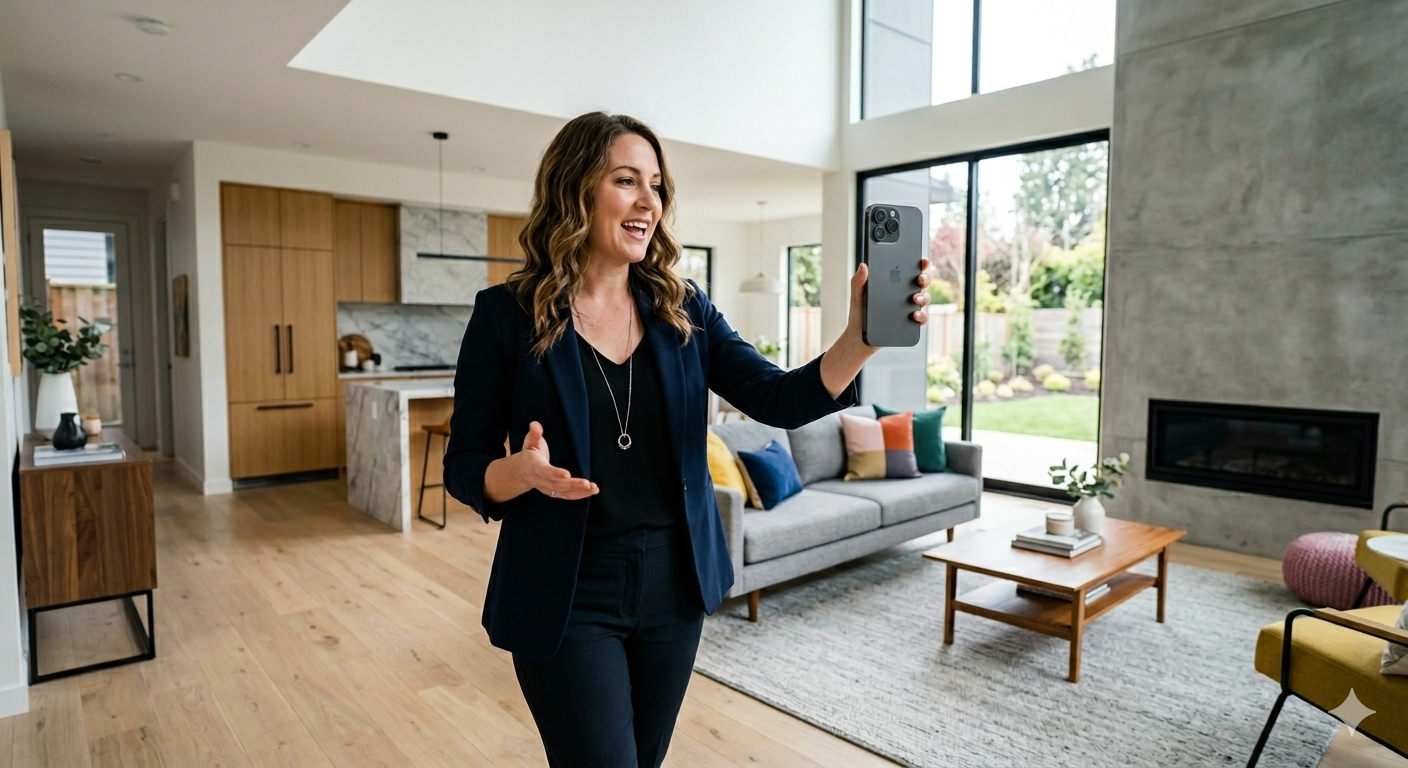
Using smartphones, tablets, fixed cameras, or wearable devices, on-site personnel can stream live video to remote experts. These experts can guide inspections, request close-ups of components, and validate installation or performance visually.
This approach bridges the gap between virtual models and physical reality.
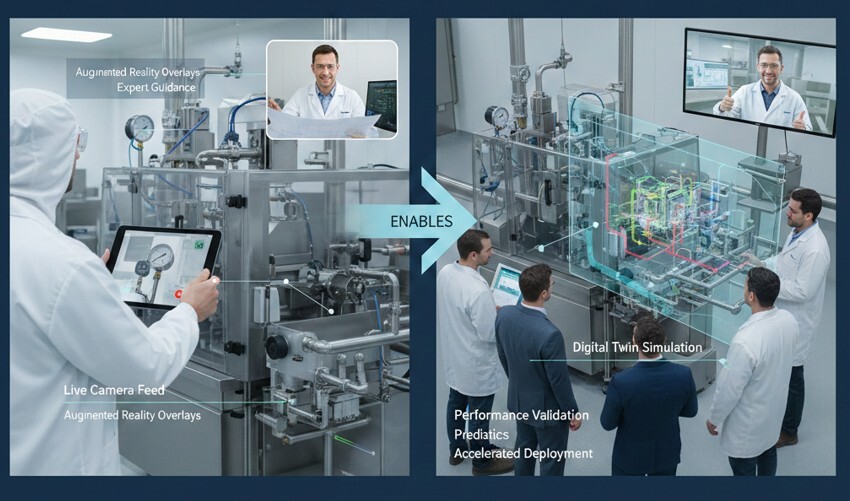
How Remote Video Inspections Enable Virtual Commissioning
Remote video inspections enhance virtual commissioning in several key ways.
Verifying Physical Installation Against Digital Models
One of the biggest risks in commissioning food equipment is mismatch between the design model and the actual installation. Components may be installed incorrectly, sensors misaligned, or wiring routed differently than expected.
With remote video inspections, engineers can:
-
Compare live visuals with digital drawings or 3D models
-
Confirm component placement, clearances, and orientations
-
Identify installation errors early, before equipment is powered up
This visual confirmation supports a smoother transition from virtual tests to real-world operation.
Testing Control Logic with Real Equipment Feedback
Virtual commissioning often involves testing PLC or control software in a simulated environment. Remote video inspections allow teams to extend this testing to the physical equipment without full on-site presence.
For example:
-
A technician runs a test cycle on a commercial oven
-
A remote engineer watches live video of door actuators, heating elements, and indicator lights
-
Control logic adjustments are made in real time based on visual feedback
This hybrid approach combines digital validation with physical observation, reducing commissioning time significantly.
Validating Safety and Compliance Requirements
Food equipment must meet strict safety and hygiene standards. Remote video inspections help validate these requirements during commissioning by allowing specialists to visually inspect:
-
Emergency stop functionality
-
Guarding and access panels
-
Cleanability and sanitation zones
-
Proper labeling and safety signage
Because inspections are recorded, they can also serve as documentation for compliance audits and quality assurance records.
Reducing On-Site Commissioning Time
Traditional commissioning often requires multiple site visits from manufacturers, integrators, or third-party specialists. Remote video inspections dramatically reduce this need.
Instead of waiting for travel schedules to align:
-
Remote experts join inspections instantly
-
Issues are identified and resolved faster
-
Fewer return visits are required
For food equipment installed across multiple locations, this can translate into substantial cost savings and faster rollout timelines.
Real-World Use Cases in Food Equipment
Remote video inspections paired with virtual commissioning are already being used across the broader industrial and food equipment landscape.
Automated Food Processing Lines
In automated processing environments, equipment must operate in precise sequences. Remote video inspections allow engineers to watch conveyor flows, robotic movements, and sensor responses during test runs, even when the line is located in another country.
Issues such as product misalignment or timing errors can be identified visually and corrected before full production begins.
Commercial Kitchen Equipment Deployment
Large commercial kitchens and food service chains often deploy identical equipment across multiple sites. Virtual commissioning supported by remote video inspections allows teams to standardize commissioning procedures and remotely validate installations, ensuring consistency across locations.
Packaging and Filling Systems
Packaging machines rely on precise calibration and synchronization. Remote video enables engineers to visually inspect sealing mechanisms, labeling accuracy, and material handling while commissioning software logic remotely.
This approach minimizes production delays and reduces the risk of product waste during initial startup.
Key Benefits for Food Equipment Manufacturers and Operators
The combination of remote video inspections and virtual commissioning delivers tangible benefits:
-
Faster commissioning and deployment
-
Lower travel and labor costs
-
Early detection of installation or configuration issues
-
Improved collaboration between teams
-
Better documentation and traceability
-
Reduced downtime during go-live
For food equipment manufacturers, this also improves customer satisfaction by delivering systems that work as expected from day one. See how flexible Blitzz pricing is for food service equipment inspections and virtual commissioning needs.
How Blitzz Enables Remote Video Inspections for Virtual Commissioning
Remote video inspections are only as effective as the technology behind them. This is where platforms like Blitzz play a critical role in enabling practical, scalable virtual commissioning for food equipment.
Blitzz is a browser-based remote video inspection and collaboration platform that allows engineers, technicians, and operators to connect instantly — without requiring complex software installations. Using a simple link, on-site personnel can stream live video from a smartphone, tablet, or desktop camera directly to remote experts. This makes it easy to visually inspect food equipment during installation, testing, and commissioning, regardless of location.
During virtual commissioning, Blitzz enables remote teams to:
-
Observe equipment behavior in real time
-
Guide on-site technicians through inspection steps
-
Capture images and recordings for documentation
-
Identify issues early without waiting for physical site visits
Related post: Virtual Inspection Software for Commercial Kitchen
What Makes Blitzz Unique?
A key differentiator is Blitzz’s co-browsing capability, which extends collaboration beyond video alone. Co-browsing allows remote experts and on-site teams to view and interact with the same digital interfaces simultaneously. This is especially valuable during commissioning when working with:
-
Control dashboards and HMIs
-
Configuration screens
-
Digital manuals, wiring diagrams, or commissioning checklists
-
Cloud-based monitoring or control platforms
By combining live video inspection with co-browsing, teams can align visual confirmation of physical equipment with real-time review of software settings and system data. For example, an engineer can watch a machine operate via video while simultaneously reviewing control parameters or diagnostics through co-browsing, ensuring that physical performance and digital configuration match.
Why this matters for food service equipment teams
Blitzz can connect with the tools you’re already using to manage customers, service tickets, and equipment issues. It fits into your existing software setup instead of forcing you to change how you work, such as:
Your team can start a live video inspection with a customer or technician without switching apps
No added steps!
Blitzz plugs into your existing systems so remote video inspections become part of your normal workflow—not an extra step.
- Faster troubleshooting without onsite visits
- Fewer back-and-forth emails or photos
- Better documentation for compliance and commissioning
- Smoother coordination between sales, service, and operations
For food equipment manufacturers and operators, this integrated approach reduces commissioning time, minimizes errors, and improves collaboration — all while maintaining the flexibility to commission systems remotely and securely. Book a demo with us to see it in action.