
.png?width=120&height=55&name=Blitzz-Logo-right%20white%20eyes%20-%20not%20transparent%20(3).png)
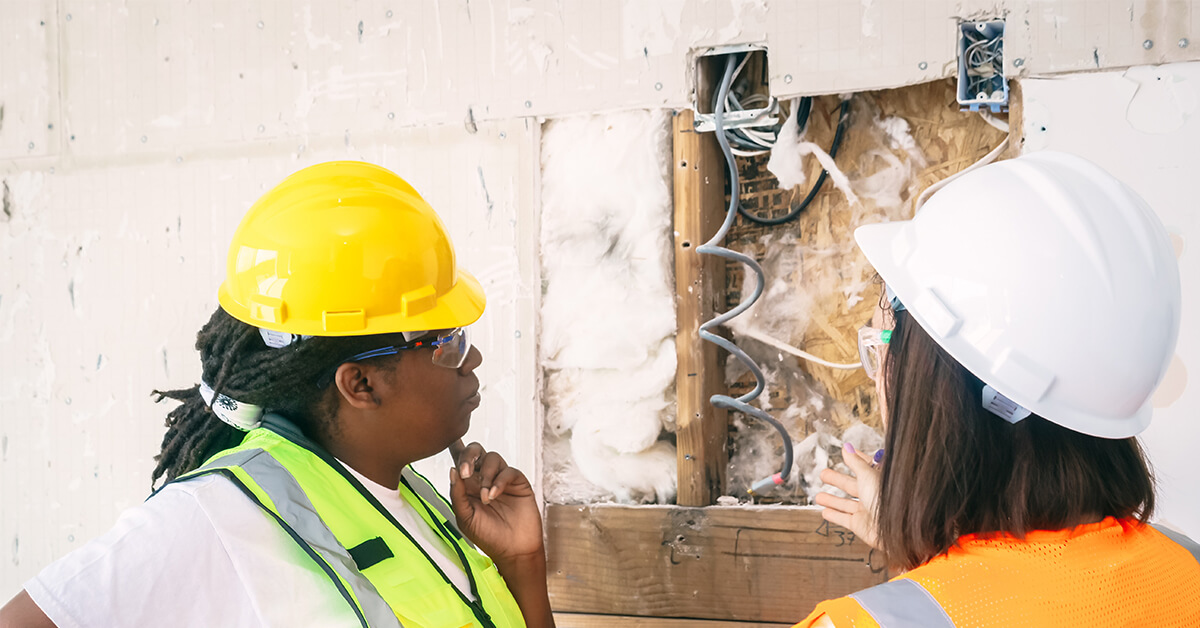
Government agencies today are under constant pressure to process permits quickly while still meeting strict compliance requirements. As demand continues to grow, inspection teams are expected to keep up—often with limited staff, tight schedules, and increasing workloads.
At the same time, traditional inspections are becoming harder to manage. On-site visits take time to schedule, require travel, and depend heavily on inspector availability. Even small delays—like missed appointments or rescheduling—can slow down entire projects.
Over time, these challenges add up. Backlogs grow, documentation can become inconsistent, and inspectors are stretched thin trying to cover more ground than ever before. For citizens and contractors, this often means longer wait times and unnecessary frustration.
To keep things moving, governments are starting to look for more practical and scalable solutions—ways to maintain compliance without slowing everything down.
This is where remote video inspections are changing how governments operate.
What Are Remote Video Inspections in Government?
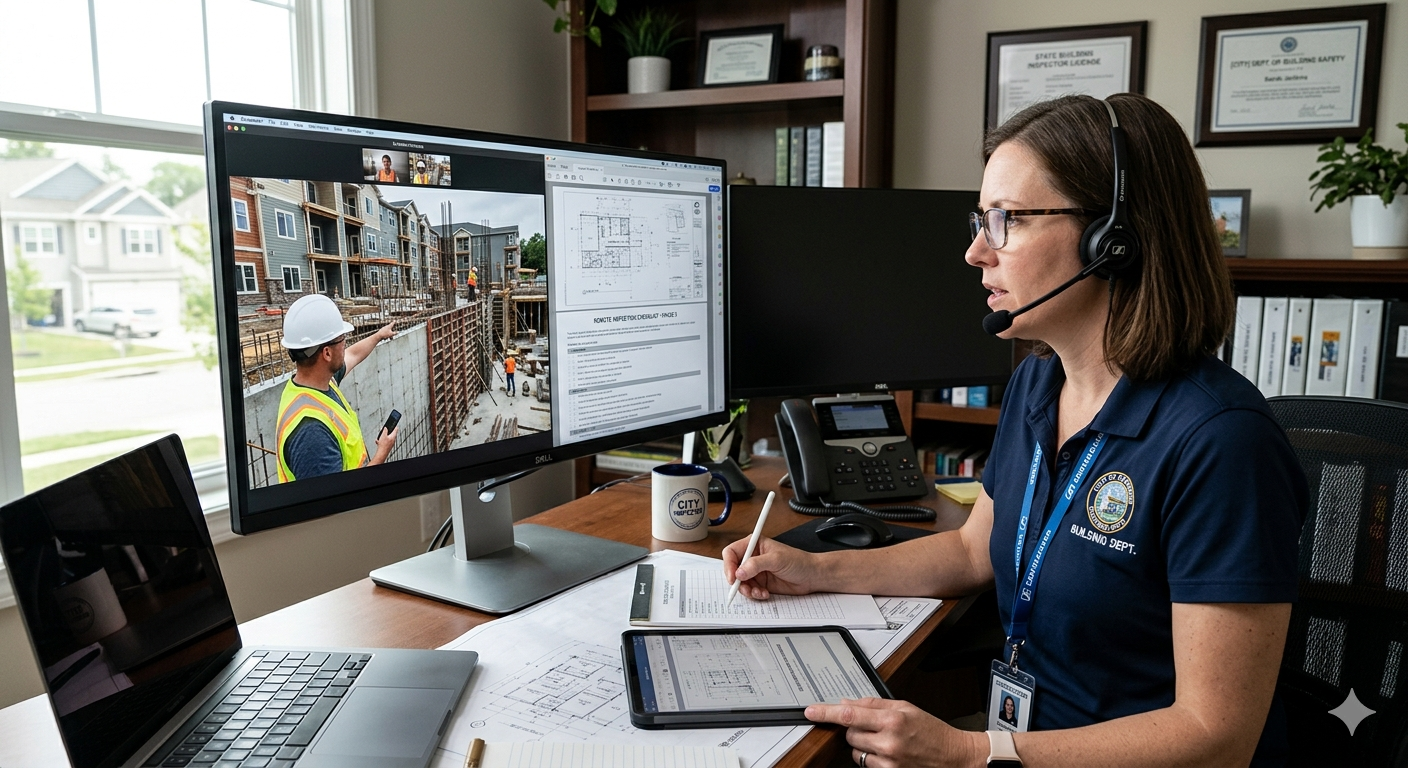
Remote video inspections for government refer to the use of live video and digital tools to conduct inspections without requiring inspectors to be physically on-site. Instead of scheduling in-person visits, inspectors can assess conditions in real time through secure video sessions or review submitted photos and recordings. This approach is becoming an essential part of modern permitting and code enforcement workflows.
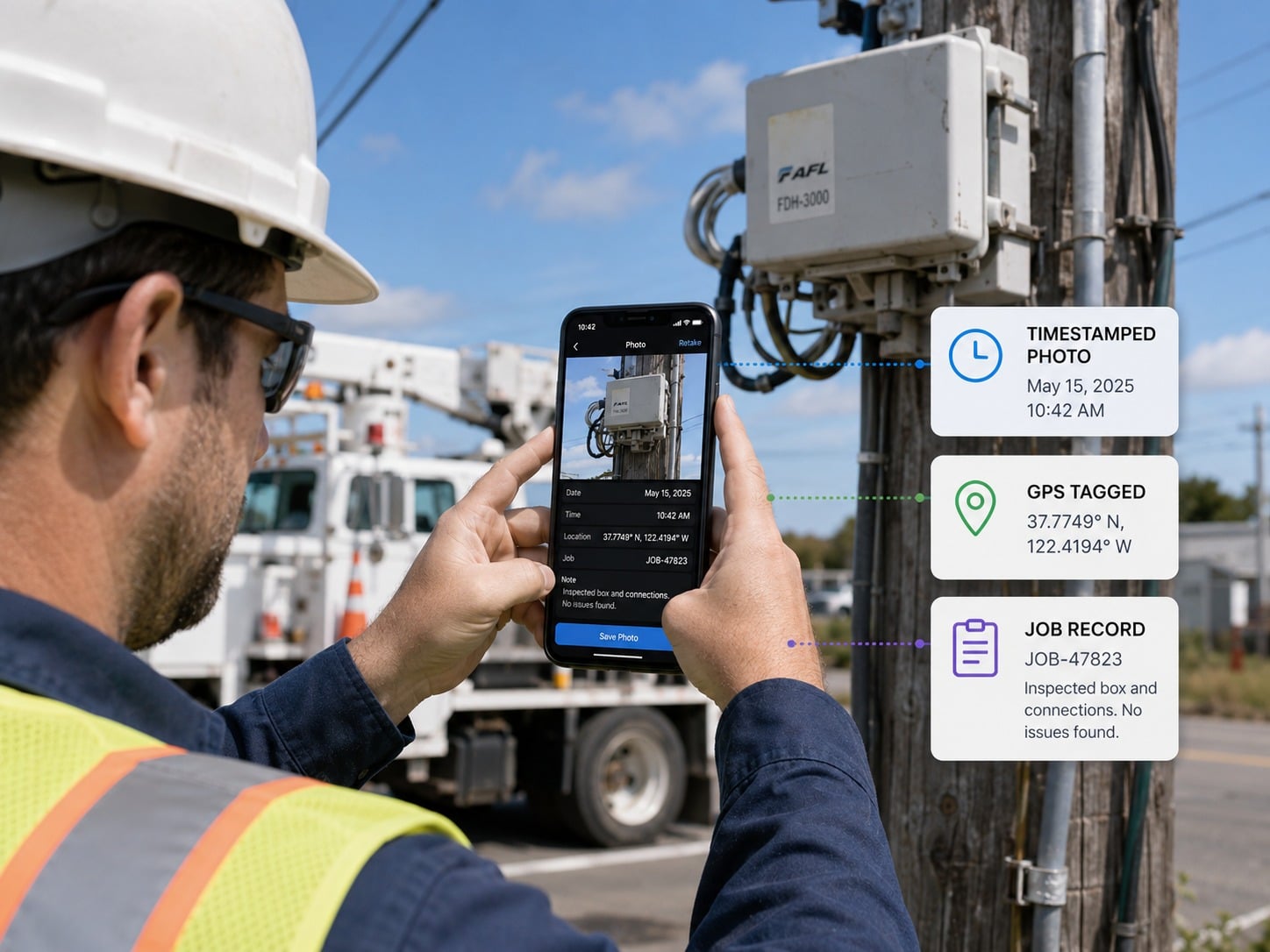
In practice, remote video inspections combine both live and asynchronous capabilities. Inspectors can guide contractors or citizens during a live video call, ensuring that specific areas are properly reviewed. At the same time, users can capture and submit photos, videos, and annotations—complete with timestamps and geo-tagging—for later review. This flexibility makes digital permitting inspections faster and more efficient.
Another key advantage is accessibility. Many platforms offer no-app access, allowing citizens and contractors to join inspections through a simple link without downloading additional software. This reduces friction and makes adoption easier across different user groups.
Importantly, remote video inspections for government can integrate directly with permitting systems like Accela. Inspection data, images, and reports are automatically synced into official records, supporting compliance, documentation, and faster approval processes.
The Problem with Traditional Government Inspections
Traditional government inspection processes often create bottlenecks that slow down entire workflows. Inspection backlogs are common, especially when demand increases and available inspectors cannot keep pace. This leads to longer approval cycles, delaying permits and holding up construction or compliance timelines.
Operational costs also add up quickly. Travel time, fuel, and manpower requirements make on-site inspections expensive and difficult to optimise. In many cases, inspectors spend more time moving between locations than actually conducting inspections, reducing overall efficiency.
Documentation can also become inconsistent. Without standardised digital tools, records may be incomplete, difficult to track, or lacking proper audit trails—creating challenges during compliance reviews or audits. At the same time, traditional systems are not designed to scale, making it difficult for agencies to handle peak demand without further delays.
The impact is felt not only internally but also by the public. A single missed inspection can delay an entire project, affecting contractors, homeowners, and businesses alike. Over time, these inefficiencies lead to frustration, reduced trust, and slower service delivery across the board.
How Remote Video Inspections Transform Permitting & Code Enforcement
Inspection Backlogs and Long Approval Cycles
Traditional government inspection processes often create bottlenecks that slow down entire workflows. Inspection backlogs are common, especially when demand increases and available inspectors cannot keep pace. This leads to longer approval cycles, delaying permits and holding up construction or compliance timelines.
High Operational Costs (Travel and Manpower)
Operational costs add up quickly with traditional inspections. Travel time, fuel, and manpower requirements make on-site visits expensive and difficult to optimise. In many cases, inspectors spend more time moving between locations than actually conducting inspections, reducing overall efficiency.
Inconsistent Documentation and Audit Trails
Documentation can become inconsistent without standardised digital tools. Records may be incomplete, difficult to track, or lacking proper audit trails. This creates challenges during compliance reviews or audits and increases the risk of errors or missing information.
Limited Scalability During Peak Demand
Traditional inspection systems are not designed to scale efficiently. When demand increases, agencies struggle to keep up without adding more resources, which often leads to further delays and operational strain.
Citizen Frustration and Project Delays
The impact is not only internal but also public-facing. A single missed inspection can delay an entire project, affecting contractors, homeowners, and businesses alike. Over time, these inefficiencies lead to frustration, reduced trust, and slower service delivery.
The Problem with Traditional Government Inspections
Traditional government inspection processes often create bottlenecks that slow everything down—from approvals to project completion. When inspection requests pile up and inspectors can’t keep pace, backlogs form quickly, leading to long approval cycles that frustrate both agencies and the public.
High Operational Costs (Travel, Manpower)
Traditional inspections require inspectors to travel from site to site, consuming time, fuel, and manpower. In many cases, more time is spent on the road than actually conducting inspections, making the entire process costly and inefficient for agencies.
Inconsistent Documentation and Audit Trails
Without standardised digital tools, inspection records can vary in quality and completeness. Missing details, unclear notes, or lack of proper documentation make it difficult to track compliance, especially during audits or when disputes arise.
Limited Scalability During Peak Demand
When demand spikes—such as during construction booms or seasonal surges—traditional systems struggle to keep up. Agencies cannot easily scale resources, leading to longer wait times, overwhelmed inspectors, and growing inefficiencies.
Citizen Frustration and Delays in Projects
The delays don’t just affect internal operations—they impact the public directly. A single missed inspection can delay an entire project, affecting contractors, homeowners, and businesses. Over time, this leads to frustration, reduced trust, and slower economic activity.
How Remote Video Inspections Transform Permitting & Code Enforcement
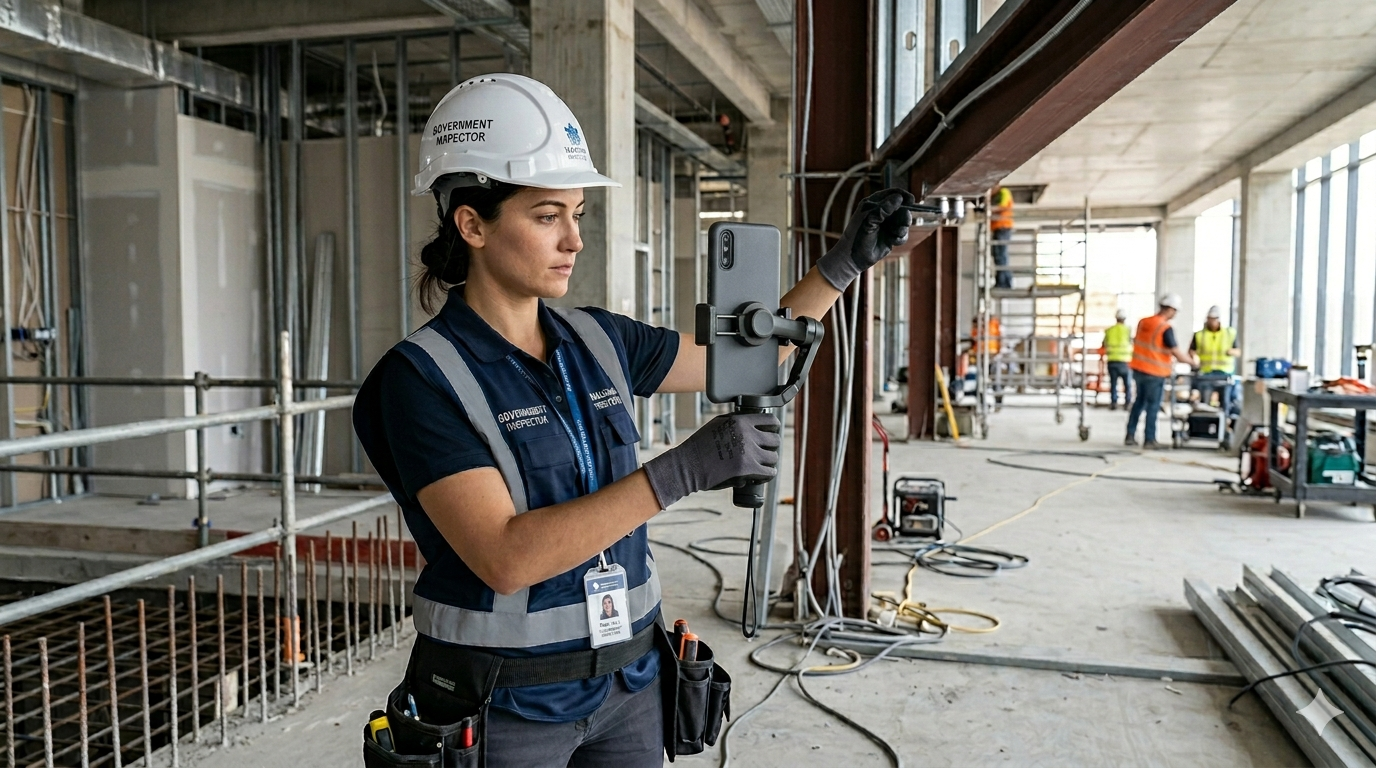
The shift from traditional inspections to remote video inspections is more than just a technology upgrade—it’s a complete transformation in how governments operate. Instead of slow, manual processes, agencies can move toward faster, smarter, and more scalable workflows that benefit both inspectors and the public.
Faster Inspections Without Travel
Remote video inspections eliminate the need for inspectors to travel between sites. Instead of spending hours on the road, inspections can be conducted instantly through a secure link. This means more inspections are completed per day and significantly reduced delays.
Real-Time Decision-Making via Live Video
With live video, inspectors can assess conditions in real time, ask questions, and provide instant guidance to on-site personnel. There’s no need for back-and-forth communication or waiting for follow-ups—decisions can be made on the spot, speeding up approvals.
Better Documentation with Geo-Tagging and Timestamps
Every inspection can be automatically documented with geo-tagged photos, timestamps, and recorded sessions. This creates a clear, verifiable audit trail, making compliance easier and reducing disputes or missing information.
Reduced Backlogs and Improved Throughput
By removing travel time and streamlining workflows, agencies can handle a higher volume of inspections without increasing staff. Backlogs shrink, approval cycles accelerate, and overall throughput improves.
Increased Transparency and Accountability
Digital records, recorded sessions, and structured reports create greater transparency for all stakeholders. Inspectors, contractors, and agencies have clear visibility into each inspection, improving accountability and trust.
Traditional vs Remote Video Inspections
| Aspect | Traditional Inspections | Remote Video Inspections |
|---|---|---|
| Speed | Delayed due to travel and scheduling | Faster, on-demand inspections |
| Decision-Making | Often delayed, requires follow-ups | Real-time, immediate decisions |
| Documentation | Manual, inconsistent records | Automated, geo-tagged, time-stamped |
| Efficiency | Limited inspections per day | Higher inspection volume daily |
| Transparency | Limited visibility and tracking |
Full visibility with digital records |
Key Benefits for Government Agencies
Remote video inspections don’t just improve processes—they deliver measurable outcomes that directly impact efficiency, compliance, and public satisfaction. Here’s how agencies benefit:
- Faster Permit Approvals
Inspections can be completed sooner without scheduling delays or travel time, accelerating approval cycles and keeping projects moving forward without unnecessary hold-ups. - Reduced Inspection Costs
Eliminating travel reduces fuel, vehicle maintenance, and manpower costs—allowing agencies to do more with the same or even fewer resources. - Improved Compliance and Audit Readiness
Digital records with timestamps, geo-tags, and video documentation create strong audit trails, making compliance easier and reducing risk during reviews or disputes. - Increased Inspector Productivity
Inspectors can complete more inspections per day by removing downtime between locations, maximising their output and overall efficiency. - Better Citizen Experience
Faster approvals and fewer delays mean contractors, homeowners, and businesses experience smoother, more predictable processes—improving trust in public services. - Scalable Inspection Workflows
Agencies can easily handle spikes in demand without needing to rapidly expand staff, ensuring consistent service even during peak periods.
Use Cases Across Government Departments
Remote video inspections can be applied across multiple departments, helping agencies streamline operations while maintaining compliance and service quality.
- Building and Construction Inspections
Inspect structural progress, site conditions, and code compliance remotely, reducing delays and keeping construction projects on schedule. - Electrical and Plumbing Permits
Verify installations, connections, and safety standards in real time without requiring inspectors to be physically on-site. - Fire Safety and Compliance Checks
Conduct routine fire safety inspections, equipment checks, and compliance reviews efficiently through guided video assessments. - Health and Sanitation Inspections
Monitor cleanliness, food safety practices, and sanitation standards in restaurants, facilities, and public spaces remotely. - Code Enforcement and Violations
Review reported violations, document issues, and guide corrective actions without needing immediate on-site visits.
Compliance & Legal Considerations
For government agencies, adopting remote inspections isn’t just about efficiency—it must meet strict legal, compliance, and documentation standards. The right platform ensures every inspection is not only faster, but fully defensible and audit-ready.
- Documentation Requirements
Inspections must be properly documented with clear, structured records that include findings, outcomes, and supporting evidence. Incomplete or informal documentation can lead to compliance risks and disputes. - Audit Trails and Record Keeping
Every inspection should generate a traceable audit trail—who conducted it, when it happened, what was reviewed, and what decisions were made. This is critical for transparency, accountability, and future reference. - Secure Data Handling
Sensitive data must be securely captured, stored, and shared. Government agencies require platforms that support encrypted communication, controlled access, and compliance with data protection standards. - Regulatory Alignment (e.g., Florida HB 667)
Laws such as Florida HB 667 mandate that agencies accept digital inspection requests, support virtual inspections, and provide documented, code-referenced outcomes within specific timeframes. Compliance is no longer optional—it’s required. - Why FaceTime or WhatsApp Are Not Compliant
While convenient, consumer tools like FaceTime or WhatsApp lack structured reporting, audit trails, and secure record-keeping. They don’t provide the documentation standards needed for regulatory compliance, making them unsuitable for official inspections.
Integrating Remote Video Inspections with Accela
For agencies already using Accela, integrating remote video inspections creates a seamless, end-to-end workflow—without disrupting existing systems. Instead of managing inspections separately, everything flows directly into your current records and processes.
- Sync Inspection Data Directly to Accela Records
Inspection results, notes, and outcomes are automatically linked to the correct permit or case in Accela, eliminating manual data entry and reducing errors. - Live Video + Captured Evidence Stored Automatically
Every session—along with geo-tagged images, timestamps, and recorded footage—is securely stored and attached to the corresponding record, ensuring complete and verifiable documentation. - Faster Approvals with Complete Documentation
With all required evidence captured in one place, reviewers can make quicker, more confident decisions—accelerating approval timelines without sacrificing compliance. - Seamless Workflow for Inspectors and Administrators
Inspectors can initiate live video inspections directly from their workflow, while administrators gain real-time visibility into progress, reports, and outcomes across all inspections.
Real-World Impact (Mini Case Scenario)
Imagine a city handling over 150,000 inspections annually—ranging from building permits to safety compliance checks. With traditional processes, inspection backlogs continue to grow, approvals take weeks, and both inspectors and citizens feel the strain.
By adopting remote video inspections, the city transforms its workflow almost immediately. Inspectors can complete more inspections per day without travel, reducing backlog significantly and freeing up resources for higher-priority cases. What once took days—or even weeks—can now be reviewed and approved within hours.
Turnaround times improve across the board. With real-time video assessments and complete digital documentation, decisions are made faster and with greater confidence. There’s no need for repeated site visits or missing paperwork slowing things down.
The biggest shift, however, is in citizen experience. Contractors, homeowners, and businesses no longer face long delays or uncertainty. Projects move forward faster, communication becomes clearer, and trust in the system improves.
In short, it’s not just about doing inspections differently—it’s about delivering faster services, reducing operational pressure, and creating a more efficient, citizen-focused government.
Challenges & How to Overcome Them
While remote video inspections offer clear advantages, successful adoption requires addressing a few common challenges head-on. Acknowledging these builds trust—and shows agencies what it really takes to implement the shift effectively.
- Resistance to Adopting New Technology
Change can be difficult, especially for teams used to traditional workflows. Inspectors may hesitate to rely on new tools, particularly if they feel it will complicate their process or reduce accuracy. - Training Inspectors
Introducing new systems requires proper onboarding. Without clear guidance and support, teams may struggle to fully utilise the platform, limiting its potential impact. - Connectivity Concerns
Not all inspection sites have stable internet access. This can raise concerns about whether remote inspections can be completed reliably in the field. - Data Security Concerns
Government agencies must ensure that all data—especially inspection records and citizen information—is securely handled, stored, and compliant with regulations.
How Modern Platforms Solve These Challenges
Modern platforms like Blitzz are designed with these real-world challenges in mind. With no-app, browser-based access, inspectors and citizens can join sessions easily—reducing resistance and simplifying adoption.
Built-in onboarding workflows and intuitive interfaces make training faster and more effective, helping teams get up to speed quickly. Offline capture capabilities ensure inspections can still be conducted even in low-connectivity environments, with data syncing automatically once a connection is restored.
On the security side, structured data handling, encrypted sessions, and complete audit trails ensure compliance with government standards. Combined with automated documentation and reporting, agencies can confidently transition to remote inspections—without compromising reliability, security, or control.

The Future of Government Inspections
Government inspections are rapidly evolving as agencies embrace digital transformation and smarter technologies. The future isn’t just about doing inspections remotely—it’s about building intelligent, connected systems that improve decision-making and service delivery.
- AI-Assisted Inspections
AI will support inspectors by identifying issues, flagging compliance risks, and guiding assessments in real time—reducing human error and improving consistency. - Automated Reporting and Summaries
Inspection reports will be generated instantly using AI, capturing key findings, actions, and outcomes without manual effort—saving time and improving accuracy. - Fully Digital Permitting Ecosystems
From application to approval, the entire permitting process will become fully digital—integrating inspections, documentation, and approvals into a single streamlined workflow. - Hybrid Inspections (Remote + On-Site)
Agencies will adopt a flexible model—using remote inspections for speed and efficiency, while reserving on-site visits for complex or high-risk cases.
As cities move toward becoming smarter and more connected, remote video inspections will play a key role in enabling faster services, data-driven decisions, and scalable public infrastructure.
Conclusion
Remote video inspections are no longer a “nice-to-have”—they’re becoming essential for modern government operations. As demand increases and expectations rise, agencies need scalable, compliant, and digital solutions that can keep up.
By reducing delays, improving documentation, and enabling faster approvals, remote inspections help governments deliver better services while optimising internal operations. The result is a more efficient system that benefits both agencies and the communities they serve.
Ready To Get Started
Ready to modernize your inspection process? Book a Blitzz demo to see remote video inspections in action. Discover how it integrates seamlessly with Accela, improves efficiency, and ensures compliance. Explore pricing or request a personalised walkthrough today—and start delivering faster approvals and better service for your community.
.jpg)