
.png?width=120&height=55&name=Blitzz-Logo-right%20white%20eyes%20-%20not%20transparent%20(3).png)

Across industries, contact centers are moving away from traditional, centralized operations and shifting toward more flexible, distributed support models. Whether driven by scalability, resilience, or rising customer expectations, one thing is clear: remote support is no longer optional — it's the new standard.
Why Contact Centers Are Shifting to Remote Support
The modern customer expects instant, seamless support — regardless of where your team is located. At the same time, businesses are adapting to new realities:
- Embracing hybrid and remote workforces
- Reducing reliance on physical call centers
- Scaling support teams across multiple locations
This shift is happening alongside rapid advancements in automation, AI, and cloud-based platforms, transforming how customer service operates. Many contact centers now prioritize flexibility, real-time data, and distributed operations as core capabilities — not optional upgrades.
The Biggest Challenges of Adopting New Customer Service Technology
Slow Agent Onboarding
Most customer service platforms promise efficiency — but come with complexity. New tools often require lengthy onboarding processes, extensive training sessions, and steep learning curves for agents. During this transition, productivity drops and support quality can suffer. For contact centers already under pressure, this delay is costly.
Lack of Visual Context During Support Calls
This is where most customer service technology falls short. Traditional support channels — phone, chat, and email — rely entirely on customer descriptions, leading to:
- Misunderstandings and incomplete information
- Incorrect troubleshooting steps
- Repeated back-and-forth exchanges
"You can't solve what you can't see."
Learn how visual remote assistance is improving customer experience in contact centers.
Longer Resolution Times
Without visual clarity, support becomes a back-and-forth process. Agents need to ask multiple follow-up questions, clarify issues repeatedly, and escalate cases unnecessarily. The result: longer handle times, lower first-call resolution rates, and frustrated customers. Even with increased investment in AI and automation, many organizations still struggle to improve actual resolution outcomes — not just response times.
Maintaining Customer Satisfaction During Transition
Adopting new customer service technology often introduces temporary friction — inconsistent service experiences, longer wait times, and overwhelmed agents. Studies show that even as technology improves, customer expectations continue to rise, making it harder for contact centers to deliver consistent experiences across channels.
Learn more about how empathy can improve customer experience and satisfaction.
|
⚡ Key Insight In today's environment, customers are less tolerant than ever. Technology adoption without a seamless transition plan can erode the very satisfaction scores you're trying to improve. |
How Remote Video Support Solves These Challenges
To close the gap between technology and actual resolution, contact centers are turning to a new approach: visual customer service. Instead of relying on descriptions, agents can see the issue in real time, guide customers step-by-step, and diagnose problems instantly.
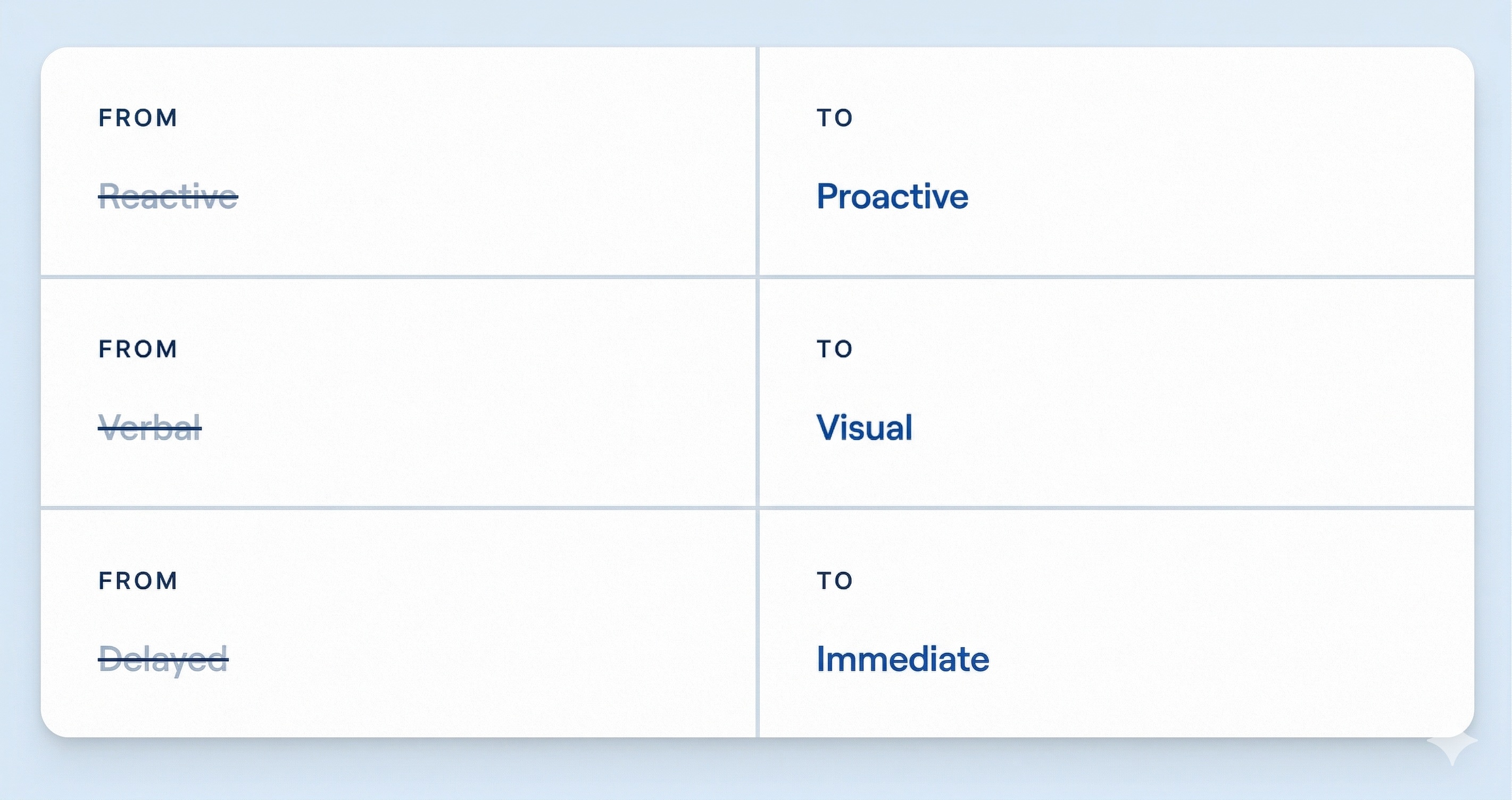
The result is faster resolutions, fewer escalations, and significantly improved customer experiences.
How Blitzz Speeds Up Onboarding for Contact Centers
Adopting new customer service technology shouldn't slow you down. That's where Blitzz changes the game.
Faster Agent Ramp-Up
Blitzz is designed for simplicity. Agents can start using the platform with minimal training, allowing teams to become productive almost immediately.
Real-Time Visual Collaboration
With live video capabilities, agents see exactly what the customer sees — eliminating guesswork and dramatically improving accuracy.
Reduced Escalations
When agents can resolve issues remotely, fewer cases need escalation, fewer technicians need to be dispatched, and operational costs decrease.
Built for Distributed Teams
Blitzz works seamlessly across remote environments — hybrid contact centers, global support teams, and rapidly scaling operations. No dependency on physical infrastructure.
Why Visual Customer Service Technology Is the Future
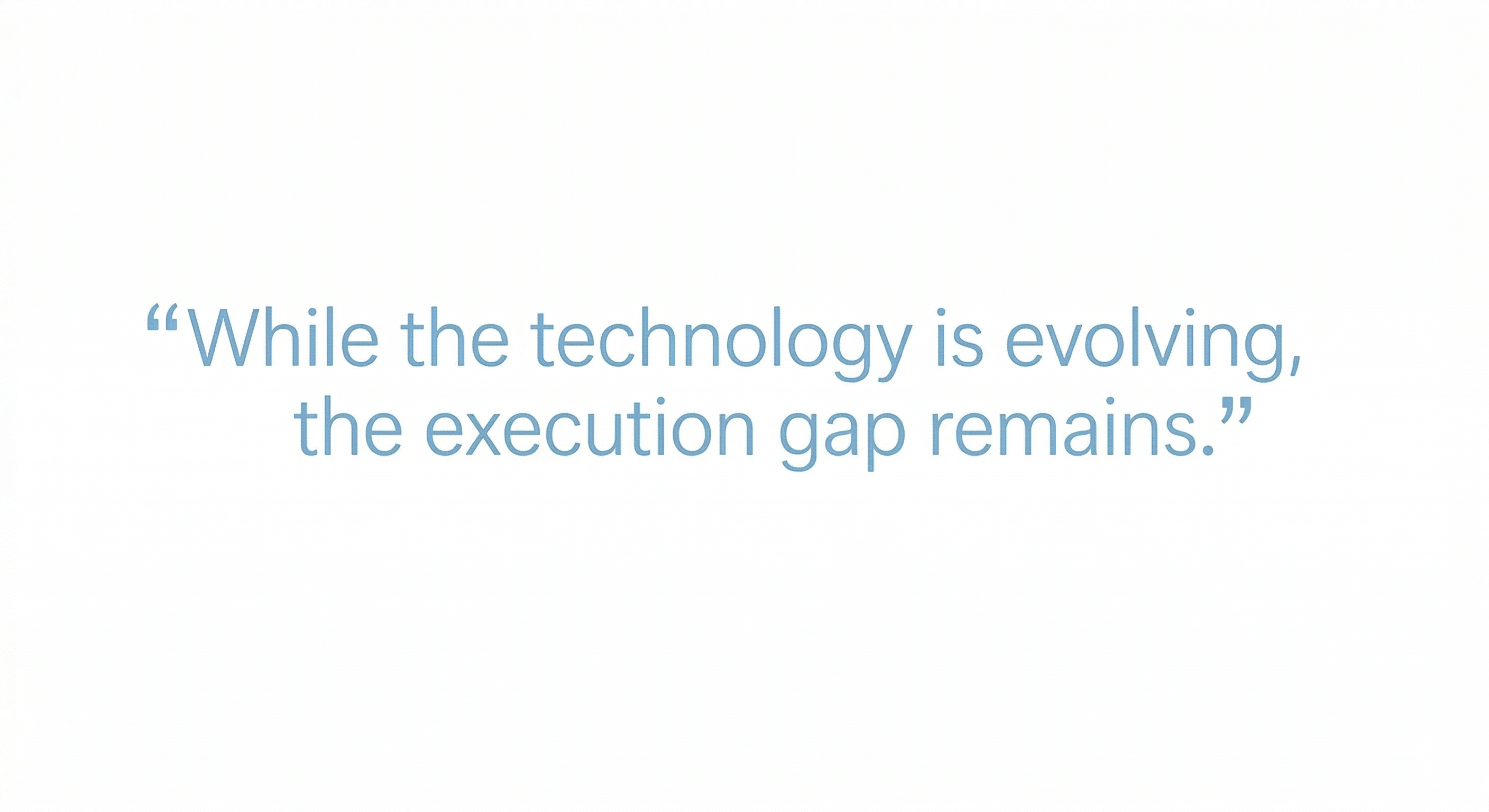
Customer service technology is evolving — but not all innovation leads to better outcomes. While AI, automation, and chatbots continue to play a major role, they still lack one critical element: context.
That's why the future of customer service isn't just about faster responses. It's about better understanding — the ability to see the issue, diagnose it accurately, and resolve it on the first interaction.
As contact centers continue to modernize, the winners will be those that move beyond traditional channels and embrace visual, real-time support as a core capability.
Blitzz Live Visual Support — Onboarding & Integration
One of the biggest hidden costs of adopting new customer service technology is the time it takes to get agents actually confident using it — and that's exactly where Blitzz Concierge changes the equation. Because the platform requires no app downloads and works as simply as opening a text message, new agents can get up and running in hours rather than weeks, without the steep learning curves that typically come with enterprise support tools.
For contact centers rolling out new technology across large teams, this matters enormously. The result is a faster, smoother technology transition where agents spend less time learning a new system and more time actually resolving customer issues — from day one.
Ready to Move Ahead — Faster?
Speed matters. Clarity matters. Experience matters. Solutions like Blitzz don't just help you keep up — they help you move ahead.
Book a demo with Blitzz