
.png?width=120&height=55&name=Blitzz-Logo-right%20white%20eyes%20-%20not%20transparent%20(3).png)

On this page
New Year, new beginnings. For construction managers, that means tackling projects with fresh strategies, smarter tools, and more efficient processes. Yet inspections—critical for quality, safety, and compliance—remain one of the biggest headaches in the industry. Travel between sites, coordinating with contractors, waiting on reports, and chasing down incomplete documentation can slow projects, increase costs, and create stress for managers and clients alike. Even small delays in spotting defects, safety hazards, or non-compliant work can cascade into costly rework, schedule overruns, and frustration across the team.
This year, it’s time to rethink how inspections are done. Remote inspection technology allows construction managers to streamline workflows, guide live video walkthroughs, capture real-time documentation, and generate instant reports—all without being physically on-site. It’s not just a tool—it’s a fresh start for 2026, enabling teams to work smarter, save time, and deliver projects safely and on schedule.
What Is a Remote Construction Inspection?
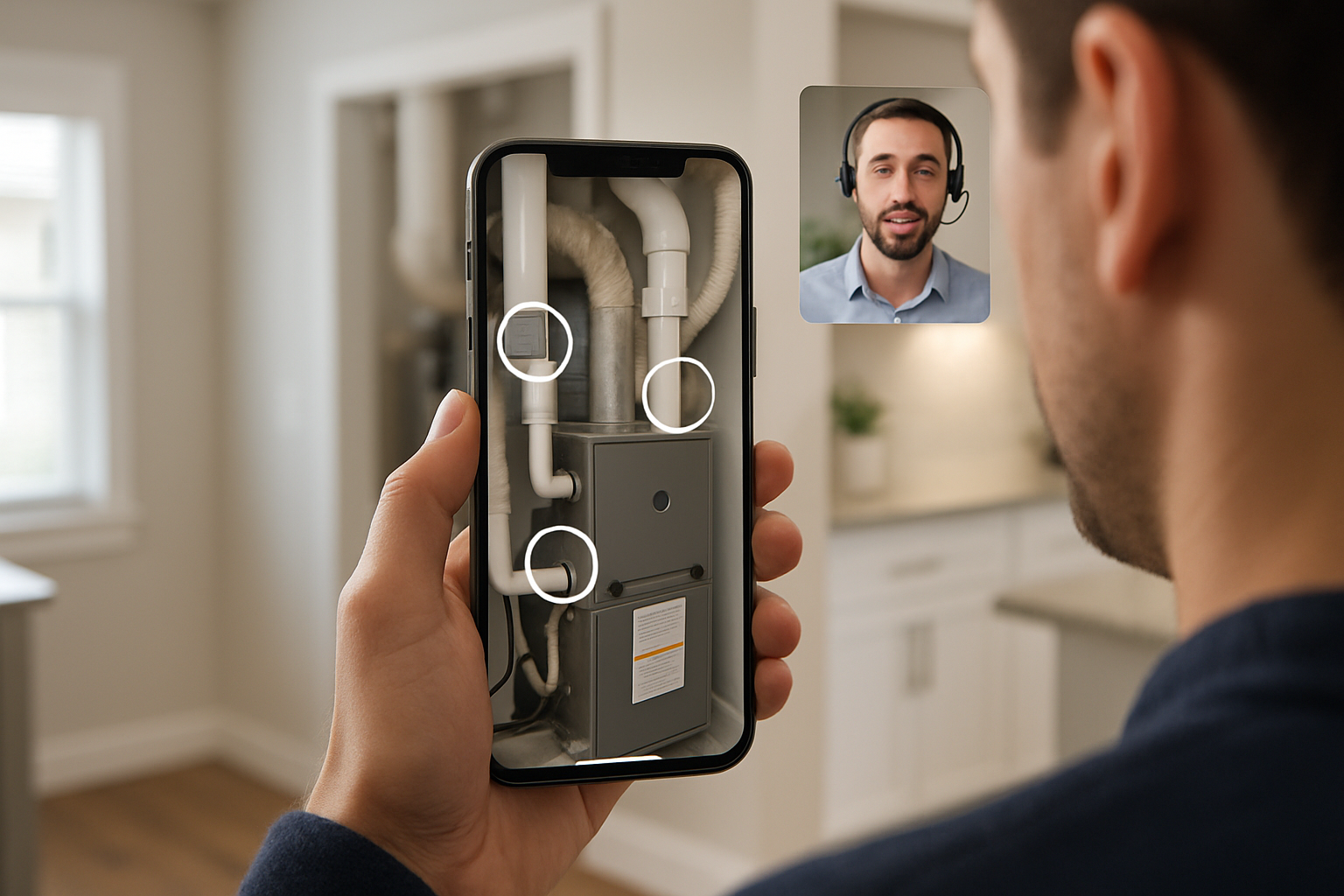
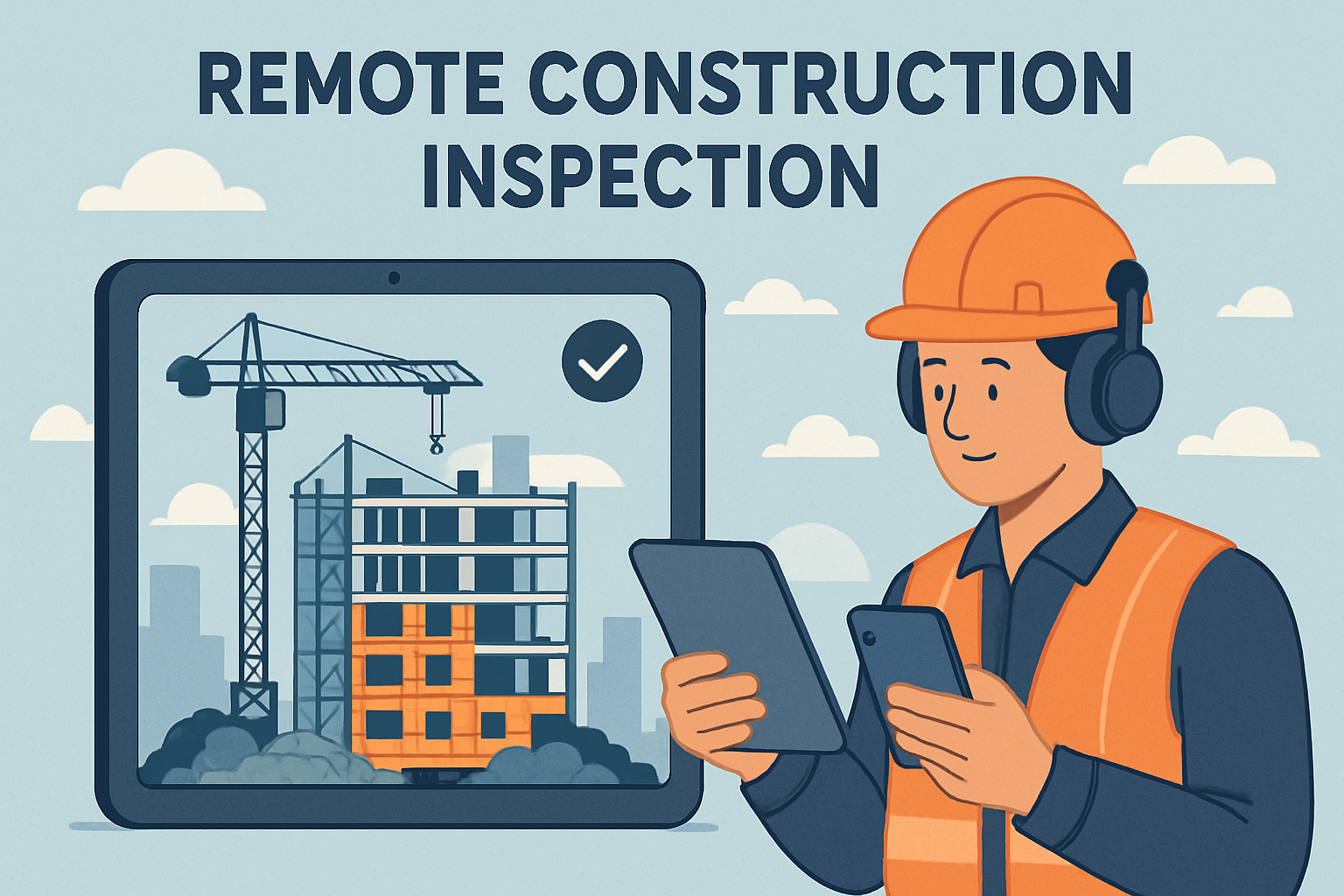
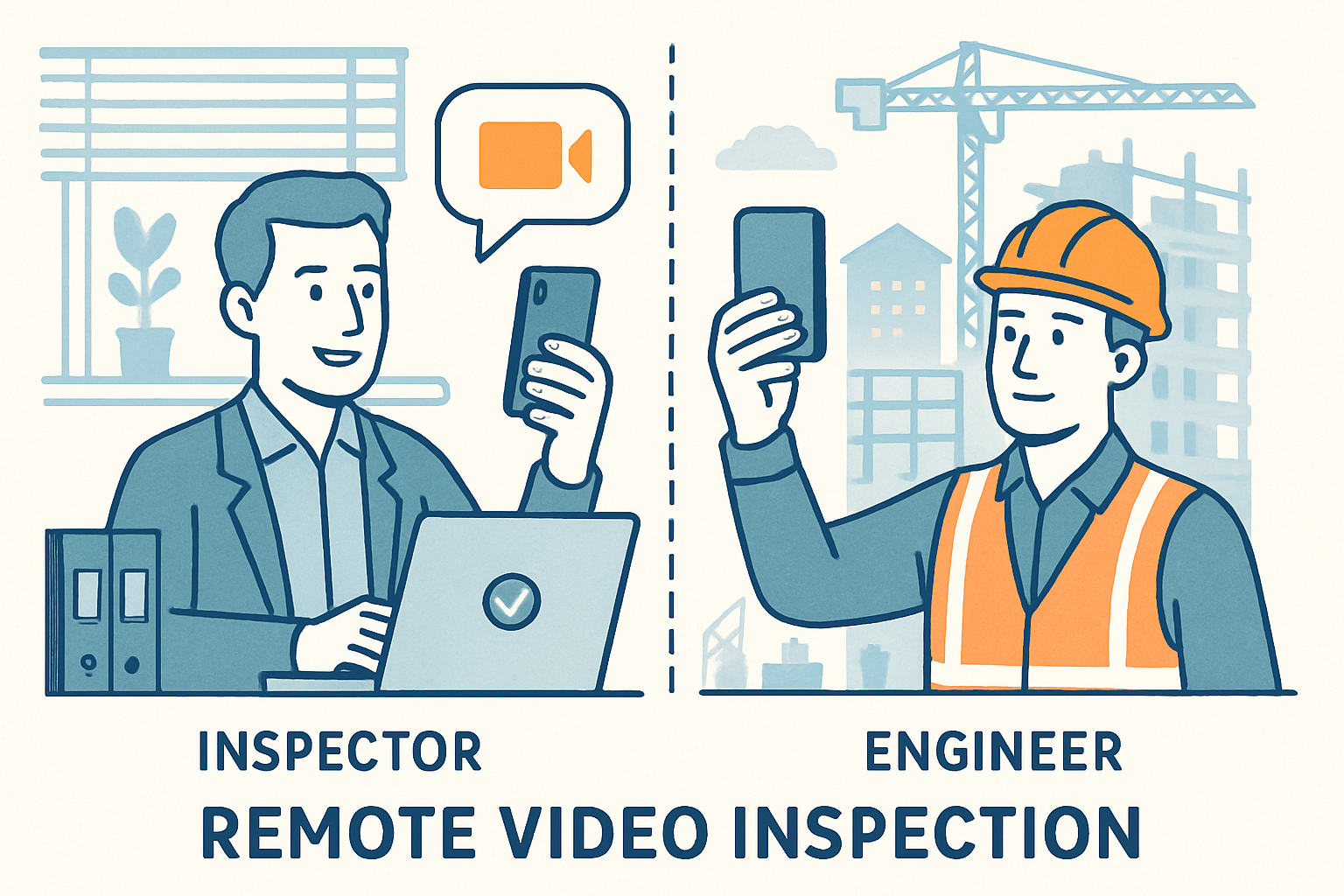
A remote construction inspection allows project managers, site supervisors, or quality control teams to assess a job site without being physically present. Using live video feeds from smartphones, tablets, or drones, managers can guide on-site staff or contractors through detailed walkthroughs, capture real-time photos and videos, and document every stage of the project.
Tools like Blitzz remote video inspection software for the construction industry can take the inspection process a step further. Instead of waiting for a physical visit or relying solely on written reports, construction teams can see the site as it is using Blitzz. You can also ask questions, request close-ups, and immediately note areas that need attention. The result is faster decision-making and clearer communication across the project team.
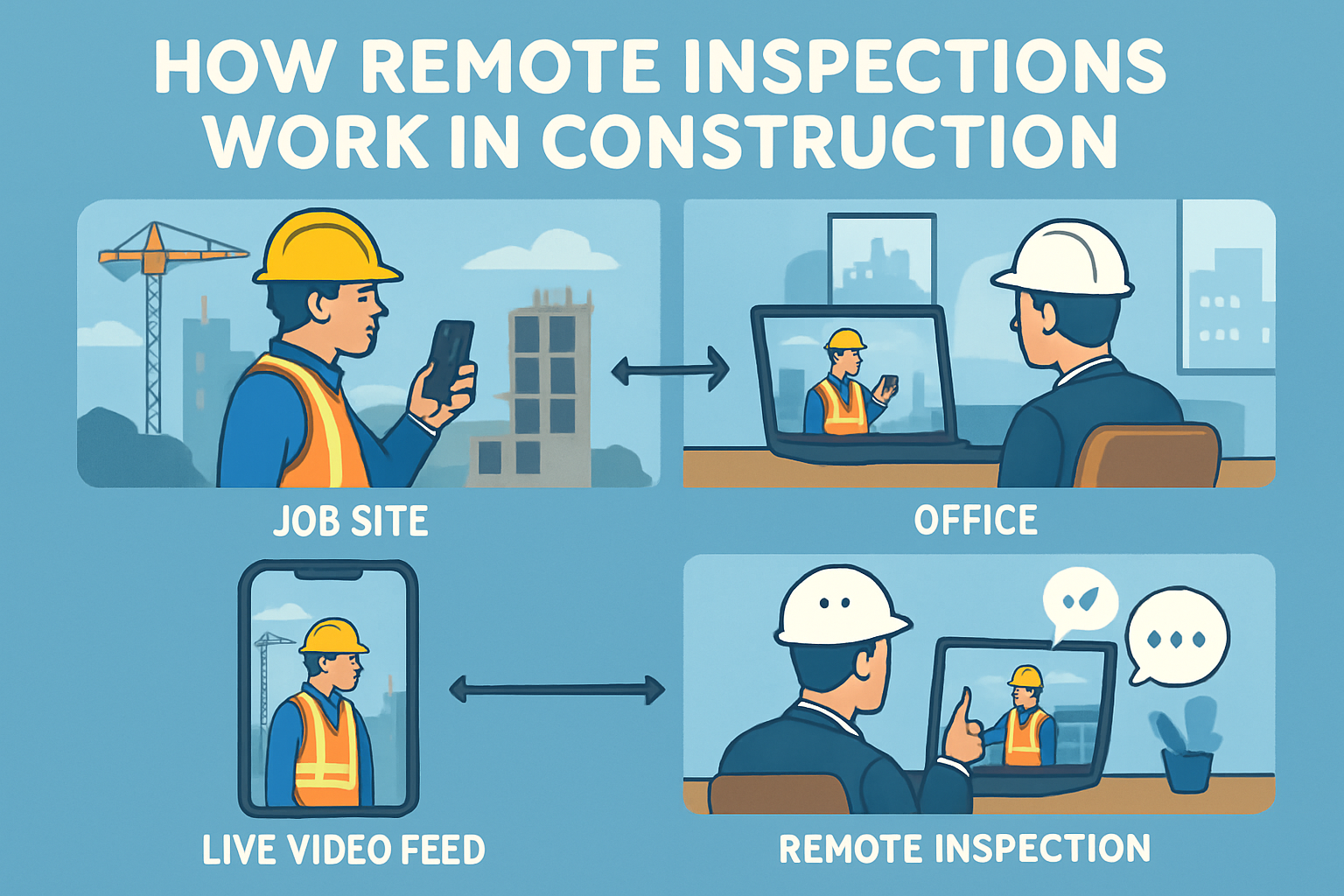
How Blitzz Remote Inspections Work in Construction
-
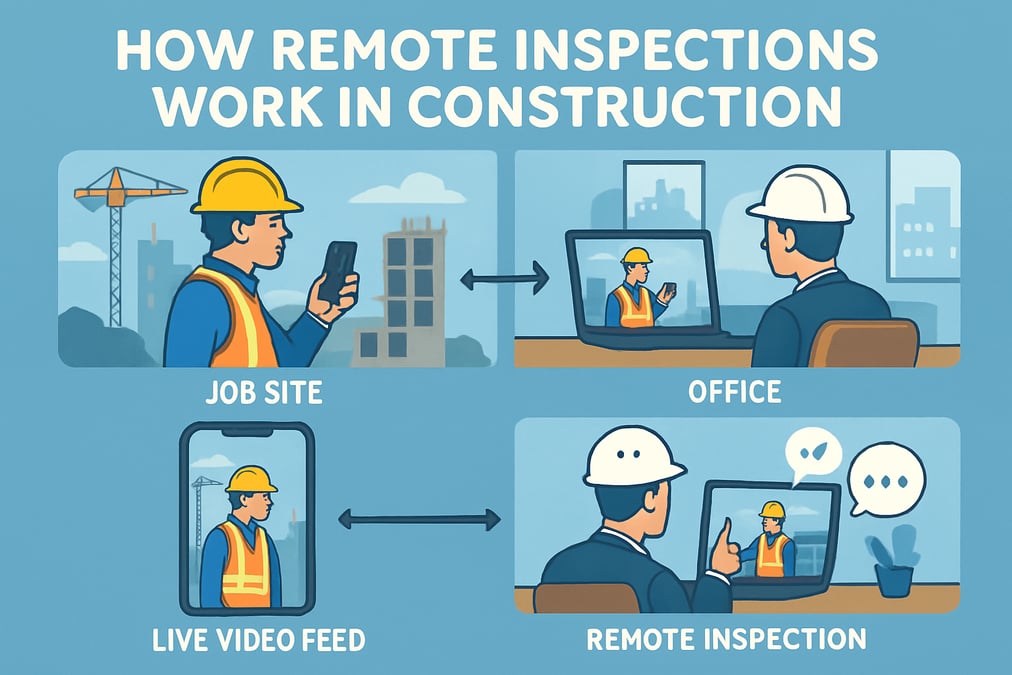
Schedule the inspection: Managers plan a remote inspection for routine site checks, milestone verifications, safety audits, or post-construction reviews. On-site staff receive a secure link—usually with no app download required.
-
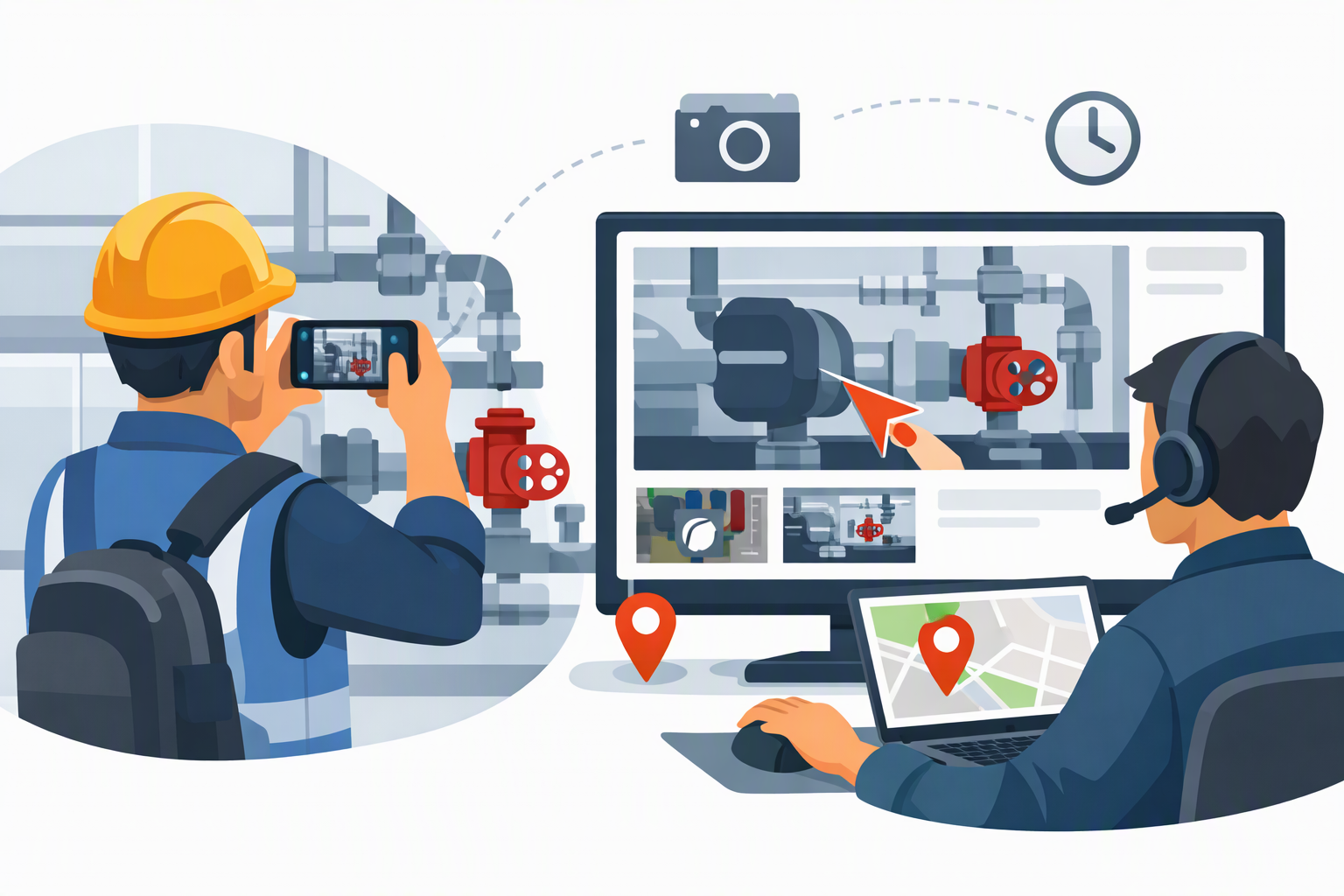
Conduct a live video walkthrough: Project managers guide the on-site team through the site, focusing on critical areas such as structural work, electrical installations, plumbing, or finishing. Managers can pause, zoom in, or request detailed views of specific areas.
-
Capture evidence in real-time: The software records photos, videos, notes, and timestamps automatically. Many platforms allow annotations, measurements, and checklists to be completed during the inspection, reducing follow-up work.
-
Generate reports instantly: After the walkthrough, structured reports can be shared immediately with contractors, clients, or stakeholders, providing a clear, defensible record of progress or issues.
Curious about the full range of benefits Blitzz brings to construction teams? In our previous blog, we broke down how Blitzz remote video inspections help streamline workflows, reduce delays, and improve on-site visibility.
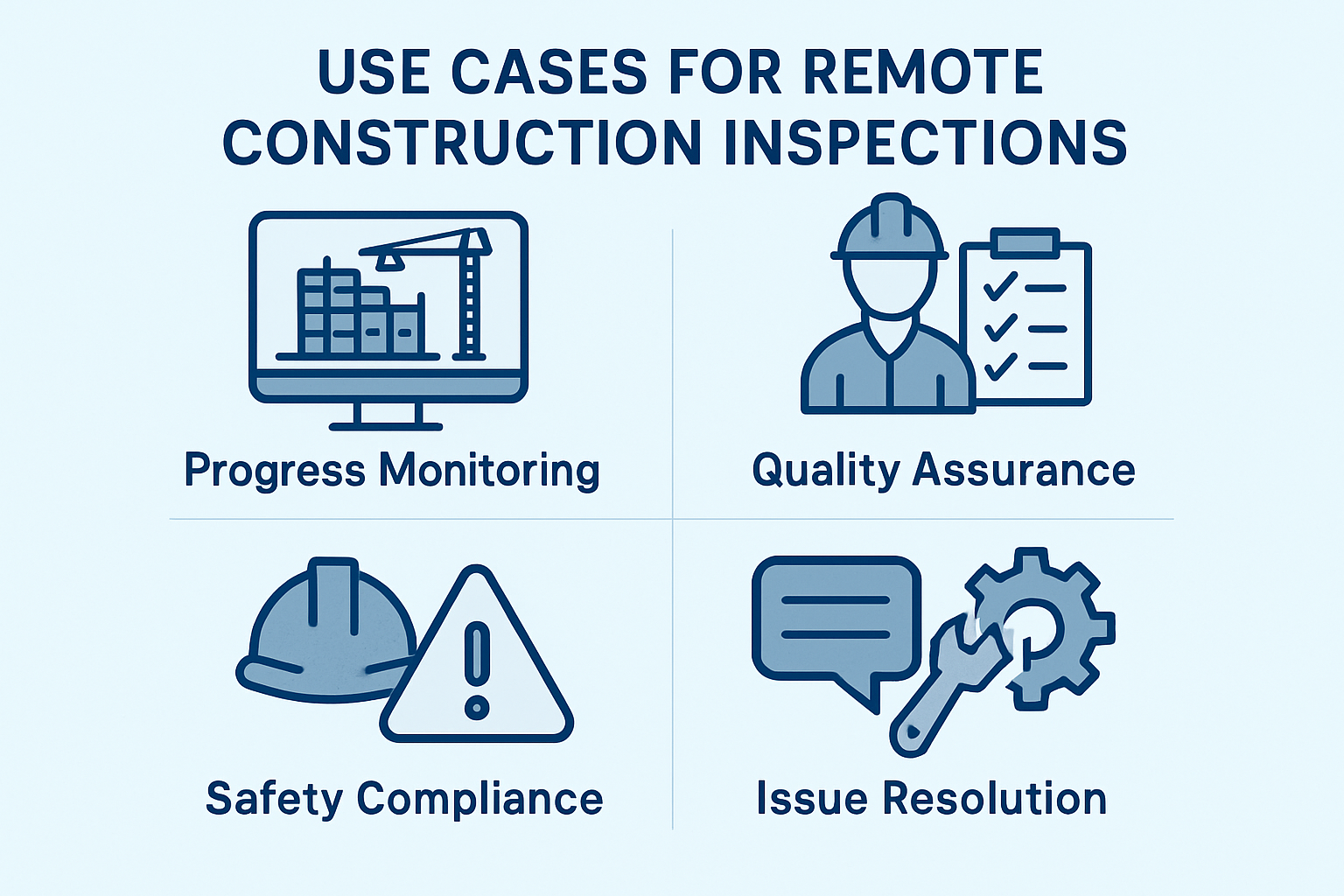
Use Cases for Remote Construction Inspections
Routine Site Progress Checks
Routine progress checks are essential for keeping construction projects on schedule, but they can be time-consuming and logistically challenging. Remote inspections allow project managers to conduct regular site walkthroughs without traveling to every location. By guiding on-site staff through a live video feed, managers can ensure that work aligns with project plans, track milestones in real time, and catch potential delays before they impact the schedule. This keeps projects on track while reducing travel costs and improving overall efficiency.
Safety Audits
Safety is non-negotiable on any construction site, but conducting thorough safety audits often requires time, coordination, and physical presence. Remote inspections make it easier to identify hazards quickly, whether it’s improperly stored materials, missing safety signage, or unsafe work practices. Managers can guide crews through safety checks live, capture visual evidence, and immediately address issues—helping prevent accidents and ensuring compliance with OSHA and other regulations.
Pre- and Post-Construction Reviews
Documenting property or site conditions before and after construction work is critical for accountability and transparency. Remote inspections allow managers to verify baseline conditions and confirm project completion without repeated travel. By capturing time-stamped photos, videos, and detailed notes, managers can provide clients, contractors, and stakeholders with clear, defensible records, ensuring everyone is aligned on what was delivered and what remains to be addressed.
Quality Assurance Inspections
Maintaining high-quality workmanship is a top priority for any construction project. Remote inspections allow managers to verify that work meets design specifications and industry standards in real time. By guiding on-site teams through detailed video walkthroughs, managers can identify defects, check materials, and ensure compliance with project requirements, all without waiting for traditional site visits. This proactive approach minimizes rework, enhances client satisfaction, and keeps projects moving efficiently.
Insurance or Damage Assessments
Construction sites are prone to damage from weather, accidents, or unforeseen events, and documenting this quickly is essential for insurance claims. Remote inspections enable managers to capture clear, time-stamped evidence without waiting for adjusters or physical visits. By providing insurers and stakeholders with immediate, accurate documentation, claims can be processed faster, disputes can be minimized, and recovery or repair work can begin sooner, reducing downtime and protecting budgets.
Why Construction Teams Are Adopting Remote Inspections
Remote inspections give construction teams the ability to stay proactive rather than reactive. They reduce delays, improve accountability, and provide a clear audit trail—all while keeping projects on schedule and on budget. With technology like Blitzz, managers can guide inspections, capture accurate documentation, and share reports instantly, transforming the way construction projects are monitored. Book a demo with us to see it in action.
Conclusion
Construction is moving fast, and so are the expectations for safety, quality, and efficiency. Remote inspections are no longer just a “nice-to-have” tool—they’re a practical solution that empowers construction teams to see more, do more, and manage smarter. By embracing this technology, managers can save time, reduce costs, and ensure every project is delivered safely and successfully.
Review These FAQs
1. What is a remote construction inspection?
A remote construction inspection lets project managers assess work on-site without being physically present. Using live video, managers can guide crews, capture photos and videos in real time, and generate instant reports—saving time and improving accuracy.
2. How does remote inspection improve project efficiency?
Remote inspections reduce travel time, speed up issue identification, and allow managers to oversee multiple sites simultaneously. This means faster decision-making, fewer delays, and more projects staying on schedule.
3. Can remote inspections be used for safety audits?
Absolutely. Managers can conduct safety walkthroughs via live video, identify hazards immediately, and provide guidance to correct issues—keeping crews safe while ensuring regulatory compliance.
4. Are remote inspection reports legally and insurance compliant?
Yes. Time-stamped photos, videos, and notes captured during remote inspections provide clear, defensible documentation for clients, insurers, and regulators, helping to minimize disputes and support claims.
5. What types of construction inspections can be done remotely?
Remote inspections work for routine progress checks, quality assurance, pre- and post-construction reviews, safety audits, and insurance or damage assessments—covering nearly every aspect of project oversight.

Blitzz Team
The Blitzz Team writes about remote video support, virtual inspections and field service. Our guides come from working with home builders, property managers, warranty teams, contact centers and field service organizations that use Blitzz to see and solve issues without a truck roll.
.jpg)