
.png?width=120&height=55&name=Blitzz-Logo-right%20white%20eyes%20-%20not%20transparent%20(3).png)
If you’ve ever thought about a career in home inspections, now is a great time to start. Home inspectors play a vital role in the real estate and insurance industries, helping buyers, sellers, and insurers understand the condition of a property. But before you can start inspecting homes professionally, you need to become a licensed home inspector.
In this guide, we’ll cover what a home inspection license course involves, why it’s important, and how it sets you up for a successful career.

What Is a Home Inspection License Course?
A home inspection license course is a structured training program that teaches the skills, knowledge, and legal requirements needed to perform home inspections professionally. These courses are designed to prepare you for the state licensing exam and give you the confidence to conduct thorough inspections for clients.
-
Building Structure – foundations, framing, roofs, and walls, learning how to spot structural issues early.
-
Electrical Systems – wiring, panels, and safety checks to ensure compliance and reduce fire risks.
-
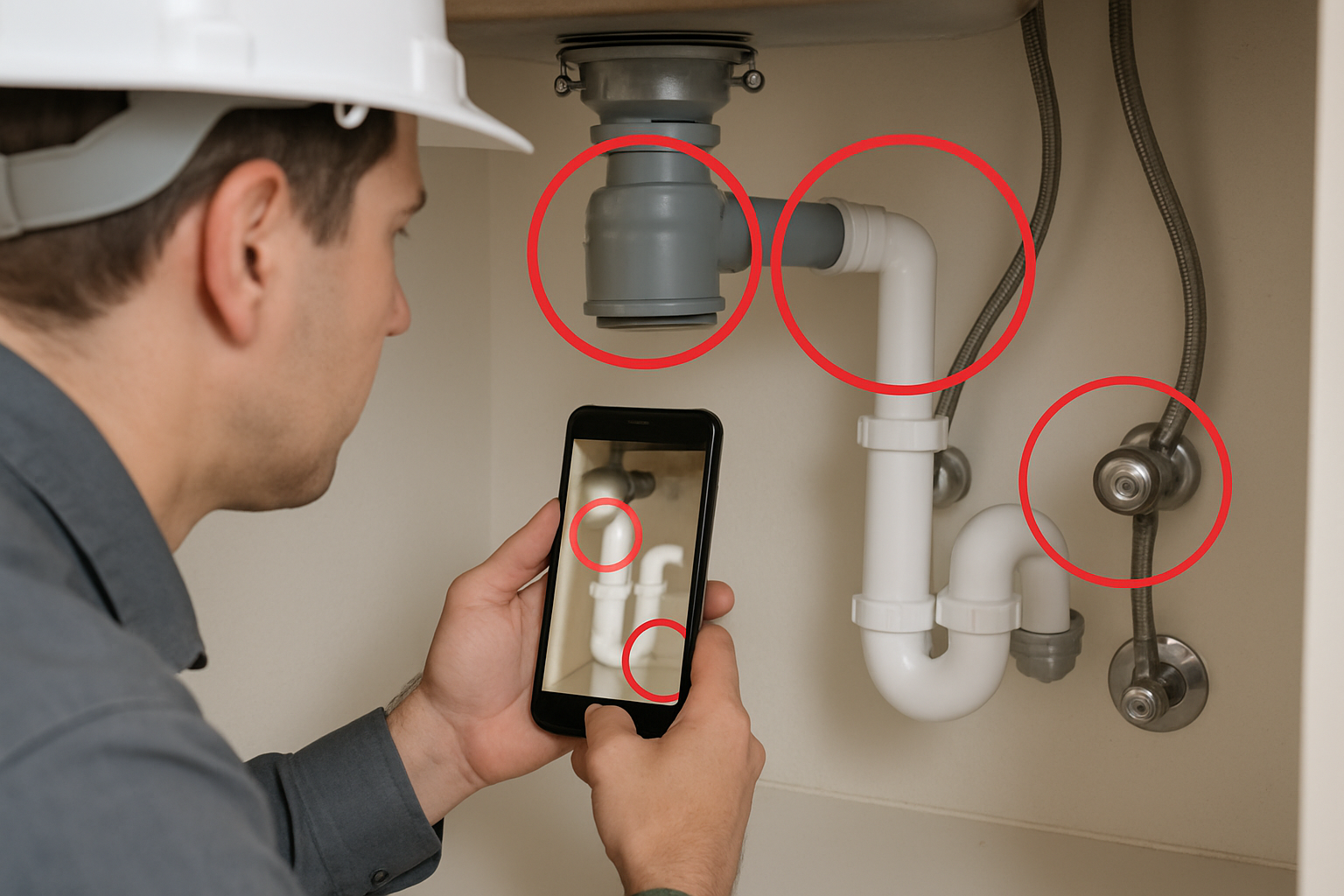
Plumbing Systems – pipes, fixtures, and water heaters, including detecting leaks and potential water damage.
-
HVAC Systems – heating, ventilation, and air conditioning, understanding functionality and maintenance needs.
-
Interior and Exterior Inspections – flooring, windows, doors, and exterior walls, assessing both safety and overall condition.
-
Safety Hazards & Code Compliance – identifying risks, understanding regulations, and ensuring properties meet required standards.
-
Report Writing – documenting findings accurately and clearly to communicate inspection results to clients.
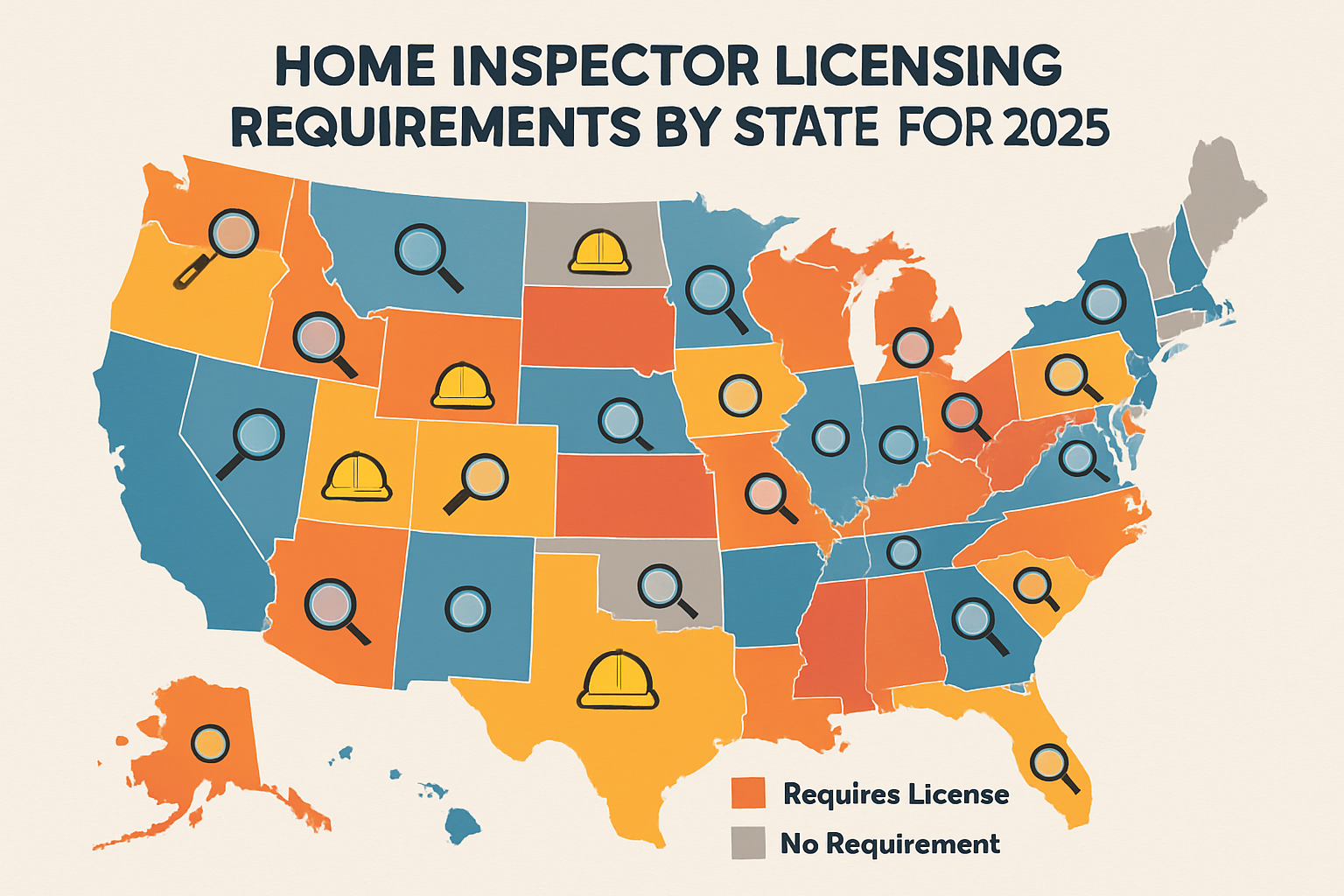
Do you want to become a home inspector? Check our state-by-state requirements for becoming a home inspector.

Why Taking a License Course Is Essential
Becoming a licensed home inspector isn’t just a legal requirement in many states—it also gives you credibility with clients and employers. Here’s why the course matters:
-
State Licensing – Many states require home inspectors to pass a licensing exam, which the course prepares you for.
-
Practical Knowledge – You’ll learn how to spot hidden problems, from structural issues to potential safety hazards.
-
Professional Standards – Courses teach you best practices and ethics, ensuring your inspections are thorough and reliable.
-
Career Opportunities – A license opens doors to work with real estate agencies, insurance companies, and independent clients.
How to Choose the Right Home Inspection Course
Not all courses are created equal. Here are a few tips to pick the best one:
-
Accreditation – Ensure the course is approved by your state licensing board or a recognized professional association.
-
Comprehensive Curriculum – Look for programs that cover all major systems and include report writing and ethics.
-
Hands-On Training – Practical experience is invaluable for building confidence and competence.
-
Exam Preparation – Choose a course that provides study guides and practice exams for the licensing test.
-
Flexible Learning Options – Many programs offer online or hybrid courses for busy schedules.

What to Expect After Completing the Course
Once you finish your home inspection license course, you’ll typically:
-
Take your state licensing exam
-
Apply for your home inspector license
-
Begin conducting inspections professionally, either independently or with a company
-
Continue learning through continuing education, as most states require renewal courses every few years
Completing the course doesn’t just give you a license—it gives you the foundation to build a sustainable career in a growing industry.
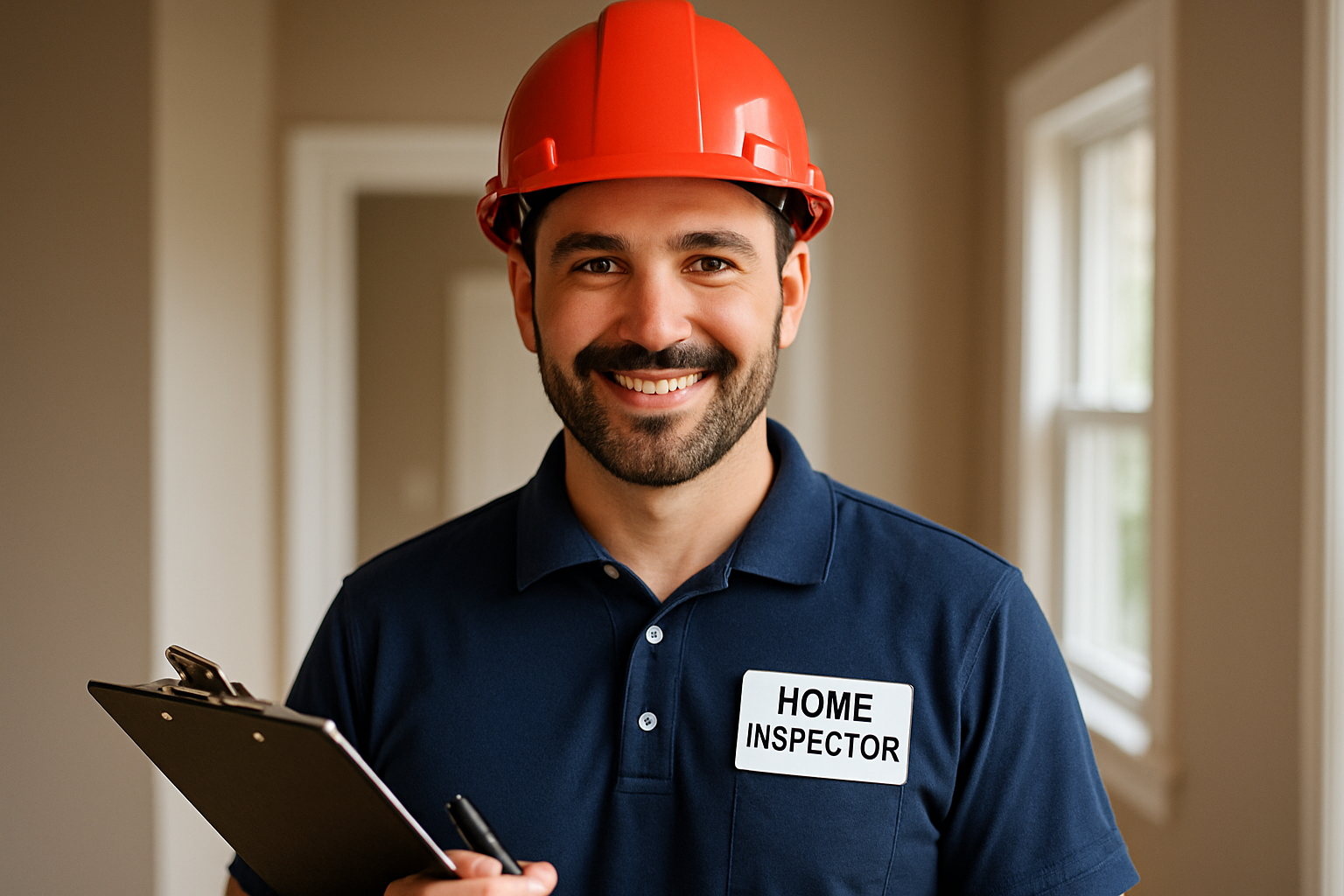
Career Outlook for Licensed Home Inspectors
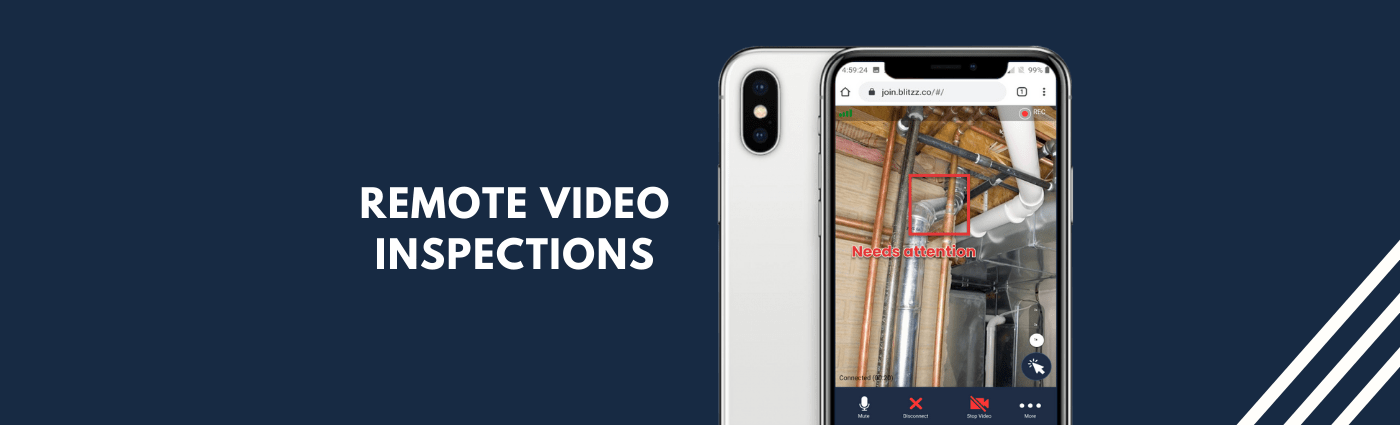
The demand for qualified home inspectors is strong. With real estate transactions happening year-round and insurance companies relying on inspections for underwriting and claims, there are plenty of opportunities to grow your business or join a reputable company. Remote inspection technology, like video-guided inspections, is also expanding the way inspectors work, creating more flexibility and efficiency in the field.
Final Thoughts
If you’re ready to turn your interest in homes and construction into a professional career, a home inspection license course is your first step. Not only will it teach you the technical skills you need, but it will also prepare you for a respected and in-demand profession.
Invest in the right course, complete your training, earn your license, and start inspecting homes confidently—because every inspection matters. Book a demo with Blitzz and transform how you conduct home inspections.
Review these FAQs
Do I need a license to become a home inspector?
Yes. Most states require home inspectors to be licensed before performing inspections professionally. Licensing ensures you meet industry standards and have the technical knowledge to conduct accurate assessments.
How long does it take to complete a home inspection license course?
Course length varies by program and state requirements, but most courses take between 2 weeks and 3 months. Some offer accelerated online options, while others include hands-on training for practical experience.
What topics are covered in a home inspection license course?
Courses typically cover building structure, electrical systems, plumbing, HVAC, interior and exterior inspections, safety hazards, code compliance, and report writing. Many programs also include exam prep and hands-on practice.
Can I take a home inspection course online?
Yes. Many accredited programs offer fully online or hybrid courses, allowing you to study at your own pace while completing practical training in-person or virtually.
What comes after completing the course?
After finishing the course, you’ll usually take your state licensing exam, apply for your home inspector license, and begin performing inspections professionally. Continuing education may also be required to maintain your license.