
.png?width=120&height=55&name=Blitzz-Logo-right%20white%20eyes%20-%20not%20transparent%20(3).png)
This year marked a clear shift in how insurance inspections are conducted. What was once a process dominated by in-person site visits, paperwork, and long turnaround times has steadily moved toward faster, more technology-driven workflows. For insurers, adjusters, and home inspectors alike, the changes weren’t just incremental—they reshaped expectations around speed, accuracy, and scalability.
As we head into 2026, understanding these shifts is critical for anyone involved in insurance inspections.
From Physical Visits to Digital-First Inspections
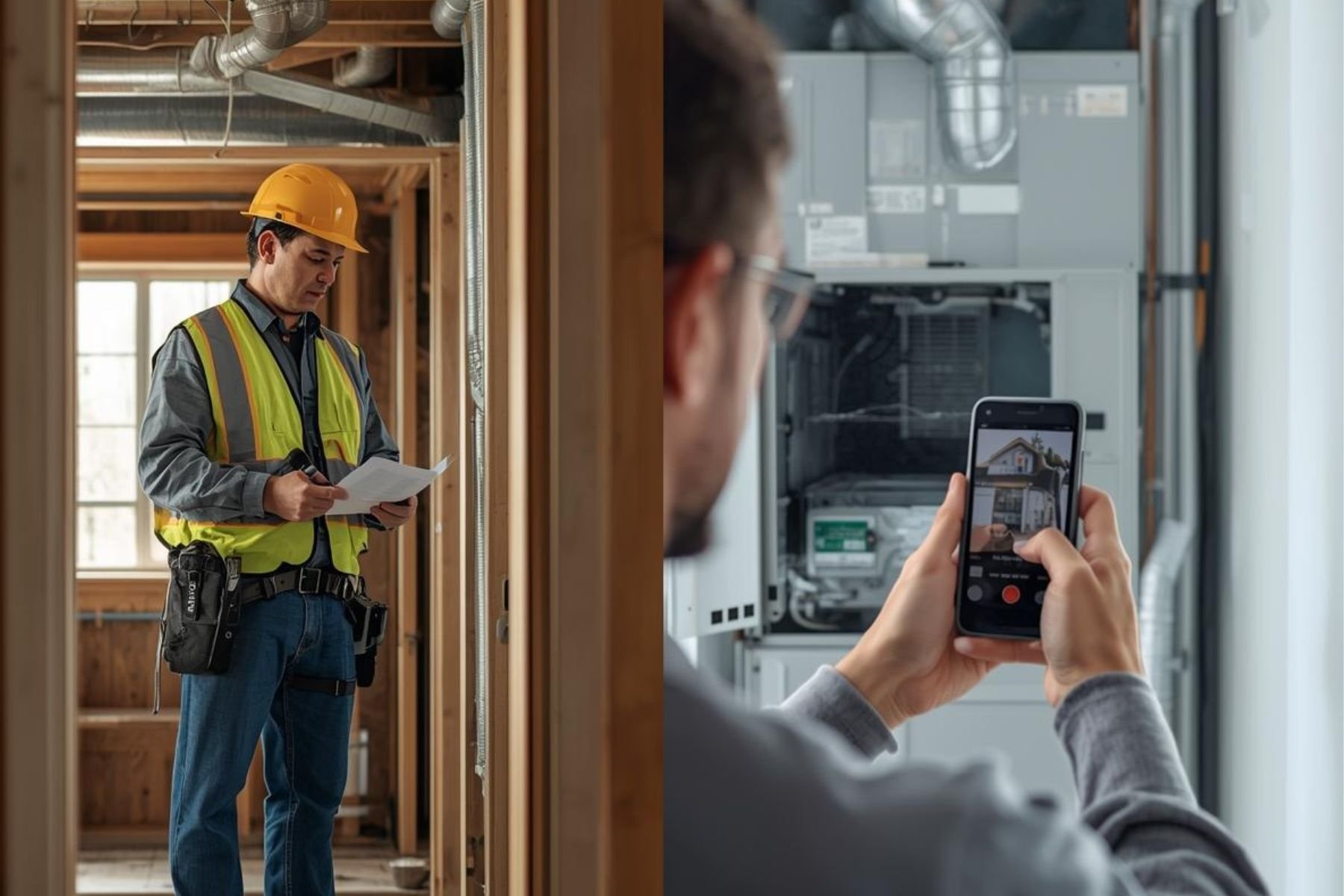
Traditionally, insurance inspections relied heavily on physical property visits. Inspectors and adjusters were required to travel to each site, schedule appointments weeks out, and manually document findings. While effective, this model struggled to keep up during claim surges, weather events, and staffing shortages.
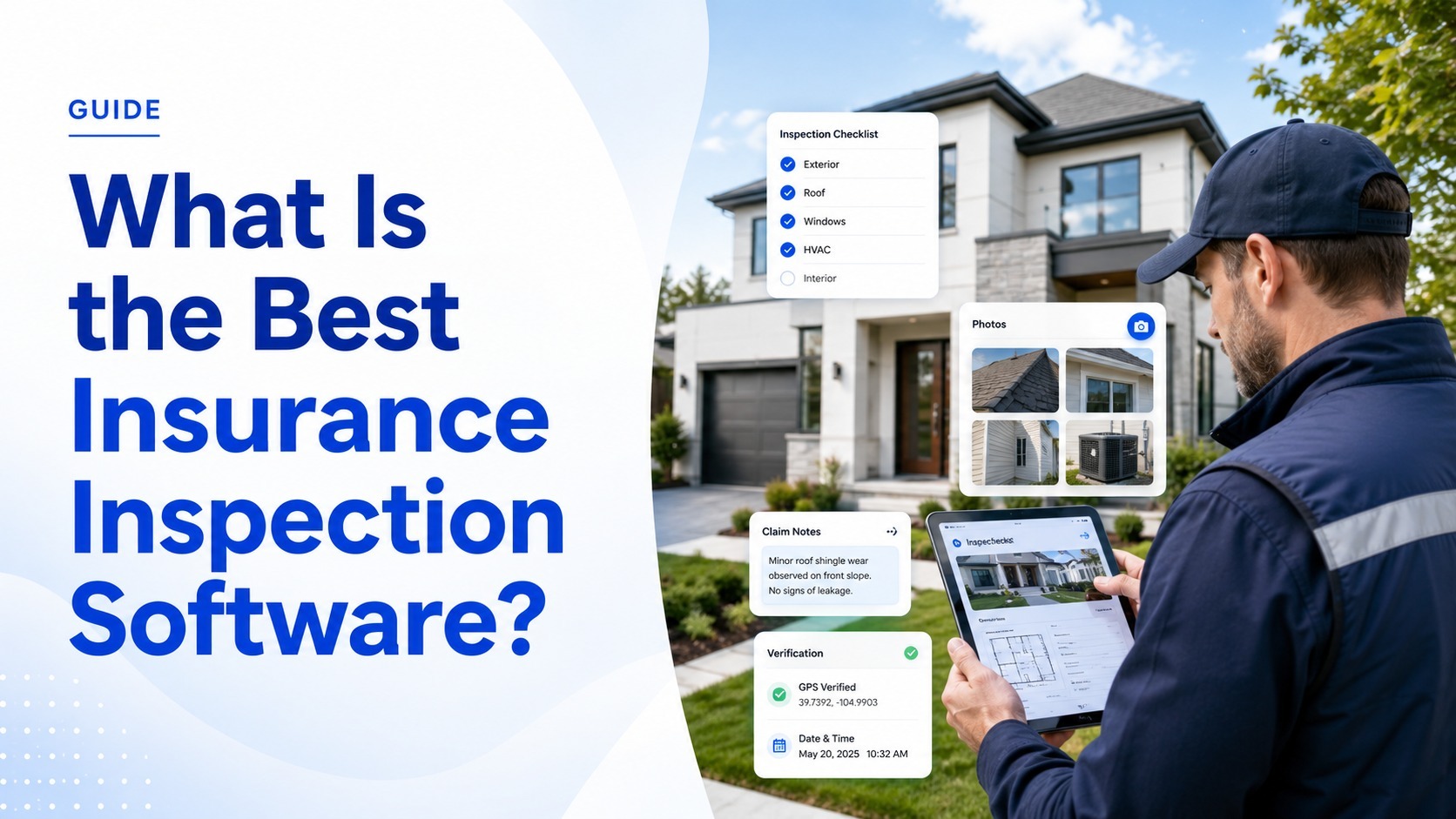
This year, many insurance teams began embracing home inspection software to streamline the process. Digital tools replaced fragmented workflows, allowing inspections to be guided, documented, and reviewed more efficiently. The result was faster cycle times, better consistency, and improved data quality.
The Rise of Remote Home Video Inspection
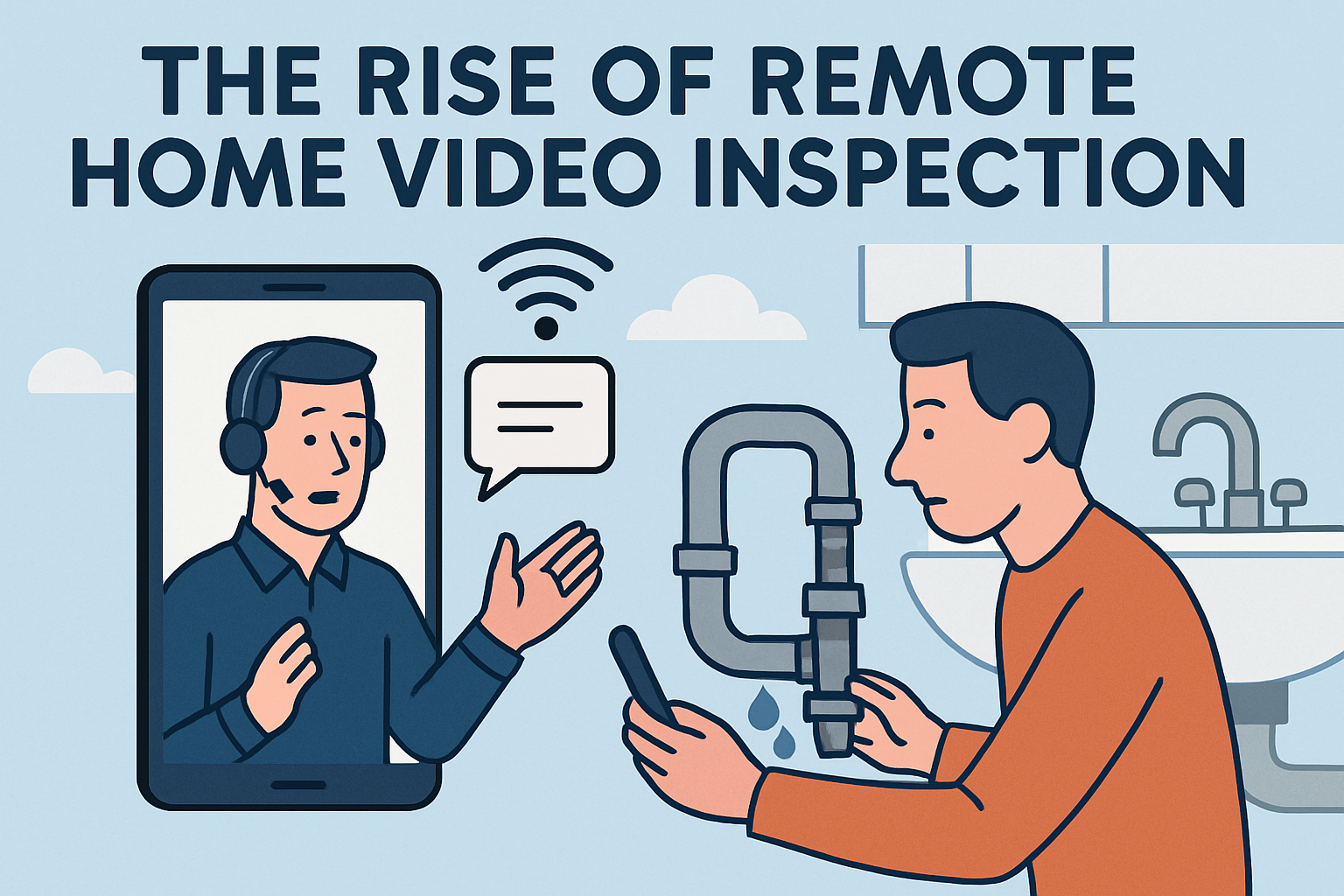
One of the most significant changes this year was the rapid adoption of remote home video inspection. Instead of requiring an inspector to be physically present for every inspection, insurers increasingly relied on live, guided video inspections conducted with homeowners or on-site contacts.
This shift helped insurers:
-
Reduce inspection backlogs
-
Improve inspector safety
-
Maintain inspection quality during peak seasons
-
Expand coverage into remote or high-demand areas
Remote inspections proved especially valuable for underwriting, renewals, and low-to-moderate complexity claims—use cases where speed and documentation matter most.
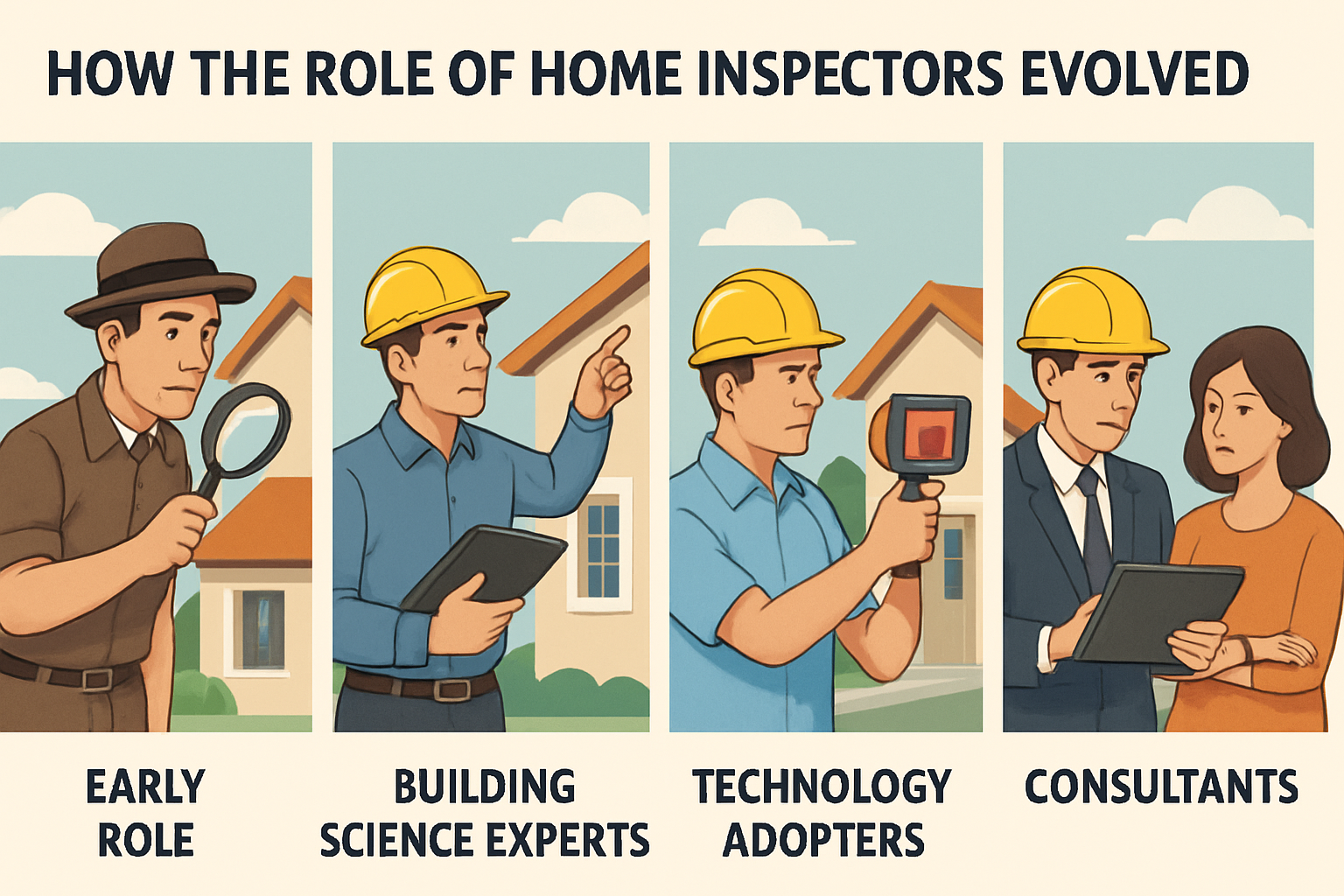
How the Role of Home Inspectors Evolved
These changes didn’t eliminate the need for skilled inspectors—they elevated it. Inspectors are now expected to do more than just observe; they guide, assess, and document in real time using digital platforms.
As a result, inspectors with a valid home inspection license and a strong understanding of modern inspection tools became even more valuable. Licensing continues to be a key trust factor, but pairing credentials with technology skills is quickly becoming the new standard.
Inspectors who adapted to remote workflows found they could complete more inspections in less time—without sacrificing accuracy.
Thinking about starting a remote home inspection business? In our previous blog, we walked through the essential steps to begin your inspection business. You can also check the state-by-state licensing requirements for aspiring home inspectors.
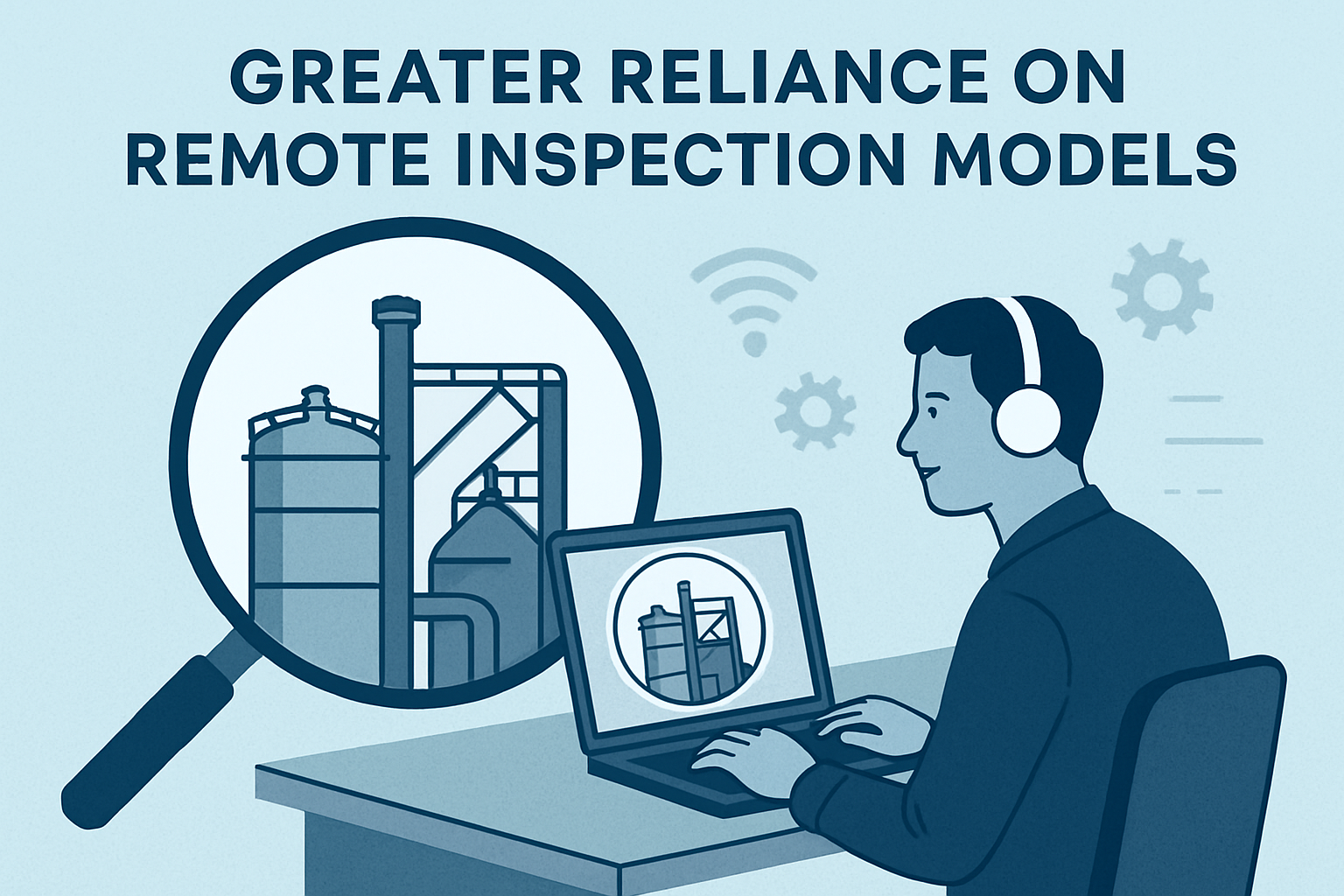
What These Changes Mean for 2026
Looking ahead, the direction is clear. Insurance inspections in 2026 will continue to prioritise speed, flexibility, and scalability.
We can expect:
-
Greater reliance on remote and hybrid inspection models
-
Increased adoption of inspection platforms that support video, documentation, and reporting in one place
-
Higher expectations for inspectors to be both licensed and tech-enabled
-
Faster claim resolutions and underwriting decisions
Insurers that fail to modernise their inspection processes risk longer cycle times, higher costs, and reduced customer satisfaction.
The Future of Insurance Inspections Starts with Blitzz
This year proved that insurance inspections no longer need to be slow, costly, or constrained by location. With the right technology and experienced inspectors, inspections can move faster while still delivering the accuracy and documentation insurers depend on.
As we head into 2026, the real question isn’t whether inspections will continue to evolve—it’s whether your inspection process is equipped to keep up. Remote inspection platforms like Blitzz are helping insurance teams modernize workflows, reduce cycle times, and inspect with confidence, no matter where the property is located. Book a demo with Blitzz to see it in action.
Review these questions
What is a remote insurance inspection?
A remote insurance inspection is a property assessment conducted using live video instead of an in-person site visit. An inspector or adjuster guides the inspection in real time while a homeowner or on-site contact uses a smartphone to show key areas of the property.
Are remote inspections accepted by insurance companies?
Yes. Many insurance carriers now accept remote inspections for underwriting, renewals, and certain claims. When supported by proper documentation and guided workflows, they meet insurer standards while reducing delays and costs.
When should an on-site inspection still be used?
On-site inspections are typically required for complex claims, major structural damage, or situations where physical testing is necessary. Remote inspections work best for routine assessments, low-to-moderate risk properties, and claim triage.
How does Blitzz support remote home inspections?
Blitzz enables live, guided video inspections without requiring homeowners to download an app. Inspectors can capture images, request close-ups, and document findings in real time—helping teams complete inspections faster while maintaining accuracy.
What are the main benefits of using remote inspection software?
Remote inspection software helps reduce cycle times, improve inspector safety, expand inspection capacity, and create consistent, defensible documentation. It also improves the homeowner experience by eliminating long wait times for on-site visits.