
.png?width=120&height=55&name=Blitzz-Logo-right%20white%20eyes%20-%20not%20transparent%20(3).png)
Navigating the mortgage process for the first time can feel a little overwhelming. Between paperwork, appraisals, bank requirements, and property checks, it’s easy to wonder: Do I actually need a home inspection to get approved for a mortgage?
This guide breaks everything down in plain English so you know exactly what’s required, what’s optional, and how modern tools like remote home inspections are changing the game for today’s buyers.
What Exactly Is a Home Inspection?
A home inspection is a detailed, top-to-bottom assessment of a property done by a licensed home inspector. They check everything from the roof to the foundation, looking for defects, safety issues, and potential future problems.
A standard inspection evaluates:
-
Roof condition
-
Foundation and structure
-
Electrical systems
-
Plumbing
-
HVAC
-
Insulation
-
Windows and doors
-
Attic and crawl spaces
-
Interior and exterior condition
The goal is simple: help you understand what you’re buying before you fully commit.
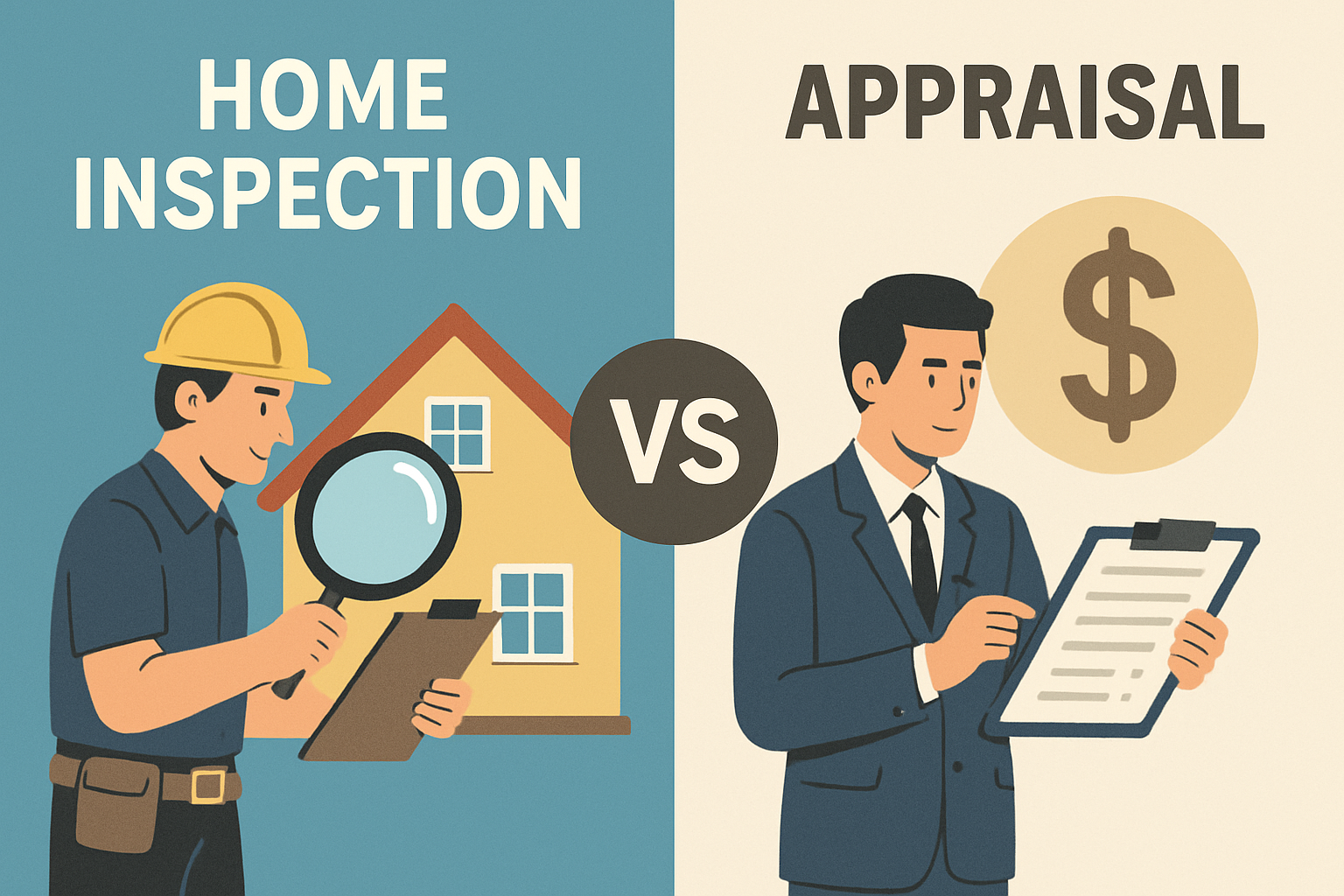
Is a Home Inspection Required for a Mortgage?
Here’s the important part — and a common misconception:
No, home inspections are not required by lenders in the United States.
You can technically buy a home and get a mortgage without ever having an inspection.
But there’s a twist…
What Is Required? An Appraisal.
A mortgage lender always requires an appraisal.
But an appraisal is different from an inspection:
| Home Inspection | Home Appraisal |
| Optional | Required |
| You choose the inspector | Lender assigns the appraiser |
| Detailed check of condition & defects | Estimates property value |
| Protects the buyer | Protects the lender |
| 2–4 hours of deep assessment | 20–60 minute visit |
The appraisal tells the bank the home is worth what you’re paying — but it does not tell you whether the home has hidden problems.
This is why home inspections remain one of the smartest steps for any buyer.
Should You Still Get a Home Inspection? Absolutely.
Even though the bank doesn’t ask for it, most real estate professionals will tell you the same thing:
Skipping the inspection is the biggest mistake a homebuyer can make.
A $400–$600 inspection can save you thousands by exposing:
-
Expensive roof damage
-
Outdated electrical work
-
Foundation cracks
-
Active leaks or mould
-
Pest infestation
-
Unsafe renovations done without permits
-
Plumbing issues
These are problems you won’t catch during your walkthrough — but an inspector will.
Special Rules for FHA, VA, and USDA Loans
While these programs do not require inspections, their appraisers are more strict.
If the appraiser notices certain issues — peeling paint, broken railings, exposed wiring, or structural concerns — the home must be repaired before your loan is approved.
This means an inspection becomes even more helpful, because it can reveal these issues before the appraiser does.
How Remote Home Inspections Are Changing the Process
Today, more buyers are busy, relocating from other states, or purchasing investment properties. Traditional inspections can slow things down, especially if you can’t be onsite.
That’s why remote home inspections are becoming increasingly popular.
What Are Remote Home Inspections?
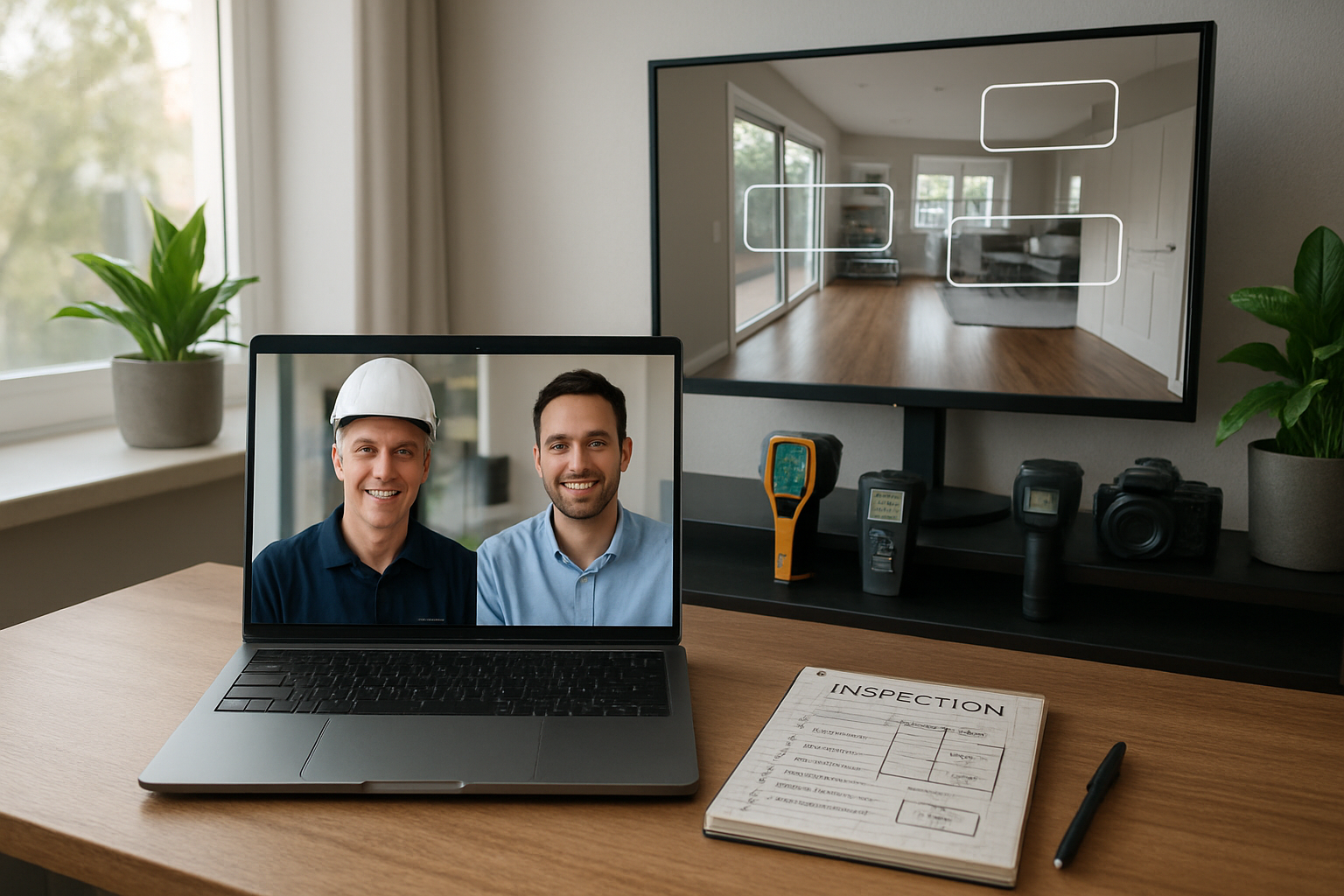
A remote inspection uses:
-
High-quality video calls
-
Guided walkthroughs
-
Smart home tools
-
360° imaging
-
Digital reporting
An inspector walks through the property while you watch live from your phone or laptop. You can ask questions, zoom in on problem areas, and receive detailed reports instantly.
Why They’re Gaining Popularity:
-
Perfect for out-of-state buyers
-
Faster scheduling
-
No need to travel
-
Allows agents, buyers, and inspectors to collaborate at the same time
-
Adds transparency to the process
-
Great for investment buyers purchasing multiple properties
Remote home inspections don’t replace the need for a professional — they make the process more convenient and accessible, especially in fast-moving markets.
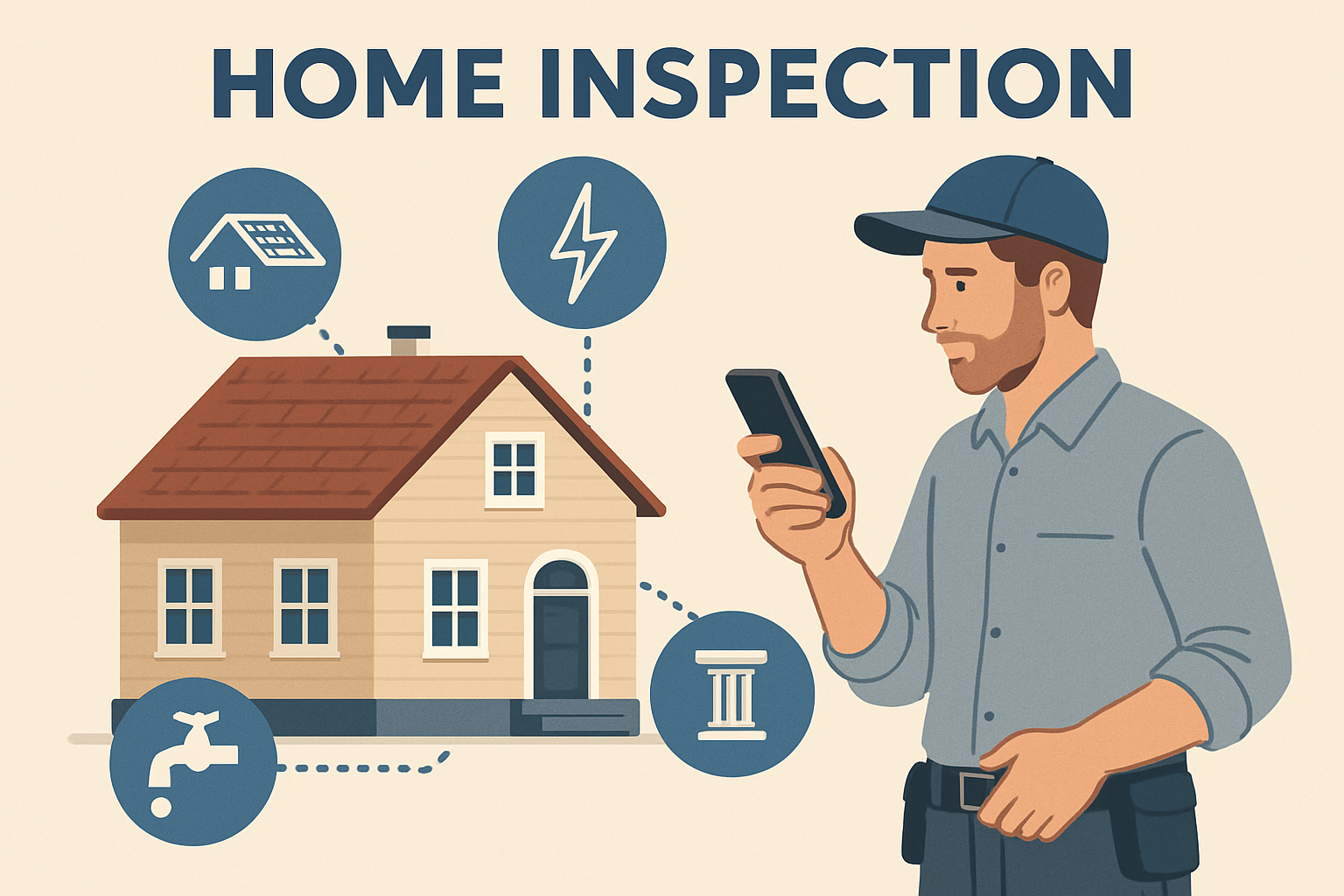
Hiring a Remote Home Inspector
If you decide to go the remote route, choosing the right inspector is crucial. Here’s what to look for:
-
Licensing & Certification: Ensure they are fully licensed in the state where the property is located.
-
Experience with Remote Tools: Ask if they use live video walkthroughs, 360° cameras, or digital reporting software.
-
Detailed Reporting: A remote inspection is only valuable if the report is thorough, easy to read, and includes photos or videos of potential issues.
-
Availability & Communication: A good remote inspector will be responsive, walk you through the property live, and answer questions immediately.
-
Reputation & Reviews: Look for inspectors with positive reviews and testimonials, especially for remote services.
Hiring a competent remote home inspector ensures that even if you can’t physically visit the property, you still get the full insight and confidence of an in-person inspection.