
.png?width=120&height=55&name=Blitzz-Logo-right%20white%20eyes%20-%20not%20transparent%20(3).png)
Consumer electronics are designed to make life easier, but when something stops working, the support experience often feels anything but simple. A smart TV will not connect. A printer refuses to go online. A router is blinking the wrong light. A camera, speaker, or streaming device suddenly stops responding. These issues may seem minor on the surface, yet they can quickly become time-consuming and frustrating for both customers and support teams.
The problem is not always the device itself. More often, it is the gap between what the customer is seeing and what the support team is able to understand over a traditional phone or chat interaction. Without visual context, even straightforward troubleshooting can turn into a long series of questions, unclear explanations, repeated steps, and avoidable escalations. What should have been a quick fix becomes a drawn-out support case.
For consumer electronics brands and service providers, this creates a serious operational challenge. Support teams are under constant pressure to reduce handle times, improve first-call resolution, and deliver a customer experience that reflects the quality of the product. But when agents are forced to troubleshoot blindly, speed and accuracy suffer. Small issues take too long to resolve, simple cases get escalated unnecessarily, and customers lose confidence in the process.
This is exactly where remote visual support like Blitzz Concierge changes the game. By allowing agents to see the issue in real time, guide customers visually, and make faster, more informed decisions, visual support transforms troubleshooting from a guessing exercise into a more precise, efficient, and customer-friendly experience. In a category where frustration can quickly damage brand loyalty, helping customers fix issues faster is no longer just a support improvement. It is a competitive advantage.
Why Troubleshooting Consumer Electronics Is So Challenging
On paper, many consumer electronics issues appear easy to solve. In practice, however, troubleshooting these products is often far more complex than it seems. Support teams are dealing with a mix of technical variation, customer uncertainty, and limited visibility, all while trying to resolve issues quickly and efficiently. The result is a support environment where even common problems can become difficult to diagnose and slow to fix.
Customers struggle to describe technical problems
Most customers do not speak in technical language, and they should not have to. But when support depends entirely on verbal explanations, this becomes a major obstacle. A customer may say the device is “not working,” “making a weird light,” or “not connecting,” without knowing whether the issue relates to power, connectivity, configuration, hardware, or setup. They may not know the difference between a modem and a router, or which cable is connected where.
This lack of technical precision is completely normal, yet it creates friction in the support process. Agents are left trying to translate vague descriptions into actionable diagnosis, often asking multiple follow-up questions just to establish the basics. That slows down resolution and increases the likelihood of misunderstanding. When the customer cannot clearly describe the problem, and the agent cannot see it, even a simple issue can become far more complicated than it needs to be.
Agents rely on guesswork without visual context
Traditional support channels such as voice and chat force agents to troubleshoot without seeing the device, the environment, or the actual issue. They must rely on what the customer says, what the customer notices, and what the customer chooses to mention. That creates an incomplete picture, especially when the problem involves physical setup, indicator lights, damaged cables, poor placement, or user error.
Without visual context, agents are often left making educated guesses. They may walk customers through generic scripts, test multiple possibilities, or escalate the case simply because they cannot confirm the root cause with confidence. This not only increases average handle time, but also reduces troubleshooting accuracy. A support interaction that could have been resolved in minutes with live visual confirmation may instead stretch into a lengthy session with no clear outcome.
Device variations across brands, models, and setups complicate diagnosis
Consumer electronics support is rarely standardised. Even within a single product category, there may be multiple models, generations, firmware versions, configurations, and accessories involved. A troubleshooting path that works for one device may not apply to another. On top of that, customers use devices in very different environments, with different home network setups, third-party integrations, and installation conditions.
This variation makes support inherently more complex. Agents cannot assume that every customer is looking at the same ports, menus, lights, or connection layouts. They have to account for differences that may not be immediately obvious in a voice-only interaction. The more diverse the product ecosystem, the harder it becomes to troubleshoot efficiently using static scripts or general instructions alone. Visual support helps close that gap by showing the agent exactly what device the customer has and how it is set up in the real world.
Miscommunication leads to longer calls and unresolved issues
When customers and agents are not working from the same visual reference point, miscommunication becomes one of the biggest barriers to fast resolution. An agent may say “check the cable on the left,” while the customer is looking at the wrong port. A customer may describe a blinking light incorrectly. A step that sounds simple from the agent’s perspective may be confusing or unclear to the person trying to follow it at home.
These moments add up quickly. Calls become longer, troubleshooting steps are repeated, and the customer’s frustration grows. In some cases, the issue remains unresolved not because it was technically difficult, but because communication broke down along the way. That leads to repeat contacts, unnecessary escalations, product returns, or technician dispatches that might have been avoided with better visibility from the start.
Why this challenge matters at scale
Individually, each of these issues may seem manageable. At scale, they become a serious operational burden. High call volumes magnify every extra minute spent clarifying the problem, every unnecessary escalation, and every missed opportunity to resolve the issue on the first interaction. For consumer electronics brands, this affects not only efficiency metrics like handle time and first-call resolution, but also the overall customer experience.
That is why troubleshooting consumer electronics requires more than knowledgeable agents and well-written scripts. It requires a support model built for clarity, speed, and precision. Visual support delivers that by helping agents move beyond guesswork, reduce communication barriers, and resolve issues with far greater confidence.
The Cost of Slow Troubleshooting
Slow troubleshooting is not just a minor inconvenience. In consumer electronics support, it creates a ripple effect across operations, customer experience, and long-term brand value. When issues take longer to resolve, the impact is felt at every level of the organisation. This is where remote visual support becomes critical—not just as a tool, but as a way to eliminate inefficiencies at scale.
Increased Average Handle Time (AHT)
Without remote visual support, agents spend a significant portion of each interaction trying to understand the problem before they can even begin solving it. Multiple clarifying questions, repeated explanations, and trial-and-error troubleshooting steps all extend the duration of the call.
Longer handle times reduce agent capacity and increase operational costs. At scale, even a few extra minutes per call can translate into thousands of lost hours across the support team. By contrast, remote visual support shortens the discovery phase dramatically. When agents can see the issue instantly, they can move directly to resolution, reducing AHT while improving accuracy. Learn how Rogers Communications streamlines remote support with simple, reliable video collaboration.
Low First-Call Resolution Rates
First-call resolution is one of the most important performance metrics in customer support, yet it is difficult to achieve without clear visibility. When agents rely solely on verbal descriptions, there is a higher chance of misdiagnosis or incomplete troubleshooting. This often leads to unresolved cases, repeat contacts, or escalations.
Remote visual support directly improves first-call resolution by enabling agents to verify the issue in real time. Instead of guessing, they can confirm the root cause, guide the customer through the correct steps, and ensure the problem is fully resolved before ending the interaction. This not only improves efficiency but also reduces the overall support volume.
Higher Return Rates and Unnecessary Replacements
In many cases, devices are returned or replaced not because they are defective, but because the issue was never properly diagnosed. A misconfigured setting, a loose cable, or an incorrect setup can easily be mistaken for a hardware failure when troubleshooting is incomplete.
Without remote visual support, support teams may default to replacements as a safer option. However, this drives up costs related to logistics, inventory, and processing. It also creates a poor customer experience when the replacement does not actually solve the issue.
With remote visual support, agents can inspect the device visually, identify the real problem, and avoid unnecessary returns. This leads to more accurate resolutions, lower operational costs, and better resource utilisation.
Poor Customer Satisfaction and Brand Perception
Customers expect fast, seamless support—especially when dealing with everyday technology. When troubleshooting is slow, repetitive, or ineffective, frustration builds quickly. Customers may feel unheard, confused, or disappointed, particularly if they have to repeat the same steps multiple times or wait for a technician to visit.
This directly impacts customer satisfaction (CSAT) and long-term loyalty. In competitive consumer electronics markets, a poor support experience can influence future purchasing decisions.
Remote visual support improves the experience by making interactions more intuitive and efficient. Customers feel guided, understood, and supported in real time. Instead of struggling to explain the issue, they can simply show it. This shift not only speeds up resolution but also creates a more modern, premium support experience that strengthens brand trust.
Why It Matters
At scale, slow troubleshooting becomes a compounding problem. Higher handle times, lower resolution rates, unnecessary returns, and declining customer satisfaction all contribute to increased costs and reduced efficiency.
Remote visual support addresses these challenges at their source. By improving visibility, reducing guesswork, and enabling faster, more accurate resolutions, it transforms troubleshooting from a bottleneck into a competitive advantage.
What Is Remote Visual Support? A Smarter Way to Troubleshoot
To truly understand the shift, it is important to define what remote visual support is and why it represents a fundamentally better approach to troubleshooting consumer electronics.
At its core, remote visual support allows support agents to see what the customer sees in real time. Through a secure, app-free video connection, customers can share a live view of their device, environment, or issue directly from their smartphone or browser. This removes the need for guesswork and replaces it with immediate visual clarity.
Live video assistance without friction
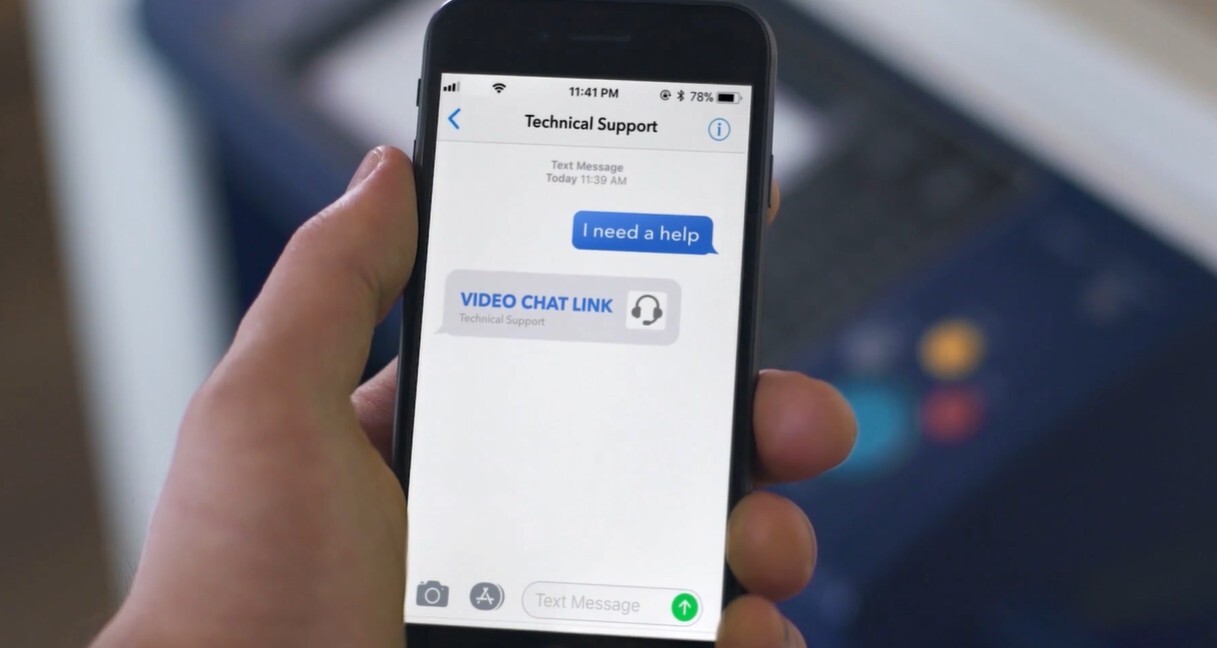
One of the key advantages of remote visual support is how easy it is to use. Customers do not need to download an app or navigate complex setup steps. A simple link sent via SMS or email allows them to join a live video session instantly.
This low-friction experience is critical in consumer electronics support, where customers may already be frustrated or unsure of what to do. By removing barriers to entry, remote visual support ensures that help is accessible exactly when it is needed, without adding complexity to the process.
Real-time annotations and guided troubleshooting
Seeing the issue is only part of the solution. Remote visual support also enables agents to actively guide customers through the resolution process using visual tools such as annotations, arrows, and highlights.
Instead of saying “check the cable on the left,” agents can point directly to the exact cable on the customer’s screen. Instead of explaining steps verbally, they can guide the customer visually in real time. This reduces confusion, improves accuracy, and speeds up the entire troubleshooting process.
For customers, this creates a more intuitive experience. For agents, it provides greater control and confidence during the interaction.
From explaining to showing
Traditional support relies heavily on explanation. Customers must describe the issue, and agents must interpret it. This back-and-forth introduces delays and increases the risk of error.
Remote visual support shifts the model from explaining to showing. Customers show the problem. Agents see it instantly. Decisions are made faster, and solutions are delivered with greater precision.
This shift is especially valuable in consumer electronics, where many issues are visual in nature—blinking lights, cable connections, device placement, and physical setup all play a role. By bringing visual context into the support interaction, remote visual support aligns both sides around the same reality.
A smarter, more scalable support model
Beyond individual interactions, remote visual support enables a more scalable and efficient support operation. It reduces reliance on lengthy calls, minimises unnecessary escalations, and ensures that field resources are used only when required.
It also creates opportunities for better documentation, training, and quality assurance through captured images and videos. Over time, this leads to continuous improvement in how support teams diagnose and resolve issues.
In a world where customers expect instant, effective support, remote visual support is no longer a nice-to-have. It is a smarter, more modern approach that allows consumer electronics brands to deliver faster resolutions, lower costs, and a consistently better customer experience.
How Visual Support Fixes Issues Faster (Core Section)
Speed in troubleshooting is not just about working faster—it is about removing the friction that slows everything down in the first place. Traditional support models are built on explanation and interpretation. Remote visual support replaces that with clarity and precision, allowing agents to move from problem identification to resolution in a fraction of the time.
Identify problems instantly with visual confirmation
The first and most critical step in troubleshooting is understanding what is actually wrong. Without remote visual support, this step can take several minutes—or longer—depending on how clearly the customer can describe the issue.
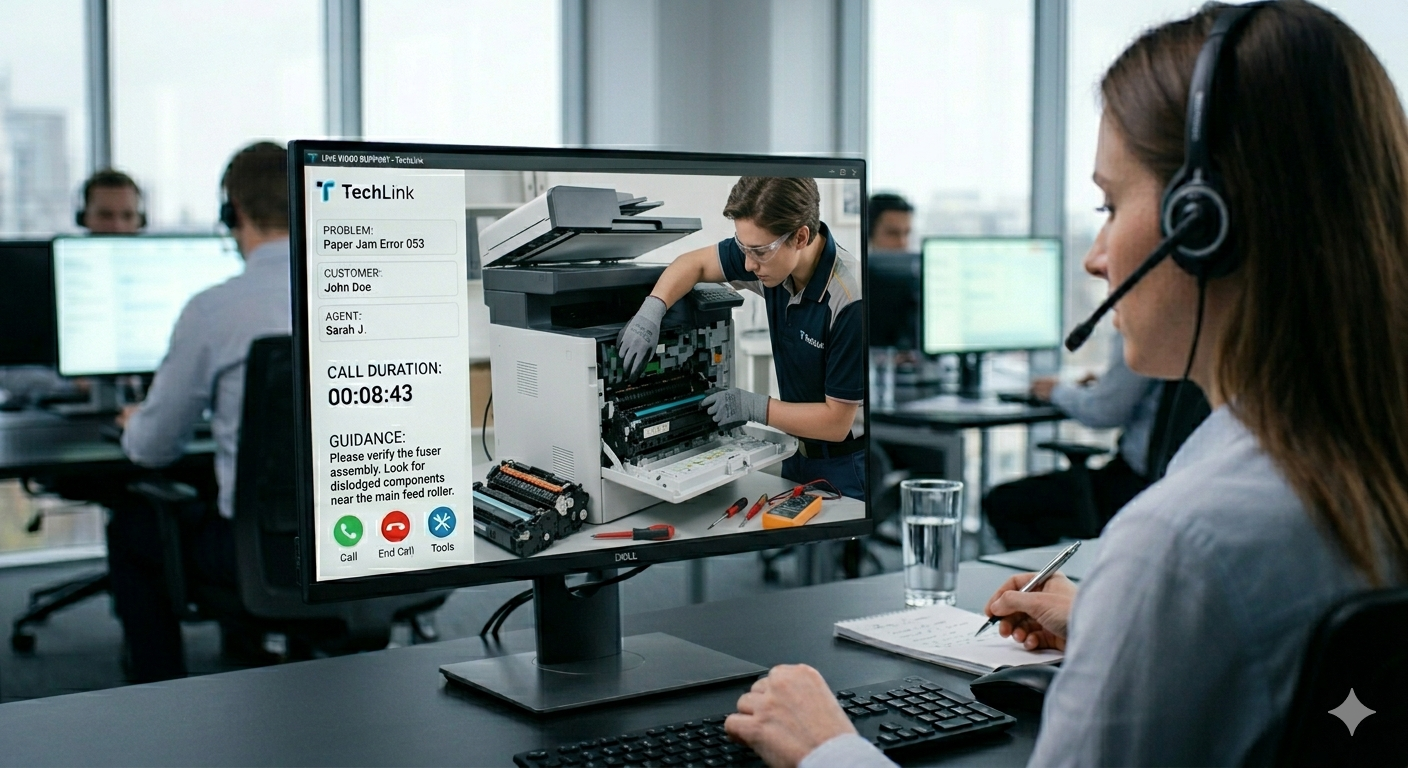
With remote visual support, agents can immediately see the device, the setup, and the problem in real time. Whether it is a blinking red light, a disconnected cable, or an incorrect configuration, the issue becomes visible within seconds. This eliminates guesswork and accelerates the entire support process from the very first interaction.
Instead of asking multiple clarifying questions, agents can quickly confirm the root cause and move directly into resolution mode. This immediate clarity is what enables faster fixes at scale.
Guide customers step-by-step with real-time visuals
Once the issue is identified, the next challenge is guiding the customer through the solution. Verbal instructions alone can often be confusing, especially for non-technical users. Misunderstanding even a single step can lead to delays or incorrect fixes.
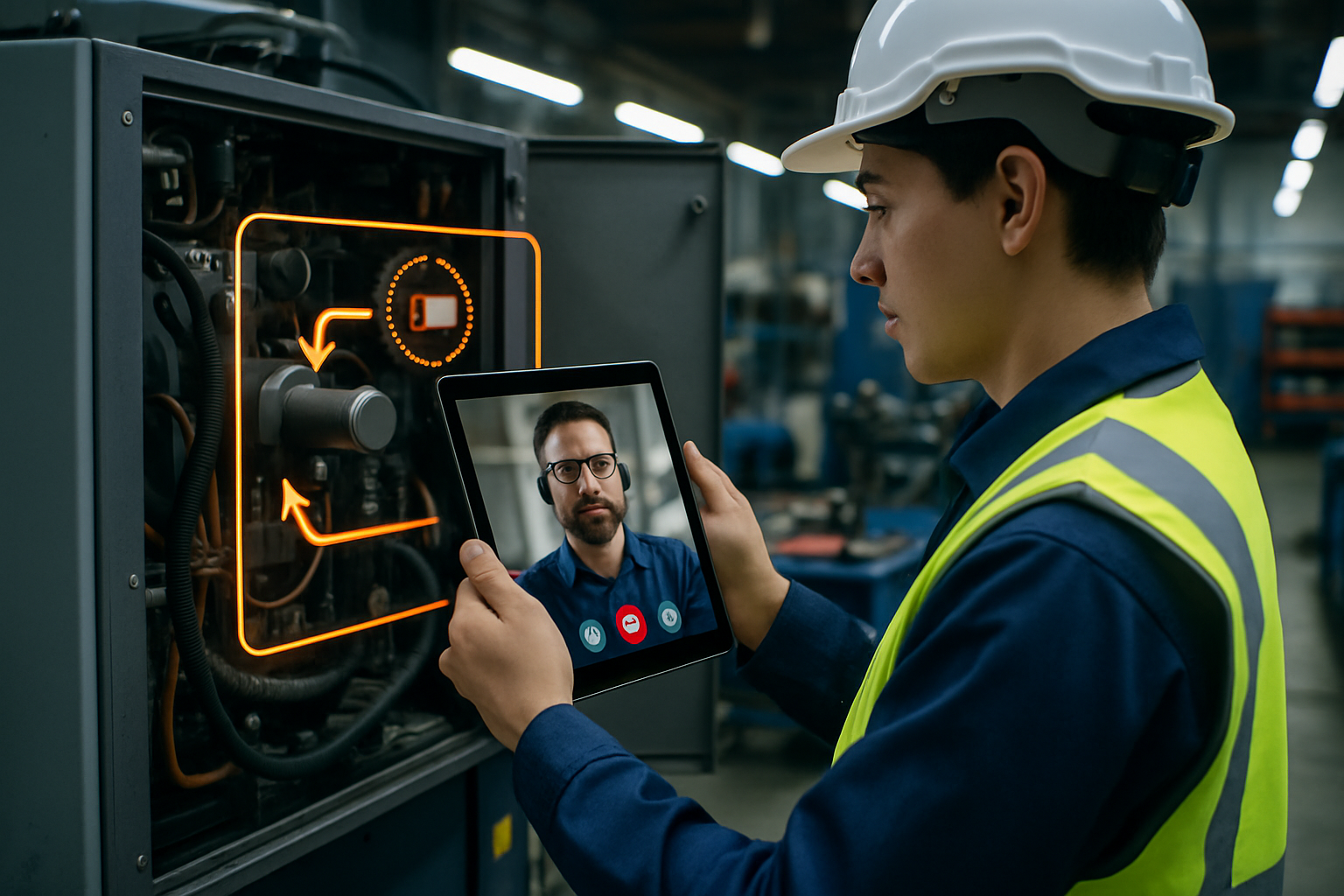
Remote visual support transforms this experience by allowing agents to guide customers visually. Through live video and real-time annotations, agents can highlight exactly where to look, what to touch, and how to proceed. Arrows, circles, and on-screen cues remove ambiguity and make instructions far easier to follow.
This creates a more intuitive and efficient troubleshooting experience. Customers feel more confident, agents maintain better control of the interaction, and issues are resolved more quickly with fewer errors.
Reduce repeat troubleshooting and callbacks
One of the biggest inefficiencies in consumer electronics support is repeat contact. When issues are not fully resolved during the first interaction, customers are forced to call back, restart the process, and go through the same steps again.
Without remote visual support, incomplete diagnosis and miscommunication often lead to temporary fixes rather than permanent solutions. The result is higher call volumes, longer resolution cycles, and increased frustration on both sides.
By contrast, remote visual support ensures that the issue is fully understood and properly resolved the first time. Agents can verify that the solution has worked before ending the session, reducing the likelihood of callbacks. Over time, this significantly improves first-call resolution and reduces overall support demand.
Capture images and videos for accurate diagnostics
Another key advantage of remote visual support is the ability to capture visual evidence during the interaction. Agents can take snapshots or record short video clips of the issue, creating a clear and reliable reference for diagnostics.
This is particularly useful for more complex cases or when escalation is required. Instead of relying on written notes alone, support teams and technicians can review actual visuals of the problem. This improves accuracy, speeds up decision-making, and ensures continuity across the support workflow.
For organisations, this also creates opportunities for quality assurance, training, and continuous improvement. Every captured interaction becomes a valuable data point for refining processes and improving future support outcomes.
Before vs After: A Faster, Smarter Troubleshooting Flow
The impact of remote visual support becomes clear when comparing traditional workflows with a visual-first approach.
Before: Explain → Misunderstand → Retry → Escalate
In a traditional model, the customer explains the issue, the agent interprets it, and both sides attempt to troubleshoot through verbal instructions. Misunderstandings are common, steps are repeated, and unresolved issues often lead to escalation or callbacks.
After: See → Diagnose → Guide → Resolve
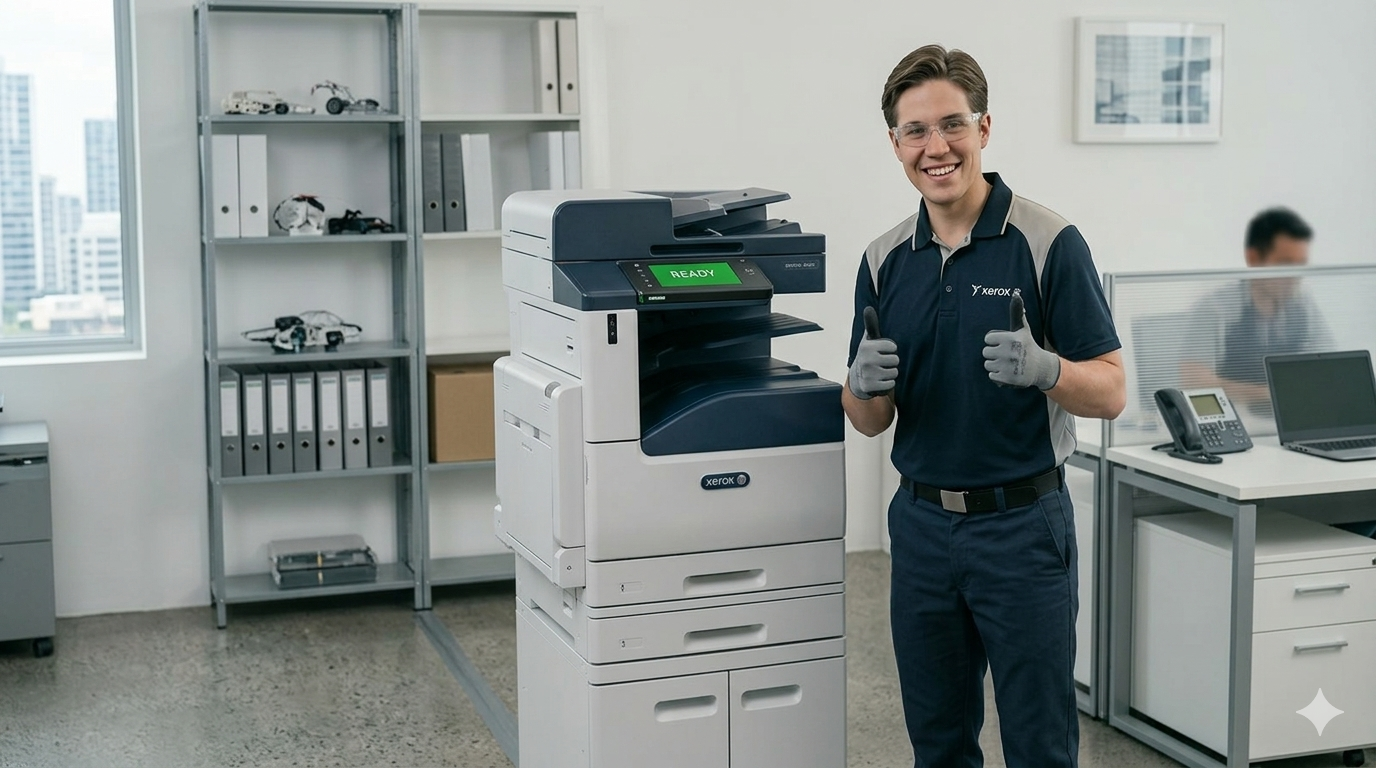
With remote visual support, the agent sees the issue instantly, diagnoses it accurately, and guides the customer through the fix in real time. The process becomes faster, more precise, and far more effective, often resolving the issue in a single interaction.
This shift is what enables support teams to move from reactive troubleshooting to proactive, efficient problem-solving.
Real-World Use Cases in Consumer Electronics
The value of remote visual support becomes even more evident when applied to real-world scenarios. Consumer electronics cover a wide range of devices, each with its own setup requirements and potential issues. Across these use cases, visual support consistently delivers faster resolution and better experiences.
Smart TVs and streaming device setup
Setting up smart TVs and streaming devices often involves multiple steps, including connecting to WiFi, logging into accounts, and configuring settings. Customers can easily get stuck at any stage.
With remote visual support, agents can see the screen, guide customers through menus, and ensure everything is configured correctly. This reduces setup time and eliminates frustration, especially for users who are less familiar with technology.
Printer and scanner troubleshooting
Printers and scanners are known for being difficult to troubleshoot due to connectivity issues, driver problems, and configuration errors. Explaining these issues over the phone can be particularly challenging.
Remote visual support allows agents to inspect error messages, check connections, and guide customers through fixes step-by-step. This leads to faster resolutions and fewer unnecessary returns or replacements.
Home WiFi and router issues
Connectivity problems are among the most common support requests. Issues such as weak signals, incorrect placement, or loose cables can be difficult to diagnose without seeing the setup.
With remote visual support, agents can assess the physical environment, identify issues like poor router placement or incorrect wiring, and provide targeted guidance. This results in more accurate fixes and improved network performance for the customer.
Smart home devices (cameras, thermostats, speakers)
Smart home devices often require integration with apps, networks, and other systems. When something goes wrong, the issue may not be immediately obvious.
Remote visual support enables agents to see device placement, setup conditions, and on-device indicators. This makes it easier to troubleshoot installation issues, connectivity problems, and configuration errors in real time.
Consumer gadgets and peripherals
From gaming consoles to wireless headphones and computer accessories, consumer gadgets come with a wide variety of potential issues. Many of these problems are simple but difficult to explain.
Using remote visual support, agents can quickly identify the issue and guide customers through the solution. This improves resolution speed and reduces the need for product exchanges.
Benefits for both support teams and customers
Across all these use cases, the benefits are clear. Support teams can resolve issues faster, reduce handle time, and avoid unnecessary escalations. Customers receive immediate, effective help without the frustration of unclear instructions or long wait times.
This alignment between efficiency and experience is what makes remote visual support so valuable in consumer electronics support.
Faster Fixes, Better Experiences, Smarter Support
In consumer electronics, speed and clarity define the support experience. When issues are resolved quickly and efficiently, customers remain confident in the product and the brand behind it. When they are not, frustration builds, and trust is lost.
Remote visual support changes this dynamic by removing the barriers that slow troubleshooting down. It reduces friction, eliminates guesswork, and enables support teams to resolve issues with greater accuracy and speed. Customers no longer need to struggle through complex explanations—they can simply show the problem and receive immediate guidance.
For brands, this means more than just operational improvement. It is an opportunity to deliver a more modern, premium support experience that matches the expectations of today’s customers. Faster fixes lead to higher satisfaction, stronger loyalty, and more efficient support operations.
If you are looking to transform how your team handles troubleshooting, the next step is clear.
Explore Blitzz pricing or book a demo to see how remote visual support can streamline your workflows, reduce inefficiencies, and deliver faster, better outcomes at scale.
Related readings:
Achieving Satisfaction in Customer Service: The Role Of Empathy
The Hidden Costs of Low Technician Utilization—and How Video Support Solves Them
10 Benefits of Remote Video Support on Technician Utilization and Efficiency
5-Star Review And Improved ROI: How Remote Visual Support Can Help
Remote Tech Help: How Live Video Is Changing Cable Service
Remote Visual Assistance for Contact Centers: How Video, AR & AI Are Redefining Customer Care