
.png?width=120&height=55&name=Blitzz-Logo-right%20white%20eyes%20-%20not%20transparent%20(3).png)
Electric vehicles are redefining transportation. They’re quieter, cleaner, and packed with advanced technology. But while EVs reduce mechanical complexity, they introduce something new: software-driven service challenges.
For manufacturers, dealerships, roadside assistance providers, and fleet operators, one issue is becoming increasingly expensive — the truck roll. Every time a technician is dispatched to inspect or diagnose a vehicle in person, costs add up fast. Labour, travel time, fuel, scheduling, downtime, and customer frustration all stack together. And here’s the surprising reality: many of these visits don’t actually require an in-person technician.
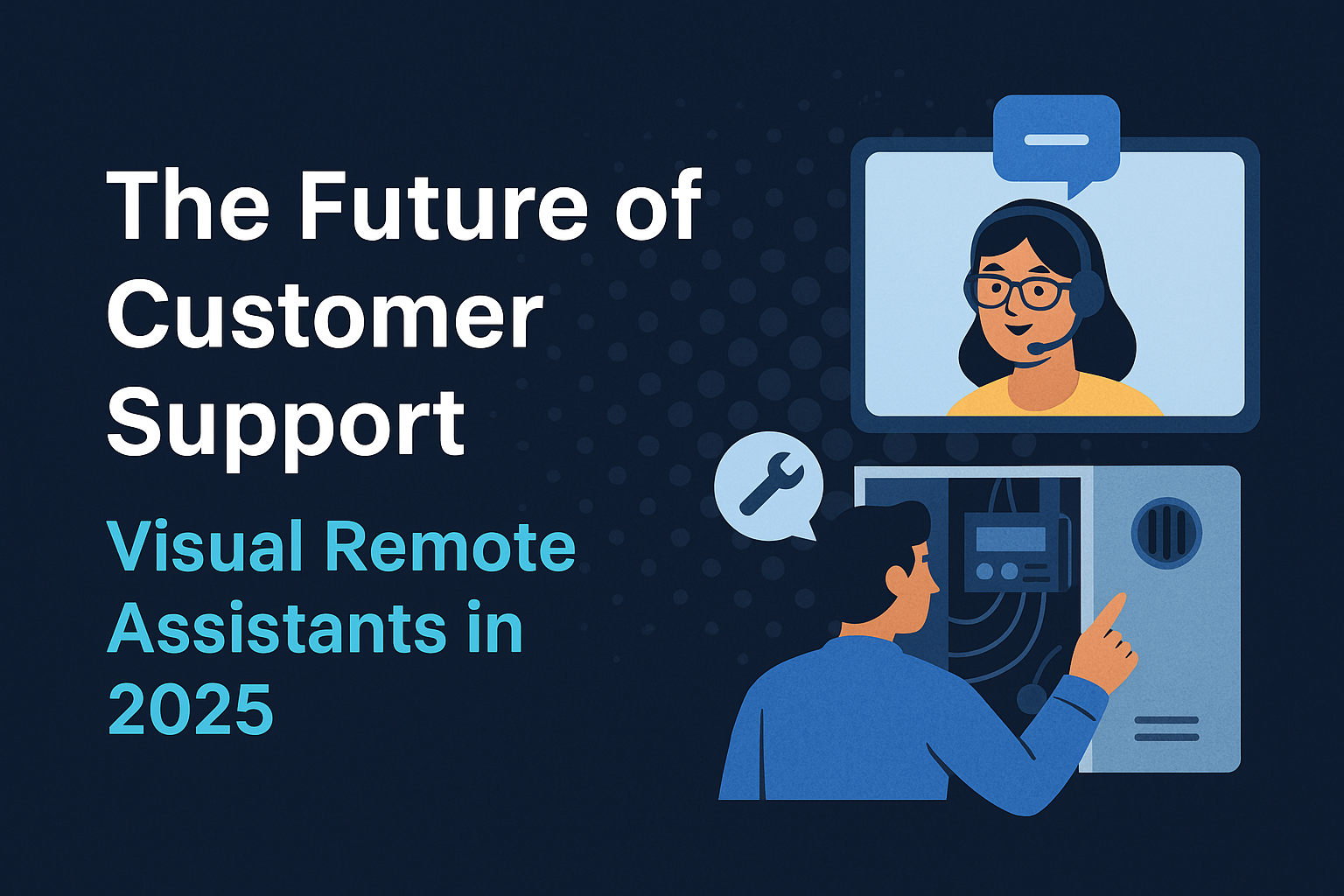
With remote visual troubleshooting, EV service teams can diagnose and resolve many issues instantly — without dispatching a truck. Let’s explore how remote assistance is reducing truck rolls and reshaping EV service.
What Is a Truck Roll — and Why Is It So Expensive?
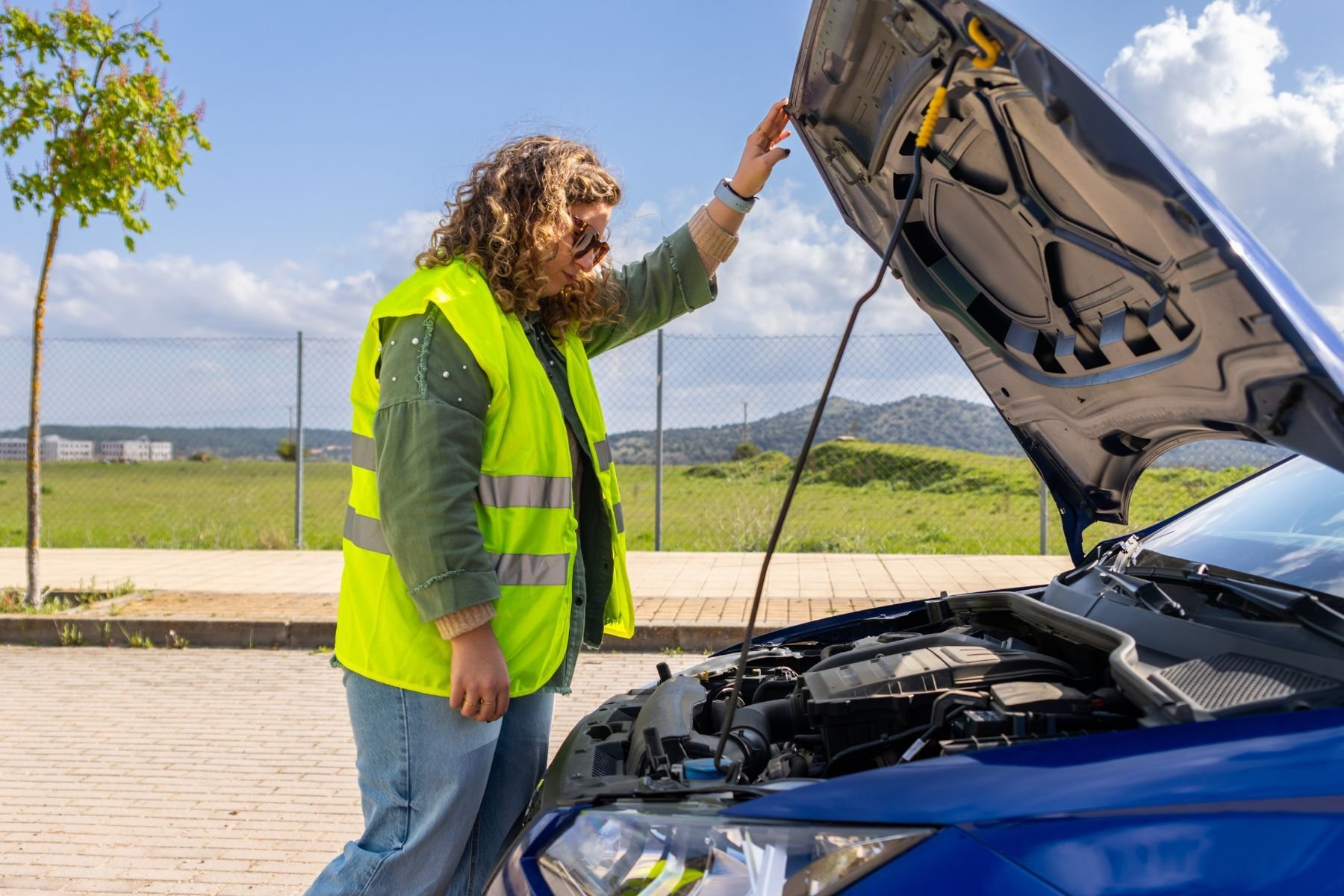
A truck roll happens when a technician is dispatched to physically inspect or fix a vehicle. Traditionally, this has been the only way to troubleshoot car issues.
But in the EV era, many problems are:
• Software-related
• Interface-related
• Charging-related
• Sensor-related
• User-operation related
In other words, they’re visible and diagnosable remotely. However, organizations still send technicians because they lack visual context. In result, car manufacturers suffer from high costs and wasted resources.
The result? High costs and wasted resources. A single truck roll can cost hundreds of dollars — sometimes more than the repair itself.
Why EVs Create New Troubleshooting Challenges
Electric vehicles behave differently from traditional combustion vehicles. Instead of mechanical failures, EV issues often involve:
• Charging setup confusion
• Dashboard alerts and warnings
• Mobile app connectivity issues
• Home charger configuration
• Firmware update errors
• Sensor calibration concerns
Drivers often don’t know whether an alert is critical or harmless. That uncertainty leads to service calls, roadside assistance, or dealership visits. Many of these situations don’t require tools — they require guidance.
The Rise of Remote Visual Troubleshooting
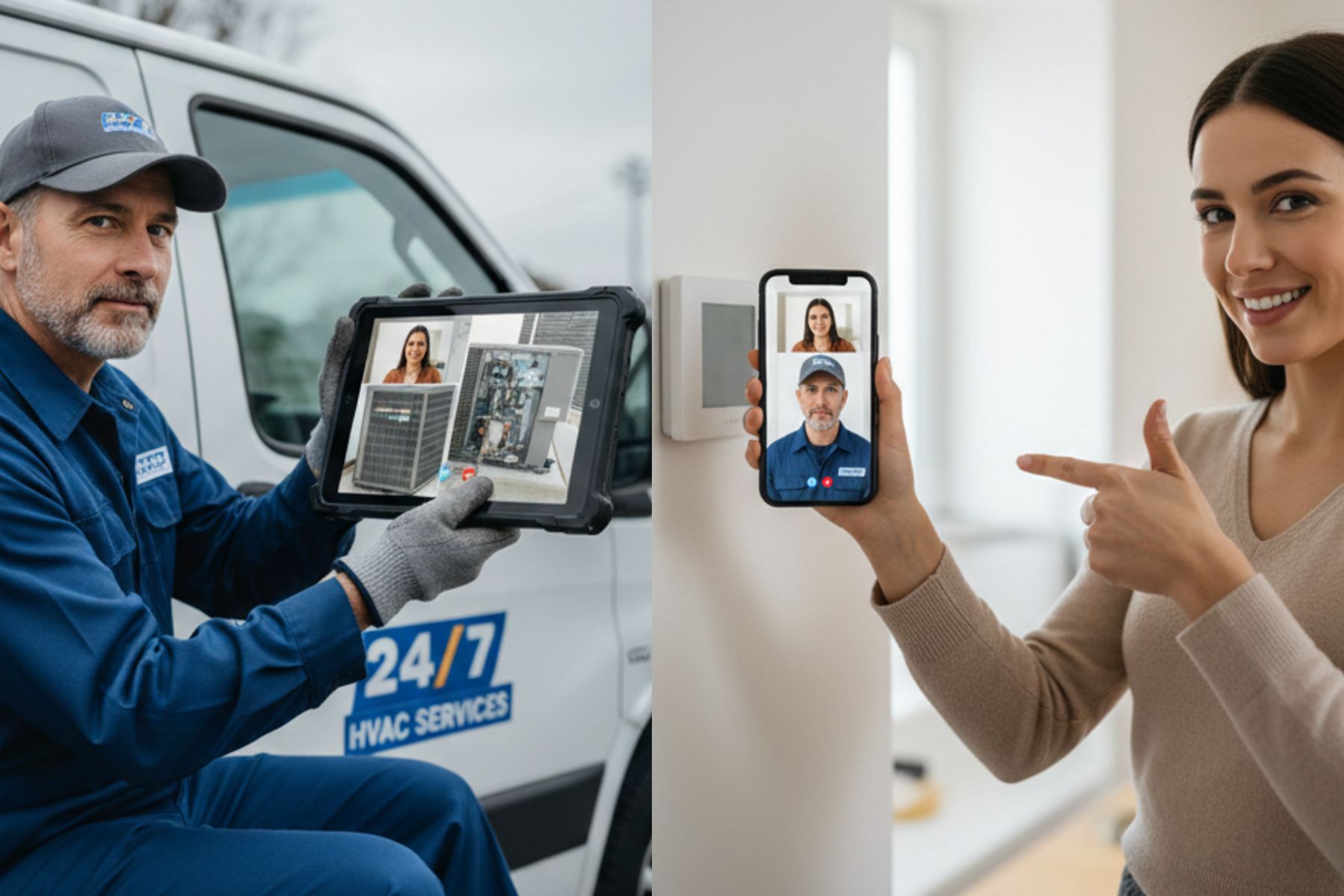
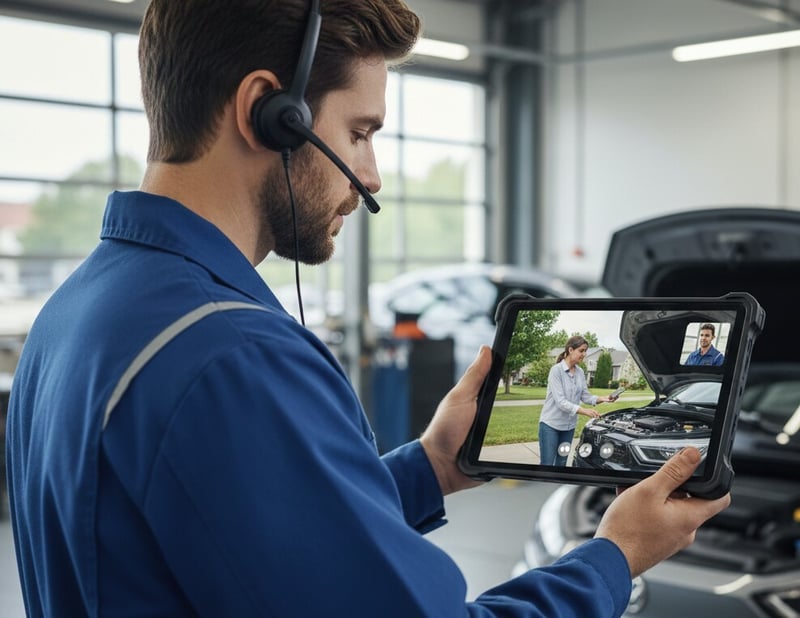
Remote troubleshooting allows service teams to see what the driver sees through secure video sessions. Instead of asking drivers to describe warning lights, technicians can simply look at the dashboard in real time. Moreover, service teams don't have to guess about other issues like charger setup and dispatch technicians over issues that can be resolved remotely.
With remote visual support, technicians can guide carowners step-by-step. For instance, carowners can take live video of their engines and collaborate in real-time with technicians. Using cobrowsing features like Blitzz Cobrowse, they can highlight engine issues, take screenshots, and even make notes, which the technician from the other side of the screen can see at the same. This transforms the support experience from reactive to efficient.
What Is Visual Remote Assistance for EV Support?
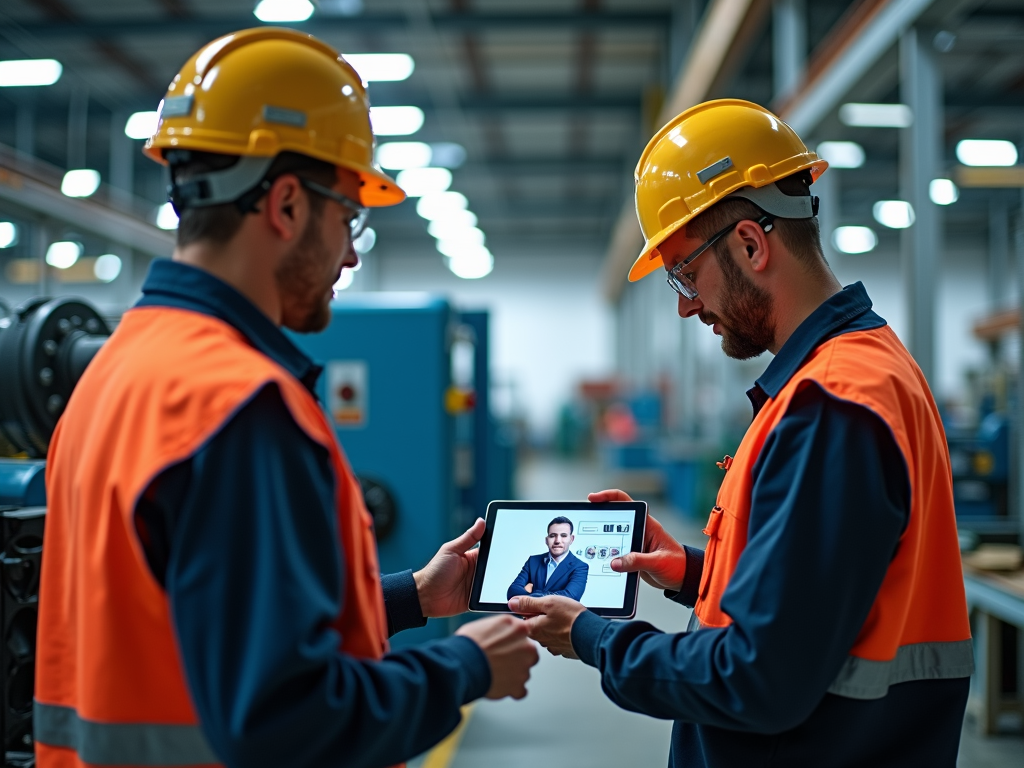
Visual remote assistance connects EV drivers and service teams through live, interactive video sessions. Drivers can join instantly via SMS or email link — no app downloads required, just like Blitzz Cobrowse.
Using visual remote assistance, technicians can:
• See the vehicle in real time
• Capture photos for documentation
• Annotate on screen to guide drivers
• Walk drivers through troubleshooting
• Verify fixes instantly
This turns a potential service dispatch into a quick remote session.
Common EV Issues That Don’t Require a Truck Roll
Let’s look at the real-world problems that can often be solved remotely.
Charging Problems
Drivers frequently struggle with charging cables, connectors, breaker issues, or charging settings. Remote video allows technicians to visually inspect the charger, cables, and dashboard charging messages.
Dashboard Alerts & Warning Lights
EV dashboards display complex notifications that drivers may misinterpret. Seeing the dashboard live allows support teams to diagnose issues quickly and determine if service is actually needed.
Home Charger Setup
Incorrect installation or configuration of home chargers is common. Visual assistance helps technicians guide users through setup safely and correctly.
Mobile App Connectivity
Many EV features rely on companion apps. Remote sessions allow agents to cobrowse and guide drivers through app settings and pairing.
Software Update Issues
Firmware updates can confuse drivers. Visual guidance ensures updates are completed correctly without dealership visits.
The Financial Impact of Reducing Truck Rolls
Reducing truck rolls delivers significant financial benefits for organizations by cutting unnecessary dispatches and streamlining service operations. With remote troubleshooting, companies can lower overall service costs, minimize technician travel time, resolve cases faster, expand service capacity, and improve first-time fix rates. Even a single remote session can save hundreds of dollars in dispatch expenses, and when scaled across thousands of service requests, the cost savings and efficiency gains become substantial.
Empowering Dealerships and Roadside Assistance
Dealerships and roadside teams often dispatch technicians “just in case." Remote visual support enables smarter triage:
• Determine if dispatch is necessary
• Identify required parts in advance
• Reduce repeat visits
• Increase technician efficiency
When dispatch is required, it becomes more informed and more effective. Want to see how Blitzz can transform your EV service and reduce unnecessary truck rolls? Book a demo with us today and experience remote visual troubleshooting in action.