
.png?width=120&height=55&name=Blitzz-Logo-right%20white%20eyes%20-%20not%20transparent%20(3).png)
Property inspections play a critical role in insurance underwriting, claims processing, and risk assessment. Yet for many organizations, inspections remain one of the biggest operational bottlenecks—slowing down cycle times, increasing costs, and frustrating both inspectors and homeowners.
As inspection volumes rise and expectations for faster resolutions grow, these inefficiencies are becoming impossible to ignore. Below are the 10 biggest bottlenecks in property inspections, along with how modern teams are actively fixing them using smarter workflows and technology.
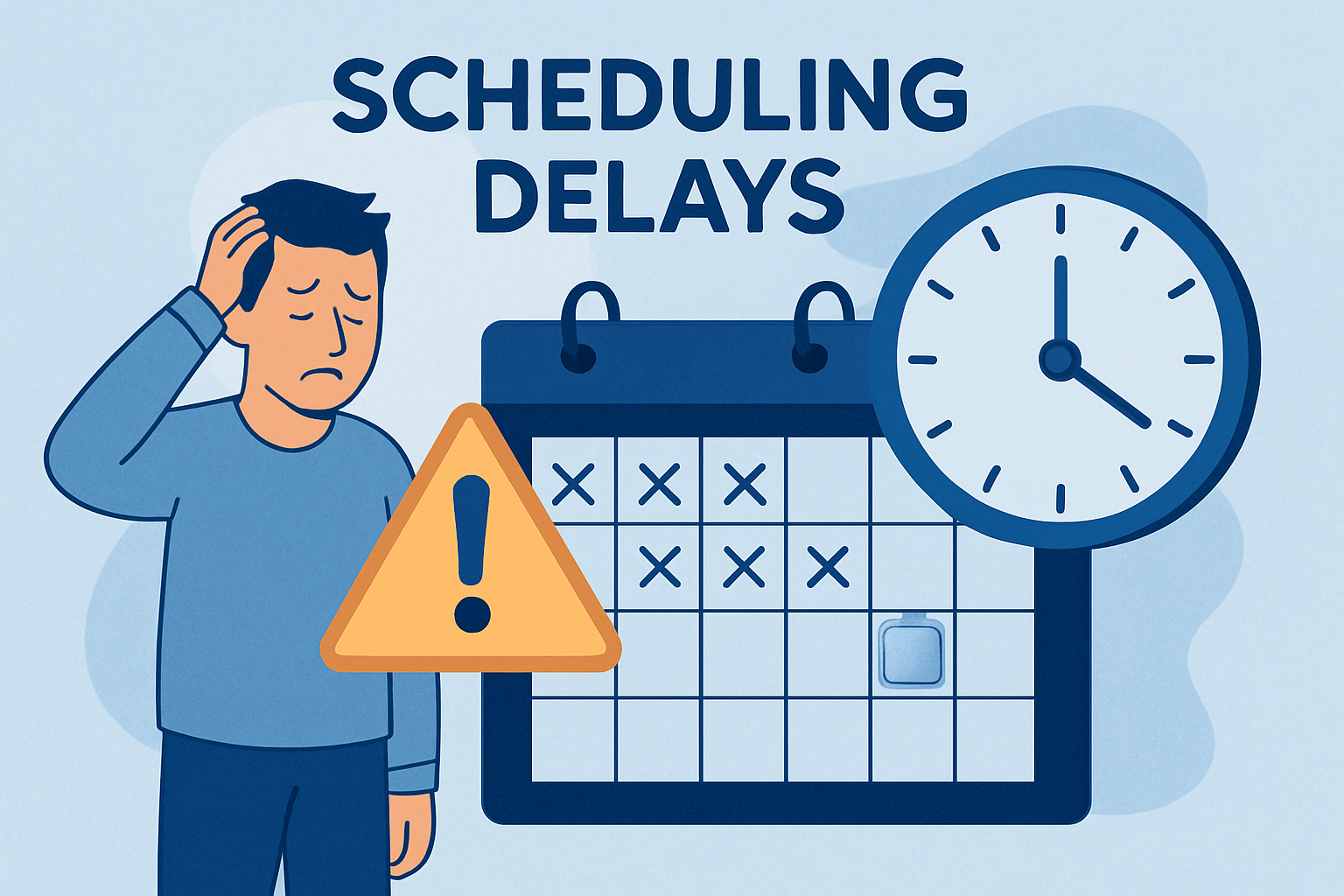
Scheduling Delays
Scheduling is often the first major roadblock in the inspection process. Coordinating availability between inspectors, homeowners, tenants, and adjusters can take days—or even weeks. Missed appointments and last-minute cancellations only compound the problem, pushing inspections further down the timeline.
How teams are fixing it:
Insurance and inspection teams are moving toward remote and flexible inspection models. Guided video inspections allow inspections to be completed sooner without requiring everyone to be physically present at the same time, dramatically reducing scheduling friction.
Inspector Travel Time
Travel time is one of the most overlooked inefficiencies in property inspections. Inspectors may spend hours driving between locations, limiting the number of inspections they can complete in a single day and increasing operational costs.
How teams are fixing it:
Remote inspection workflows eliminate unnecessary travel, allowing inspectors to conduct multiple inspections from one location. This improves productivity while expanding coverage into previously hard-to-reach areas.
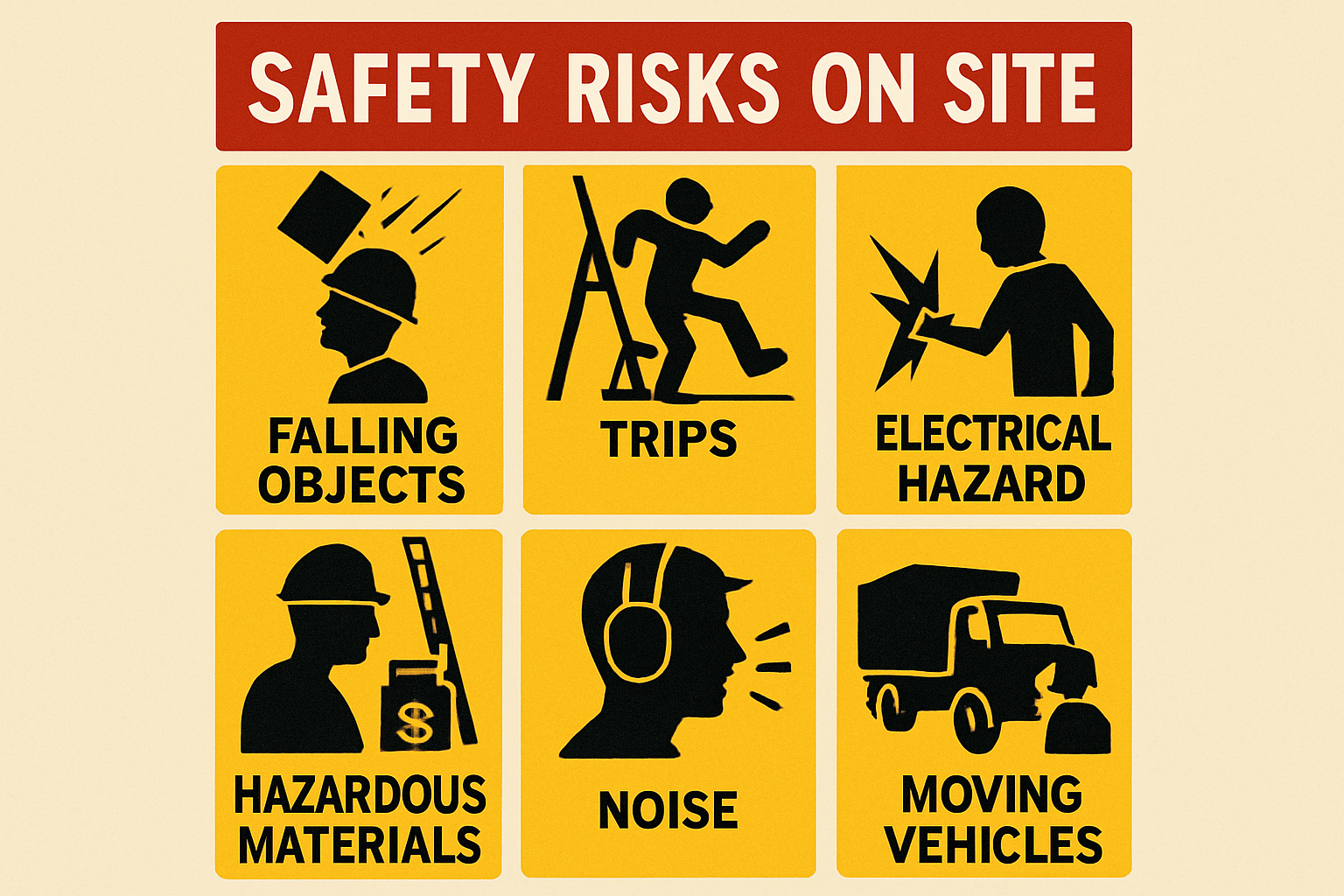
Safety Risks on Site
Physical inspections often involve hazards such as climbing ladders, accessing roofs, entering crawl spaces, or navigating damaged structures. These risks can delay inspections, require specialized equipment, or even lead to injuries.
How teams are fixing it:
Many teams now use remote video inspections to assess conditions before sending inspectors on-site. This approach improves safety, helps prioritize high-risk inspections, and reduces unnecessary exposure.
Inspection Backlogs During Peak Seasons
Severe weather events, natural disasters, and seasonal claim surges can overwhelm inspection teams. Backlogs grow quickly, leading to long wait times and dissatisfied policyholders.
How teams are fixing it:
Hybrid inspection models—combining remote and on-site inspections—allow teams to scale capacity quickly. Remote inspections are used to triage cases, clear low-complexity inspections, and reserve in-person visits for situations that truly require them.
Inconsistent Inspection Quality
When inspections are conducted by different inspectors using different methods, the quality and completeness of reports can vary. Inconsistent documentation often leads to follow-up questions, re-inspections, and delays in approvals.
How teams are fixing it:
Standardized digital checklists and guided inspection workflows ensure that every inspection follows the same process. This creates more consistent, reliable results regardless of who conducts the inspection.
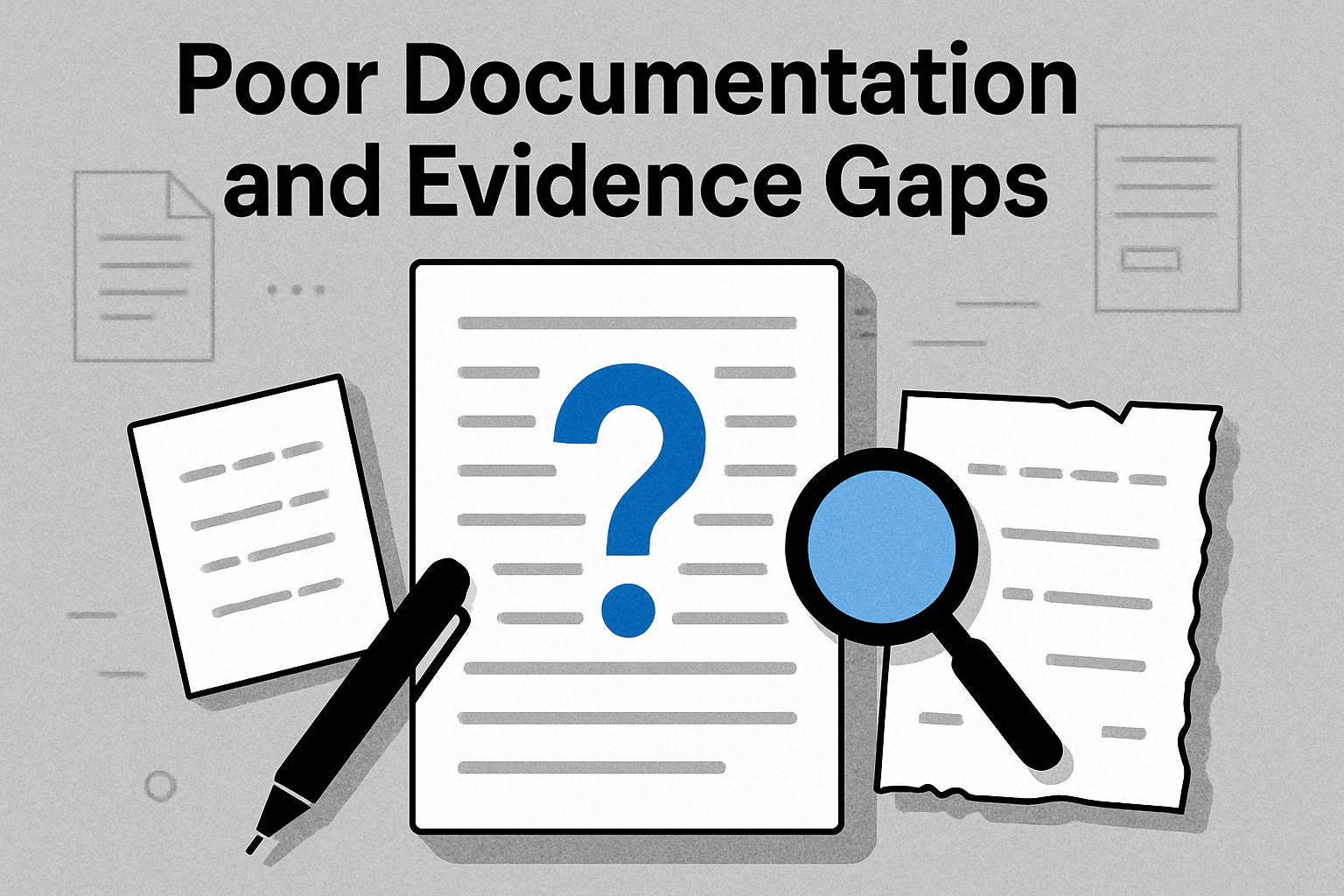
Poor Documentation and Evidence Gaps
Missing photos, unclear notes, or incomplete documentation can stall underwriting or claims decisions. Evidence gaps also increase the risk of disputes and compliance issues.
How teams are fixing it:
Video-based inspections enable inspectors to capture real-time visual evidence, request close-ups instantly, and document findings more clearly. This results in stronger, more defensible inspection records.
Limited Coverage in Remote or Rural Areas
Properties located in rural or remote areas often face longer inspection timelines due to limited inspector availability and extended travel requirements.
How teams are fixing it:
Remote inspection technology removes geographic limitations, allowing inspections to be conducted anywhere a smartphone and internet connection are available. This expands coverage without increasing staffing costs.
High Inspection Costs
Traditional inspections come with significant expenses, including travel, labor hours, repeat visits, and administrative overhead. These costs add up quickly—especially at scale.
How teams are fixing it:
By reducing travel and streamlining workflows, remote inspection platforms help lower overall inspection costs while maintaining inspection quality and compliance.

Homeowner No-Shows and Access Issues
Inspections are frequently delayed when homeowners or tenants are unavailable or when access to the property is restricted. Each failed visit creates additional scheduling and operational strain.
How teams are fixing it:
Self-guided and scheduled video inspections allow homeowners to participate at a convenient time, reducing no-shows and improving completion rates.
Slow Review and Approval Cycles
Even after an inspection is completed, delays can occur when reports are stored in disconnected systems or require manual review and follow-ups.
How teams are fixing it:
Centralized inspection platforms streamline data capture, reporting, and sharing. This allows underwriting and claims teams to review inspection results faster and make decisions with confidence.
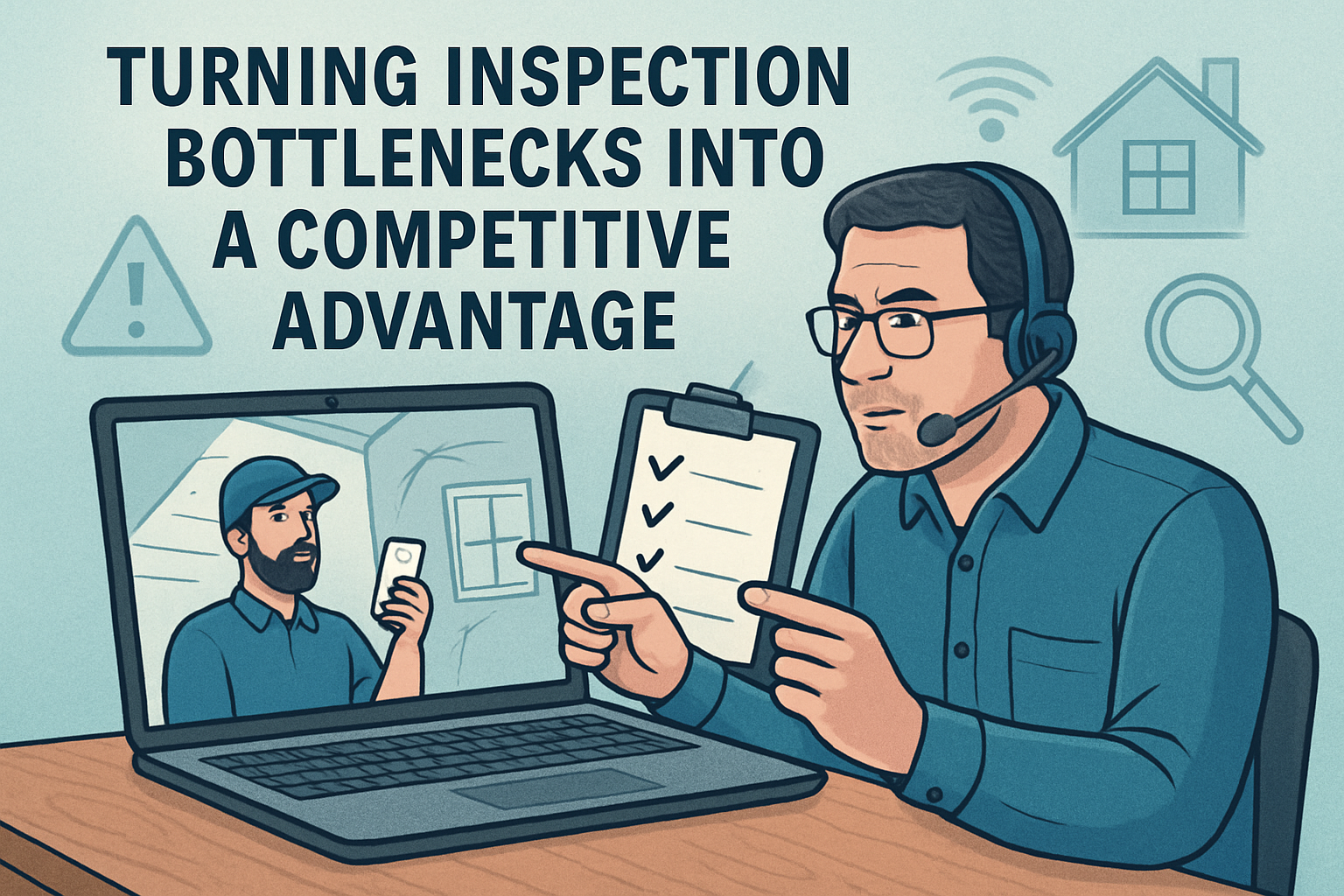
Turning Inspection Bottlenecks into a Competitive Advantage
Property inspection bottlenecks don’t just slow operations—they impact customer satisfaction, claim outcomes, and overall profitability. The most forward-thinking inspection teams aren’t solving these challenges by adding more staff or extending timelines; they’re rethinking how inspections are conducted using modern technology.
By embracing remote inspection software powered by platforms like Blitzz, teams can reduce delays, improve safety, and complete inspections faster—while still delivering the accuracy and documentation insurers rely on.
As the industry moves forward, the future of property inspections isn’t about working harder—it’s about inspecting smarter with tools built for scale, speed, and flexibility.
Book a demo with Blitzz to see how remote video inspections can help you eliminate bottlenecks and modernize your inspection process.
Review these FAQs
What is a remote home inspection?
A remote home inspection is conducted using live video instead of an in-person visit. A homeowner or on-site contact streams video through a smartphone while a licensed inspector guides the inspection in real time.
What bottlenecks do remote home inspections help eliminate?
Remote inspections reduce scheduling delays, travel time, inspector availability issues, safety risks, and long report turnaround times—some of the biggest bottlenecks in traditional inspections.
Are remote home inspections accepted by insurance companies?
Yes. Many insurance carriers now accept remote home inspections for underwriting, renewals, and certain claims, especially when inspections are guided and properly documented.
What does a homeowner need for a remote inspection?
Homeowners typically only need a smartphone with a camera and internet connection. No special equipment or app downloads are required when using browser-based inspection platforms.
How does remote inspection software improve inspection efficiency?
Remote inspection software enables real-time guidance, instant photo capture, standardized workflows, and faster documentation—helping inspection teams complete more inspections with fewer delays.
.jpg)