
.png?width=120&height=55&name=Blitzz-Logo-right%20white%20eyes%20-%20not%20transparent%20(3).png)
Many people choose to buy a new home because it’s exciting, but what you may not realize is that even new construction can have hidden issues. Contractors sometimes cut corners to save time or money, which is why a home inspection is so important. A home inspection gives you a final opportunity to uncover any problems before you commit to the purchase. While some buyers may hesitate at the additional cost, the long-term savings and peace of mind that come from a thorough inspection are well worth it.
A home is more than just four walls. It’s a place of comfort, security, and peace of mind. Today on the blog, we’ll walk you through everything you need to know about home inspections.
What is Home Inspection?
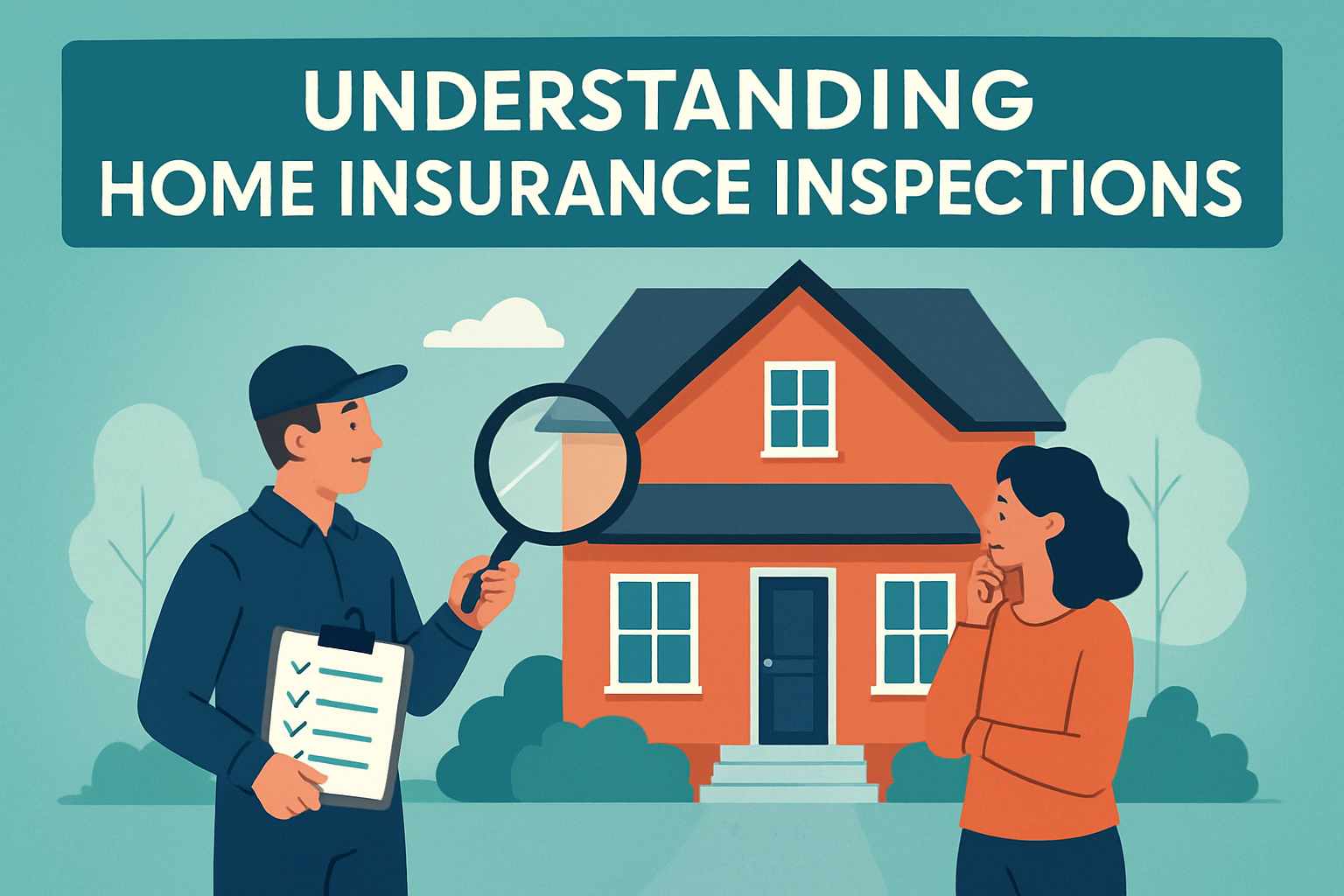
A home inspection is a crucial step in the home-buying process. While it’s not always required, it’s highly recommended to have a professional inspect a property before you buy. Inspectors check for faulty construction, hidden defects, and safety issues that may not be visible at first glance. Beyond protecting your investment, a thorough home inspection can also impact your homeowners' insurance, helping ensure your coverage accurately reflects your home’s condition and can prevent complications when filing future insurance claims.
Home Inspection vs. Appraisal: What’s the Difference?
While home inspections and appraisals are both important steps in the home-buying process in the U.S., they serve very different purposes.
A home inspection is a detailed evaluation of a property’s condition. A licensed home inspector visits the home—traditionally in person—to examine its structure, systems, and safety features. They look at the roof, foundation, electrical and plumbing systems, HVAC, and more, identifying defects or potential issues that could affect the home’s functionality and safety. Home inspections can also be conducted remotely using modern tools, but the goal remains the same: to give buyers a clear understanding of the property’s current condition.
An appraisal, on the other hand, is focused on the property’s market value. A licensed appraiser assesses the home’s worth based on factors like location, size, comparable sales in the area, and overall market trends. Unlike inspections, appraisals rarely involve detailed system testing—they are primarily used by lenders to ensure the home is worth the amount being financed.
Who Conducts Home Inspection
Home inspections are performed by licensed or certified home inspectors, professionals trained to evaluate a property’s condition and identify potential issues. In the U.S., licensing requirements vary by state. Typically, a home inspector must have a combination of education, field experience, and testing to practice legally. Field experience often includes supervised inspections or training under a licensed inspector, giving them hands-on knowledge of systems like plumbing, electrical, HVAC, and structural components. To know whether you’re dealing with the right person, having knowledge of the different requirements for a home inspector in each state is important.
How Does a Home Inspection Help Buyers?
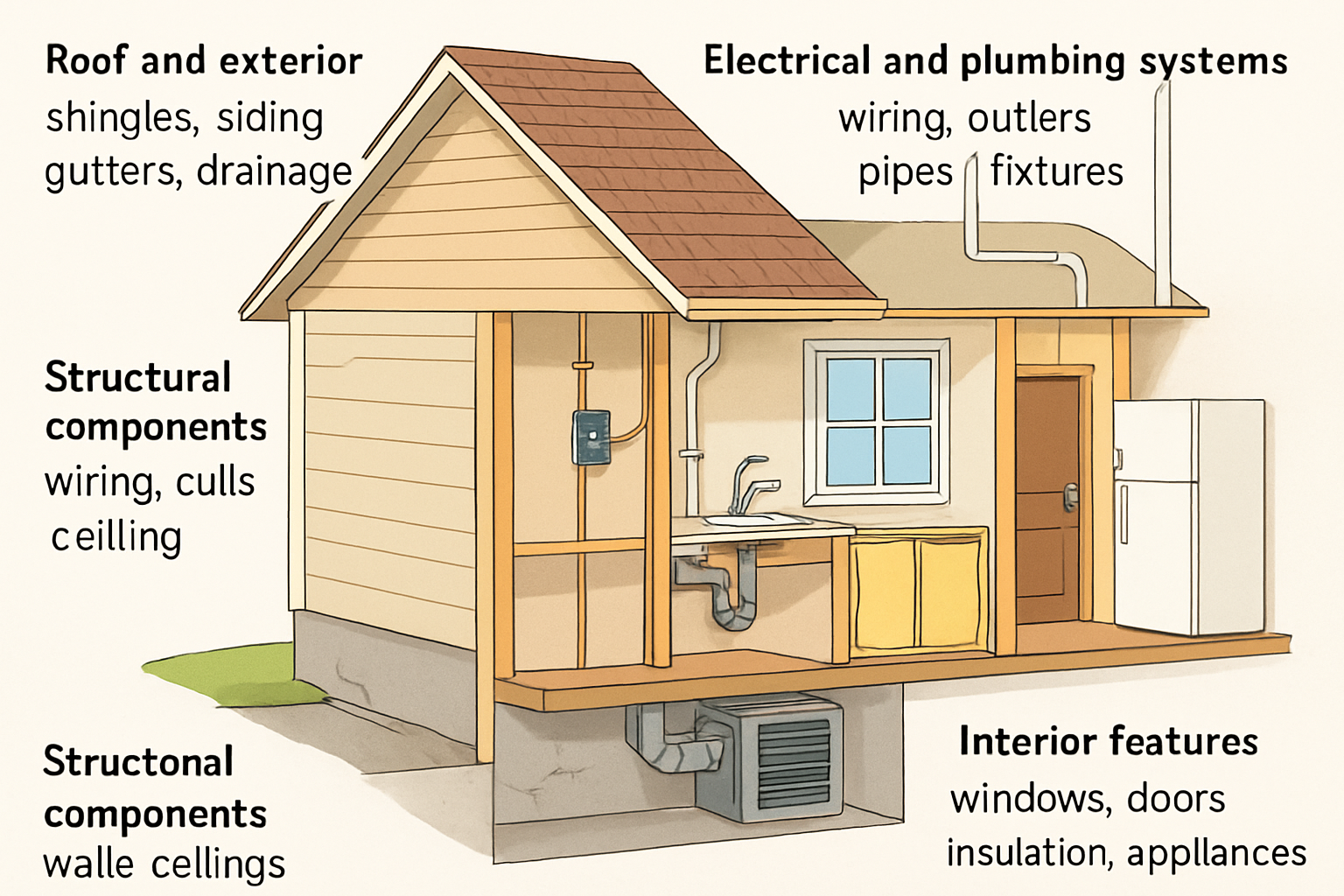
During a home inspection, a licensed home inspector typically visits the property to conduct a thorough evaluation. They examine key areas of the home to ensure everything is in good condition and identify potential issues. Common things they check include:
- Roof and exterior: shingles, siding, gutters, and drainage
- Structural components: foundation, walls, and ceilings
- Electrical and plumbing systems: wiring, outlets, pipes, and fixtures
- Heating, ventilation, and air conditioning (HVAC): functionality and safety
- Interior features: windows, doors, insulation, and appliances
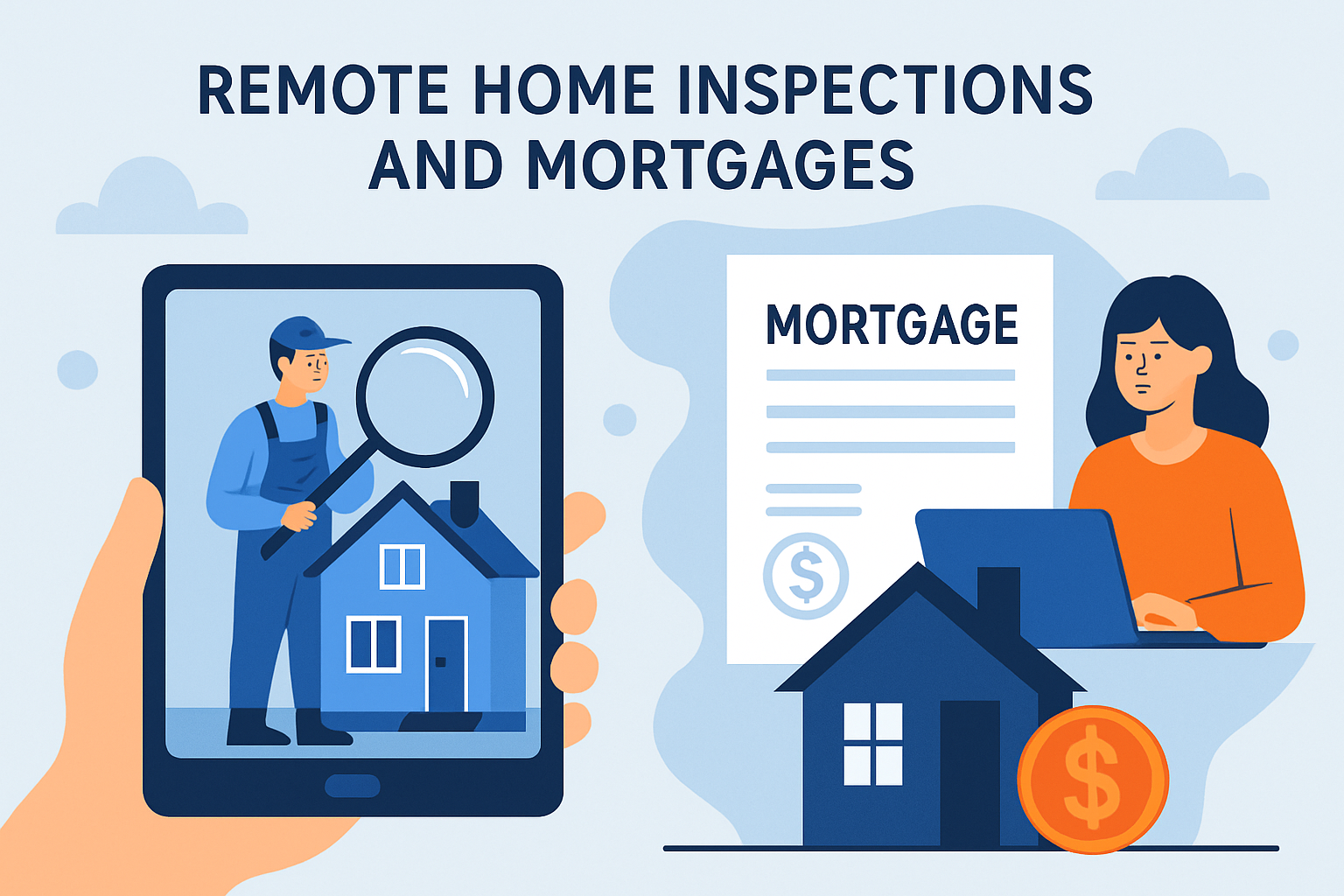
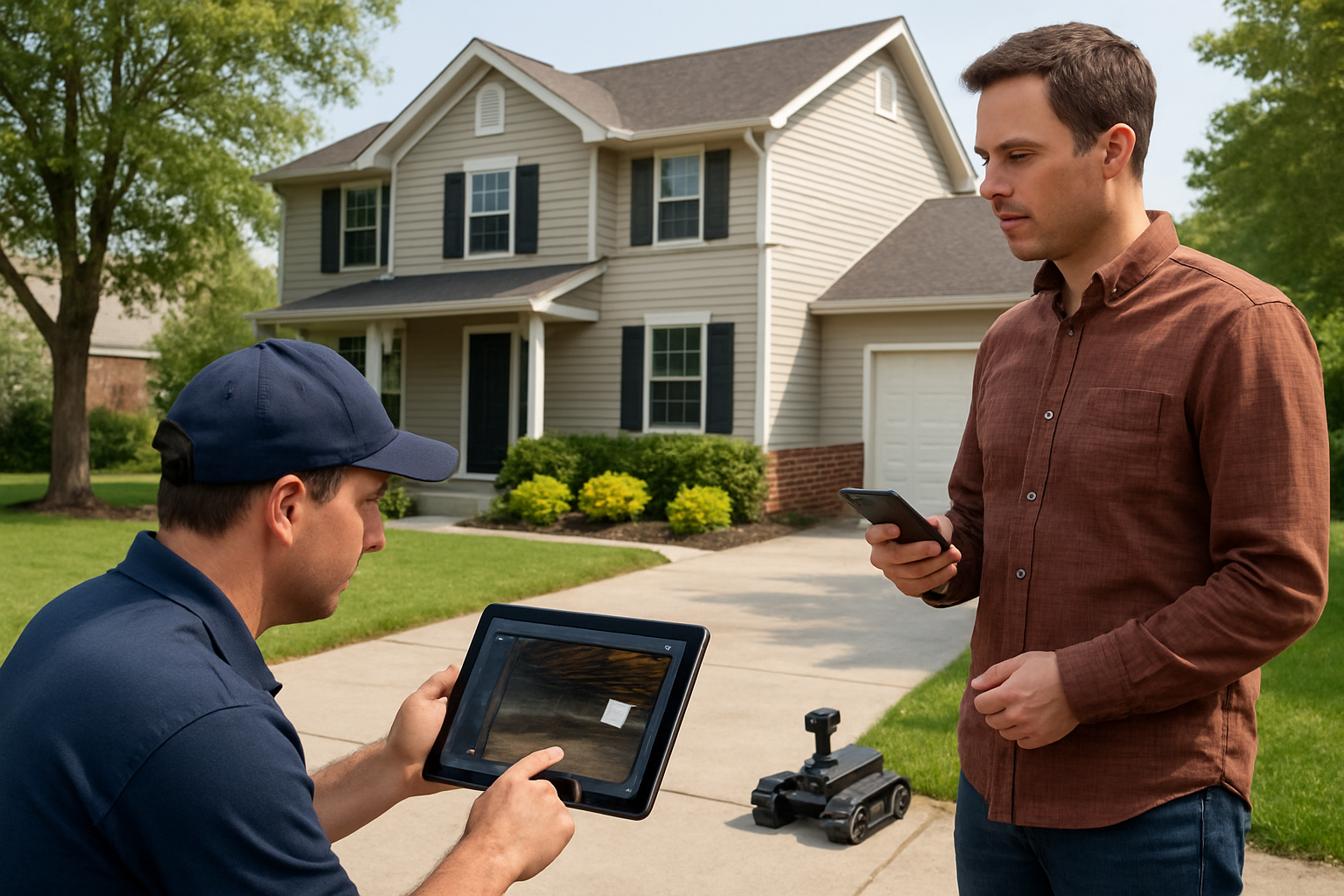
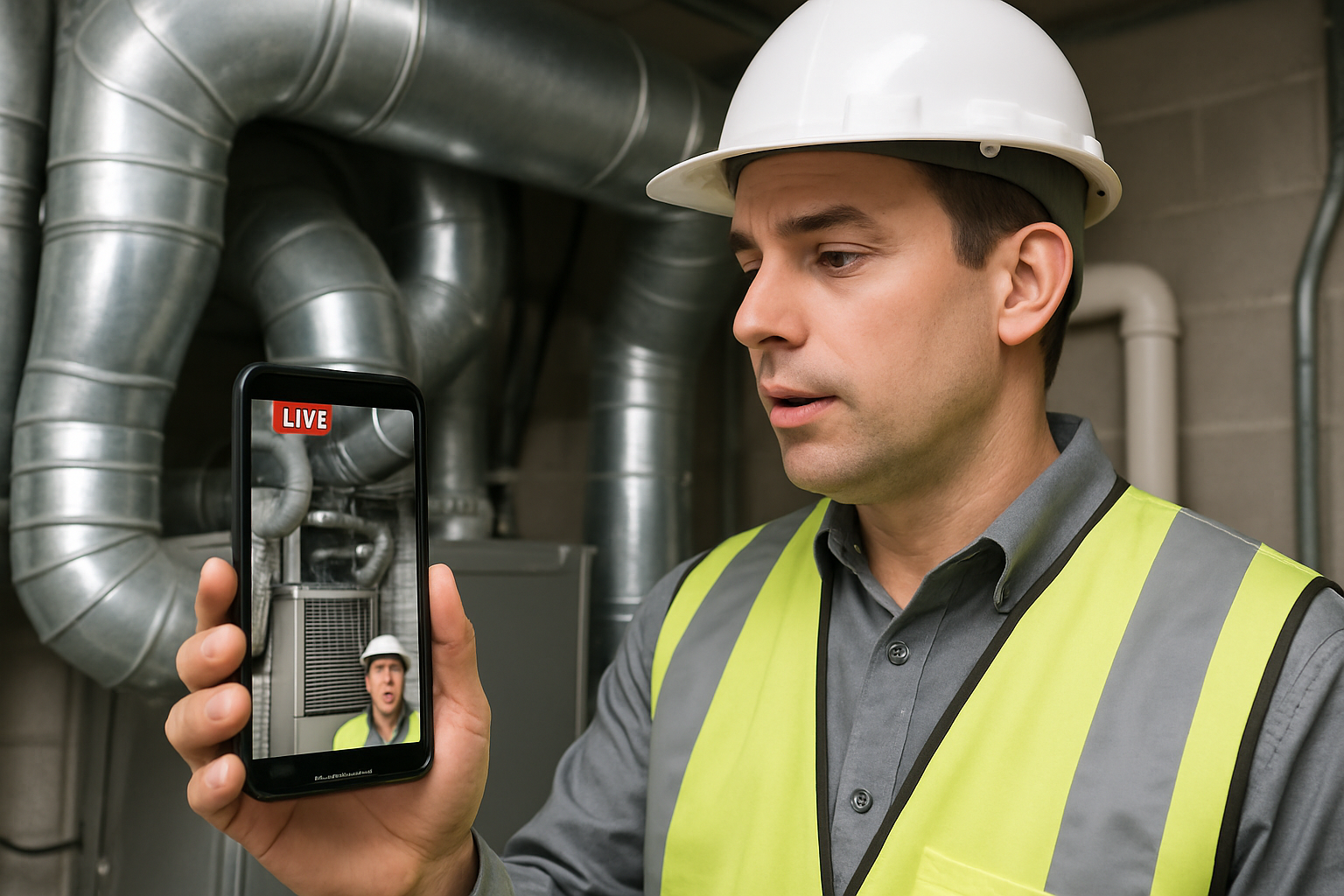
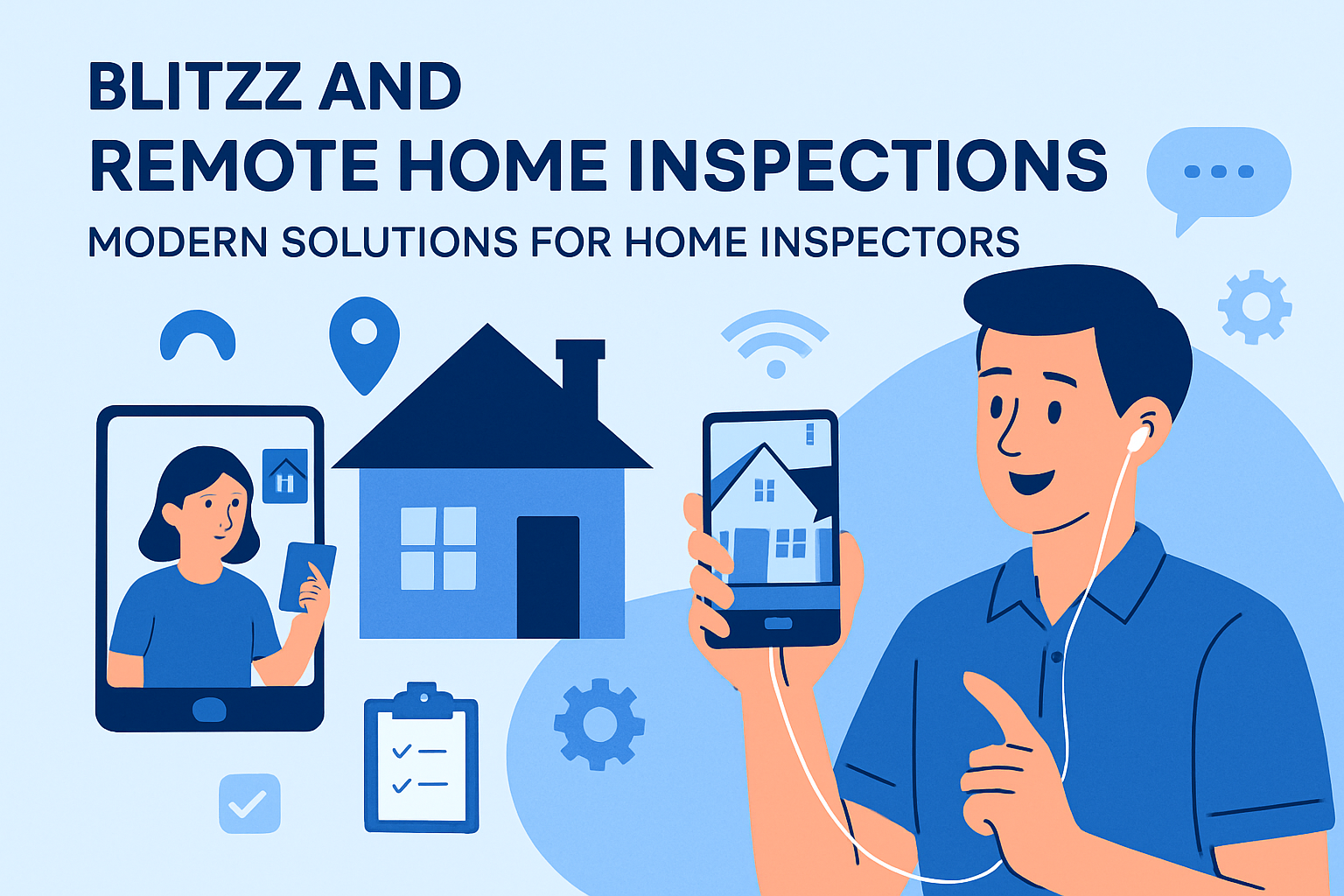
Conversely, home inspections can also be conducted remotely with the help of tools like Blitzz, allowing inspectors to guide homeowners or agents through a video inspection, capture real-time data, and generate detailed reports—all without being on-site.
New Construction Home Inspection Checklist
For home inspectors and home buyers, a thorough inspection of a newly constructed home is essential. Here is a detailed checklist of the key areas for a successful inspection:
- Confirm that all municipal inspections and permits have been properly completed.
- Check the foundation for cracks, settling, or any moisture issues.
- Ensure floors are level and free of squeaks or uneven spots.
- Inspect exterior structures such as decks, patios, and pavers to make sure they are properly installed and level.
- Verify that roof shingles are correctly aligned, undamaged, and properly installed.
- Check insulation in walls, ceilings, and floors and look for drafts around doors and windows.
- Inspect electrical, plumbing, and HVAC systems for proper operation, leaks, or safety hazards.
- Ensure stairways, railings, and other safety features are secure and compliant with building codes.
- Assess property drainage and look for areas prone to standing water or potential flooding.
- Examine pipes, ductwork, and structural components for any visible cracks, leaks, or damage.
New Construction Home Inspection Costs
Worried about the cost? On average, a home inspection for a single-family home ranges between $300 and $500. While this may feel like an extra expense, the potential savings from detecting issues early can be substantial. With hundreds of thousands of dollars invested in your home, spending a few hundred dollars upfront is a small price for peace of mind.
Why Inspect a New Construction Home?
- Prevent Costly Repairs
A home inspection can uncover problems that might otherwise go unnoticed until months or even years later. Small defects—like improperly installed floor joists, support beams, or subfloors—can lead to major structural issues over time, costing tens of thousands of dollars to repair. Even minor issues, such as sealing drafts, securing railings, or fixing poorly installed trim, can add up quickly. - Boost Energy Efficiency
An inspection can also identify opportunities to make your home more energy-efficient. From simple fixes like weatherstripping doors and windows to more extensive upgrades such as installing a modern HVAC system, early intervention can save money and improve comfort. - Gain Negotiation Leverage
Finding defects during inspection gives you bargaining power. Contractors may cover repair costs, or you could negotiate a lower purchase price to handle the fixes yourself. This helps protect you from liabilities that aren’t your responsibility.
New construction homes often require extra attention since some problems only become apparent after the home has been lived in for a while. Conducting multiple inspections and working with contractors who follow best practices and consult with qualified professionals can help ensure your investment is secure and your new home is built to last.
Blitzz and Remote Home Inspections: Modern Solutions for Home Inspectors
With Blitzz, conducting home inspections has never been easier or more efficient. Inspectors can perform remote video inspections with accuracy and confidence, capturing clear visuals of everything from roof shingles to plumbing systems. Every detail can be recorded, documented, and securely stored within the platform, helping you streamline your workflow while delivering a top-tier inspection experience.
Not only does Blitzz make inspections faster and more convenient, but it also helps homeowners stay organized, track inspection findings, and communicate seamlessly with builders and contractors. For new home buyers, this technology provides peace of mind, giving you the confidence that your investment is thoroughly evaluated—even before you move in.
By integrating Blitzz into your inspection process, you can uncover potential issues early, save time, and make informed decisions about repairs, energy efficiency, and safety. It’s the modern solution for smarter, more efficient home inspections. Book a demo with Blitzz to see it in action.