
.png?width=120&height=55&name=Blitzz-Logo-right%20white%20eyes%20-%20not%20transparent%20(3).png)
Buying a home is exciting—but making sure it’s properly protected is just as important. One key part of that process may involve a home insurance inspection, something many homeowners aren’t aware of until their insurer requests one. Whether you’re getting insurance for a brand-new home or renewing an existing policy, understanding how these inspections work can help you avoid surprises, secure the right coverage, and keep your premiums accurate.
In this guide, we’ll break down everything you need to know about home insurance inspections in the United States, including how they work, why insurers require them, and what homeowners should expect.
What Is a Home Insurance Inspection?
A home insurance inspection is an evaluation conducted by or on behalf of your insurance company to verify the condition, safety, and overall replacement value of your home. Insurers use these inspections to understand the level of risk they’re taking on before issuing or renewing your policy.
Unlike a full home inspection during the home-buying process—which examines every corner of the house—an insurance inspection is often more focused and tailored to what the insurer needs to assess. Still, it plays a big role in making sure your home is accurately insured and that your coverage aligns with your property’s actual condition.
Is a Home Insurance Inspection Required?
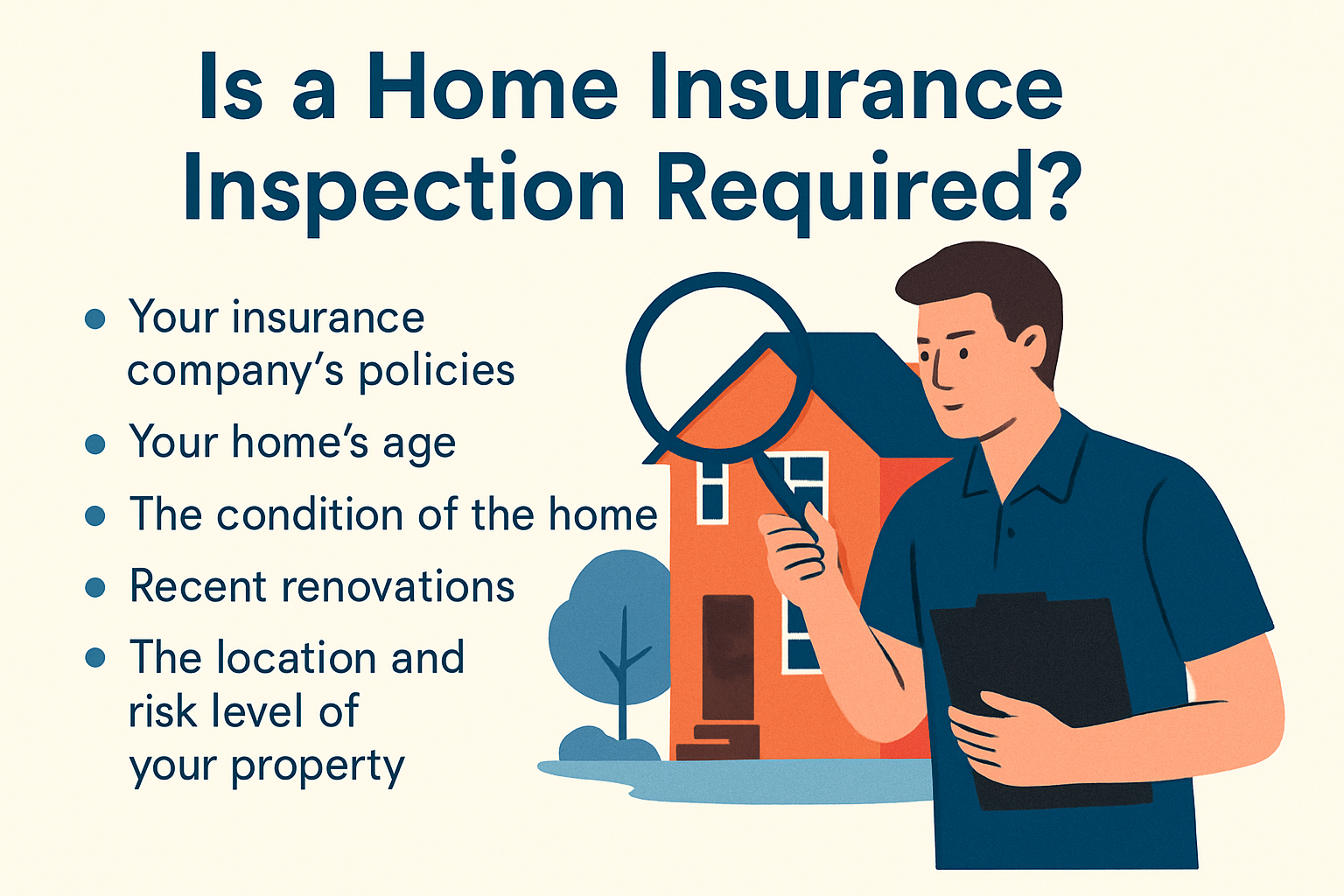
A home insurance inspection isn’t always required, but it’s very common. Whether or not you’ll need one depends on:
-
Your insurance company’s policies
-
Your home’s age
-
The condition of the home
-
Recent renovations
-
The location and risk level of your property
Many insurers request inspections for new policies, older homes, or properties in states with higher risks (storms, wildfires, floods, etc.). In some cases, an insurer may only conduct an exterior drive-by inspection. In others, they may schedule a more detailed interior walk-through.
Why Do Insurance Companies Request Inspections?
Insurance companies use inspections to ensure they’re accurately assessing the home they’re insuring. Here are the most common reasons they perform them:
1. To Verify the Replacement Cost
Insurers need to know how much it would cost to rebuild your home in case of a total loss. Construction costs, materials, and home features all affect this number.
2. To Identify Safety or Maintenance Issues
Things like old wiring, roof damage, poor drainage, or outdated plumbing can increase risk and lead to higher premiums—or required repairs.
3. To Confirm the Accuracy of Your Application
Insurers double-check details such as square footage, updates, building materials, and safety features like smoke detectors or security systems.
4. To Prevent Future Claims Disputes
By documenting the home’s condition upfront, both you and the insurer are protected if issues arise later.
What Do Inspectors Look For?
A home insurance inspection focuses on systems and structural components that impact safety and risk. Depending on your insurer, this may include:
-
Roof condition and age
-
Foundation and exterior walls
-
Electrical systems and potential fire risks
-
Plumbing, leaks, or water damage
-
HVAC equipment
-
Safety features (smoke alarms, carbon monoxide detectors, railings)
-
Signs of wear, neglect, or hazards
-
Exterior risks (trees, drainage, fences, detached structures)
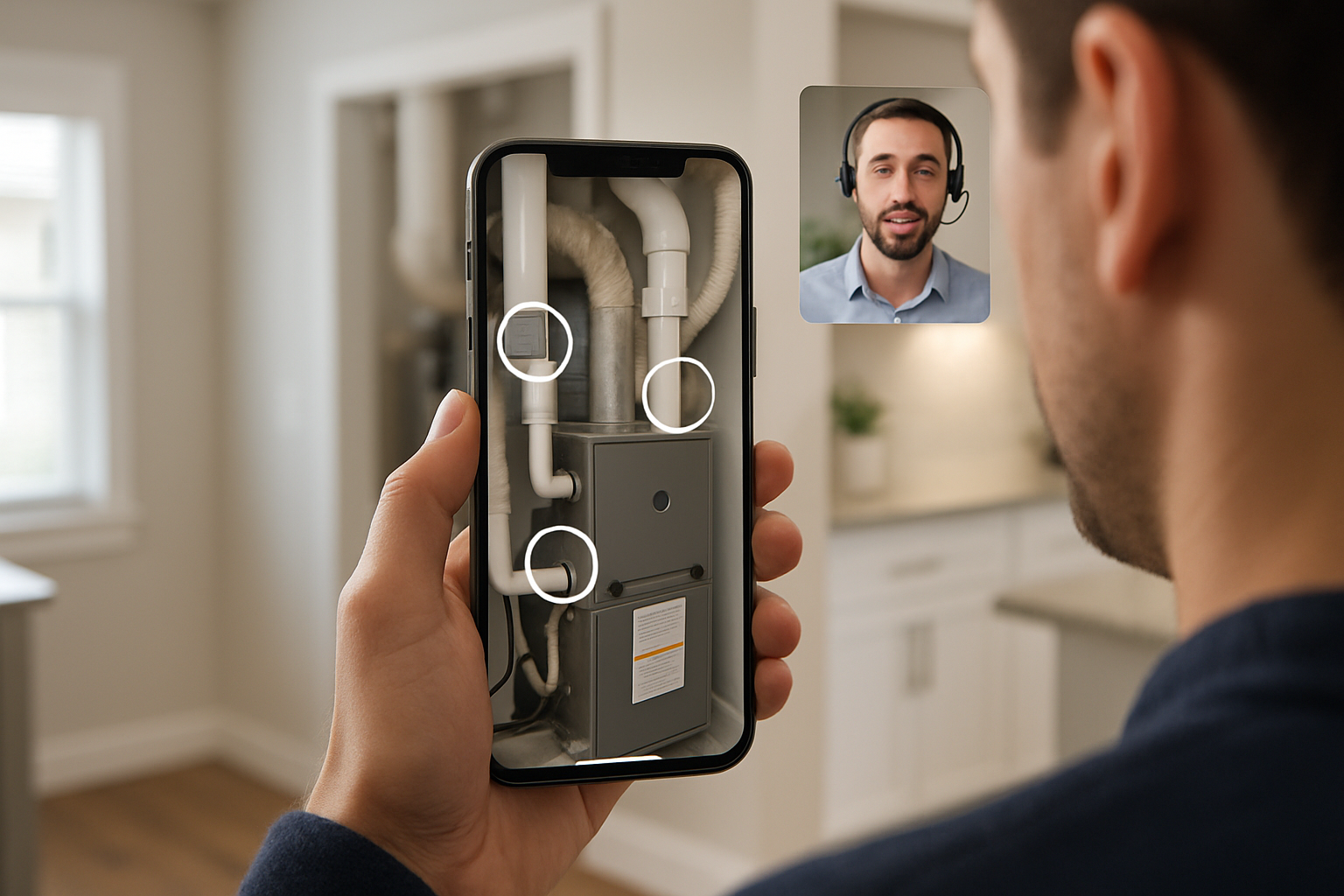
Some inspections include photos or drone footage, while others may be done through remote video inspection tools like Blitzz, allowing inspectors to verify the home quickly and safely.
How Home Insurance Inspections Work
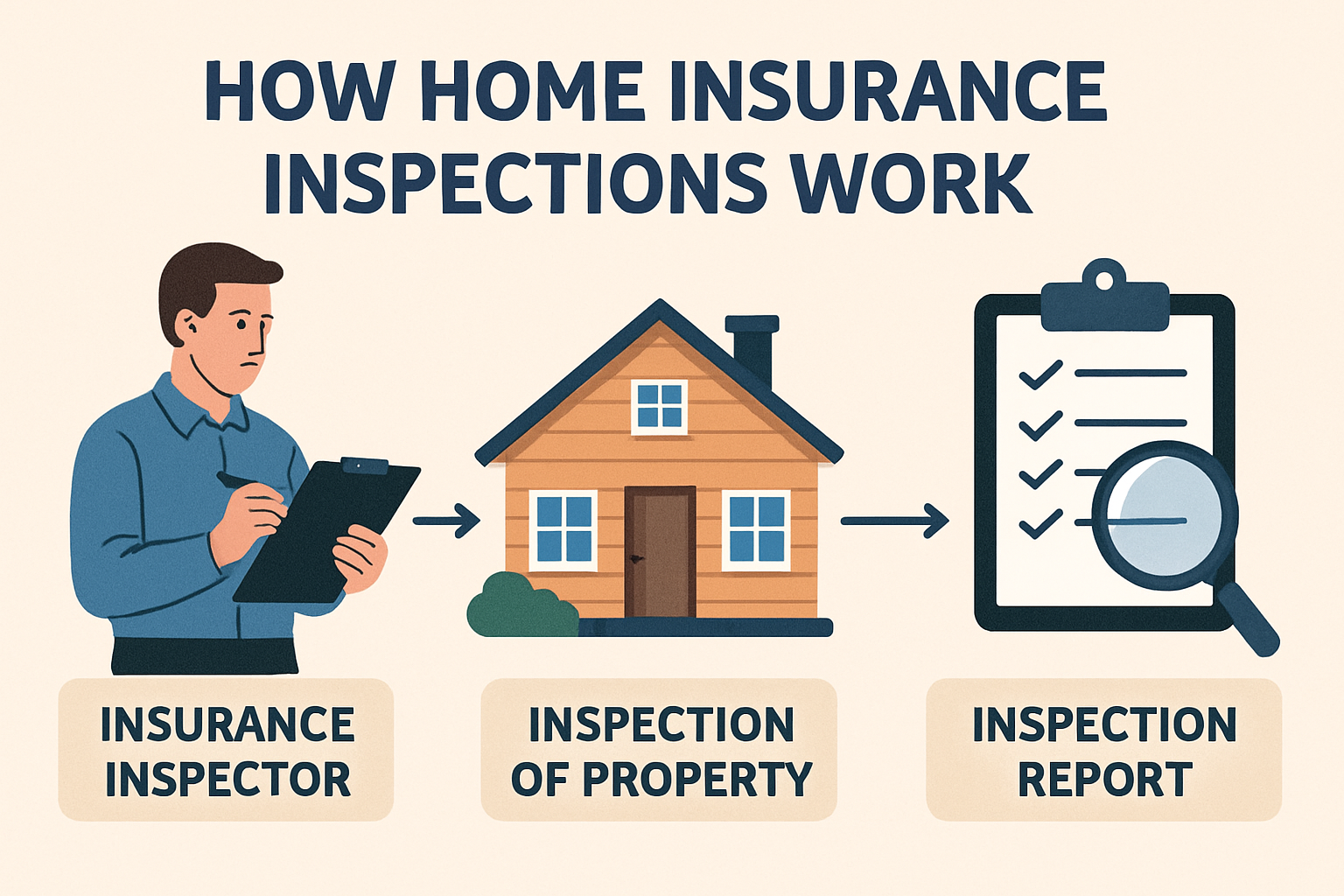
The inspection process typically goes like this:
-
Your insurer requests an inspection before issuing or renewing your policy.
-
An inspector schedules a visit or asks for remote video participation.
-
The inspection takes place, lasting anywhere from 15 minutes to an hour.
-
The inspector documents findings, including photos and notes.
-
Your insurer reviews results and may adjust coverage or premiums based on what they find.
If issues are discovered, your insurer may require repairs within a certain timeframe to maintain coverage.
How Home Insurance Inspections Affect Your Premiums
What the inspector finds can impact how much you pay for insurance. For example:
-
A well-maintained roof may lower your premium.
-
Old wiring or outdated plumbing may increase it.
-
New safety upgrades (like a security system) can earn discounts.
The inspection helps ensure your premium reflects your home’s actual condition—not outdated information.
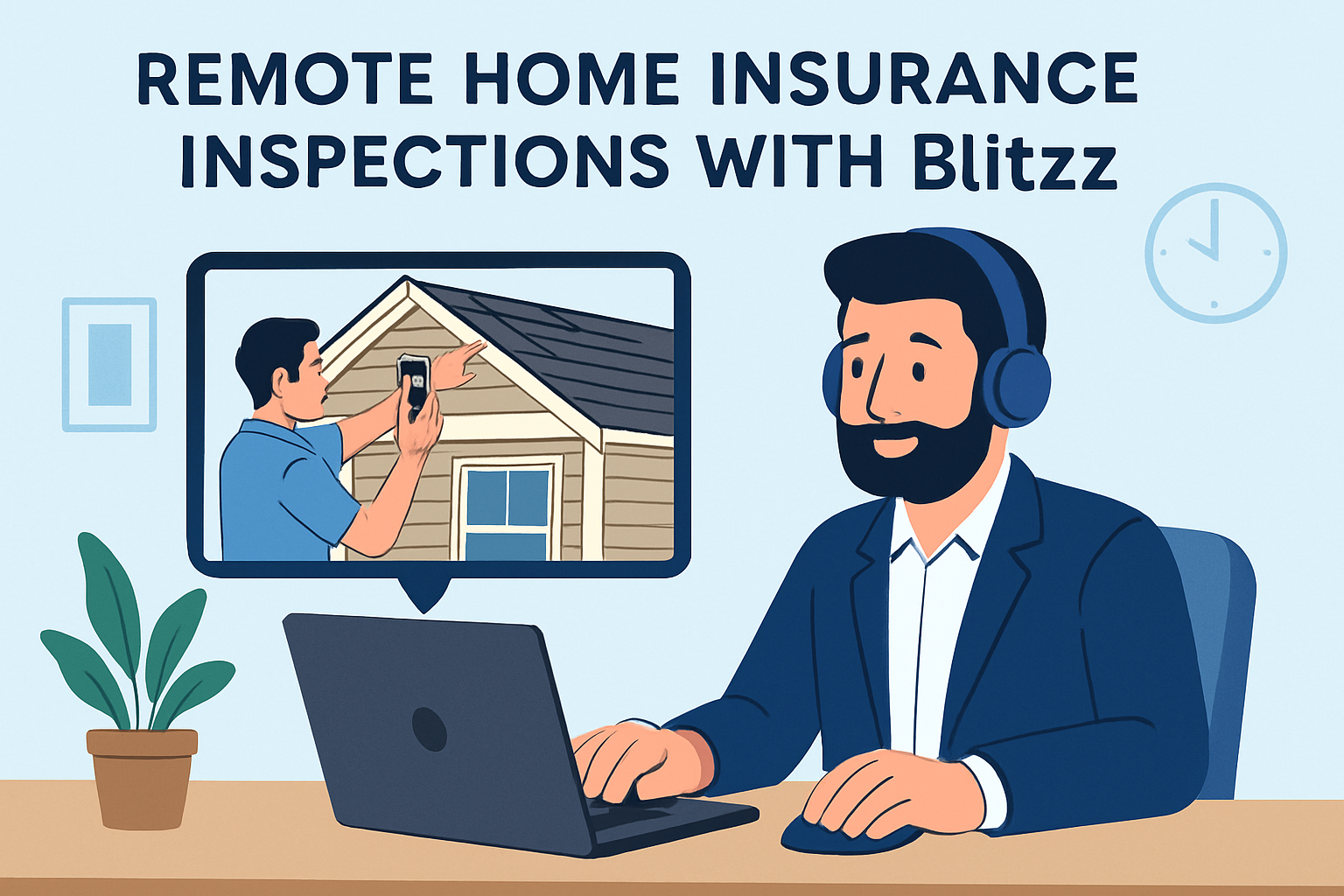
Remote Home Insurance Inspections with Blitzz
Home inspections don’t always require an in-person visit anymore. Tools like Blitzz make it possible for inspectors to assess your home remotely through live video.
With Blitzz, inspectors can:
-
Walk through your home using your smartphone
-
Zoom in on details like electrical panels, roof tiles, or plumbing
-
Capture photos and documentation in real time
-
Reduce scheduling delays
-
Improve accuracy with annotated video findings
This is especially useful for new construction homes, fast-moving insurance approvals, or situations where in-person visits are difficult.
Tips for Homeowners Preparing for an Insurance Inspection
A little preparation can help your inspection go smoothly:
-
Clean and declutter key areas
-
Replace smoke detector batteries
-
Ensure electrical panels are accessible
-
Fix minor issues (loose railings, missing outlet covers)
-
Document recent upgrades
-
Check outdoor areas for hazards
This not only helps the inspector—it also protects you from premium increases.
Final Thoughts
Home insurance inspections may feel like just another step in the process, but they play an important role in protecting your investment. Whether you’re moving into a brand-new property or renewing coverage for an older home, these inspections help ensure your home is accurately valued and properly insured.
With modern tools like Blitzz making inspections faster and more convenient, homeowners and insurers can work together more efficiently than ever. By understanding what to expect—and preparing ahead of time—you can secure the right coverage, avoid unexpected costs, and gain peace of mind knowing your home is protected. Schedule a demo today.