
.png?width=120&height=55&name=Blitzz-Logo-right%20white%20eyes%20-%20not%20transparent%20(3).png)
As claim volumes continue to increase every year, adjusters are under growing pressure to complete property inspections faster. This led many to explore more efficient inspection methods. One solution gaining strong momentum is the remote home inspection.
Remote home inspections change how properties are assessed, making it possible for adjusters to inspect homes without always being physically on-site. Back in the days, adjusters visited properties, walked sites, and climbed ladders just to document everything by hand. While this approach worked, it was time-consuming and costly. It is also limited by scheduling delays, safety risks, and geographic constraints.
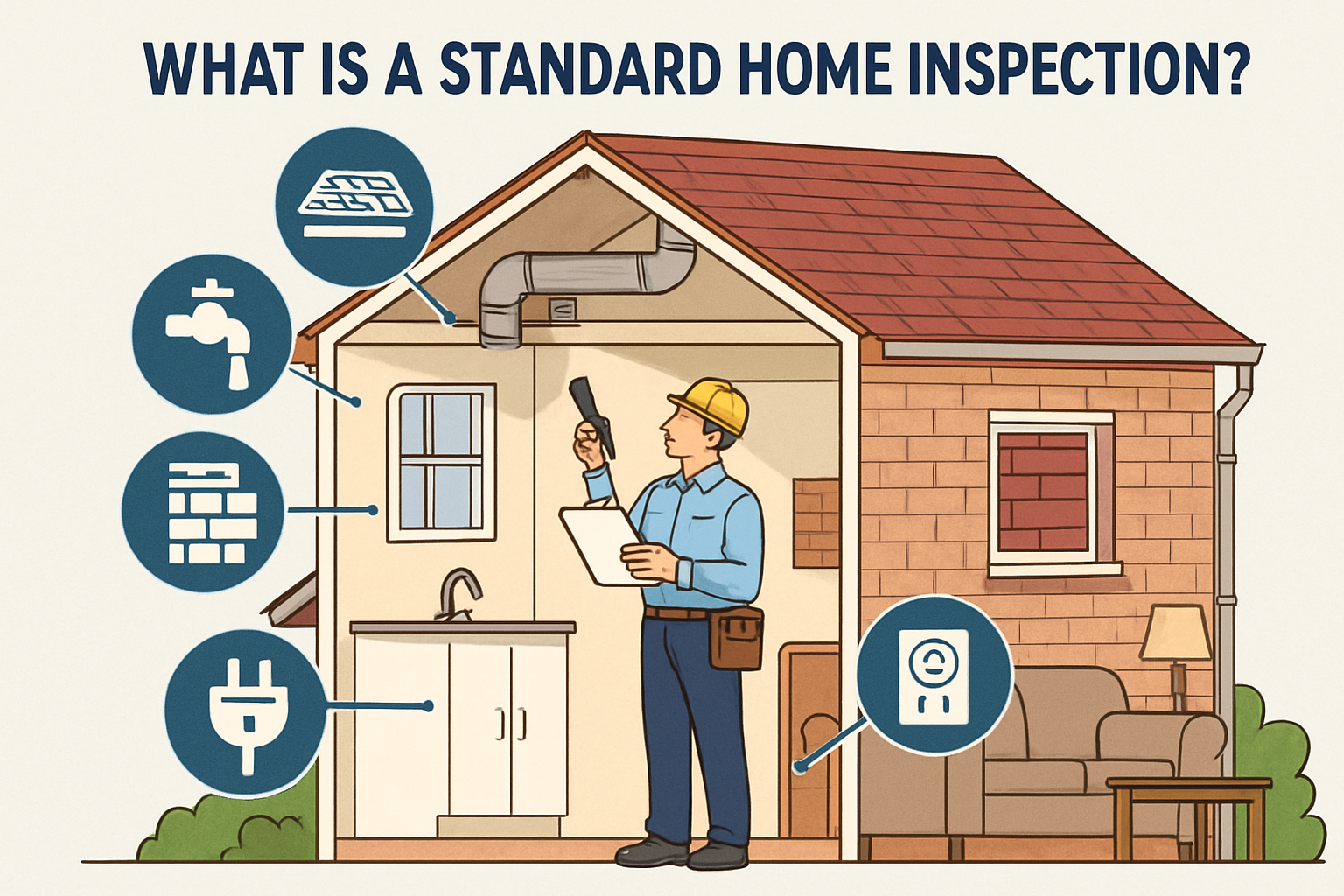
What Is Home Inspection For Insurance?
A home inspection for insurance is a structured assessment of a property’s condition to help insurers evaluate risk, confirm coverage eligibility, and support underwriting or claims decisions. For home inspectors, this means carefully reviewing the exterior, structure, systems, and potential hazards—then backing those findings with clear, defensible documentation.
Whether conducted on-site or through remote video, insurance home inspections are ultimately about accuracy, consistency, and trust. A strong checklist ensures inspectors capture the right details every time and deliver reports insurers can rely on.

How Often Do Insurance Companies Inspect Homes?
Home insurance inspections aren’t always necessary. In fact, they’re at your insurer’s discretion and are not a company-wide rule to be required in every policy. The following are some situations that call for an inspection:
- You have an older home
- You’re switching insurance companies
- The insurer can’t determine the replacement value of certain items
- You’ve submitted a claim
Home insurance inspection may also be required if policy owners are doing significant remodeling in their homes and are having the latter appraised for the second time.
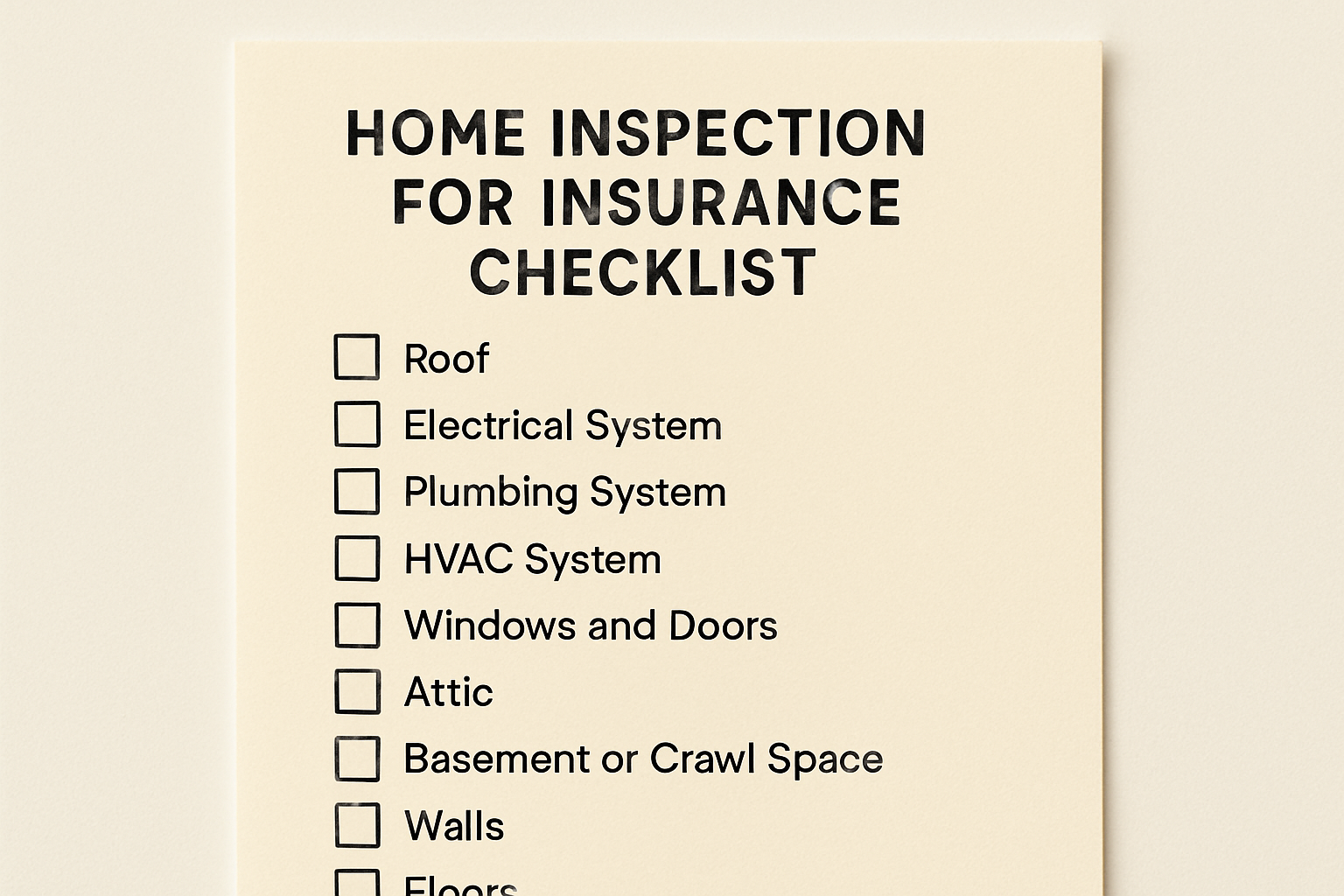
Home Inspection for Insurance Checklist
1. Exterior Condition & Property Risks
The exterior of a home tells insurers a lot about potential exposure.
Start by checking:
-
Roof condition (missing shingles, sagging, visible wear)
-
Gutters and drainage (blockages, water pooling near foundations)
-
Siding and exterior walls (cracks, rot, storm damage)
-
Windows and doors (seals, frames, security)
-
Driveways, walkways, and steps (trip hazards)
Clear exterior documentation helps insurers evaluate weather-related risks, liability exposure, and long-term maintenance issues.
2. Roofing & Structural Integrity
Roof-related claims are among the most common—and most expensive.
Inspect and document:
-
Roof age and material
-
Signs of leaks, water stains, or mould
-
Flashing around chimneys and vents
-
Structural alignment and visible foundation cracks
-
Attic ventilation and insulation condition
Using live or recorded video allows inspectors to capture close-up roof details without unnecessary ladder risks, improving both safety and accuracy.
3. Plumbing & Water Damage Risks
Water damage remains one of the leading causes of insurance claims.
Your checklist should include:
-
Visible pipe condition and materials
-
Signs of corrosion or leaks
-
Water heater age, installation, and safety valves
-
Bathroom and kitchen fixtures
-
Evidence of past water damage or mould growth
Remote video inspections are especially effective here, allowing homeowners or on-site staff to show problem areas in real time while inspectors guide the process.
4. Electrical Systems & Fire Hazards
Electrical issues pose serious fire risks and liability concerns.
Inspect:
-
Electrical panel condition and labelling
-
Wiring type (especially older or aluminium wiring)
-
Smoke detectors and fire alarms
-
Visible exposed wiring or overloaded circuits
-
Compliance with local safety standards
Clear visuals and recorded evidence help insurers make informed underwriting decisions and reduce future claim disputes.
5. HVAC Systems & Mechanical Equipment
Mechanical failures can lead to secondary damage and costly claims.
Document:
-
HVAC system age and maintenance condition
-
Signs of rust, leaks, or improper installation
-
Ventilation and airflow
-
Backup systems (generators, sump pumps, etc.)
A guided video inspection ensures nothing is overlooked while eliminating unnecessary site visits.
6. Interior Condition & Liability Concerns
Inside the home, insurers look for both property and liability risks.
Check:
-
Flooring condition and trip hazards
-
Stair railings and safety features
-
Signs of neglect or poor maintenance
-
Presence of high-risk features (fireplaces, pools, trampolines)
Having a structured checklist ensures consistency across inspections, especially when scaling inspection operations.
7. Documentation, Photos & Video Evidence
This step is often underestimated—but it’s critical.
Every inspection should include:
-
Clear photos or video of key areas
-
Time-stamped and stored records
-
Notes tied directly to visual evidence
-
Secure sharing with underwriters or claims teams
This is where digital inspection platforms like Blitzz make a real difference—centralising documentation while keeping the process simple for both inspectors and homeowners.
Why Modern Inspections Are Moving to Video
Traditional inspections can be slow, expensive, and difficult to scale—especially during peak claim seasons.
Remote video inspections allow insurers to:
-
Reduce inspection turnaround times
-
Improve inspector safety
-
Increase coverage without expanding headcount
-
Maintain high documentation standards
-
Deliver a better homeowner experience
Typical Signs Home Inspectors Focus On During Insurance Inspections
During an insurance home inspection, inspectors are trained to zero in on visible signs that may indicate risk, deferred maintenance, or potential future claims. These indicators help insurers evaluate the overall condition of the property and make informed underwriting or claims decisions.
The following are some indicators that an insurance adjuster or home inspector will look into:
- Water damage
- Structural cracks
- Rot or decay
- Animal or insect infestation
- Inadequate ventilation
- Mold or mildew
What to Expect After a Home Insurance Inspection
After a remote home inspection, the insurer will review the findings and determine whether any changes to the policy is needed. There are three possible outcomes:
- The home insurance policy continues
- The insure will modify it
- Coverage maybe cancelled
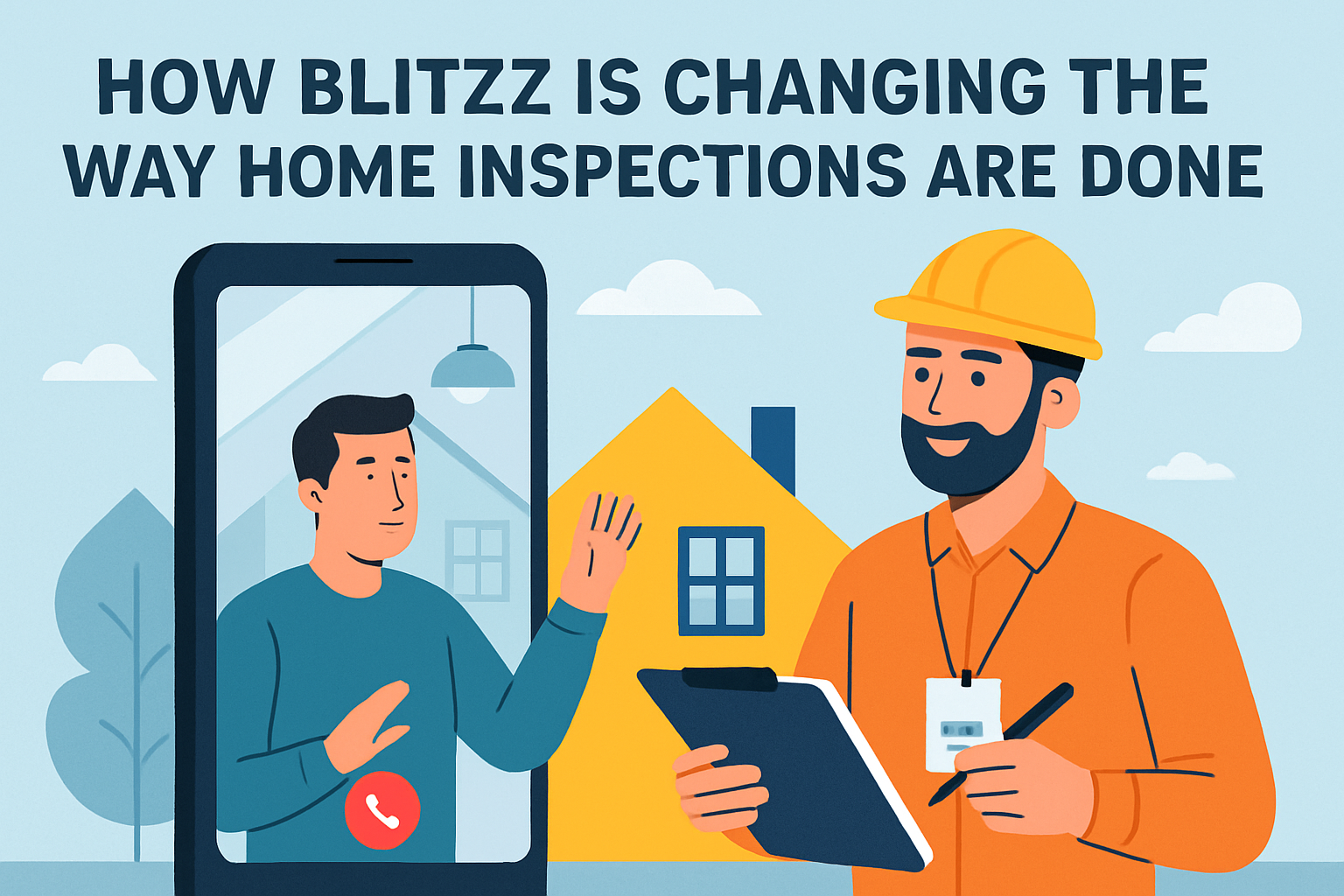
How Blitzz Is Changing the Way Home Inspections Are Done
Home inspections don’t need to be slow, risky, or limited by geography. Blitzz was built to modernize the inspection process by combining live video, guided workflows, and secure documentation—so inspections can happen anywhere, without sacrificing accuracy or control.
With Blitzz, home inspectors and insurance teams can conduct real-time remote inspections while guiding homeowners through each step. Inspectors see exactly what they need, ask for close-ups instantly, and capture high-quality visual evidence without setting foot on the property. The result is faster inspections, fewer reschedules, and better documentation from start to finish.
No app to download. No complicated setup. No waiting weeks for an on-site visit. An uncomplicated video link is all it takes to complete a professional inspection—saving time for everyone involved. Book a demo with Blitzz to see it in action.
Review these questions
What is a remote home inspection?
A remote home inspection is a property assessment conducted using live video. Instead of being physically on-site, a home inspector guides the inspection in real time while a homeowner or on-site contact uses their smartphone to show key areas of the home.
Are remote home inspections accepted by insurance companies?
Yes, many insurance carriers accept remote home inspections for underwriting, renewals, and certain claims. They provide reliable visual documentation while reducing inspection time and costs, especially for low-risk or non-complex properties.
What does a homeowner need to complete a remote inspection?
Homeowners typically need a smartphone with a working camera, a stable internet connection, and access to the areas being inspected. No app download is usually required—just a secure video link provided by the inspector.
Are remote inspections as accurate as on-site inspections?
When guided by a professional inspector and supported by structured workflows, remote inspections can be just as accurate for many use cases. Inspectors can request close-ups, pause the video, and capture images to ensure nothing important is missed.
When is an on-site inspection still necessary?
On-site inspections are typically required for complex claims, severe structural damage, unsafe conditions, or when physical testing is needed. Remote inspections are best used to speed up routine assessments, triage claims, and reduce inspection backlogs.