
.png?width=120&height=55&name=Blitzz-Logo-right%20white%20eyes%20-%20not%20transparent%20(3).png)
For decades, voice support has been the backbone of call center operations. A customer calls, an agent listens, asks clarifying questions, and works toward a resolution based on what they hear. That model has served businesses well, but as customer expectations evolve and issues become more complex, many support leaders are asking a new question: is voice-only support still enough in 2026?
The short answer is that voice remains important, but on its own, it may no longer deliver the speed, accuracy, or confidence modern customers expect. Increasingly, call centers are discovering that adding visual context through remote video support is not a replacement for voice — it’s an upgrade.
The Limits of Voice-Only Support
Voice-based support depends heavily on interpretation. Customers describe what they see, agents imagine the scenario, and both sides hope they are aligned. In simple cases, this works. In more complex or technical situations, it often doesn’t.
When agents can’t see the issue, they rely on lengthy troubleshooting scripts, repeated questions, and assumptions. This can lead to longer average handle times, unnecessary escalations, repeat calls, and frustrated customers who feel they’ve explained the same problem multiple times.
In industries like appliance support, automotive services, insurance, utilities, and field service, the gap between what a customer describes and what is actually happening can be significant. That gap is where inefficiencies, errors, and avoidable costs begin to appear.

Customer Expectations Are Becoming Visual
Today’s customers are used to showing, not telling. They share videos on social platforms, join video meetings at work, and scan QR codes to complete everyday tasks. When they contact support, many assume there will be an option to visually show the problem if needed.
By 2026, this expectation will be even more pronounced. Customers want faster resolutions, fewer transfers, and more confidence that the person helping them truly understands the issue. Voice-only support can feel limiting when a quick video call could immediately clarify the situation.
Call centers that recognize this shift are not abandoning voice support. Instead, they are adding video as an optional, on-demand tool that agents can use when words are no longer enough.
How Remote Visual Support Like Blitzz Changes the Support Experience
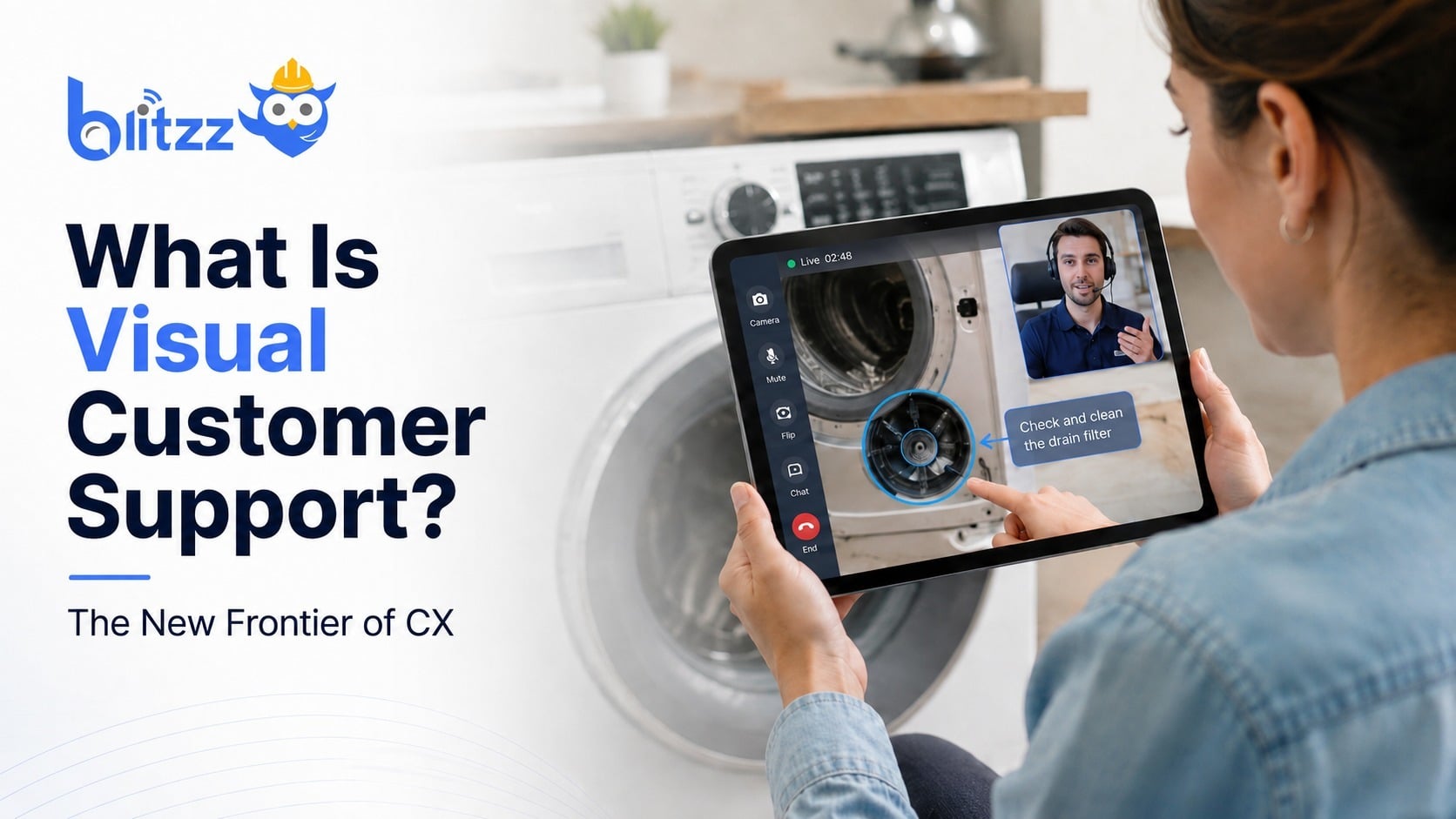
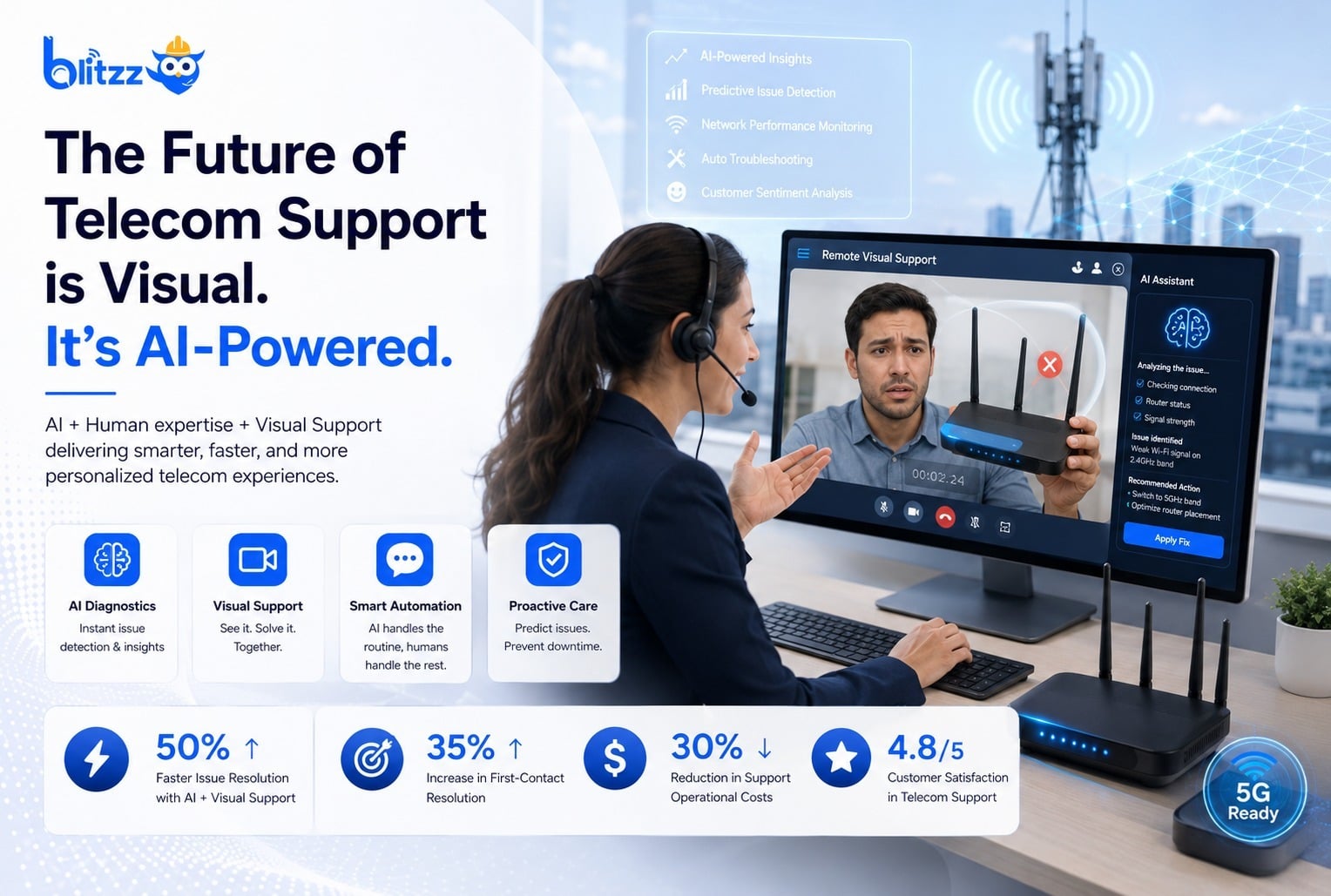
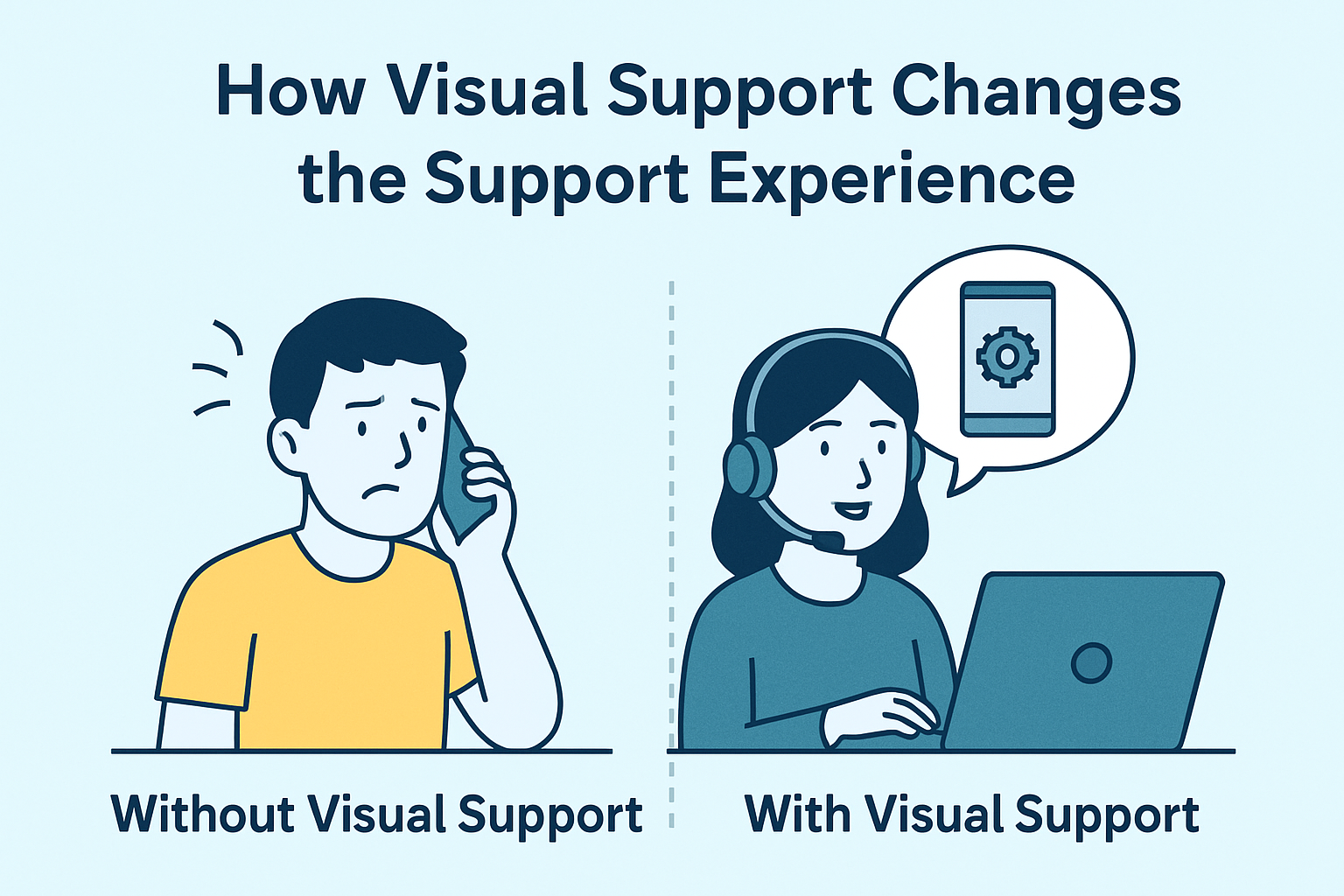
Remote video support allows agents to see the issue in real time through a customer’s smartphone or device camera. This simple shift unlocks meaningful operational improvements.
One great example is Blitzz Concierge. Contact centers can use Blitzz to deliver superior support, guiding clients live, capturing accurate documentation, and resolving issues more efficiently than traditional phone-only methods. Here's how Blitzz can change contact support centers in 2026:
- Agents can identify problems faster and guide customers effectively (e.g., using live video to walk them through fixes for appliances like ovens, kettles, and more)
- Reduced Average Handle Time (AHT) - Blitzz can help improve first-call resolution and reduce average handle time. Since live video support makes things easier, it decreases confusion between agents and clients, consequently decreasing repeat contacts.
The best part is that Blitzz reduces average handling time without compromising quality. Agents can resolve issues faster while still providing thorough, accurate support to customers.

Voice Plus Video: A Smarter Model for 2026
The most successful call centers in 2026 will not be choosing between voice or video. They will be using both strategically. This is where we come in.
We understand the role of empathy in customer service. With a "voice plus video" model, you don't only build empathy for customer satisfaction. You also provide invaluable support when diagnosing technical issues. Together, they create a more flexible and effective support model.
Importantly, modern remote video solutions do not require customers to download apps or change how they interact with support. Video can be initiated seamlessly when needed, keeping the experience simple and accessible. This is what also makes Blitzz stand out. If you want to see it in action, you can schedule a free demo with us.
Why Call Centers Are Rethinking Their Support Stack
As support teams are asked to do more with fewer resources, efficiency matters more than ever. Reducing unnecessary truck rolls, preventing repeat calls, and improving agent productivity are no longer optional goals.
Remote video support helps call centers move from reactive troubleshooting to informed decision-making. Instead of guessing, agents can verify. Instead of delaying, teams can act with confidence. Over time, this leads to measurable improvements across key KPIs and a better overall customer experience.
.jpg?width=1800&height=1200&name=SITE%20VARIETIES%20(3).jpg)
Where Blitzz Fits In
Blitzz enables call centers to add secure, browser-based remote video support directly into their existing workflows. Agents can instantly see what customers see, capture visual evidence when needed, and resolve issues faster — all without adding friction to the customer experience.
For industries where clarity, speed, and accuracy matter, Blitzz turns voice-only conversations into visual, actionable interactions.
Final Thoughts
Voice-only support isn’t disappearing in 2026, but it may no longer be enough on its own. As customer expectations rise and issues become more complex, call centers need tools that help agents truly understand what’s happening on the other end of the line.
By complementing voice with remote video support, call centers can reduce friction, improve outcomes, and deliver the kind of service modern customers expect.
If your team is exploring ways to modernize support without overhauling existing systems, adding visual support may be the next smart step. Learn more about Blitzz pricing and features, and discover how our software can drive a major change in your company.
Review these FAQs
What is remote video support, and how does it work in call centers?
Remote video support allows agents to see issues in real time through a customer’s device camera, helping diagnose problems faster and with greater accuracy.
Why are call centers adding remote video support in 2026?
Call centers use remote video support to reduce guesswork, improve first-call resolution, shorten handle times, and deliver better customer experiences.
Does remote video support replace voice calls?
No. Remote video support complements voice calls by adding visual context when words alone aren’t enough, creating a more effective support experience.
Which industries benefit most from remote video support?
Industries like appliance support, automotive services, insurance, utilities, and field service gain faster resolutions and fewer unnecessary site visits.
Is remote video support difficult for customers to use?
Modern remote video support is simple and browser-based, allowing customers to join instantly without downloading apps or changing their workflow.