
.png?width=120&height=55&name=Blitzz-Logo-right%20white%20eyes%20-%20not%20transparent%20(3).png)
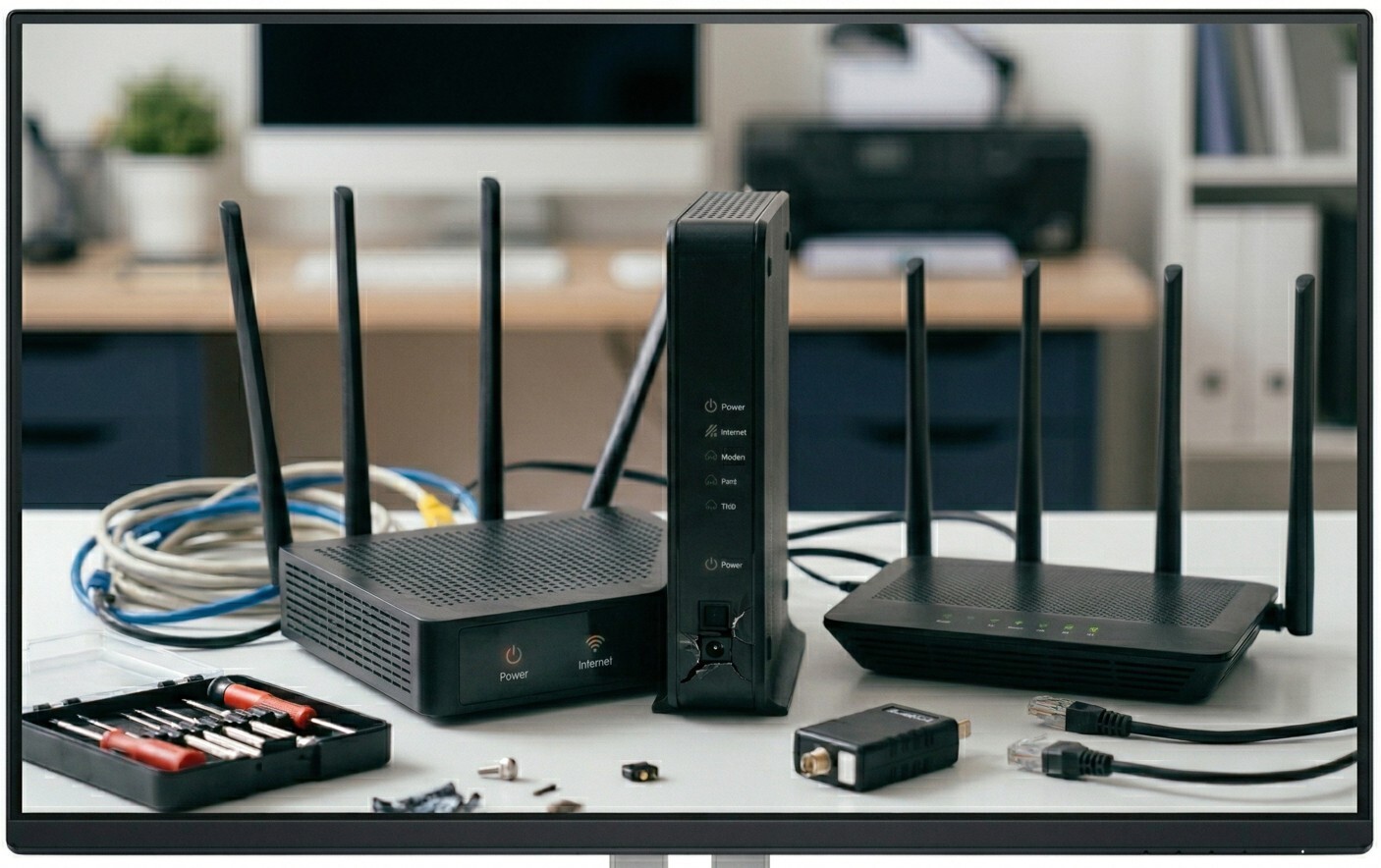
A customer calls in—frustrated. Their internet is slow, or worse, completely down. The agent does their best, asking a series of questions, trying to piece together the issue based on what the customer describes. Lights blinking? Cables connected? Router placement?
But without actually seeing the problem, the diagnosis is often incomplete. The call ends, but the issue isn’t fully resolved. A few hours later—or the next day—the customer calls back again.
This cycle of callbacks isn’t just inconvenient—it’s costly. It increases support workload, drives up operational expenses, and creates a frustrating experience for customers who expect quick resolutions.
The problem isn’t a lack of effort from support teams. It’s a lack of visibility.
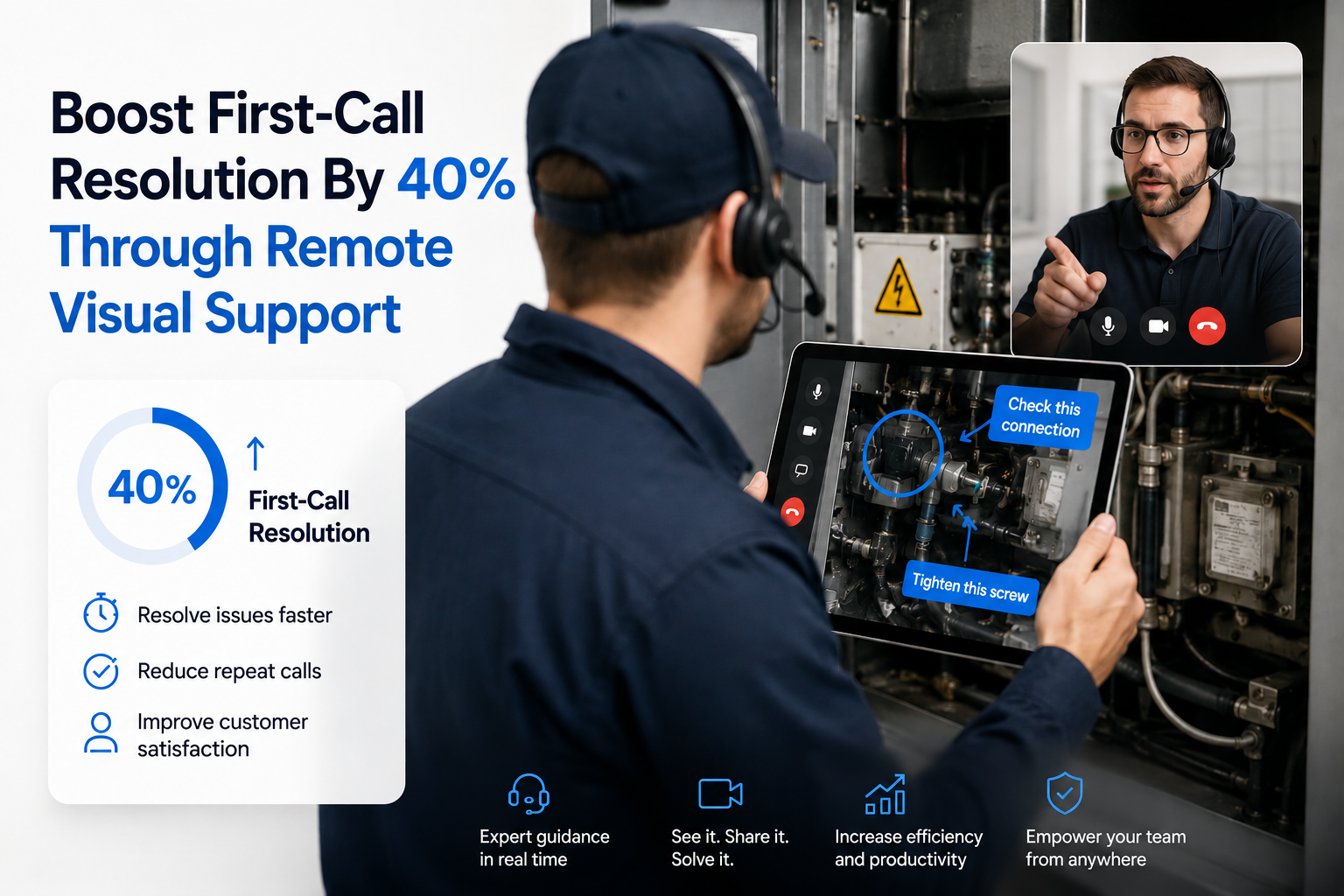
Solutions like remote visual support—such as those offered by Blitzz—are changing this dynamic by allowing agents to see exactly what the customer sees in real time, eliminating guesswork and enabling faster, more accurate resolutions from the very first interaction.
Why Internet Issues Are Hard to Diagnose Over the Phone
At first glance, troubleshooting internet issues over the phone seems straightforward. In reality, it’s one of the most challenging support scenarios—because agents are working without visibility.
Limited Visibility
Support agents can’t see the customer’s setup. They rely entirely on descriptions to understand router placement, cable connections, and indicator lights—details that are often critical to accurate diagnosis.
Miscommunication
Customers don’t always have the technical language to explain what’s happening. A blinking red light or loose cable might be described vaguely, leading agents down the wrong troubleshooting path.
Complex Home Setups
Modern homes often have multiple devices, Wi-Fi extenders, smart TVs, and layered wiring setups. Without seeing the environment, it’s difficult to identify where the issue actually originates.
The result is a support process built on assumptions rather than clarity.
👉 What happens next?
- Misdiagnosis of the root problem
- Longer resolution times
- Repeat calls from unresolved issues
The Hidden Cost of Callbacks and Repeat Visits
Callbacks aren’t just a minor inconvenience—they create a ripple effect across operations, costs, and customer experience.
Increased Support Costs
Every repeat interaction extends handle time and adds pressure on support teams. Agents spend more time on the same issue instead of resolving new ones, reducing overall efficiency.
Unnecessary Truck Rolls
When issues can’t be confidently diagnosed remotely, technicians are dispatched as a fallback. Many of these visits could have been avoided with better visibility during the initial call.
Poor Customer Experience
Delays in resolution lead to frustration. Customers expect fast, reliable service—especially for essential utilities like internet and TV. Multiple calls and waiting for on-site visits quickly erode trust.
👉 This is exactly what teams like Moby experienced—where phone-based troubleshooting led to repeated callbacks, inefficient dispatching, and rising operational costs.

Moby Transforms Customer Support with App-Free Video Assistance Across Canada
Moby’s support team relied heavily on phone-based troubleshooting to resolve internet, TV, and phone issues. Without visual context, agents were forced to depend on customer descriptions—often incomplete or inaccurate—making it difficult to diagnose problems with confidence.
As a result, resolution times increased, repeat callbacks became common, and technicians were frequently dispatched for issues that could have been resolved remotely. This not only drove up operational costs but also impacted the overall customer experience.
By implementing app-free video support through Blitzz, Moby transformed its support operations. Agents can now see exactly what customers see in real time, enabling faster and more accurate troubleshooting during the initial interaction. This shift has significantly improved first-call resolution, reduced unnecessary truck rolls by up to 75%, and delivered a smoother, more reliable service experience.
The result is not just operational efficiency—but a clear competitive advantage over larger telecom providers still relying on traditional support models.
Introducing Visual Remote Assistance (VRA)
Remote Visual Assistance (VRA) is a smarter way to troubleshoot technical issues—by replacing guesswork with real-time visibility.
Instead of relying on verbal descriptions, agents can connect with customers through live video—without requiring any app download. With a simple link, customers can instantly share what they’re seeing, allowing support teams to view the issue firsthand.
This means agents no longer have to interpret vague explanations or walk customers through complicated steps blindly. They can see the setup, identify the problem, and guide the customer in real time—making the entire support experience faster, clearer, and far more effective.
From Guesswork to Precision: How Visual Support Changes Everything
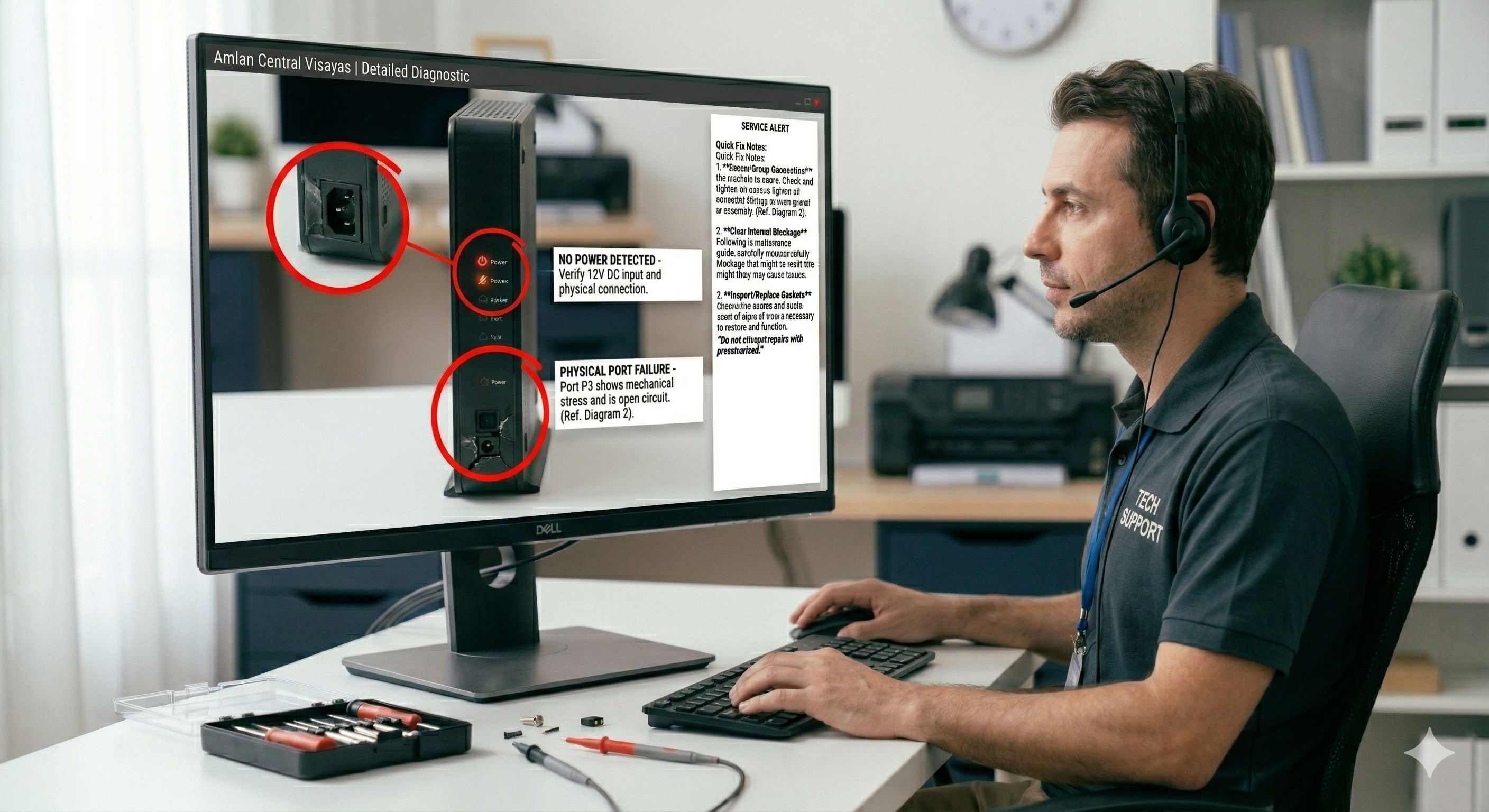
When support teams can see the issue, everything changes. What used to take multiple calls and assumptions can now be resolved in a single interaction with clarity and confidence.
See the Problem Instantly
With visual access, agents can immediately identify common issues—whether it’s loose or incorrectly connected cables, poor router placement, or device connection problems. There’s no need to rely on guesswork when the problem is right in front of them.
Guide Customers Step-by-Step
Instead of giving generic instructions, agents can walk customers through exact actions in real time—whether it’s plugging in the right cable, resetting a device correctly, or adjusting setup configurations. This reduces confusion and ensures steps are done properly the first time.
Diagnose Accurately the First Time
With full visibility, agents can make faster, more informed decisions. There are no assumptions—just clear, direct understanding of the issue. This leads to quicker resolutions, fewer errors, and a significant reduction in repeat calls.
Improving First-Call Resolution for Internet Issues
First-call resolution isn’t just a performance metric—it’s a direct reflection of how effectively your support team can diagnose and solve problems in real time. With traditional phone-based troubleshooting, achieving this consistently is difficult. But with visual support, it becomes significantly more attainable.
Resolve Issues on the First Call
When agents can see the issue, they can identify the root cause immediately. Whether it’s a loose cable, incorrect router setup, or device misconfiguration, problems that would normally require follow-ups can be resolved during the initial interaction—eliminating the need for repeat calls.
Reduce Average Handle Time (AHT)
Faster diagnosis leads to faster resolution. Instead of spending valuable time asking multiple clarifying questions, agents can quickly assess the situation and move directly to solving the issue. This streamlines conversations and allows teams to handle more cases efficiently.
Eliminate Repeat Calls
One clear, guided interaction is often all it takes. By removing guesswork and ensuring steps are completed correctly the first time, customers are far less likely to call back for the same issue—reducing overall support volume and improving operational flow.
👉 The result is a fundamental shift: first-call resolution becomes the standard, not the exception—driving better efficiency, lower costs, and a more seamless customer experience.
Reducing Truck Rolls and Operational Costs
For telecom and service providers, truck rolls are one of the most expensive aspects of support operations. Many on-site visits are triggered not by necessity, but by uncertainty during the initial diagnosis.
Fewer On-Site Visits
With remote visual support, agents can confidently resolve a large percentage of issues without dispatching a technician. On-site visits are reserved only for cases that truly require physical intervention.
Lower Service Costs
Reducing unnecessary dispatches translates directly into cost savings. Travel expenses, fuel, and labour hours are minimised, allowing organisations to allocate resources more effectively.
Smarter Technician Deployment
When a technician is required, they arrive with full context. Visual diagnosis ensures the issue is already understood, so technicians come prepared with the right tools and parts—reducing repeat visits and improving first-time fix rates.
👉 In many cases, organisations have seen up to a 75% reduction in truck rolls, demonstrating just how impactful visual support can be in transforming service operations.
Why App-Free Matters for Customers
Technology adoption often fails not because the solution isn’t effective—but because it’s difficult to use. In high-pressure support scenarios, even small barriers like downloading an app can delay resolution and frustrate customers.
App-free remote visual support removes that friction entirely.
No Downloads, No Delays
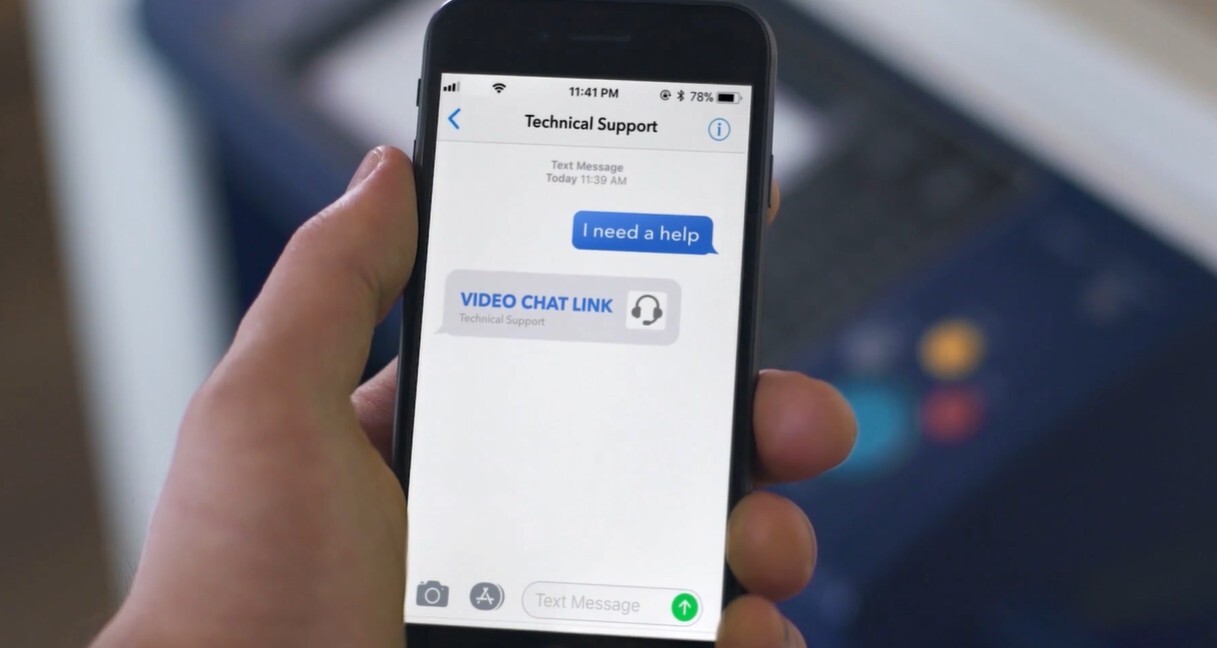
Customers don’t need to install anything or create accounts. With a simple link sent via SMS or email, they can instantly connect and start sharing their issue. This eliminates one of the biggest obstacles in real-time troubleshooting.
Faster, Frictionless Experience
Every second matters when dealing with internet or TV issues. App-free access allows support sessions to begin immediately, reducing wait times and keeping the interaction smooth and efficient.
Accessible for Every Customer
Not all users are tech-savvy—and they shouldn’t have to be. App-free solutions are intuitive and easy to use, making them ideal for customers of all ages and technical abilities.
👉 This is especially valuable for:
- Non-tech-savvy users who may struggle with downloads or setup processes
- Urgent support situations where speed is critical and delays are unacceptable
By removing friction, app-free visual support ensures that help is always just one click away.
The Future of Internet Support Is Visual
Customer expectations are evolving, and traditional support models are struggling to keep up. The future of internet and telecom support is no longer voice-only—it’s visual, intelligent, and scalable.
Visual-First Support Models
Support teams are shifting toward a visual-first approach, where seeing the issue is the starting point—not the last resort. This enables faster diagnosis, clearer communication, and more consistent outcomes across all interactions.
Hybrid Support (Remote + On-Site)
The most effective support strategies combine remote troubleshooting with on-site service when needed. Visual support handles the majority of issues instantly, while field technicians focus on complex cases that truly require physical intervention.
AI-Assisted Diagnostics
As AI continues to evolve, it will enhance visual support with automated insights, real-time recommendations, and intelligent summaries—further accelerating resolution times and improving accuracy.
👉 The direction is clear: remote visual support is becoming the new standard for modern service operations—not just an enhancement, but a foundational capability.
From Guesswork to Clarity
Callbacks, repeat visits, and delayed resolutions are not just operational inefficiencies—they are symptoms of a deeper issue: lack of visibility.
Phone-based troubleshooting, while familiar, is no longer sufficient in today’s complex and fast-paced environments. Customers expect faster, more accurate support, and businesses need solutions that can scale without increasing costs.
Remote visual support bridges that gap. By enabling agents to see problems in real time, it transforms how issues are diagnosed and resolved—leading to faster fixes, fewer callbacks, and a significantly improved customer experience.
👉 The takeaway is simple: if you can see the problem, you can fix it faster.
Related readings:
Remote Visual Support for HVAC Contractors: Fewer Truck Rolls, Happier Customers
Remote Visual Assistance for Automotive: Reducing Truck Rolls and Accelerating Repairs
5-Star Review And Improved ROI: How Remote Visual Support Can Help