
.png?width=120&height=55&name=Blitzz-Logo-right%20white%20eyes%20-%20not%20transparent%20(3).png)
Many homes and buildings across the United States are ageing, and with that comes an increased risk of fire hazards, system failures, and costly accidents.
While buyers often focus on curb appeal or cosmetic details, the true make-or-break issues in any property lie in the HVAC, plumbing, and electrical systems — the core infrastructure that determines safety, comfort, and long-term value. Here’s what every inspector should keep in mind.
Here’s what you should know.
- Over 60% of homes inspected need some form of HVAC repair or maintenance.
- Nearly 50% show plumbing issues ranging from slow drains to ageing pipes.
- Electrical problems appear in about 35% of homes, often involving outdated panels or missing GFCIs.
These numbers aren’t surprising. Most systems operate behind walls and ceilings, and homeowners rarely notice problems until they’re expensive — or hazardous.
This is where we, as home inspectors, add tremendous value. In this blog, we explore the importance of home inspections for compliance and how remote home inspection software like Blitzz is helping inspectors work faster, safer, and more efficiently than ever.
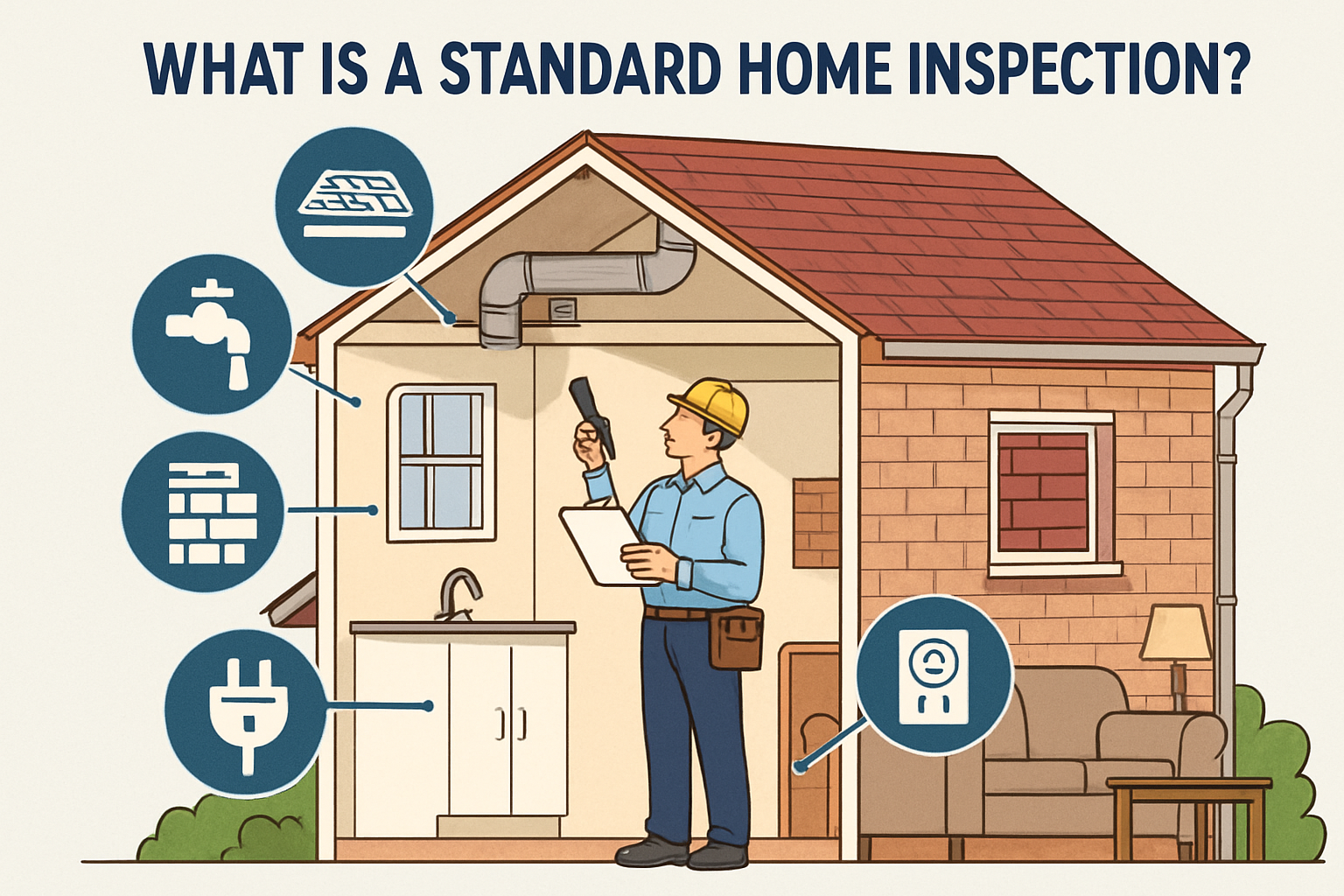
What Is a Standard Home Inspection?
A standard home inspection provides a visual and functional review of the home’s major systems — including electrical, plumbing, and HVAC — to identify safety hazards, ageing components, and significant defects. However, it’s important to note that a general inspection does not certify that a property meets every aspect of current building codes.
To confirm full code compliance, homeowners would need a specialized, in-depth inspection performed by a licensed electrician, plumber, or HVAC professional who is authorized to validate adherence to local regulations and safety standards.
This is where home inspectors come in. Licensed home inspectors can highlight potential risk and recommend specialized follow-ups to ensure you're compliant. Nowadays, modern home inspection scheduling software makes the job easier. Instead of relying on manual schedule tracking, inspectors can efficiently manage appointments, monitor inspection history, and quickly share findings with homeowners.
This not only streamlines the workflow for inspectors but also helps homeowners stay on top of maintenance and ensure that critical systems remain safe, functional, and compliant.
General Home Inspection vs. Compliance Inspection
| Feature | General Home Inspection | Code Compliance Inspection |
| Purpose | To evaluate the overall visible condition and functionality of major systems for potential buyers/sellers. | To verify that installations meet current legal and safety standards, often for legal, insurance, or council purposes. |
| Visual and non-invasive; checks for obvious damage, wear, and safety concerns. | In-depth, often involving testing and a detailed review of the entire system against specific regulations. | |
| Certified home inspector. | Licensed electrical inspector or qualified HVAC technician/building official. | |
| A detailed report of findings and recommendations for further evaluation by specialists, if needed. | A formal certification of compliance or a “Notice to Fix” may be issued if the system fails to meet local building or safety standards. |
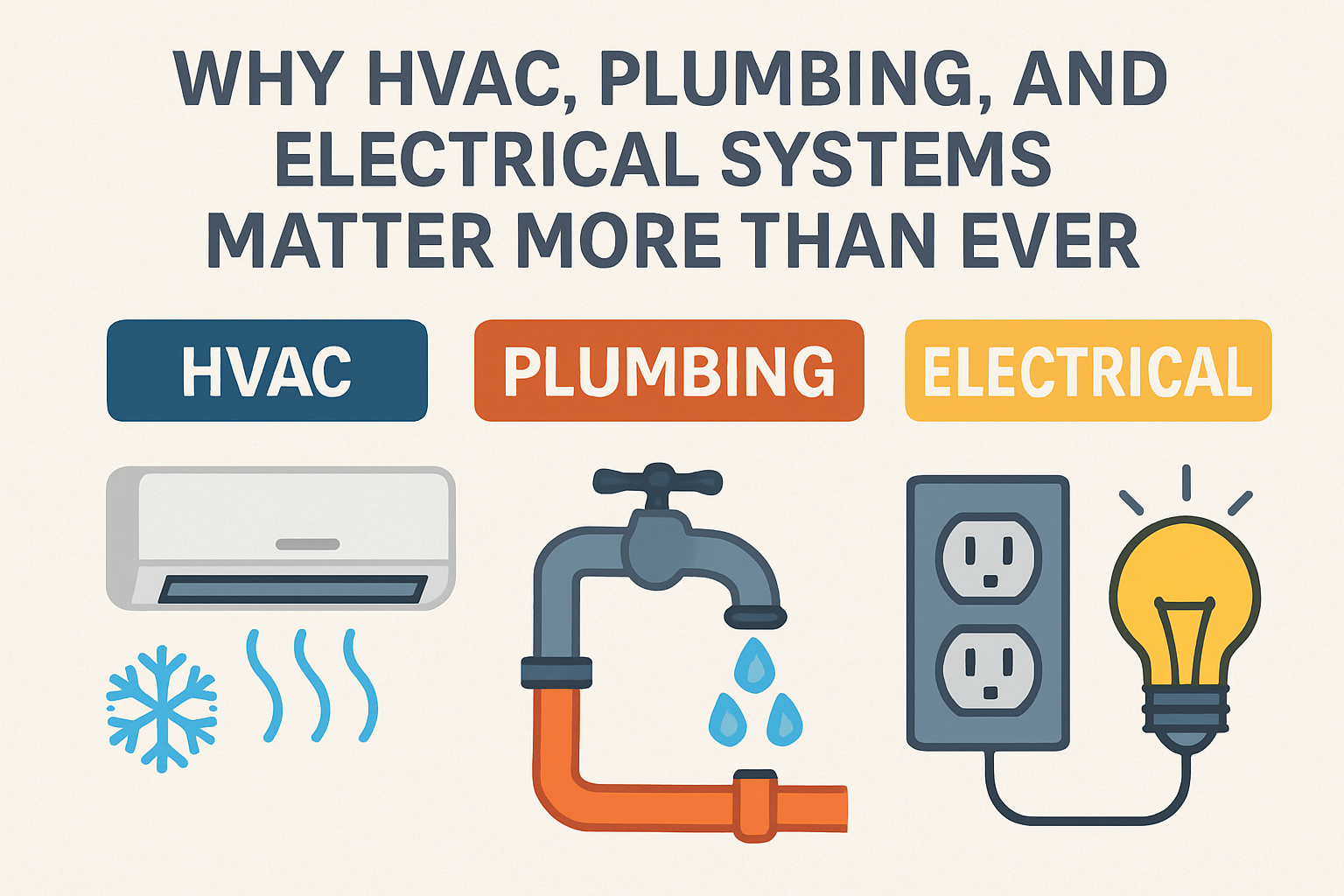
Why HVAC, Plumbing, and Electrical Systems Matter More Than Ever
Beyond buyer expectations, several U.S. regulations and building codes influence how we evaluate home systems. While home inspections themselves are not federally required, many federal, state, and lending guidelines directly affect what homeowners and buyers must consider.
Here are a few important examples:
1. International Residential Code (IRC)
The IRC, adopted wholly or partially by most states, outlines safety and performance standards for:
-
Electrical wiring
-
Mechanical ventilation
-
Water heater installation
-
Plumbing system design
Inspectors often compare on-site conditions against IRC-based expectations.
2. National Electrical Code (NEC)
Updated every three years, the NEC guides:
-
GFCI/AFCI requirements
-
Breaker panel safety
-
Wiring standards for remodels and new builds
Many electrical deficiencies we find relate directly to NEC updates homeowners were never aware of.
3. Uniform Plumbing Code (UPC) / International Plumbing Code (IPC)
States adopt one of these, influencing:
-
Venting requirements
-
Pipe sizing
-
Water heater safety
-
Backflow prevention
These codes help inspectors identify improper installations or outdated systems.
4. HVAC Requirements from the Department of Energy (DOE)
DOE regulations indirectly affect inspections by:
-
Setting minimum efficiency standards
-
Regulating refrigerant use (R22 phase-out, for example)
-
Influencing equipment replacement recommendations
Old or non-compliant systems are major value-impact items in inspection reports.
5. FHA, VA & USDA Loan Property Requirements
While not inspection laws, mortgage programs have strict property standards.
This means inspectors often uncover system issues that could affect loan approval, such as:
-
Non-functional HVAC
-
Unsafe electrical panels
-
Leaking plumbing
-
Missing safety devices
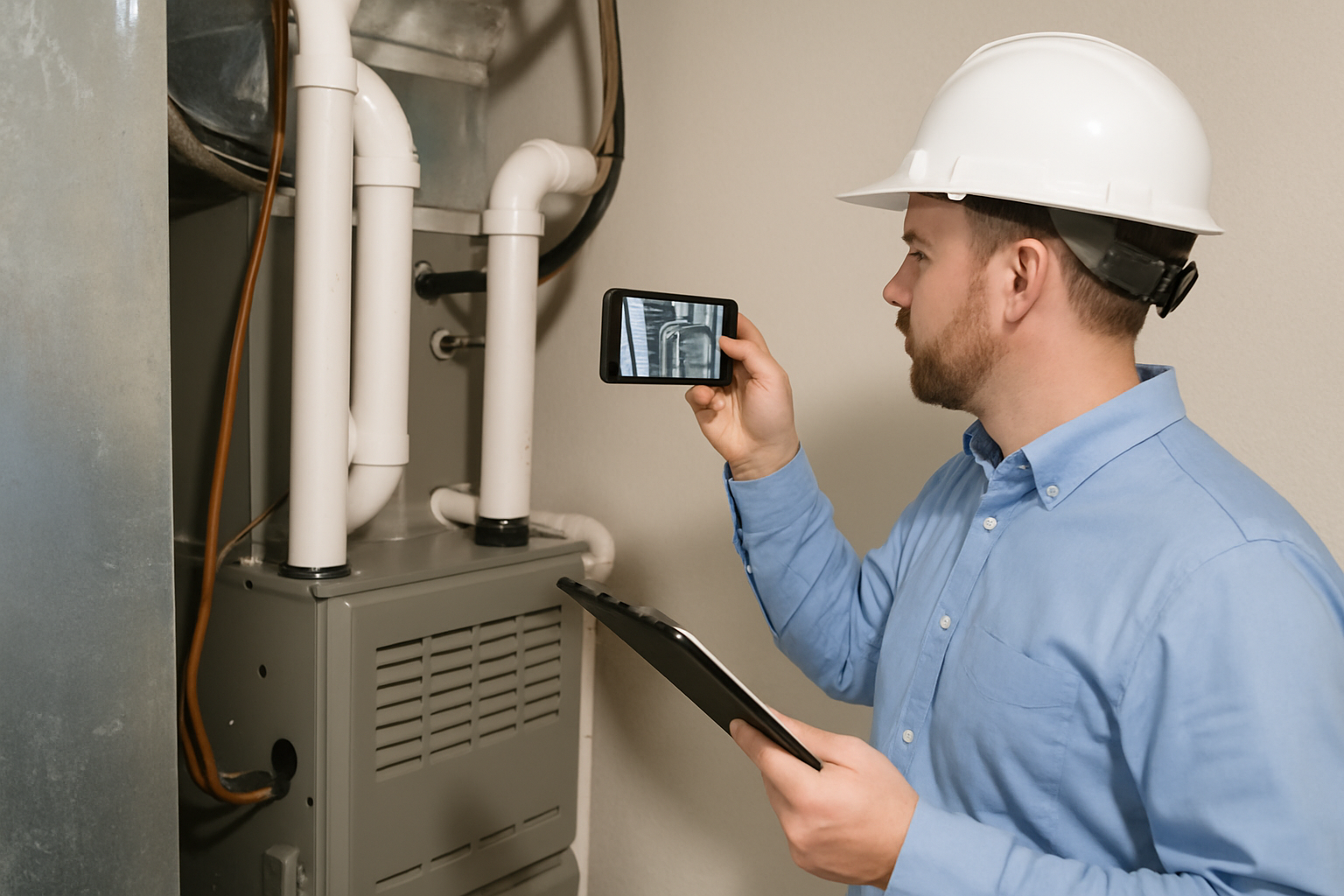
HVAC Troubleshooting: What Inspectors See Most Often
Home inspectors routinely encounter HVAC issues because heating and cooling equipment ages faster than other home components. The following are some of the issues usually spotted during a home inspection.
-
Dirty or blocked filters reducing airflow
-
Improperly sized equipment
-
Failing capacitors in AC units
-
Furnace short-cycling
-
Refrigerant leaks (especially in pre-2010 R22 systems)
-
Poor thermostat placement affecting performance
Buyers rely on our insights because HVAC replacements can easily exceed $6,000–$15,000, depending on system type.
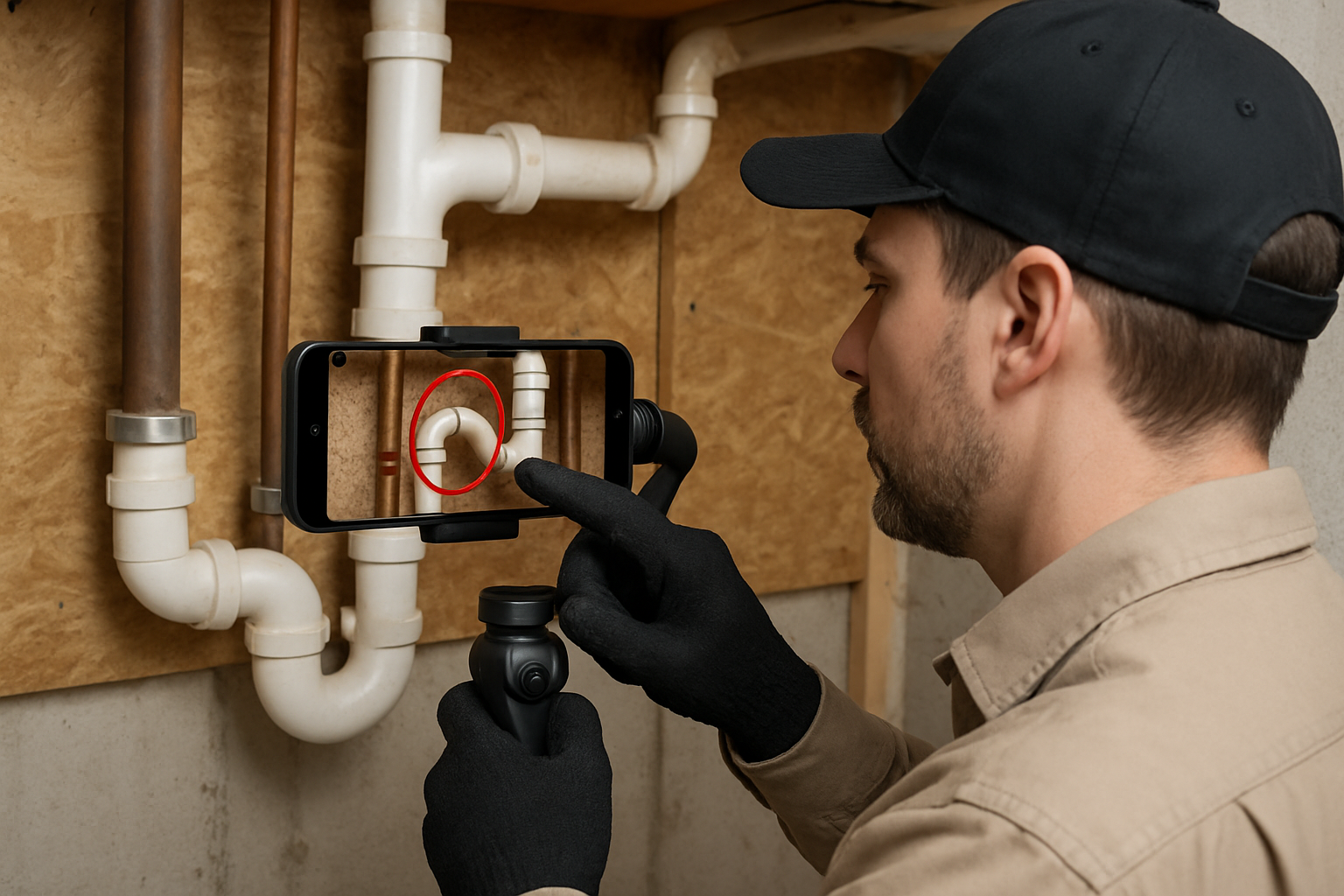
Plumbing Troubleshooting: Hidden Problems, Big Consequences
Plumbing defects often go unnoticed by homeowners until it’s too late.
Inspectors frequently uncover:
-
Galvanised pipes near end of life
-
Slow drains indicating early blockage
-
Water heater sediment buildup
-
Moisture behind toilets or under sinks
-
Leaking shut-off valves
-
Venting issues that cause sewer odours
Plumbing issues tie directly into IPC/UPC requirements, making troubleshooting a vital inspection skill. 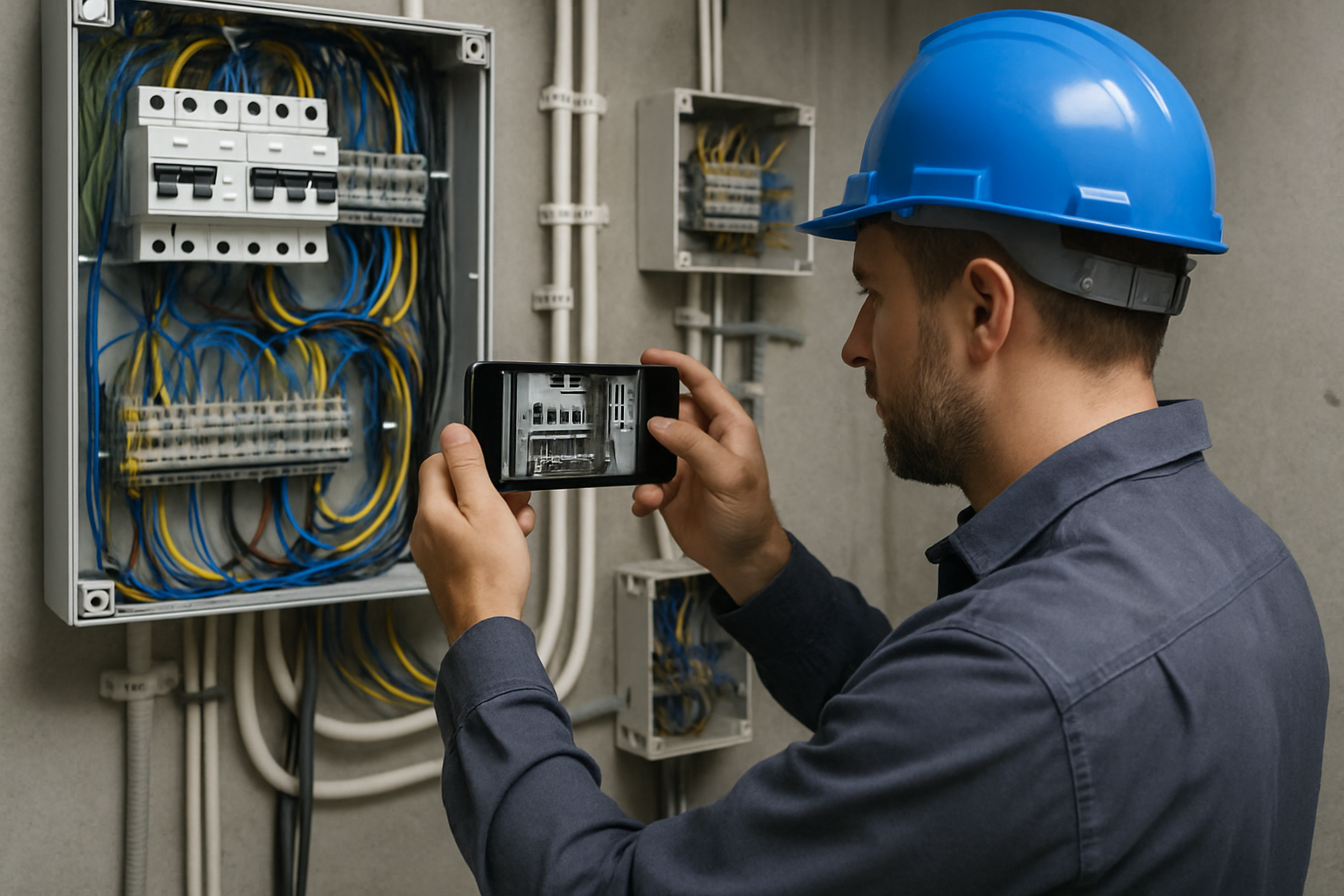
Electrical Troubleshooting: Safety First, Always
Electrical hazards are among the most dangerous issues we find — and among the most regulated due to NEC updates. The following are some issues usually detected during a home inspection.
-
Federal Pacific or Zinsco panels
-
Missing GFCI/AFCI protection
-
Double-tapped breakers
-
Aluminium branch wiring
-
Open junction boxes
-
Non-grounded outlets in older homes
Many of these conditions pose fire or shock risks, which is why inspectors must clearly document severity and recommend licensed electrician repair.
The Power of Remote Video Inspections
Remote video inspections are becoming a powerful tool for identifying issues in HVAC, plumbing, and electrical systems long before they turn into costly repairs. With real-time visual guidance, inspectors can walk homeowners through an assessment using just their smartphone camera — no on-site visit needed. The following are ways remote video inspections are transforming the home inspection industry.
Cutting down truck rolls
Fewer on-site visits allow inspectors to maximise their time and take on more clients each day. This means less time on the road and more time providing high-value service.
Lower operational costs
With reduced travel, inspectors save significantly on fuel, maintenance, and vehicle wear. These savings directly improve profitability and efficiency.
Faster troubleshooting
Simple issues can be identified and assessed remotely within minutes. This helps inspectors prioritise which jobs truly require an in-person visit.
Improved customer satisfaction
Homeowners love the convenience of instant support without waiting days for an appointment. Quick responses build trust and strengthen long-term relationships.
Better documentation
Remote sessions can be recorded for reporting, training, or liability protection. Inspectors gain a reliable visual record that supports clear and accurate findings.
Expanded service territory
Remote inspections allow inspectors to serve clients well beyond their normal driving distance. This opens new markets and increases revenue opportunities without additional travel.
Are you planning to start a home inspection business? Learn more about the steps in starting a remote home inspection business.

Why Home Inspectors Play a Critical Role in System Safety
As inspectors, you're not just evaluating property — you're helping homeowners avoid expensive surprises and making sure buyers understand exactly what they’re walking into.
When we identify issues in HVAC, plumbing, and electrical systems:
-
Buyers negotiate repairs or price reductions
-
Sellers gain clarity on deficiencies
-
Lenders avoid approving unsafe homes
-
Families move into safer, more reliable properties
Our work directly protects people, property, and compliance with essential building standards. Learn more about the benefits of remote home inspections and see how it can streamline your process as a home inspector.
The Future of Home Inspection Is Remote: How Blitzz Leads the Way
Troubleshooting HVAC, plumbing, and electrical issues is no longer optional — it’s a fundamental expectation of every modern home inspection.
By understanding how U.S. building codes, safety standards, and mortgage requirements intersect with your findings, you’re not just inspecting homes — you’re safeguarding investments and preventing long-term problems.
Want to grow your home inspection business? Discover how Blitzz can help you deliver fast, reliable, and professional inspections for both contractors and homeowners. Book a demo today and see it in action.