
.png?width=120&height=55&name=Blitzz-Logo-right%20white%20eyes%20-%20not%20transparent%20(3).png)
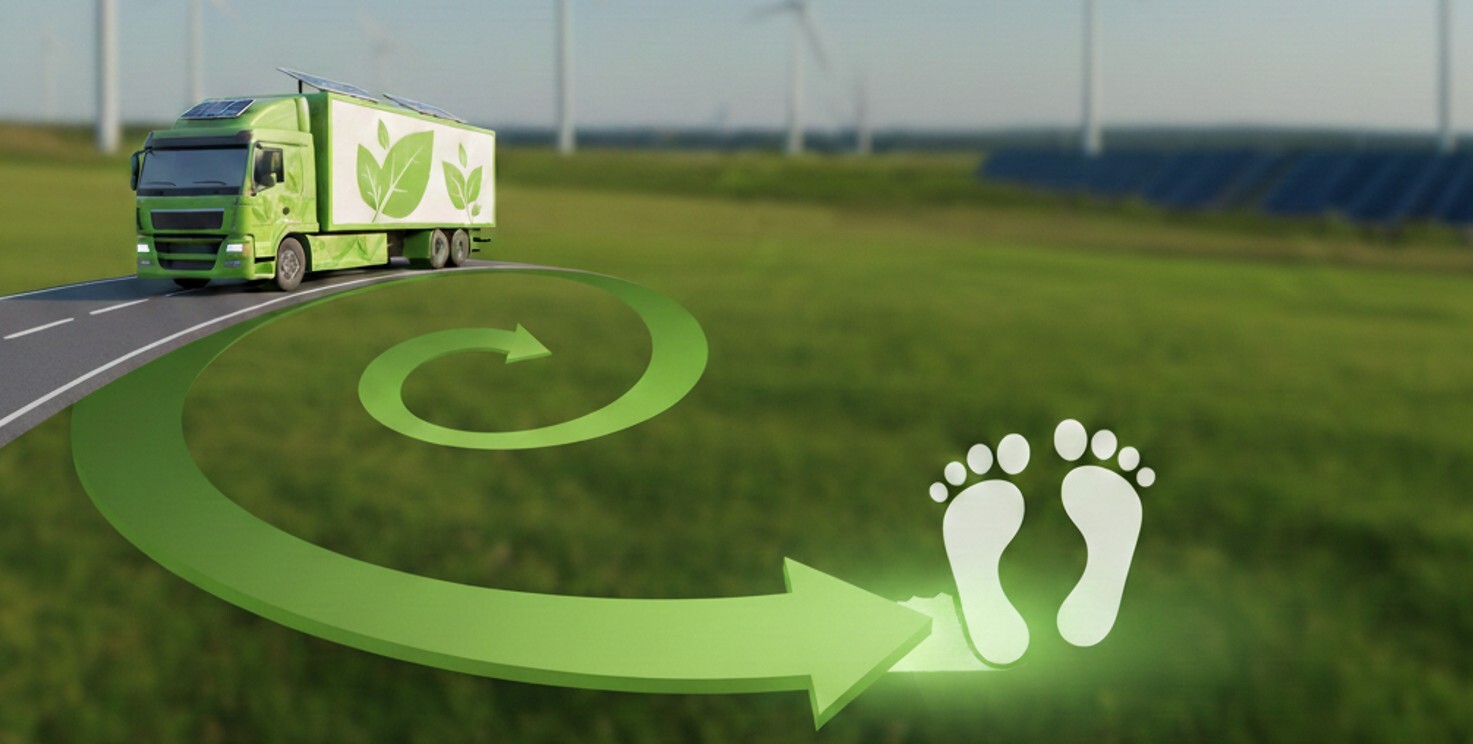
In today’s world, every action counts when it comes to reducing our environmental impact. One often-overlooked way businesses can make a difference is by cutting down on truck rolls—sending technicians to a site for service or repairs. Not only does this save time and money, it can also significantly lower your carbon footprint. Here’s how.
1. Fewer Vehicle Miles, Less Emissions
Every truck roll means your vehicle is on the road burning fuel. By reducing unnecessary trips, you cut down on CO₂ and other greenhouse gas emissions. Less driving equals a cleaner environment—simple as that.
2. Optimized Routes Reduce Energy Waste
When you send trucks only when needed, you can plan smarter routes. Optimized routes mean shorter distances traveled, less fuel consumed, and fewer emissions released into the atmosphere.
3. Remote Diagnostics Prevent Unnecessary Trips
Modern technology allows many problems to be solved remotely. Remote troubleshooting can detect and sometimes fix issues without ever dispatching a truck. That means fewer vehicle trips and lower emissions.
4. Less Traffic Congestion
Fewer trucks on the road don’t just reduce emissions—they also help decrease traffic congestion. Smoother traffic flow reduces idling time for all vehicles, further cutting carbon output.
5. Reduced Wear and Tear on Vehicles
Less driving means trucks require less maintenance and fewer replacements. This reduces the environmental cost of producing, maintaining, and disposing of vehicles, which contributes to your overall carbon footprint.
6. Efficient Use of Resources
Every trip uses fuel, time, and manpower. By reducing unnecessary truck rolls, you use resources more efficiently, which indirectly reduces environmental impact. Less wasted energy is always a win for the planet.
7. Lower Energy Use in Supporting Infrastructure
Fewer trips also mean less strain on infrastructure—less road maintenance, lower fuel demand, and reduced need for new vehicles. All of these factors help lower the carbon emissions linked to our transportation systems.
8. Encourages Sustainable Practices
Reducing truck rolls can be part of a larger sustainability strategy. By showing that your business is serious about lowering emissions, you inspire employees, clients, and partners to consider greener alternatives as well.
9. Supports Electric Vehicle (EV) Integration
For companies using EVs, fewer trips mean less electricity consumption and longer battery life. Optimized EV deployment ensures that your fleet remains efficient and environmentally friendly.
10. Contributes to Corporate Carbon Goals
Many companies today have carbon reduction targets. Minimizing truck rolls is a measurable, impactful way to contribute toward these goals—helping your business lower its footprint while saving on operational costs.
What Is Remote Video Inspection?
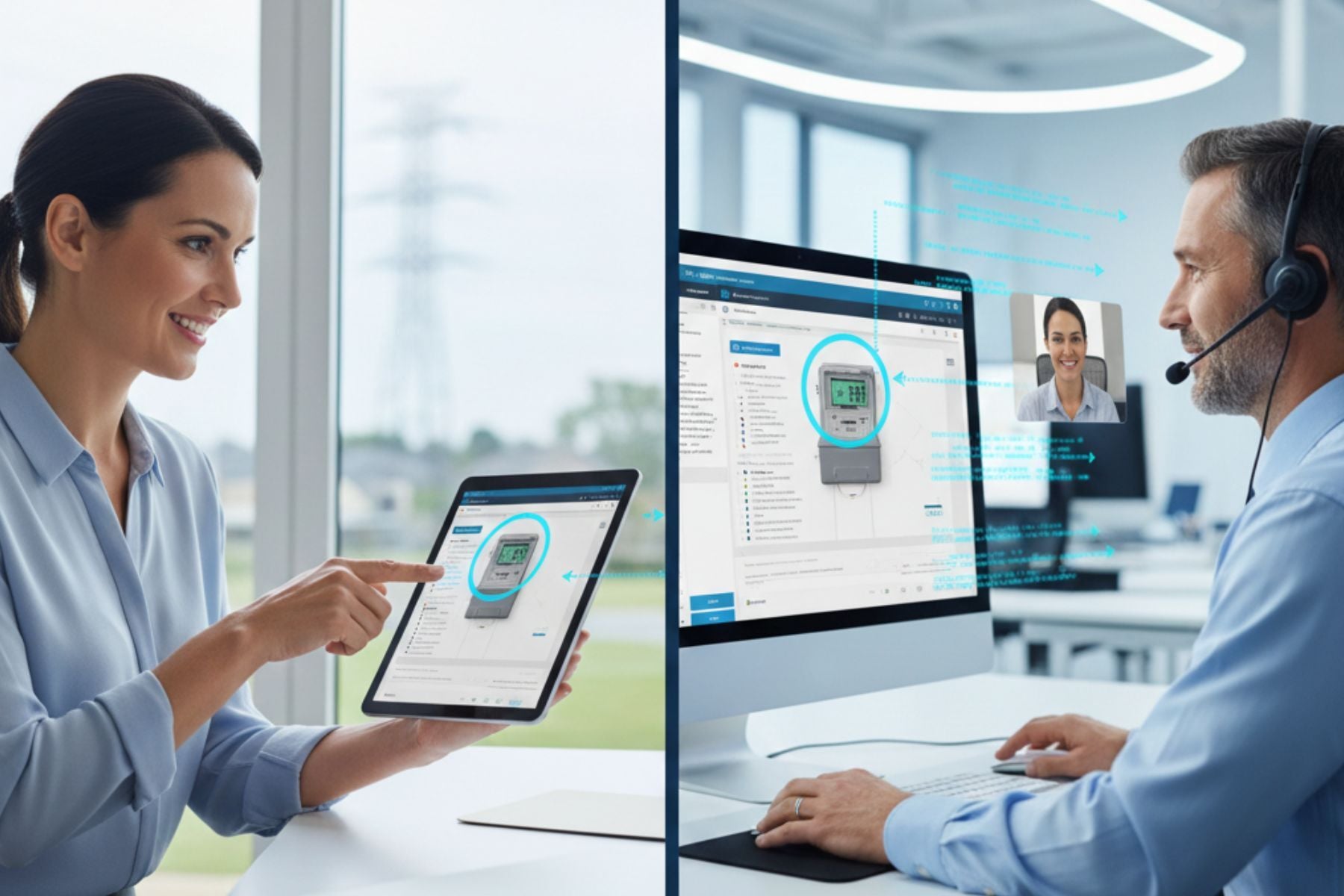
Remote Video Inspection (RVI) is a technology that allows technicians to inspect equipment, vehicles, or infrastructure without being physically on-site. Using cameras, sensors, and sometimes augmented reality tools, experts can see exactly what’s happening in real time from a remote location.
For example, instead of sending a technician to check an EV charging station or an industrial machine, you can connect remotely and visually assess the issue. This not only speeds up troubleshooting but also reduces the need for unnecessary truck rolls, saving fuel, time, and emissions.
With remote video inspection, businesses can catch problems early, guide on-site staff if needed, and even resolve some issues entirely online. It’s a powerful tool for improving efficiency while supporting sustainability goals by cutting down on travel-related carbon emissions.
Integrating Blitzz Into Field Service Workflow
Integrating Blitzz into your field service operations is simpler than most teams expect. Because the platform is designed to fit into existing workflows, your technicians can start using it without major process changes or lengthy training. The goal is to enhance the way your team already works—making remote troubleshooting and collaboration a natural part of everyday service.
Blitzz also improves collaboration between remote experts and field technicians. If a technician encounters a complex issue, they can instantly bring in a specialist to view the situation live and provide step-by-step guidance. This reduces repeat visits, shortens repair times, and increases first-time fix rates across your service operations.
• Connect Blitzz with your CRM and ticketing system
• Train technicians for quick remote session setup
• Enable real-time collaboration with remote experts
• Track sessions and optimize service workflows
Finally, integrating Blitzz helps create a data-driven service workflow. Every remote session can be documented, stored, and analyzed to identify trends, recurring issues, and opportunities to improve service efficiency. Over time, this leads to fewer truck rolls, faster resolutions, and a more sustainable, customer-friendly service experience.
Get started with Blitzz today and transform how your team troubleshoots, supports, and serves customers remotely.
Takeway
Reducing truck rolls isn’t just an operational upgrade—it’s a smarter, more sustainable way to deliver service. By embracing remote troubleshooting and video support, you can cut emissions, lower costs, improve first-time fix rates, and create a faster, more convenient experience for your customers. The takeaway is simple: fewer trips mean a smaller carbon footprint and a stronger, future-ready service operation. Ready to get started? Book a demo today and see how reducing truck rolls can transform your service operations.