

.png?width=120&height=55&name=Blitzz-Logo-right%20white%20eyes%20-%20not%20transparent%20(3).png)
On this page

Punch lists are where a lot of construction projects lose momentum right at the finish line. Items get flagged, someone takes a photo on their phone, the photo gets texted to three different people, and by the time it's time to verify what's actually been fixed, nobody can find the original documentation or remember exactly when a given item was addressed.
This isn't a minor inconvenience — punch list closeout delays are one of the most common reasons final payment gets held up on a project that's otherwise essentially complete. A GC waiting on a client's sign-off, a client waiting on confirmation that every item was actually fixed, and a subcontractor insisting they already addressed something the client says still looks wrong: all of it comes down to a documentation problem that's usually solvable with better record-keeping.
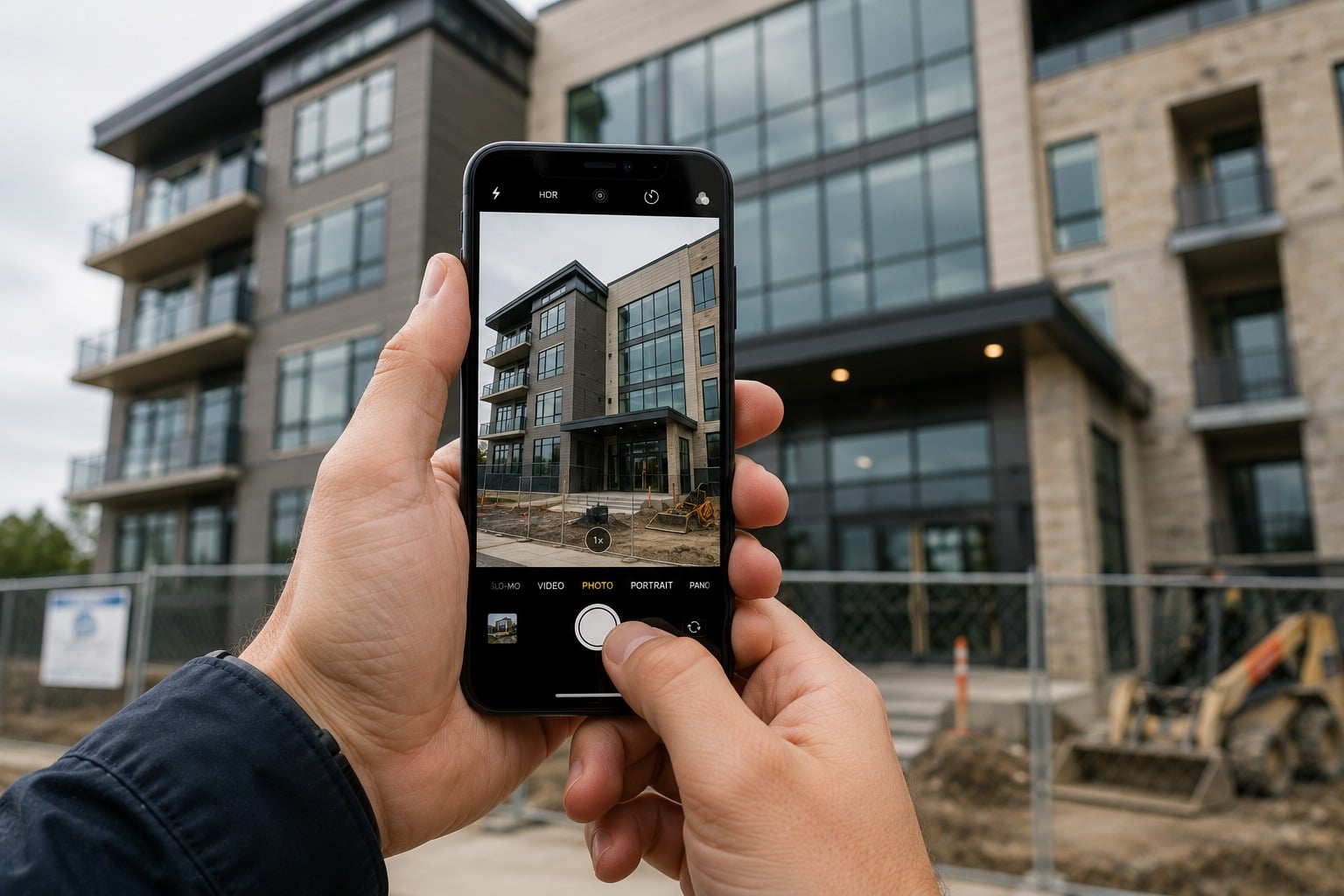
BlitzzCam removes most of this friction by automatically verifying every photo with GPS location and a timestamp, then organizing it under the correct project — turning punch list documentation from a scattered, manual process into something that's organized and verifiable from the moment a photo is taken.
Here are five specific ways that shows up in how punch lists actually get closed out.
1. Instant Verified Photo Capture Replaces Manual Logging
Traditional punch list documentation usually involves a spreadsheet or a paper form, with photos handled separately through whatever camera app happens to be on hand. This creates a disconnect between the written punch list item and the visual evidence of it — the photo and the log entry live in two different places, and matching them up later takes time.
BlitzzCam closes that gap by attaching verified location and time data to every photo the moment it's captured, so the photo itself carries the documentation that used to require a separate manual log entry. A superintendent walking a site and photographing punch list items doesn't need to also write down where and when each photo was taken — that information is already attached automatically.
2. Automatic Organization by Project and Location
On a multi-site operation, punch list photos from different projects can easily get mixed up if they're all sitting in one undifferentiated camera roll. BlitzzCam files every photo under the correct project automatically, so a superintendent working across several active sites doesn't have to manually sort punch list photos by property before they can be reviewed or shared.
This organization also makes it far easier to track punch list progress over time on a single project — pulling up the full, organized photo history for a specific site shows exactly what was flagged, when, and what the documented condition looked like at each stage, without digging through unrelated photos from other jobs.
3. Faster Handoffs Between Trades and Punch List Items
Punch list items often involve multiple trades — a painter needs to touch up a wall after an electrician's rough patch, a flooring crew needs to fix a section after plumbing work. Verifying exactly when an item was fixed, and by confirming the location matches the original flagged item, used to depend on someone's memory or a written note that may or may not have been detailed enough.
With BlitzzCam, the photo documenting a completed fix carries the same location verification as the photo that originally flagged the issue, making it straightforward to confirm that the right item, in the right location, was actually addressed — rather than relying on a trade's word that "it's been taken care of."
4. Shareable Records Without App Downloads for Clients or GCs
Closing out a punch list typically requires sign-off from a client, owner, or general contractor who wants to confirm every flagged item has actually been resolved. BlitzzCam's portal link lets a superintendent share the full, organized punch list photo record directly, letting the reviewing party check off items against verified before-and-after photos without needing to install an app or wait for a batch of email attachments.
This is particularly useful for owners or lenders who want to review punch list closeout remotely rather than scheduling an in-person walkthrough for every final item — the verified photo record gives them enough documented confidence to sign off without necessarily needing to see it in person.
5. Fewer Disputes Over What Was Fixed and When
Punch list disputes are common: a client claims an item was never actually addressed, or a subcontractor claims they fixed something that a client says still looks the same. Without verified documentation, resolving this comes down to conflicting accounts. With a BlitzzCam record, both the original flagged condition and the documented fix are tied to a specific verified location and time, making it far easier to settle these disagreements by simply reviewing the record rather than arguing about it.
This matters most at project closeout, when disputes over unresolved punch list items can delay final payment or a certificate of occupancy — a documented, verified record shortens that back-and-forth considerably.
Bringing It Together on a Live Project
In practice, these five benefits compound across a project rather than functioning independently. A punch list walkthrough documented with BlitzzCam creates a verified starting point; as trades address individual items, the fixes get documented the same way; and by the time the list is ready for final sign-off, there's a complete, organized, verifiable record covering every flagged item from start to finish — something that would have taken significant manual effort to assemble under a standard camera roll workflow.
For GCs managing punch lists across multiple active projects, this consistency also makes it far easier to spot which sites are closing out efficiently and which ones have items lingering, since the documented record for every project follows the same organized structure.
Why Punch List Delays Are So Costly
A lingering punch list doesn't just delay final payment — it ties up a superintendent's attention on a project that should otherwise be wrapped up, keeps subcontractors on the hook for return visits to address items that may or may not actually still need attention, and can push back a certificate of occupancy if code-related items are caught up in the same disputes as cosmetic ones.
The cost compounds when a GC is running multiple projects at once and a stalled punch list on one site pulls attention away from active work on others. Speeding up punch list closeout isn't just about tidiness — it directly affects how quickly a GC can free up staff time and working capital for the next project.
Getting a Punch List Workflow Started With BlitzzCam
Teams adopting BlitzzCam for punch list documentation typically start with the final walkthrough where items are first identified — photographing each flagged item as it's found, rather than relying on a written description alone. As trades address individual items, the same tool documents the completed fix, creating a matched before-and-after record for every item on the list.
This workflow doesn't require new software training beyond what a superintendent already knows about taking a photo — the main adjustment is building the habit of photographing every punch list item as it's flagged and again as it's resolved, rather than relying on a written list and an assumption that the photos exist somewhere if needed.

Punch Lists Across a Portfolio of Projects
For GCs running several projects simultaneously, punch list closeout speed varies significantly from site to site, often for reasons that have nothing to do with the actual quality of the work — it's frequently a documentation and communication problem rather than a workmanship problem. A site with clear, organized, verified photo records tends to close out its punch list faster simply because there's less room for disagreement about what's been addressed.
Tracking this across a portfolio of projects also gives leadership a useful signal: if one project's punch list is dragging while others close out smoothly, and the documentation practices are otherwise similar, it's worth asking whether the delay is actually about unresolved work or about a breakdown in how completed items are being confirmed and communicated to the client or owner.
Punch List Documentation as Part of a Larger Habit
Punch list closeout tends to go smoothly on projects where verified photo documentation was already a habit throughout the build, rather than something introduced only at the end. A GC that's been using BlitzzCam for daily progress documentation, trade handoffs, and milestone walkthroughs throughout the project already has the organizational muscle in place by the time the punch list phase starts — the same tool, the same project structure, just applied to a different, more finish-line-focused set of items.
For GCs just starting to introduce verified photo documentation, the punch list phase is often a practical, low-risk place to begin, since it's a contained, well-defined part of the project with a clear start and end point. Teams that see the benefit there — faster closeout, fewer disputes, cleaner sign-off — often extend the same habit earlier into the project lifecycle on the next job, rather than waiting until the finish line each time.
The Long-Term Payoff for Repeat Clients
Punch list closeout speed has a direct effect on how a client remembers working with a GC, since it's often the last impression before a project wraps up. A punch list that drags on for weeks over disputed items leaves a client with a sour final experience, even if the majority of the project went smoothly — while a punch list that closes out quickly and without argument reinforces the sense that the GC ran a well-organized, professional job from start to finish.
For GCs relying on repeat business and referrals, this closing impression matters as much as anything that happened earlier in the project. Verified, organized punch list documentation through BlitzzCam is a relatively small operational change with an outsized effect on how a client experiences the very last stage of the relationship.
Frequently Asked Questions
Does BlitzzCam replace a punch list tracking spreadsheet?
Not necessarily — many teams still track punch list items in a spreadsheet or project management tool, but use BlitzzCam to handle the verified photo documentation behind each item, rather than relying on an unverified camera roll.
How does BlitzzCam help confirm a punch list item was actually fixed?
The photo documenting the completed fix carries the same GPS and timestamp verification as the photo that flagged the original issue, making it straightforward to confirm the right item in the right location was addressed.
Can owners or lenders review punch list closeout remotely with BlitzzCam?
Yes. A portal link lets them review the organized, verified photo record directly, which can reduce the need for an in-person walkthrough for every final sign-off.
Does BlitzzCam work across multiple active construction projects at once?
Yes. Photos are automatically organized by project, so punch list documentation from different sites doesn't get mixed together.
How does this reduce disputes at project closeout?
Because both the original flagged condition and the documented fix are tied to verified location and time data, disagreements over whether something was actually addressed can usually be settled by reviewing the record rather than relying on conflicting accounts.
Do subcontractors need their own BlitzzCam access to document their fixes?
Many GCs do give trades access to document their own completed work, since a verified record from the trade itself speeds up confirmation and reduces back-and-forth during punch list closeout.
How does a lingering punch list affect a project's timeline?
Unresolved punch list items can delay final payment, tie up superintendent attention on a project that should be wrapped up, and in some cases push back a certificate of occupancy if code-related items are caught up in the same disputes as cosmetic ones.
What's the best time to start using BlitzzCam for punch list documentation?
Most teams start at the final walkthrough where items are first identified, photographing each flagged issue as it's found and again once resolved, rather than introducing the tool only after disputes have already started.
See how BlitzzCam speeds up punch list documentation on your projects — schedule a demo to see it in action.

.jpg)