
.png?width=120&height=55&name=Blitzz-Logo-right%20white%20eyes%20-%20not%20transparent%20(3).png)

On this page
A home inspection report lives or dies on trust. The buyer wasn't there to see the crawlspace, the roof, or the electrical panel themselves — they're trusting that what the inspector photographed and wrote actually reflects the property's true condition. When that trust breaks down, whether through a genuine dispute or just a nagging doubt, it damages the inspector's reputation and, often, their referral relationships with agents.
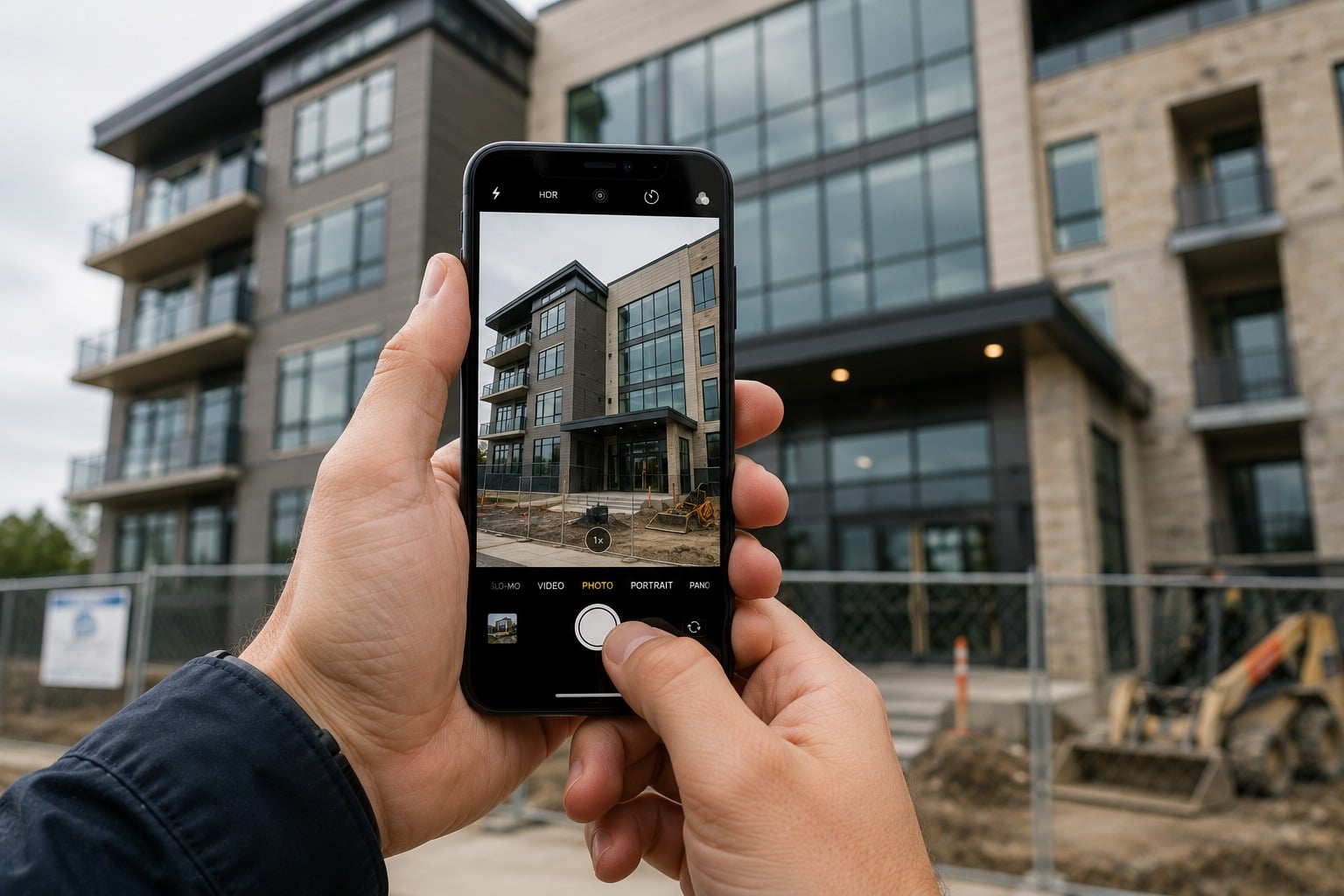
BlitzzCam gives home inspectors a way to back up every finding with verified evidence: every photo is automatically stamped with GPS location and a timestamp, and organized by property, so a report isn't just a collection of images — it's a documented, defensible record of exactly what was seen, where, and when.
This piece looks at what that verification actually adds for a home inspection business, and why clients, agents, and buyers notice the difference.
Why Trust Matters More Than Ever in Home Inspection
Home inspectors operate in a business built almost entirely on trust and reputation. A single disputed finding — a buyer who feels a defect was missed, a seller who feels a report was inaccurate, an agent who questions whether a photo really shows what the inspector claims — can damage an inspector's standing with the agents and clients who refer future business.
This pressure has only increased as real estate transactions move faster and buyers do more of their own research before and after an inspection. A report that can't stand up to scrutiny — because the underlying photos aren't verifiably tied to the property or the date of inspection — is a liability in a business where reputation is the primary asset.
What a Verified Photo Adds to an Inspection Report
A standard inspection photo shows a client what something looked like. A BlitzzCam photo shows a client what something looked like, exactly where in the property it was, and exactly when it was documented — because GPS location and a timestamp are attached automatically the moment the photo is captured.
This distinction matters most when a finding is questioned after the fact. If a buyer closes on a property and later claims a defect was present but not disclosed, an inspector with verified, time-stamped photos has a documented, defensible answer: here is exactly what this area looked like, confirmed by location and time, on the date of inspection. Without that verification, it becomes a matter of the inspector's word against the buyer's claim.
Organizing Photos by Room, System, or Area
A full home inspection can generate hundreds of photos across a single property — roof, foundation, electrical panel, plumbing, HVAC, attic, crawlspace, and every room in between. BlitzzCam automatically organizes these photos under the correct property, so an inspector isn't manually sorting through a mixed camera roll to find the right images before writing up the report.
This organizational structure directly speeds up report turnaround, since photos are already filed and ready to reference by the time the inspector sits down to write findings — rather than spending the first chunk of report-writing time just locating and sorting images.
Sharing Reports With Clients and Agents
Home inspection findings typically need to reach several people at once: the buyer, the buyer's agent, sometimes the seller's agent, and occasionally a contractor being consulted about a specific finding. BlitzzCam's portal sharing lets an inspector send one link that any of these parties can view directly, without downloading an app or managing a growing string of email attachments.
This is particularly useful in time-sensitive transactions, where a buyer's agent may want to review specific photos quickly to advise their client on next steps, without waiting for the inspector to compile and re-send a set of images through email.
Protecting Inspectors From Liability Claims
Home inspectors carry meaningful liability exposure — a missed defect or a disputed finding can lead to a claim, and in that claim, the inspector's documentation is often what determines the outcome. A verified, time-stamped BlitzzCam photo record gives an inspector something concrete to point to: not just a memory of the inspection, but a documented, GPS- and time-verified account of the property's condition at the time it was inspected.
For inspectors carrying errors and omissions insurance, a demonstrated, consistent verified-photo practice can also support more favorable treatment at renewal, since it signals a lower-risk documentation standard to underwriters evaluating the business.
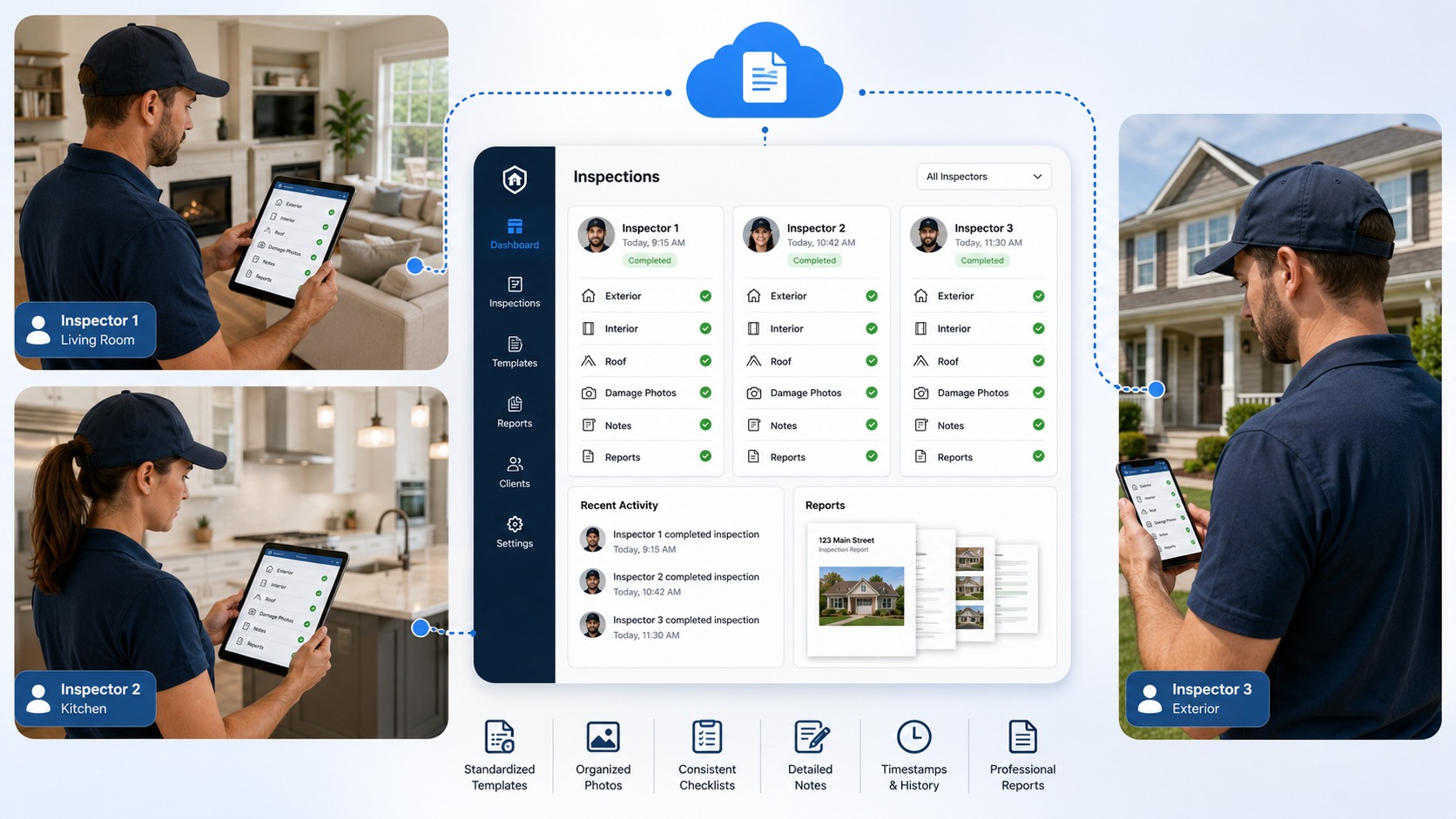 Standardizing Documentation Across a Multi-Inspector Business
For home inspection businesses with more than one inspector, consistency across the team matters as much as the quality of any individual inspector's work. BlitzzCam's checklist functionality lets a business define exactly what needs to be photographed for a standard inspection, so a newer inspector documents a property the same way a senior inspector would.
This consistency protects the business's reputation as a whole — a client or agent working with any inspector on the team gets the same standard of documented, verified findings, rather than quality varying visibly depending on which inspector handled a given job.
What Home Buyers and Agents Notice
Buyers and agents may not know the specific term "GPS- and timestamp-verified," but they notice the difference in practice: a report that feels documented and credible versus one that feels like a collection of photos with a write-up attached. A verified, well-organized photo record, shared through a clean portal link rather than a pile of email attachments, signals a level of professionalism that agents remember when deciding who to refer future clients to.
Over time, inspectors who adopt this standard often find it becomes a quiet differentiator in a competitive local market — not something they need to market aggressively, but something agents and repeat clients simply come to expect and appreciate.
A Common Scenario: The Post-Closing Dispute
A recurring situation for home inspectors: a buyer closes on a home, moves in, and a few months later discovers an issue — a leak, a foundation crack, an electrical problem — and calls the inspector claiming it should have been caught. Without verified documentation, this conversation is difficult for the inspector to defend, since it becomes a matter of the inspector's memory and professional judgment against the buyer's frustration and the visible problem in front of them.
An inspector with a BlitzzCam-verified photo record has something concrete to reference: the exact condition of that specific area, confirmed by location and time, on the date of inspection. In many cases, this resolves the question immediately — either the verified photo shows the same condition the buyer is now pointing to (meaning it was visible and documented at the time), or it shows the area was different, indicating something changed after the inspection. Either way, the inspector has a documented answer rather than just their word.
Working With Real Estate Agents Who Refer Business
Home inspectors depend heavily on referrals from real estate agents, and agents in turn depend on inspectors whose reports won't create problems in a transaction. An agent who has seen a transaction nearly fall apart over a disputed inspection finding — or who has had to mediate a disagreement between a buyer and an inspector — remembers which inspectors handled it well.
Inspectors using BlitzzCam can point agents to the verified, organized photo record as part of what sets their reports apart, which is a concrete, demonstrable difference rather than just a claim about being thorough. Over time, this can become part of an inspector's pitch to agents deciding who to include on a preferred vendor list.
Handling High-Volume Inspection Seasons
Home inspection demand isn't steady throughout the year — spring and summer real estate markets typically bring a surge in inspection volume, and inspectors often find themselves completing multiple properties a day during peak season. This is exactly when a disorganized camera roll becomes most error-prone, since the volume of photos being captured makes manual sorting slower and mistakes — like mixing up which photo belongs to which property — more likely.
BlitzzCam's automatic organization by project removes this risk regardless of volume, since every photo is filed correctly the moment it's taken rather than requiring manual sorting at the end of a long, multi-property day. Inspectors report that this consistency becomes most valuable exactly during the busiest stretches of the year, when there's the least time available to fix organizational mistakes after the fact.
What This Means for Growing an Inspection Business
For inspectors looking to grow beyond a solo practice, documentation consistency is often the limiting factor in how quickly a business can expand. Bringing on a second or third inspector traditionally means accepting some variability in how thoroughly each person documents a property, since photo habits are personal and hard to standardize through instruction alone.
BlitzzCam's checklist and organizational structure gives a growing inspection business a way to scale documentation quality alongside headcount — a new inspector's photo record looks the same as a senior inspector's from day one, rather than needing months of on-the-job habit-building to reach the same standard. This matters directly to the business's reputation, since agents and clients working with any inspector on a growing team should get the same level of documented, verified findings regardless of tenure.
A Quiet Advantage in a Competitive Market
Most local home inspection markets have several established inspectors competing for the same pool of agent referrals and repeat clients, and price and availability alone often aren't enough to stand out. Documentation quality is one of the few differentiators that's both meaningful and genuinely difficult for competitors relying on a standard camera roll to match quickly, since it requires a change in tools and habits rather than just a marketing adjustment.
Inspectors who've made the switch describe it less as a dramatic selling point and more as a quiet, cumulative advantage — the kind of thing that doesn't come up in every conversation with a client, but that shows up consistently in reduced disputes, faster report turnaround, and agents who keep sending business because the inspector's reports have never caused them a problem in a transaction.
.jpg?width=1536&height=1024&name=blitzz%20cam%20photo%20documentation%20(2).jpg)
Making the Case to Skeptical Clients
Occasionally a client questions why an inspector's documentation process looks different or more thorough than what they've seen before, particularly if they've worked with inspectors previously who used a more informal approach. The simplest explanation tends to work best: verified, organized photos protect the client just as much as the inspector, since it means any question that comes up later about the property's condition at the time of inspection has a documented, defensible answer rather than relying on anyone's memory.
Framed this way, most clients see verified documentation as a sign of professionalism and thoroughness rather than an unusual or suspicious practice — and inspectors who explain it clearly upfront rarely find it becomes a point of friction in the relationship.
Frequently Asked Questions
How does BlitzzCam make a home inspection report more credible?
Every photo is automatically verified with GPS location and a timestamp, giving the inspector a documented, defensible record of exactly what was seen, where, and when — rather than a collection of unverified images.
Can buyers or agents view BlitzzCam photos without downloading an app?
Yes. Photos are shared through a portal link that anyone can view directly in a browser, without installing any software.
Does BlitzzCam help inspectors organize photos for a full home inspection?
Yes. Photos are automatically filed under the correct property, so an inspector doesn't need to manually sort hundreds of images before writing up a report.
How does BlitzzCam protect inspectors from liability claims?
A verified, time-stamped photo record gives an inspector documented evidence of property condition at the time of inspection, which supports their position if a finding is disputed later.
Can a home inspection business standardize documentation across multiple inspectors?
Yes. BlitzzCam's checklist feature lets a business define what needs to be photographed for a standard inspection, so documentation quality stays consistent regardless of which inspector is on-site.
Do agents and buyers actually notice the difference in verified photo documentation?
Many inspectors report that agents and repeat clients notice the professionalism of a well-organized, verified photo record, even if they don't use the technical terms for what makes it more credible.
What happens if a buyer disputes a finding months after closing?
A verified, time-stamped photo record gives the inspector documented evidence of the exact condition at the time of inspection, which can resolve the question directly rather than relying on memory or professional judgment alone.
Does BlitzzCam help during high-volume inspection seasons?
Yes. Automatic photo organization by property removes the risk of mixing up images across multiple properties inspected in a single day, which matters most during peak season when there's little time to fix organizational mistakes afterward.
See how BlitzzCam helps home inspectors deliver verified, trustworthy photo reports — schedule a demo to see it in action.

Blitzz Team
The Blitzz Team writes about remote video support, virtual inspections and field service. Our guides come from working with home builders, property managers, warranty teams, contact centers and field service organizations that use Blitzz to see and solve issues without a truck roll.