On this page
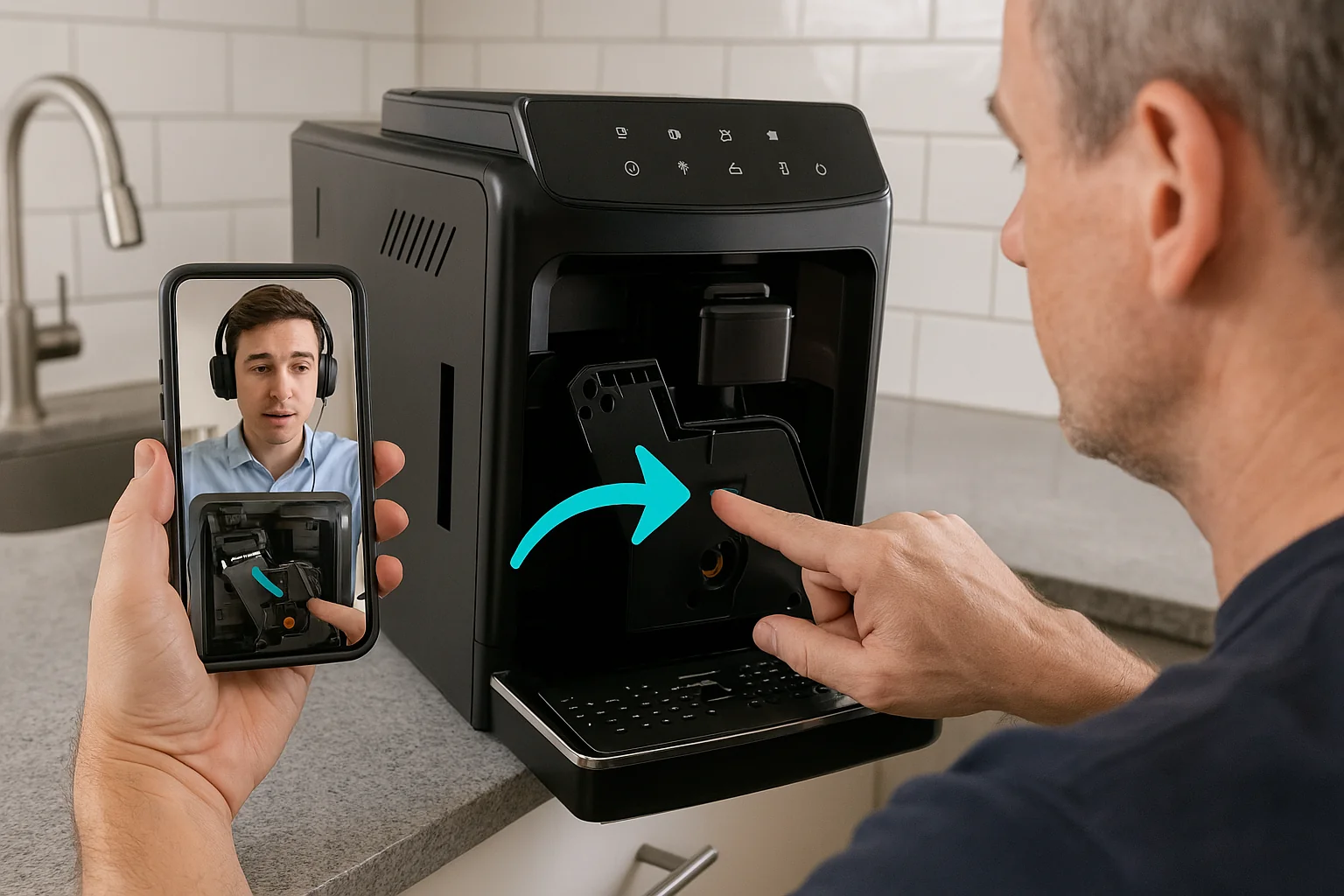
Short answer: The best food equipment customer support combines fast diagnosis, well-trained and empowered staff, proactive follow-up and clear metrics. Live video support makes the biggest difference in diagnosis, because agents can see the fryer, ice machine or oven through the customer's phone instead of relying on a description. That leads to more first-contact fixes, fewer technician visits and less downtime for restaurants and kitchens.
Key takeaways
- Downtime is costly for food service operators, so speed of diagnosis matters most.
- Live video lets agents see equipment, read model and serial numbers, and guide fixes remotely.
- Trained and empowered staff resolve issues faster and with fewer escalations.
- Proactive follow-up and honest communication build long-term trust with operators.
- Track first contact resolution, customer satisfaction and repeat calls to measure progress.
The state of food equipment customer support

Rising expectations
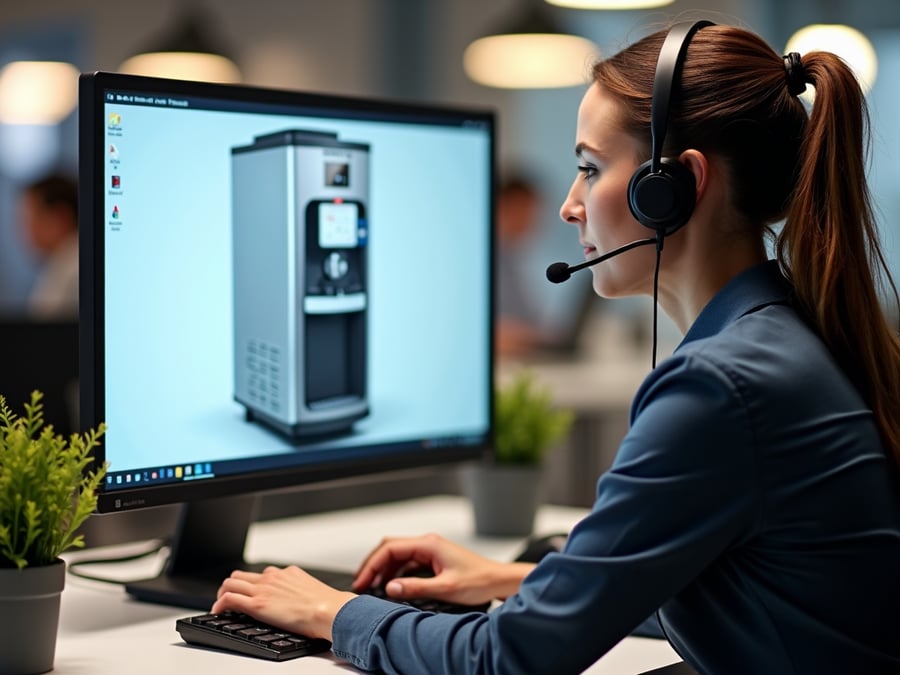
Restaurant and food service operators expect quick, informed and personal support. When a walk-in cooler, ice machine or combi oven goes down, every hour costs them product and sales.
At the same time, support teams face limited technician capacity, large service areas and a wide range of equipment models. Meeting expectations with those constraints is the core challenge.
Why support quality matters
Strong support protects your reputation and keeps customers buying from you. It also connects directly to business goals such as warranty cost, service revenue and repeat equipment sales.
Best practices for food equipment customer support
1. Use digital tools to diagnose faster
The right tools help agents and technicians respond quickly and fix issues on the first visit.
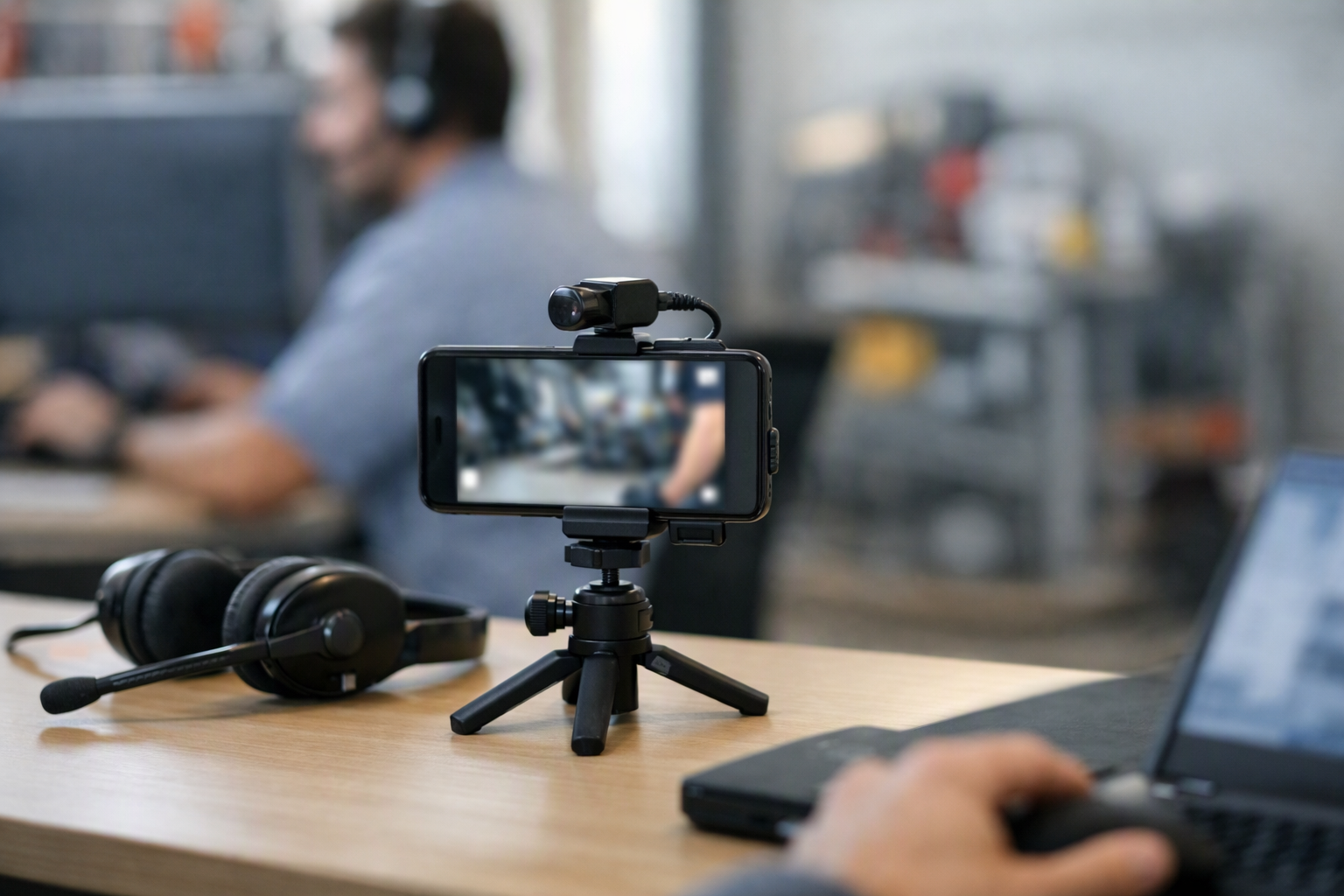
- Live video support: Agents see the equipment through the customer's phone camera. They can spot loose connections, error codes and incorrect settings right away.
- Field service software: Give technicians real-time job data so they arrive with the right information and parts.
- Customer records: Keep a full history of each customer's equipment and past issues so every interaction starts with context.
With Blitzz Concierge, the operator joins a video session from a text or email link in their mobile browser. There is no app download, which matters in a busy kitchen. Agents can use an on-screen pointer and markup to show which panel to open or which button to press, and OCR reads model and serial numbers from the data plate.
2. Train and empower your staff
Your support staff are the front line. They need both the skills and the authority to resolve issues.
- Regular training: Keep the team current on equipment models, common faults and new tools.
- Decision authority: Let agents approve replacements or credits within clear limits. This speeds up resolution and improves morale.
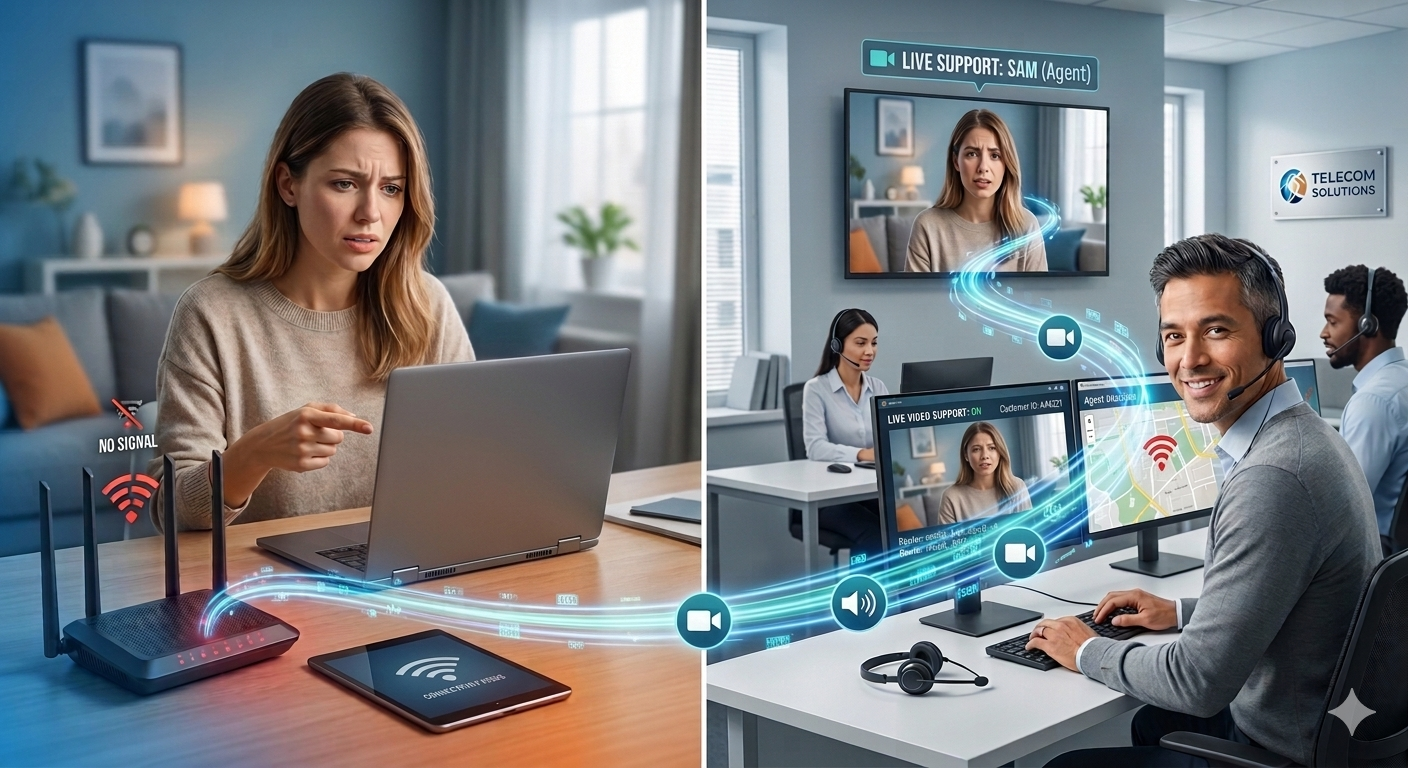
- Expert access: When a case is beyond an agent's knowledge, multi-party calls let them bring a senior technician into the same video session.
Keeping your best experts engaged is part of this. See how to attract and retain the best subject matter experts.
3. Resolve problems proactively
- Handle complaints quickly: Fast responses stop small issues from becoming lost accounts.
- Follow up: After a fix, check in to confirm the equipment is running properly.
- Offer options: A temporary workaround, a part shipment or a scheduled visit gives the operator a path forward.
4. Communicate efficiently and manage resources
- Triage before dispatch: A short video session confirms whether a technician visit is needed and which parts to bring.
- Optimize routes and schedules: Use field service tools to cut drive time between jobs.
- Prevent callbacks: Resolve the full issue on the first contact so the customer does not have to call again.
For more on avoiding unnecessary visits, read how to reduce truck rolls.
5. Be transparent and collaborative
- Be honest: Tell operators what you can deliver and when. Focus on the solution, not the limitation.
- Involve the customer: Walking the operator through a fix on video makes them part of the solution and builds trust.
- Document the outcome: Photos and video from the session are saved to the record with time and location data, which helps with warranty claims.
Phone-only support vs. live video support
| Task | Phone-only support | Live video support |
|---|---|---|
| Identifying the model | Operator reads the data plate aloud | OCR reads it from the camera view |
| Diagnosing the fault | Based on the operator's description | Agent sees the equipment and error codes |
| Guiding a fix | Verbal instructions | Pointer, markup and AR on the live view |
| Escalating | Transfer or callback | Expert joins the same session |
| Warranty documentation | Agent notes | Photos and video saved to the record |
Measuring success
KPIs to track
- First contact resolution: The share of issues solved on the first call. See tactics for improving FCR.
- Customer satisfaction: Short surveys after each case show how operators feel about the support they received.
- Repeat call volume: Fewer repeat calls means issues are being fully resolved.
- Technician visits avoided: Count cases resolved remotely that would otherwise have needed a dispatch.
Continuous improvement
Review customer feedback and recorded sessions on a regular schedule. Look for recurring faults, training gaps and steps where operators get stuck. Share recurring equipment issues with product teams so they can be fixed at the source.
Frequently asked questions
What makes food equipment support different?
Operators lose product and revenue every hour equipment is down. Support has to diagnose quickly and work around busy kitchen schedules.
How does live video help food equipment support teams?
Agents see the equipment, read model and serial numbers, and guide the operator through checks and fixes. Many issues get resolved without a technician visit.
Does the restaurant need to install an app?
No. With Blitzz, the operator taps a text or email link and the session opens in their mobile browser.
Which KPIs matter most?
First contact resolution, customer satisfaction, repeat call volume and technician visits avoided give a clear view of support performance.
Related reading
- How to reduce truck rolls using remote video support
- 8 proven ways to boost productivity for your field service teams
- The real cost of a truck roll and how to avoid it
See how Blitzz Concierge helps food equipment teams resolve issues faster. Book a demo or start a free trial.