
.png?width=120&height=55&name=Blitzz-Logo-right%20white%20eyes%20-%20not%20transparent%20(3).png)
Supplier audits have always played a critical role in manufacturing, but today they matter more than ever. As supply chains become increasingly global and complex, manufacturers and heavy equipment companies are relying on a wider network of suppliers across multiple regions.
At the same time, expectations around product quality, regulatory compliance, and delivery timelines continue to rise. A slow or delayed supplier audit can lead to production bottlenecks, compliance risks, costly rework, and missed delivery commitments. In high-value manufacturing and heavy equipment operations, even small delays can have a significant operational and financial impact.
Here's everything you need to know about supplier audit and how remote video inspections can help reduce truck rolls and speed up processes.

What Is a Supplier Audit?
A supplier audit is a structured evaluation used to assess a supplier’s ability to meet quality, safety, compliance, and operational requirements. Its primary purpose is to ensure that suppliers can consistently deliver products, components, or services that meet defined standards before they impact production.
Supplier audits typically fall into several categories, including quality audits to verify manufacturing standards, compliance audits to ensure regulatory and contractual adherence, safety audits to assess workplace and equipment safety, and process validation audits to confirm that production processes are capable and repeatable.
In manufacturing and heavy equipment industries, supplier audits are especially critical due to the complexity, scale, and risk involved. Components often need to meet strict performance, safety, and durability standards, and failures can result in costly downtime, recalls, or safety incidents. Effective supplier audits help manufacturers reduce risk, maintain quality, and keep production moving without disruption.
Common Challenges That Slow Down Supplier Audits
Despite their importance, supplier audits are often slowed down by practical and logistical challenges. Industry sources indicate that supplier issues contribute heavily to project delays and performance problems — with around 57 % of suppliers reporting non‑compliance issues and 70 % of projects experiencing delays related to supplier challenges. These risks underscore the importance of regular, rigorous audits to catch issues early in complex supply chains.
The Impact of Slow Audits on Manufacturing Operations
When supplier audits drag on, the consequences quickly ripple through manufacturing operations. Production schedules can be delayed, leading to missed delivery deadlines and disrupted supply chains. Slow audits also increase operational and compliance risk, especially when components or equipment move into production without full verification.
These delays often translate into higher costs, including rework, expedited shipping to meet deadlines, or penalties tied to non-compliance. Over time, prolonged audit cycles can strain supplier relationships, creating frustration on both sides and undermining collaboration rather than strengthening it.
How Remote Visual Audits Speed Up the Process
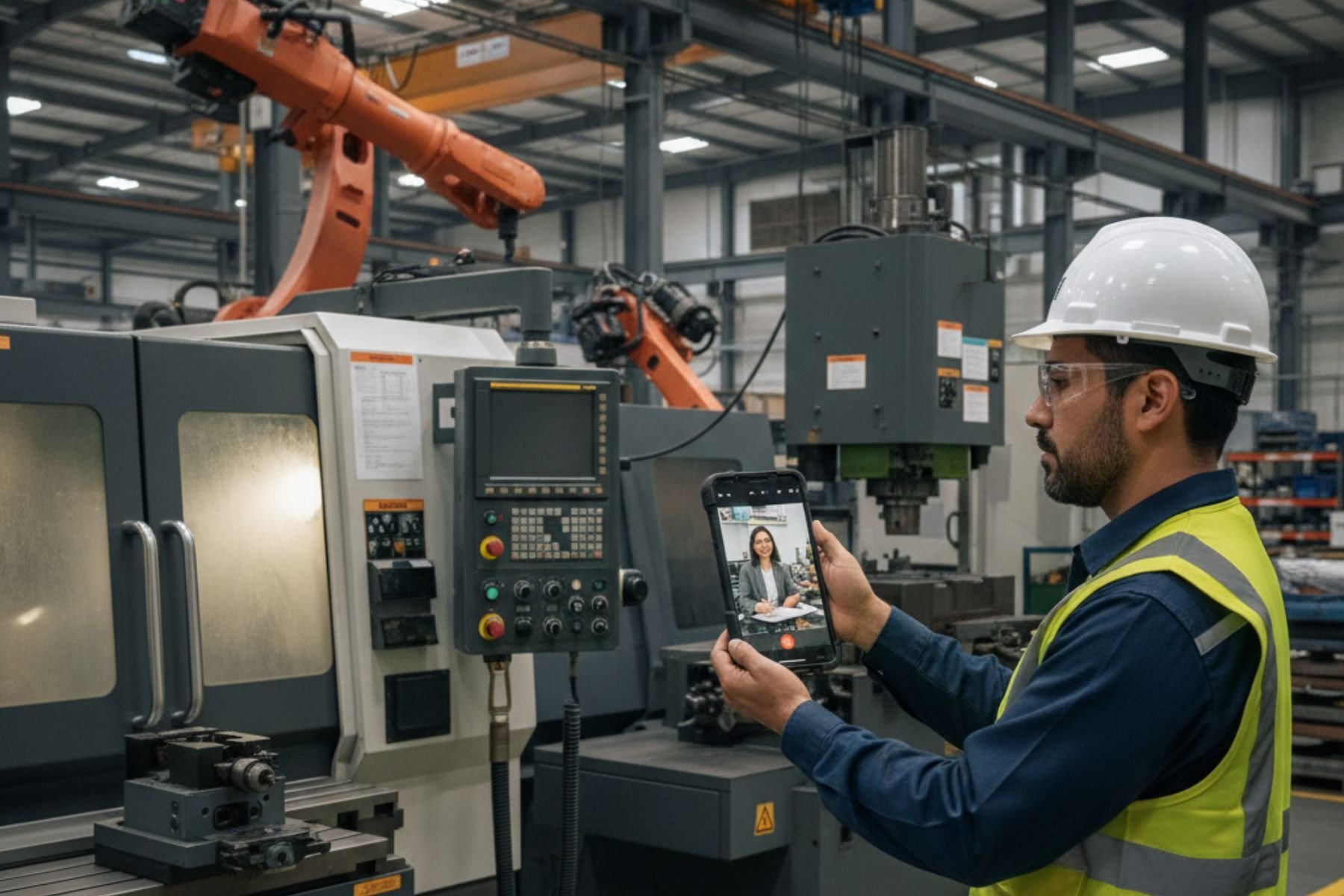
Remote visual audits offer a faster, more efficient alternative to traditional on-site inspections. By providing real-time visibility into supplier operations without the need for travel, auditors can assess facilities, equipment, and processes from anywhere. Scheduling becomes significantly easier, with audits taking place as soon as suppliers are available rather than waiting weeks for on-site visits.
Through live video walkthroughs, auditors can review equipment, observe production processes, and verify compliance in real time. Questions can be addressed immediately, issues identified on the spot, and next steps agreed upon during the same session — dramatically reducing delays and accelerating the entire audit process.
Benefits of Faster Supplier Audits
Speeding up supplier audits delivers immediate and long-term benefits across manufacturing operations. Reduced audit cycle times mean suppliers can be approved faster, eliminating bottlenecks that delay production and delivery schedules. By minimising the need for on-site visits, manufacturers also significantly lower travel and operational costs, freeing up resources for higher-value activities.
Faster audits improve accuracy as well. Real-time visibility and direct interaction with supplier teams reduce reliance on incomplete documentation or secondhand explanations. This leads to clearer findings, better documentation, and fewer assumptions. As communication becomes more transparent, collaboration with suppliers strengthens, building trust and alignment rather than friction. Ultimately, faster audits enable a quicker path from approval to production, helping manufacturers bring products to market with greater confidence and speed.
Why Blitzz Inspect Matter
Blitzz Inspect matter for many business, especially for manufacturing and heavy equipment.
Real-time visibility without travel
Auditors can observe supplier facilities, equipment, and operations instantly through live video, eliminating the need for on-site visits and saving time, costs, and logistical coordination across regions.
Faster scheduling and instant access to supplier sites
Remote audits can be arranged quickly, bypassing travel constraints and time-zone challenges. Suppliers and auditors connect instantly, enabling more frequent assessments and accelerated audit cycles.
Live walkthroughs of equipment, processes, and facilities
Auditors can guide suppliers through processes and inspect machinery in real time. Live walkthroughs provide comprehensive understanding, uncover hidden issues, and ensure compliance without physically visiting the site.
Immediate clarification and issue identification
Questions can be answered on the spot, discrepancies clarified, and potential non-compliance issues flagged immediately. This reduces errors, miscommunication, and the need for follow-up audits.
How To Use Blitzz Inspect For Manufacturing
Supplier qualification and onboarding
Remote audits allow quick assessment of new suppliers’ facilities, processes, and quality standards, ensuring they meet compliance and operational requirements before starting production.
Pre-production and first article inspections
Manufacturers can verify prototypes or first production runs remotely, confirming specifications, quality, and process accuracy before full-scale production begins.
Equipment and tooling validation
Auditors can inspect machinery, tools, and calibration setups via live video, ensuring equipment is functioning correctly and ready for production without sending teams on-site.
Process compliance and safety checks
Remote audits allow real-time verification of manufacturing processes, safety protocols, and regulatory compliance, reducing risk and ensuring standards are met consistently.
Corrective action verification
Once issues are identified, auditors can confirm that corrective actions are implemented properly without waiting for a return visit, speeding up resolution and preventing recurring problems.

Other Benefits of Remote Video Inspection Software
Defying Time Zones
Remote video inspections help reduce truck rolls and eliminate delays during on-site visits. With the availability of remote inspections, suppliers spread across different regions can defy time zones.
Cutting on Cost Without Compromise
Scheduling on-site visits can be difficult when suppliers are spread across different regions or countries, each with their availability and operating schedules. Travel delays, rising costs, and limited auditor availability further complicate the process, turning what should be a routine audit into a weeks-long effort.
With remote video inspection software, inspectors can conduct audits remotely, saving time and resources while maintaining accuracy and compliance.This not only reduces operational costs and truck rolls but also accelerates the entire audit cycle, strengthens supplier collaboration, and ensures production stays on schedule.
Minimizing delays and inconsistent documentation
Audits are also delayed by incomplete or inconsistent documentation. Without clear visibility into supplier operations, auditors may need multiple follow-ups to gather missing information or clarify processes. Communication gaps between auditors and suppliers — whether due to language barriers, time differences, or unclear expectations — can result in misunderstandings, rework, and repeated audits that slow progress even further.
Take the Next Step
Ready to transform the way your company conducts audits? Reduce truck rolls, cut costs, and speed up processes with remote video inspections. See how real-time visibility, guided walkthroughs, and instant issue resolution can streamline supplier audits, improve compliance, and keep your manufacturing operations running smoothly. Book a demo today!
.jpg)