
.png?width=120&height=55&name=Blitzz-Logo-right%20white%20eyes%20-%20not%20transparent%20(3).png)
Customers frequently reach out for warranty repairs on a wide range of products, from household appliances and HVAC systems to electronics and industrial equipment. It’s natural—they expect their purchase to work as promised, and when it doesn’t, they want it fixed quickly. However, not every request is straightforward or covered under warranty.
Sometimes the problem is caused by simple user error, improper setup, or accidental damage that falls outside the warranty terms. In other cases, the product may simply be out of its coverage period. Automatically sending a technician without verifying the claim can be expensive and inefficient, both for the company and the customer, leading to wasted time, unnecessary costs, and potential frustration for all parties involved.
Let’s take a look at how remote video inspections for automative are transforming the way warranty claims are handled, making the process faster and more transparent.
What Are Warranty Claims?
Car warranty claims are requests made when a vehicle develops a problem that may be covered under the manufacturer’s or extended warranty. When something goes wrong—such as engine issues, electrical faults, or transmission problems—the owner brings the car to an authorized repair shop or dealership for inspection.
The service team then confirms whether the issue is due to a manufacturing defect and falls within the warranty terms, rather than normal wear and tear, accidents, or poor maintenance. If the claim is approved, the warranty provider covers the repair or replacement costs, helping drivers avoid unexpected and often expensive repair bills.
How Remote Video Inspection Transforms Warranty Claims Processes
Instead of dispatching someone immediately, companies verify the claim remotely using tools like:
Photos or videos
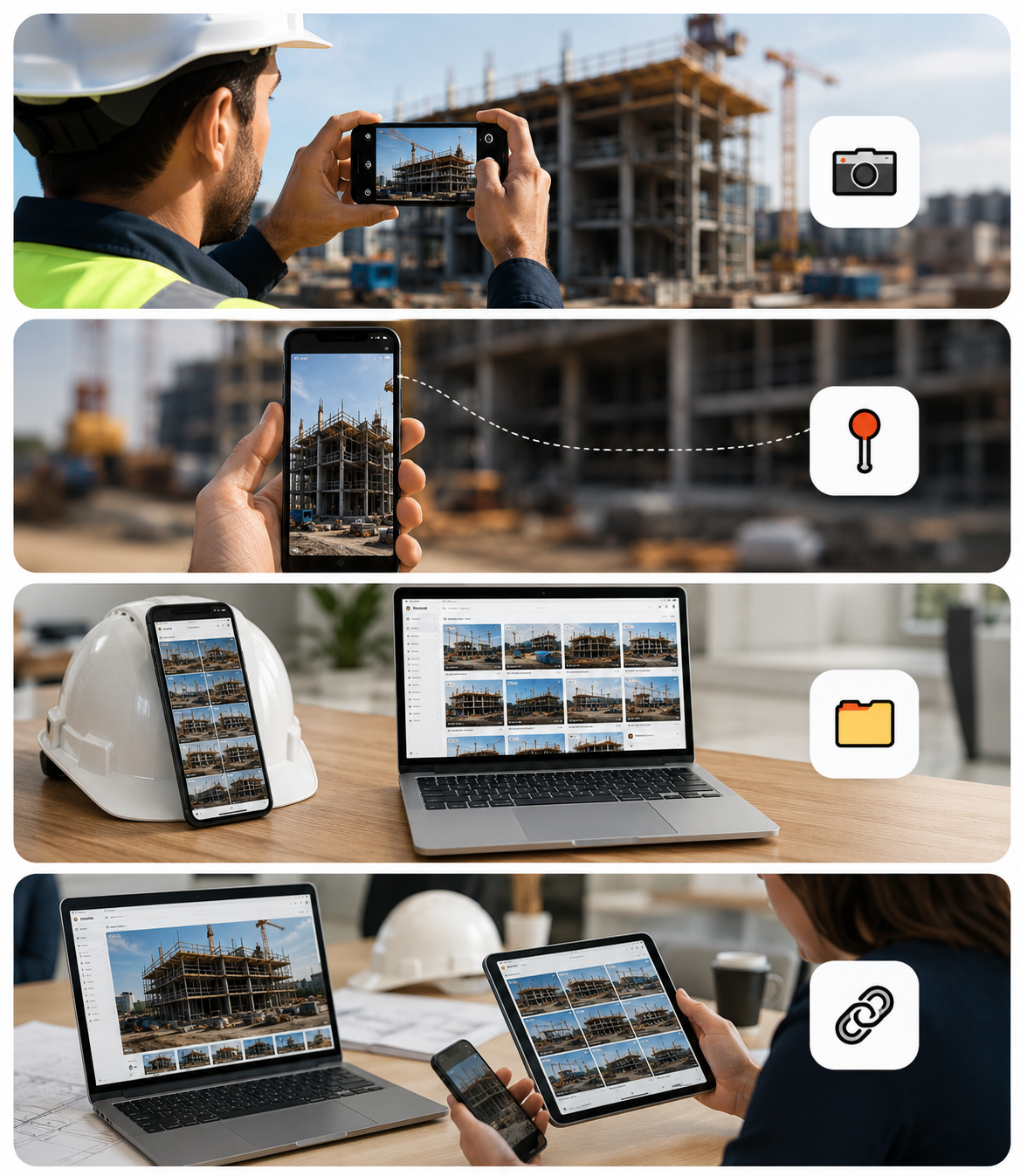
The customer uploads clear images or short videos through a secure link, giving the claims team visual proof of the issue. This allows technicians to quickly identify visible damage, confirm the condition of the vehicle or product, and determine whether the problem may fall under warranty coverage before scheduling an in-person visit.
Video calls
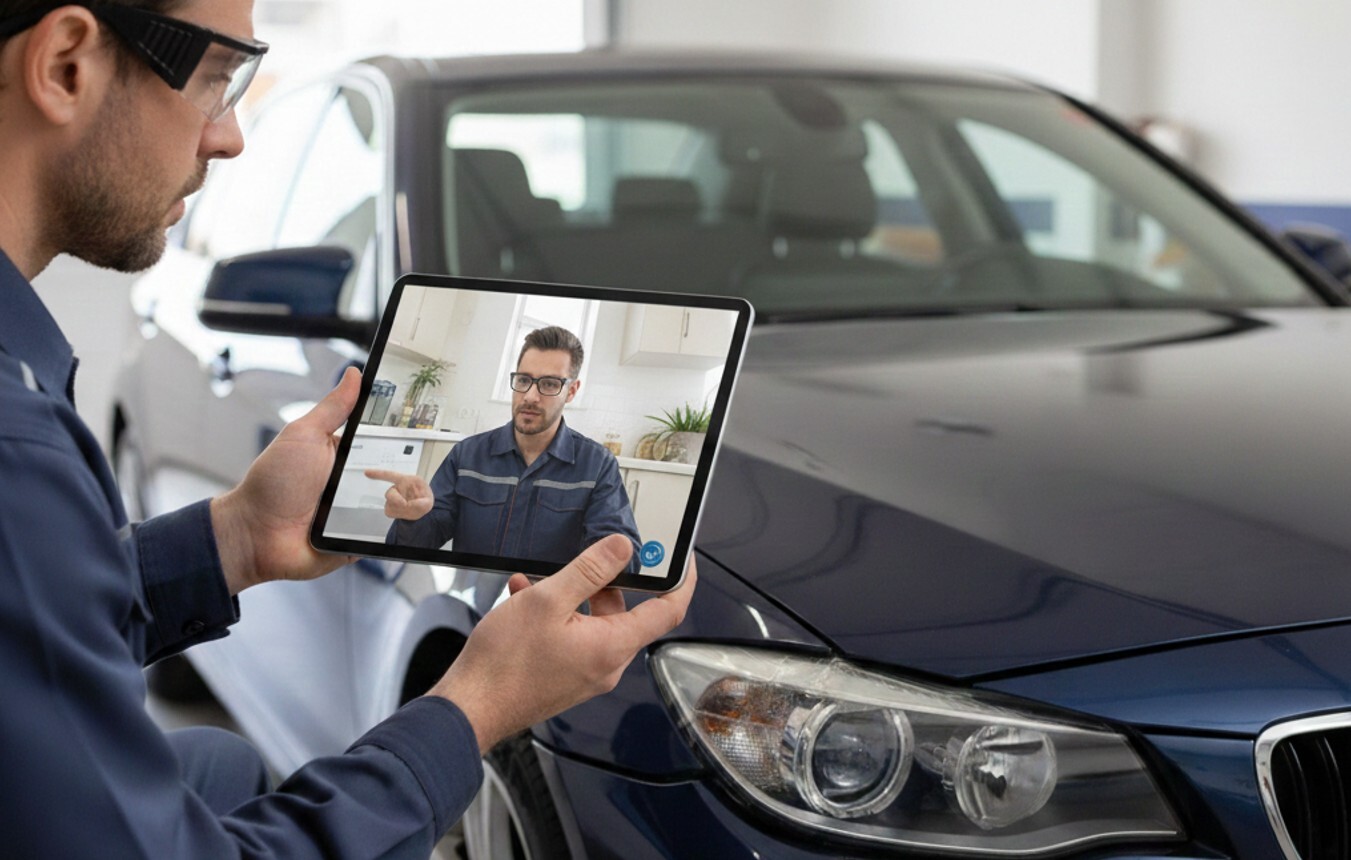
A technician can guide the customer through a live video call, asking them to show specific parts, demonstrate the issue, or perform simple checks in real time. This interactive approach helps technicians better understand the problem and often allows them to diagnose issues faster than relying on written descriptions alone.
Diagnostic software
Some vehicles and modern devices can automatically send diagnostic data, such as error codes, system alerts, or performance logs, over the internet. This technical information provides deeper insight into what’s happening internally and helps confirm whether the issue is related to a manufacturing defect or another cause.
Questionnaires
Customers complete a structured form that asks about product usage, maintenance history, and the symptoms they’ve noticed. These guided questions help ensure that the claims team gathers consistent, accurate information and can quickly determine whether the claim meets warranty requirements.
Benefits of Remote Video Inspection
- Faster Processing: RVI reduces or eliminates the need to coordinate inspector schedules, allowing claims to move forward faster, especially in rural or remote areas.
- Enhanced Documentation: Claims teams can use tools like 3D models or live video to document damage, reducing the risk of missing details.
- Fraud Prevention: High-quality, immediate visual evidence helps ensure that damage is documented immediately after a loss, making it harder to inflate claims.
If you need any clarification or guidance on your warranty claim, feel free to reach out to us—we’re here to help every step of the way.
Reducing Truck Rolls with Remote Video Inspections
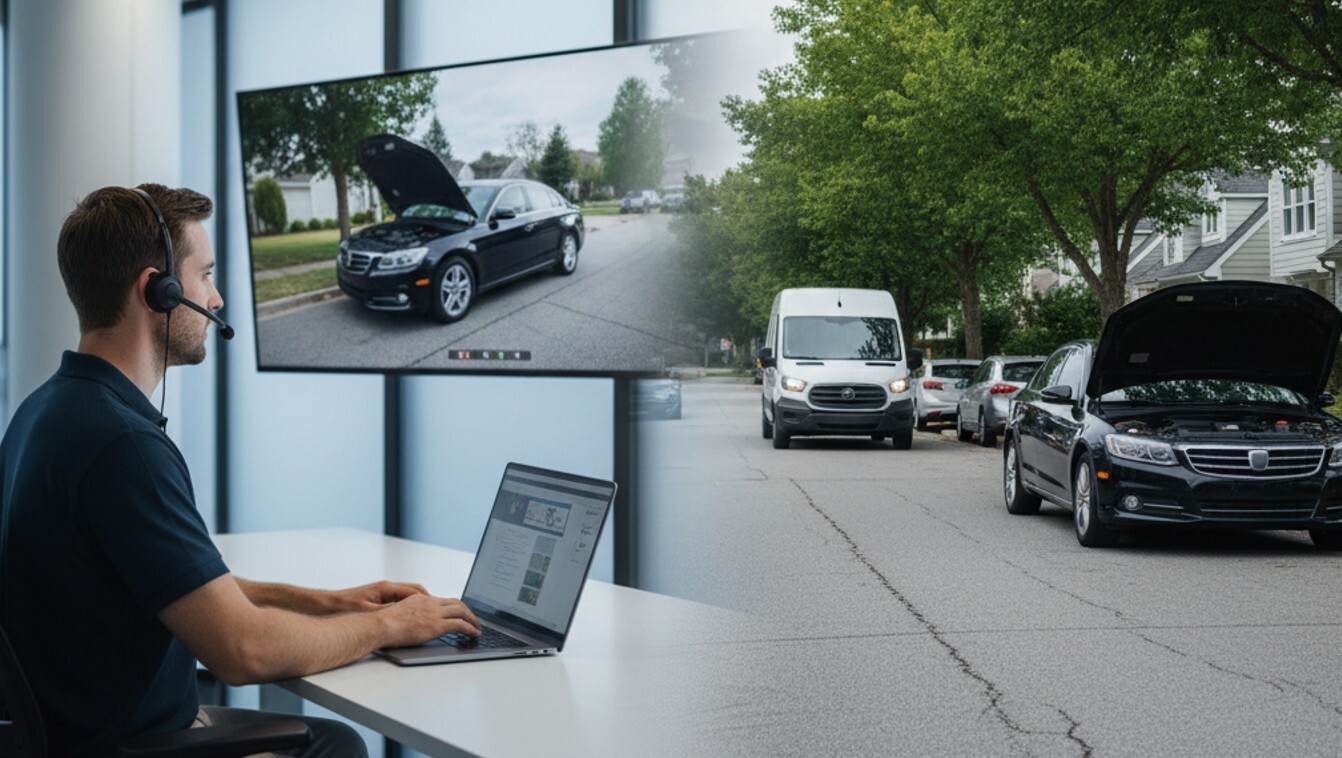
One of the biggest hidden costs in warranty and service operations is the “truck roll”—sending a technician out for an on-site visit. Every unnecessary visit adds labor, fuel, and time expenses, not to mention potential scheduling delays for other customers. Remote video inspections help reduce truck rolls by allowing technicians to assess the problem virtually before ever leaving the shop. Through live video calls, photos, and diagnostic data, service teams can determine whether an on-site visit is actually required, or if the issue can be resolved remotely. This not only saves money but also improves operational efficiency, speeds up claim resolution, and enhances the customer experience by avoiding unnecessary waiting times.
How Blitzz Powers Remote Video Inspections
One of the biggest drivers behind the rise of remote warranty verification is the use of specialised platforms designed specifically for real-time visual support. Blitzz is a remote video inspection and augmented reality platform that allows technicians, claims teams, and customers to connect instantly through a simple video link—no app downloads required. With just a smartphone camera, customers can show the issue live while experts capture photos, record videos, annotate images, and guide troubleshooting step by step.
In the context of warranty claims, this technology transforms how inspections are handled. Instead of waiting days for an on-site visit, adjusters and service teams can verify damage, confirm product conditions, and collect documentation within minutes. Features like secure media capture, AI-powered image validation, and session recordings create a strong audit trail that supports faster approvals and reduces fraud risk. By removing travel delays and enabling real-time collaboration, platforms like Blitzz make remote video inspection not just convenient—but a core part of modern warranty workflows.
Related article: "Is it covered?" How are live video calls changing warranty claims triage?
Key Takeaway
Remote video inspection is reshaping the warranty claims process by making it faster, smarter, and more efficient for everyone involved. By verifying issues remotely, companies can reduce unnecessary technician visits, speed up approvals, and deliver a smoother customer experience. At the same time, stronger documentation and real-time evidence help minimize fraud and improve decision-making. In today’s digital-first world, remote verification is quickly becoming an essential step in modern warranty workflows.