
.png?width=120&height=55&name=Blitzz-Logo-right%20white%20eyes%20-%20not%20transparent%20(3).png)

Imagine an engineer sits in the office reviewing a handful of photos sent from the field. The images are slightly blurry. The angles don’t quite capture the full context. A quick phone call fills in some gaps, but not all. Based on that limited information, a decision has to be made — approve, redesign, escalate, or schedule another visit.
This scenario plays out every day across construction sites, utilities projects, manufacturing plants, and infrastructure upgrades. And while each decision may feel routine, the cost of misalignment quietly adds up. Delays creep into timelines. Rework becomes necessary when assumptions prove wrong. Extra site visits are scheduled “just to be sure.” Budgets stretch. Teams grow frustrated.
The issue isn’t competence. It’s clarity.
When engineers and field teams operate without shared, real-time visibility, even small misunderstandings can ripple into significant operational drag. One misinterpreted measurement or overlooked detail can trigger days of back-and-forth communication.
The solution isn’t simply more meetings or more site visits. It’s better communication. When engineers can see what the field sees — in context, in real time — they make faster, more confident decisions. And when those decisions are informed and collaborative, unnecessary site visits naturally decrease.
In today’s projects, speed and clarity matter more than ever.
Why Engineering–Field Gaps Still Exist
Despite advances in technology, communication gaps between engineering teams and field crews remain surprisingly common. The root causes are rarely dramatic — they’re embedded in the way workflows have always been done.
First, information often gets trapped in silos. Field data may live in one system, engineering documentation in another, and project updates in yet another. When information isn’t centralised, context gets lost.
Second, many teams still rely heavily on phone calls and static photos. A quick call can clarify some details, but it’s limited by what someone remembers or chooses to describe. Photos help, but they capture only a single moment from a single angle. They don’t always tell the full story.
Delayed updates from the field also contribute to the gap. By the time information reaches the engineering team, conditions may have changed. That lag forces decisions to be made on outdated data.
Then there’s the issue of real-time visibility — or the lack of it. Without live access to what’s happening on-site, engineers are left to interpret fragments instead of complete pictures.
Finally, technical details can easily be misinterpreted. A dimension taken from the wrong reference point. A component installed slightly off-spec. A temporary workaround mistaken for a permanent fix.
None of these challenges stem from a lack of skill. They stem from workflows designed for a slower, less complex era. Traditional communication methods simply weren’t built to handle today’s pace, scale, and interconnected project demands.
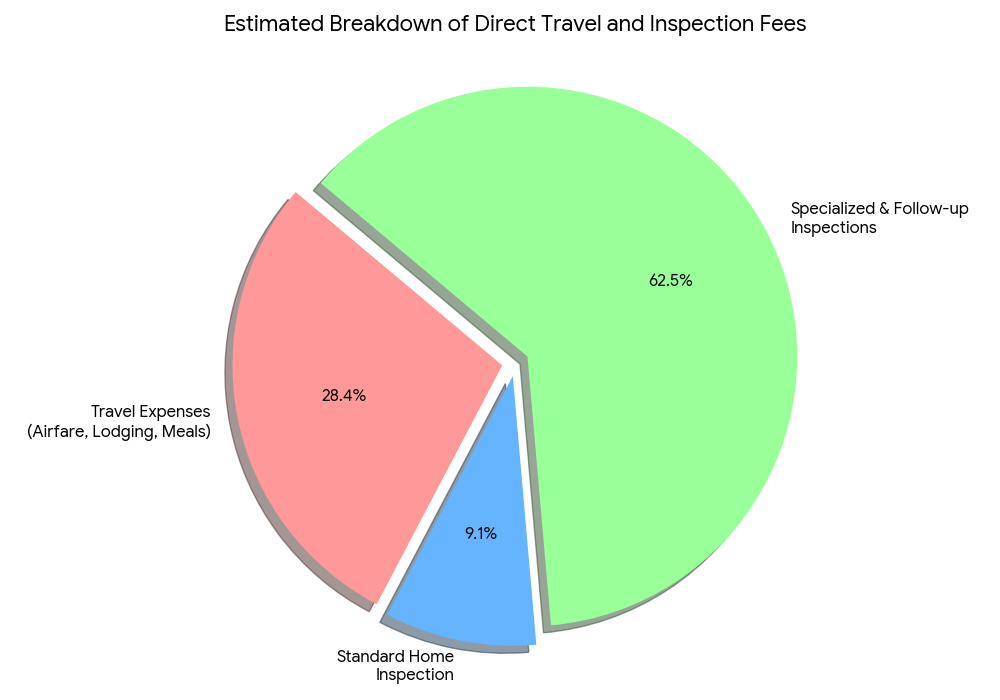
The True Cost of Extra Site Visits
When communication gaps widen, the default solution is often simple: schedule another site visit. At first glance, one additional visit may not seem significant — but the real impact goes far beyond a travel expense line item. See more information a truck roll cost.
Here’s what those extra visits actually cost:
- Travel time and fuel expenses
Every trip requires coordination, transit time, fuel, and sometimes accommodation. For teams managing multiple projects across regions, these costs scale quickly. - Project slowdowns
While waiting for an in-person inspection, work may pause. Crews stand by. Equipment sits idle. What should be forward momentum turns into delay. - Decision bottlenecks
When approvals depend on physical verification, decisions that could take minutes stretch into days — or longer. - Increased safety exposure
Each site visit introduces risk: traffic, heavy machinery, environmental hazards, and unpredictable site conditions. Fewer unnecessary visits mean fewer opportunities for accidents. - Operational drag across projects
One additional site visit may seem minor — but multiplied across projects, the cumulative impact becomes significant. - Team fatigue and frustration
Constant back-and-forth trips create strain. Engineers feel pulled in multiple directions. Field teams may feel second-guessed. Morale gradually erodes.
The question isn’t whether site visits are necessary — many absolutely are. The real question is: which of them could have been avoided with better visibility, faster collaboration, and clearer communication from the start?
What “Better Decisions” Actually Look Like
When we talk about improving engineering–field communication, the goal isn’t simply to reduce site visits. It’s to improve the quality of decisions being made — whether those decisions happen remotely or on-site.
Better engineering decisions are built on five essential elements:
- Visual clarity
Engineers need to see the full picture — not just a cropped photo or second-hand description. Clear, live visuals eliminate guesswork and reduce assumptions. - Context
A single image rarely tells the whole story. Good decisions require understanding surrounding conditions, constraints, sequencing, and environmental factors. - Immediate feedback loops
Questions should be answered in the moment, not days later. Real-time interaction prevents small uncertainties from turning into major delays. - Collaborative validation
The strongest decisions are shared decisions. When engineers and field teams review issues together, alignment increases and errors decrease. - Proper documentation
Every decision should leave a trace — visual records, annotations, timestamps, and stored discussions. This protects teams and improves accountability.
The objective isn’t fewer visits for the sake of efficiency alone. Some site visits are essential and always will be. The real aim is smarter visits — ensuring that when someone does travel to a site, it’s because their physical presence truly adds value, not because communication fell short.
The Shift: From Reactive to Real-Time Collaboration
For years, engineering field communication has been reactive. A problem is discovered. Photos are taken. Emails are sent. Calls are scheduled. Decisions are delayed.
Modern collaboration tools are changing that dynamic.
Today’s solution isn’t more reporting — it’s shared visibility.
Teams are increasingly leveraging:
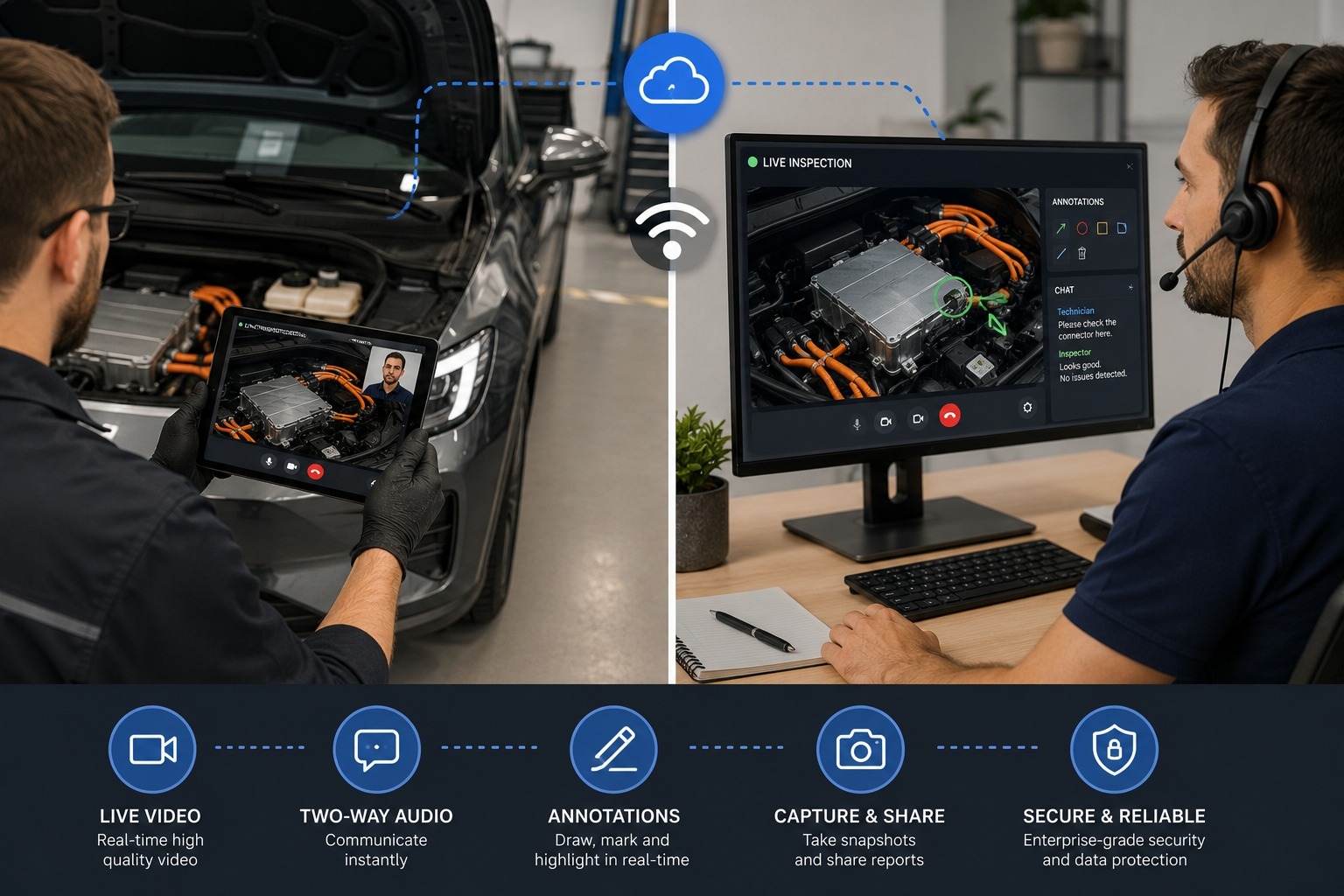
- Live video from the field
Engineers can see site conditions as they unfold, in real time, rather than relying on delayed snapshots. - Remote visual inspections
Experts can guide field teams through inspections without physically being there. - Cobrowsing or screen-sharing for schematics and drawings
Engineers and field technicians can review plans together, highlight areas of concern, and confirm alignment instantly. You can check how cobrowsing works. - Instant annotations and markups
Instead of describing adjustments verbally, engineers can visually indicate exactly what needs attention. - Centralised documentation
Every interaction, image, and approval is stored in one accessible system — eliminating fragmented communication trails.
This isn’t just a tool upgrade. It’s an operational evolution.
It shifts teams from reactive problem-solving to proactive collaboration. From delayed responses to immediate alignment. From assumption-driven decisions to evidence-based ones.
Related article: Shifting to Auto Rental Payment? Learn How Cobrowsing Reduce Payment Delays
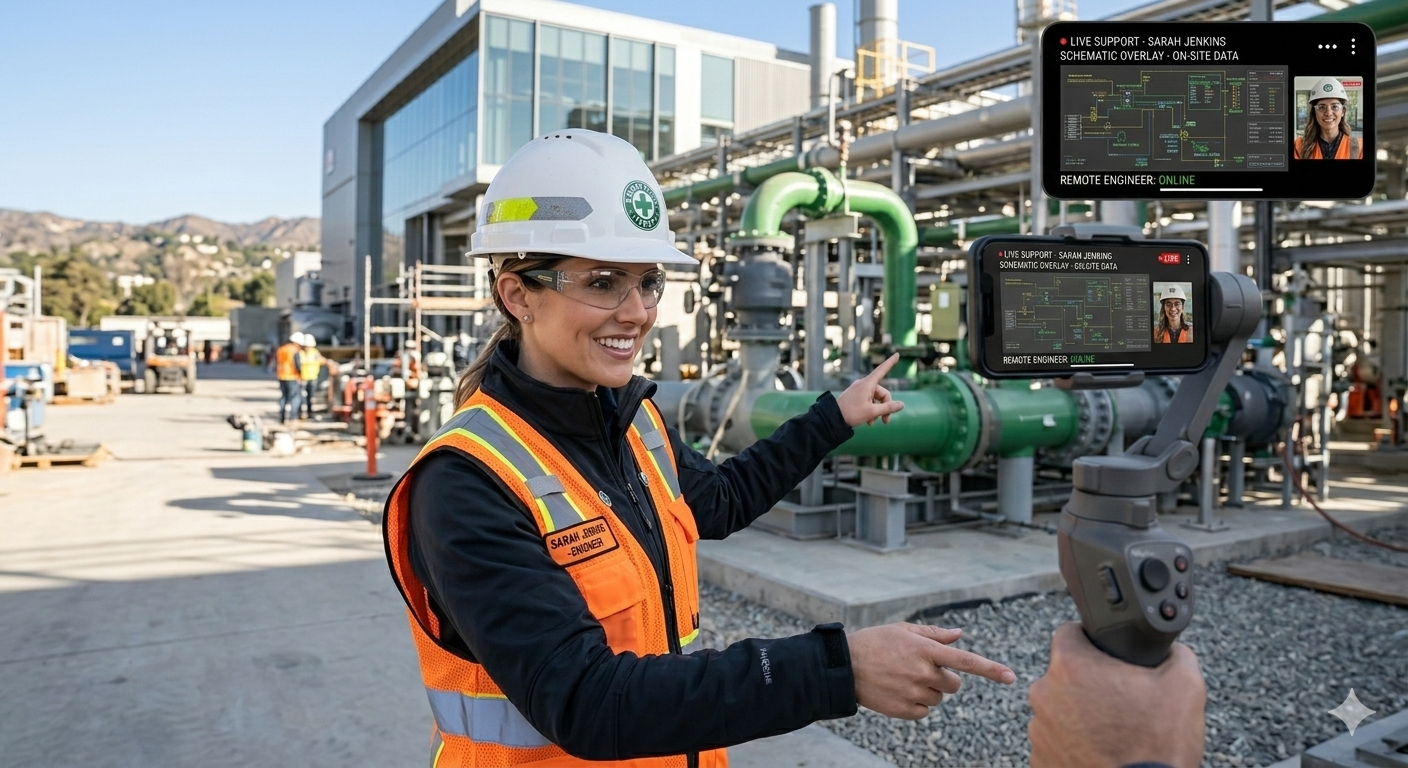
How Live Video Support Reduces Site Visits
Live video support and cobrowsing doesn’t eliminate site visits altogether — it makes them intentional. Here’s how:
A. Faster Issue Diagnosis
When engineers can see the problem directly through live video or shared visuals, they don’t have to interpret second-hand explanations. They can ask clarifying questions on the spot, request different angles, and evaluate conditions instantly.
What might have required a physical inspection can often be resolved within minutes.
B. Immediate Clarification
Traditional communication often creates long email threads and multiple follow-up calls. Each exchange introduces delay.
With real-time collaboration, clarification happens immediately. Questions are answered as they arise. Uncertainty is resolved in the same session. The lag between identification and resolution shrinks dramatically.
C. Confident Remote Approvals
Many site visits occur simply because decision-makers want visual confirmation before approving changes.
When they can review live visuals, mark up drawings, and document approvals in real time, confidence increases. Travel becomes the exception, not the default.
D. Stronger Field Empowerment
Real-time access to engineering support transforms the field experience. Technicians no longer feel isolated when facing unexpected conditions.
Instead of waiting for someone to arrive on-site, they can collaborate instantly. Over time, this builds capability and autonomy within field teams — allowing them to resolve more issues independently while still staying aligned with engineering standards.
The result isn’t just fewer site visits. It’s faster decisions, stronger collaboration, and projects that move forward with clarity instead of hesitation.
Related article: Accelerate Saas Onboarding And Increase ROI With Cobrowsing
Case Studies
BMW Delivers 5-Star Customer Support With Remote Video Support
BMW has improved its customer experience through remote video support. Instead of scheduling a visit whenever customers need help with troubleshooting advanced features, they initiate a live visual session.
Robot-Coupe Transforms Global Food Service with Instant Visual Diagnostics
Robot-Coupe upgraded their phone-based troubleshooting with remote video support between its global network of Authorized Service Agencies and headquarters technical support team to diagnose equipment issues. With remote video support, technicians were able to accurately describe complex motor assemblies, blade configurations, and electrical components to clients.
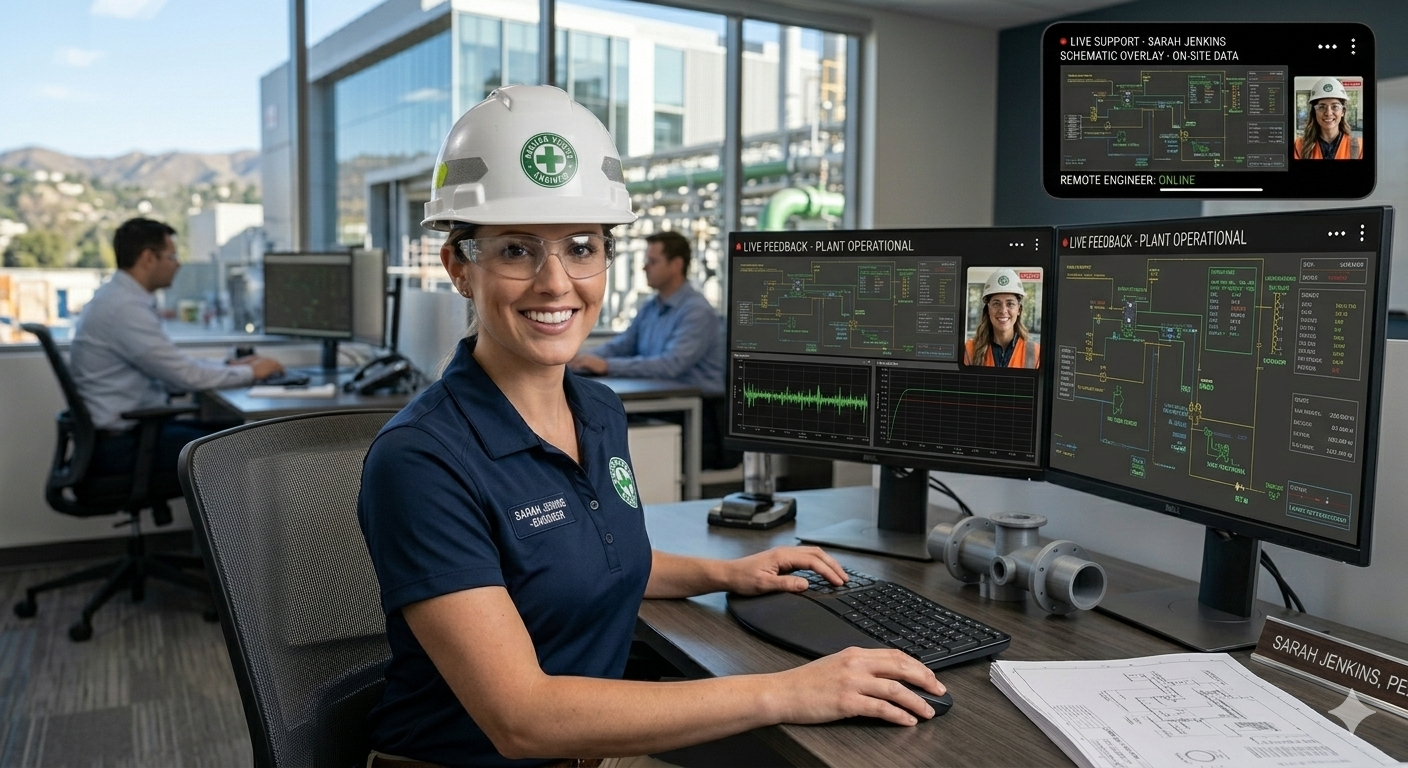
Implementation Tips for Engineering Teams
Adopting real-time visual collaboration doesn’t require a complete operational overhaul. The most successful engineering teams approach implementation strategically — starting small, measuring impact, and scaling intentionally.
Here’s how to make it practical:
Start with high-impact use cases
Identify where unnecessary site visits happen most often. Is it inspections? Change-order approvals? Troubleshooting unexpected field conditions? Focus first on the scenarios where remote visibility can immediately reduce delays, travel time, and costs.
Train teams on structured visual reporting
Technology alone isn’t enough. Field teams need to know how to present issues clearly — showing full context, relevant measurements, surrounding conditions, and proper reference points. A structured approach ensures engineers receive complete and actionable information the first time.
Integrate with existing workflows
Real-time collaboration tools should enhance your current systems, not complicate them. Connect them with project management platforms, documentation systems, and approval processes so adoption feels seamless rather than disruptive.
Track reduced site visits and resolution time
Measure the impact. Monitor how many site visits were avoided, how quickly issues are resolved, and how approval timelines improve. Clear data strengthens the internal business case and supports long-term adoption.
Gather feedback continuously
Ask engineers and field technicians what’s working and what isn’t. Ongoing iteration strengthens adoption and ensures the solution genuinely improves day-to-day operations.
Implementation isn’t about replacing human expertise. It’s about amplifying it with better visibility, faster collaboration, and smarter decision-making.
The Future of Engineering–Field Communication
Engineering–field communication is entering a new era — one defined by speed, intelligence, and shared visibility.
Several trends are shaping this evolution:
Remote-first infrastructure management
Organizations are designing workflows that assume remote collaboration as the default, not the exception. Physical presence becomes strategic rather than reactive.
AI-assisted visual diagnostics
Emerging tools can analyze live video feeds, detect anomalies, flag compliance risks, and assist engineers in making faster, more informed decisions.
Digital twins
Virtual replicas of physical assets allow teams to simulate scenarios, validate changes, and align engineering decisions with real-world conditions before action is taken.
Increased reliance on live data
Real-time sensor feeds, video streams, and connected systems are replacing static reports and delayed updates.
Forward-thinking companies understand that communication is no longer just a support function — it’s a strategic advantage. Those who adapt early position themselves to reduce inefficiencies, improve safety, and deliver projects faster and more predictably.
The gap between office and field is narrowing. The organizations that embrace this shift will lead the next phase of operational excellence.
Fewer Visits. Better Decisions. Smarter Projects.
At its core, improving engineering–field communication isn’t about eliminating site visits altogether. It’s about ensuring that every visit serves a clear, high-value purpose.
When teams have real-time visibility, structured collaboration, and shared documentation, decisions become faster and more accurate. Efficiency improves. Delays shrink. Safety exposure decreases. Trust between office and field strengthens.
Fewer unnecessary visits. Better-informed decisions. Smarter, more resilient projects.
For organizations ready to modernize their workflows, real-time visual collaboration isn’t just a convenience — it’s a competitive edge. Schedule a demo with Blitzz to see it action.