


On this page
Building departments use three kinds of tools for remote inspections: purpose-built virtual inspection platforms such as Blitzz Inspect and VuSpex, inspection modules tied to permitting software such as Accela and Tyler, and general video apps like Google Meet. Purpose-built platforms win when a department needs no-app links for contractors, timestamped and GPS-stamped evidence, recordings and a clean record tied to the permit.
Demand is rising. California now requires many cities and counties to offer remote inspections for common residential work, and other states have authorized them. This guide covers the laws, the tools and how to choose.
What is a virtual building inspection?
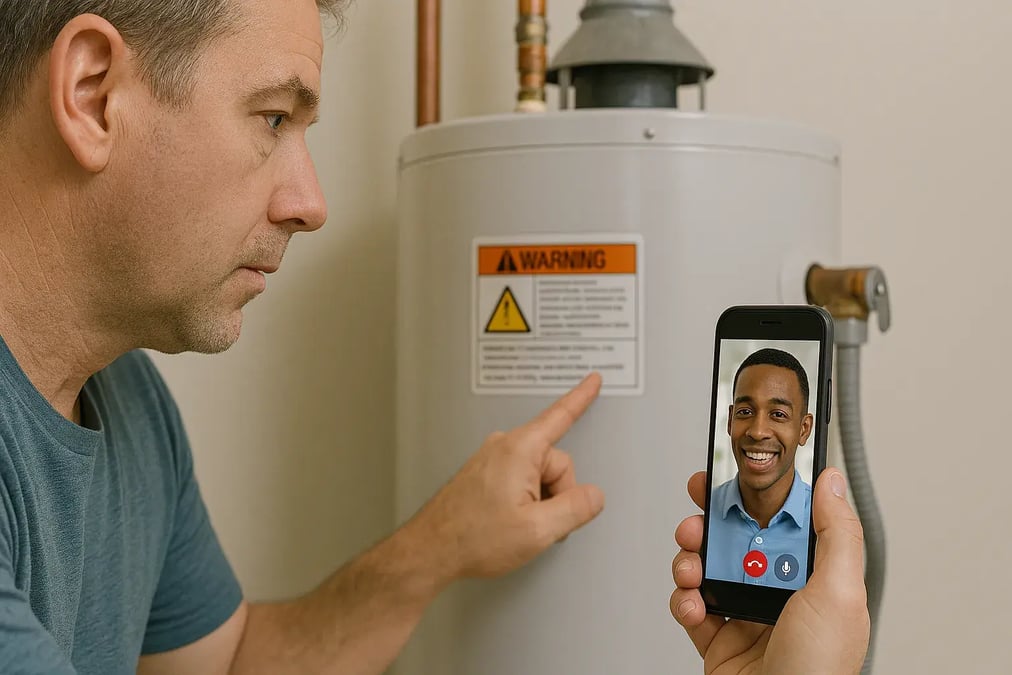
A virtual building inspection is a code inspection done over live video. The contractor or homeowner stands on site with a phone. The inspector directs the camera from the office, checks the work against code, captures photos and records the result.
Departments mostly use it for lower-risk work such as water heaters, HVAC changeouts, reroofs, solar and battery systems, minor electrical and plumbing, and reinspections.
Which states require or allow virtual building inspections?
- California (AB 1738). Signed in September 2026 as Chapter 271, Statutes of 2026 (CalMatters Digital Democracy). Cities and counties must let homeowners or contractors request remote inspections for specified work on one- and two-family homes, including heat pump water heaters, heat pump HVAC, reroofs, solar PV of 15 kW or less, and energy storage. Larger jurisdictions start January 1, 2028 and others July 1, 2028, with exemptions for smaller jurisdictions. Inspectors can still require an on-site visit (CALBO legislative report).
- Nebraska (LB 441). Lets the state, counties, cities and villages allow virtual inspections of one- and two-family homes under three stories and 10,000 square feet, done by licensed or registered contractors (LB 441 final text).
- Florida. Virtual inspections have been authorized since 2021 under section 553.79 of the Florida Statutes, using "visual or electronic aids," with exclusions for structural inspections of threshold buildings (HWH Law summary).
This is a summary, not legal advice. Check the current statute and your local ordinance.
Virtual inspection tools building departments use
| Tool | Type | Contractor side | Permitting connections | Notes |
|---|---|---|---|---|
| Blitzz Inspect | Purpose-built virtual inspection | Browser link, no app | Accela (beta), Salesforce, ServiceNow, Dynamics 365, REST API | GPS and time-stamped photos, recordings, Owlbert AI notes and reports. Used by cities such as Berkeley and San Mateo. |
| VuSpex | Purpose-built virtual inspection | Browser link, no app | Accela partner, selected by Tyler Technologies in 2025 | Live, scheduled and on-demand inspections |
| Inspected (Permit Hub) | Private provider platform (Florida) | With or without app | Private provider workflow | Live HD video, checklists, geotagging |
| SolarAPP+ Virtual Inspections | Nonprofit tool for solar | Photo and video submission | SolarAPP+ permitting | Built with the California Energy Commission. General availability planned for 2027. |
| Google Meet, Teams, FaceTime | General video apps | Varies, often an app or account | None | Los Angeles uses Google Meet. No inspection records or stamped evidence. |
Based on public sources as of October 2026, including the LADBS virtual inspection page and Accela.
What should a building department look for?
- No app for contractors and homeowners. A text link that opens in the browser.
- Inspector control. Zoom, flashlight, freeze frame and markup.
- Defensible records. Photos stamped with time and GPS at capture, plus recordings stored for audits.
- Permit system fit. Results should attach to the permit record in Accela, Tyler or your own system.
- Accessibility and procurement. Ask for a VPAT, security documentation and a pilot option.
- Clear policy. Publish which inspection types qualify and when an on-site visit is still required.
How Blitzz Inspect supports building departments
With Blitzz Inspect, the inspector sends a link. The contractor joins from an iPhone or Android browser. The inspector guides the camera, captures stamped photos and records findings. The inspector makes every pass or fail decision. Owlbert AI drafts notes and reports.

Blitzz offers pilots, procurement support and setup for jurisdictions. See government customers and the Accela integration.
Related reading: remote verification of heat pump installations, remote inspection for residential water heaters and remote fire safety inspections.
Frequently asked questions
Are virtual building inspections legal?
Yes, in many places. Florida has authorized them since 2021, Nebraska LB 441 allows them for certain homes, and California AB 1738 will require many jurisdictions to offer them starting in 2028. Local rules decide which inspections qualify.
What inspections can be done virtually?
Common examples are water heaters, HVAC and heat pump changeouts, reroofs, small solar and battery systems, minor electrical and plumbing work, and reinspections.
Do contractors need an app for a virtual inspection?
Not with Blitzz Inspect. The contractor taps a link and joins from the phone browser.
Can building departments use Zoom or Google Meet?
Some do, but general video apps lack stamped photos, inspection records and permit integration. Purpose-built tools create a cleaner audit trail.
Does Blitzz integrate with permitting software?
Blitzz has an Accela integration in beta and a REST API for other systems.
Get ready for remote inspections
Start a pilot before the mandate arrives. Book a Blitzz demo.

Blitzz Team
The Blitzz Team writes about remote video support, virtual inspections and field service. Our guides come from working with home builders, property managers, warranty teams, contact centers and field service organizations that use Blitzz to see and solve issues without a truck roll.