




On this page
Short answer: Visual support cuts truck rolls by letting an agent or technician see the problem through the customer's phone before anyone is dispatched. Many issues can be diagnosed and fixed remotely with live video and on-screen guidance. When a visit is still needed, the technician arrives knowing the problem and carrying the right parts.
Key takeaways
- Many truck rolls happen because the problem was not clearly understood before dispatch.
- Live video with pointer, markup and AR guidance lets agents walk customers through fixes remotely.
- Fewer unnecessary visits save fuel, labor and technician time, and reduce vehicle emissions.
- Track truck rolls avoided, time to resolution, first-time fix rate and customer satisfaction to measure results.
Understanding truck rolls

What counts as a truck roll
A truck roll is any visit where a technician drives to a customer's location to install, repair or inspect equipment. Some visits are necessary. Many are not.
Installation mistakes, simple configuration issues and unclear problem descriptions often lead to a dispatch that could have been avoided. With the right visual guidance, customers can resolve many of these issues themselves.
The cost of unnecessary visits
The cost of a truck roll goes beyond the technician's time. It includes fuel, vehicle maintenance and the time a technician is not available for jobs that truly need them. Each avoidable visit cuts into margins.
There is also an environmental cost. Every trip that does not happen means less fuel burned and fewer vehicle emissions. For more detail, see the real cost of a truck roll.
What visual support is
Visual support is remote assistance that uses live video so the agent sees exactly what the customer sees. It ranges from a simple video call to augmented reality (AR) guidance on top of the live view.
That shared view changes troubleshooting. The agent no longer relies on the customer's description and can give precise, real-time instructions.
Benefits of visual support
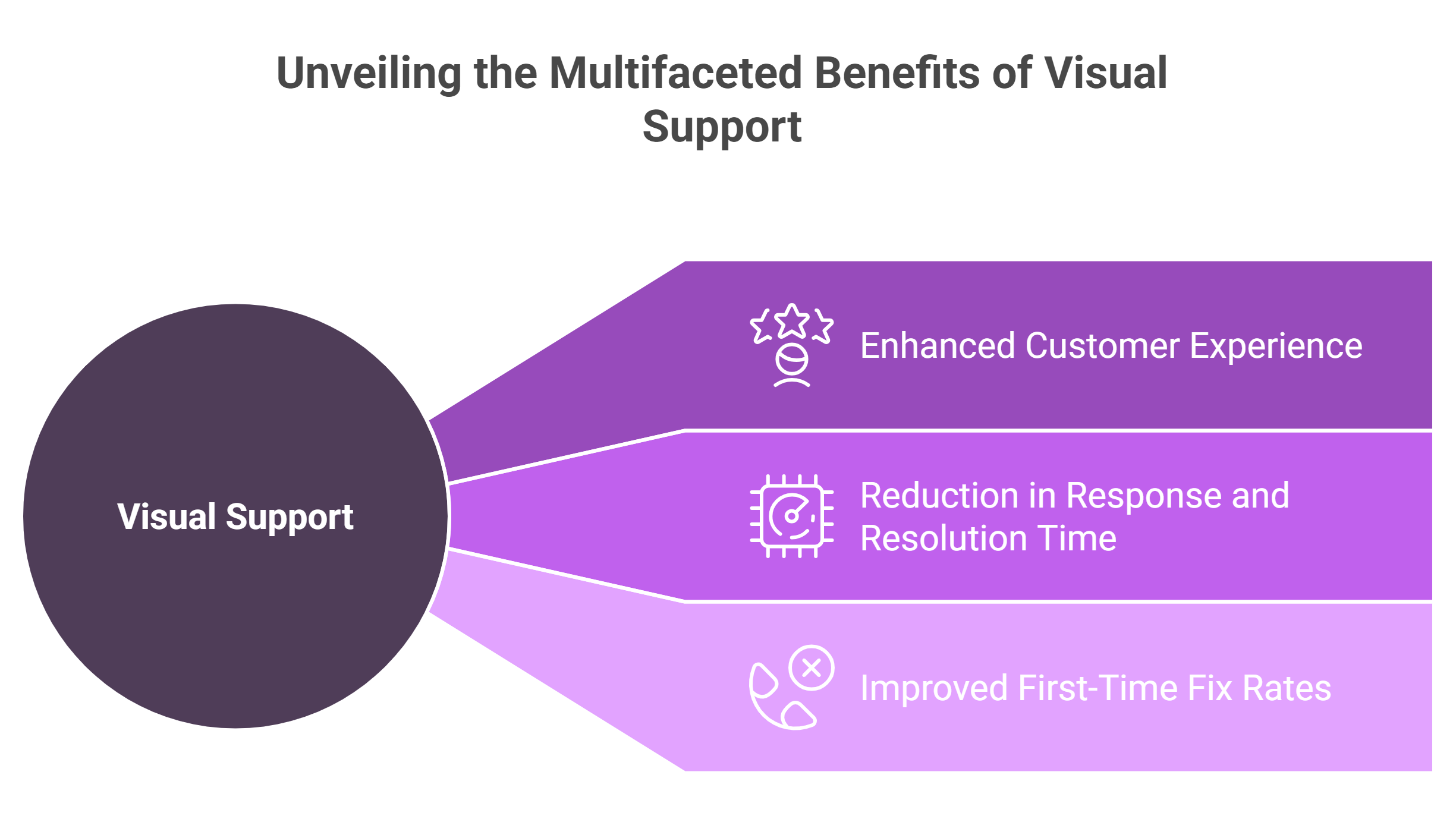
- Better customer experience: Customers get help right away instead of waiting for an appointment.
- Faster response and resolution: Remote diagnosis removes the wait between the call and the visit.
- Higher first-time fix rates: Issues get resolved on the first contact, or the technician arrives prepared.
Strategies to reduce truck rolls with visual support

1. Assess before you dispatch
Make a video session the first step for eligible calls. With Blitzz, the customer joins from a text or email link in their mobile browser, with no app download. The agent can assess the situation and decide whether a visit is truly needed.
2. Guide the fix with markup and AR
On-screen pointers, markup and AR guidance show the customer exactly which cable, switch or panel to check. Many problems that once needed a visit can be fixed by the customer with the agent watching each step.
3. Use AI to capture details
OCR reads serial numbers and labels from the video, so the agent confirms the model and parts without asking the customer to read them out. AI call summaries record what happened, so the next person on the case has the full history.
4. Bring in an expert when needed
Multi-party calls let a front-line agent add a senior technician to the same session. The expert sees the same view and can resolve harder issues without a site visit.
5. Prepare the visits that still happen
Photos and video captured during the session are saved to the record with time and location data. When a truck does roll, the technician knows the problem and brings the right parts.
Visual support vs. traditional dispatch
| Factor | Traditional dispatch | Visual support first |
|---|---|---|
| Diagnosis | On site, after travel | Remote, during the first call |
| Customer wait | Until the appointment | Help starts when the session opens |
| Parts | Often confirmed on site | Confirmed from video and OCR before dispatch |
| Documentation | Manual notes | Photos, video and AI summaries in the record |
| Travel | Every case | Only cases that need hands on equipment |
Financial and operational considerations
Tiered pricing for remote support
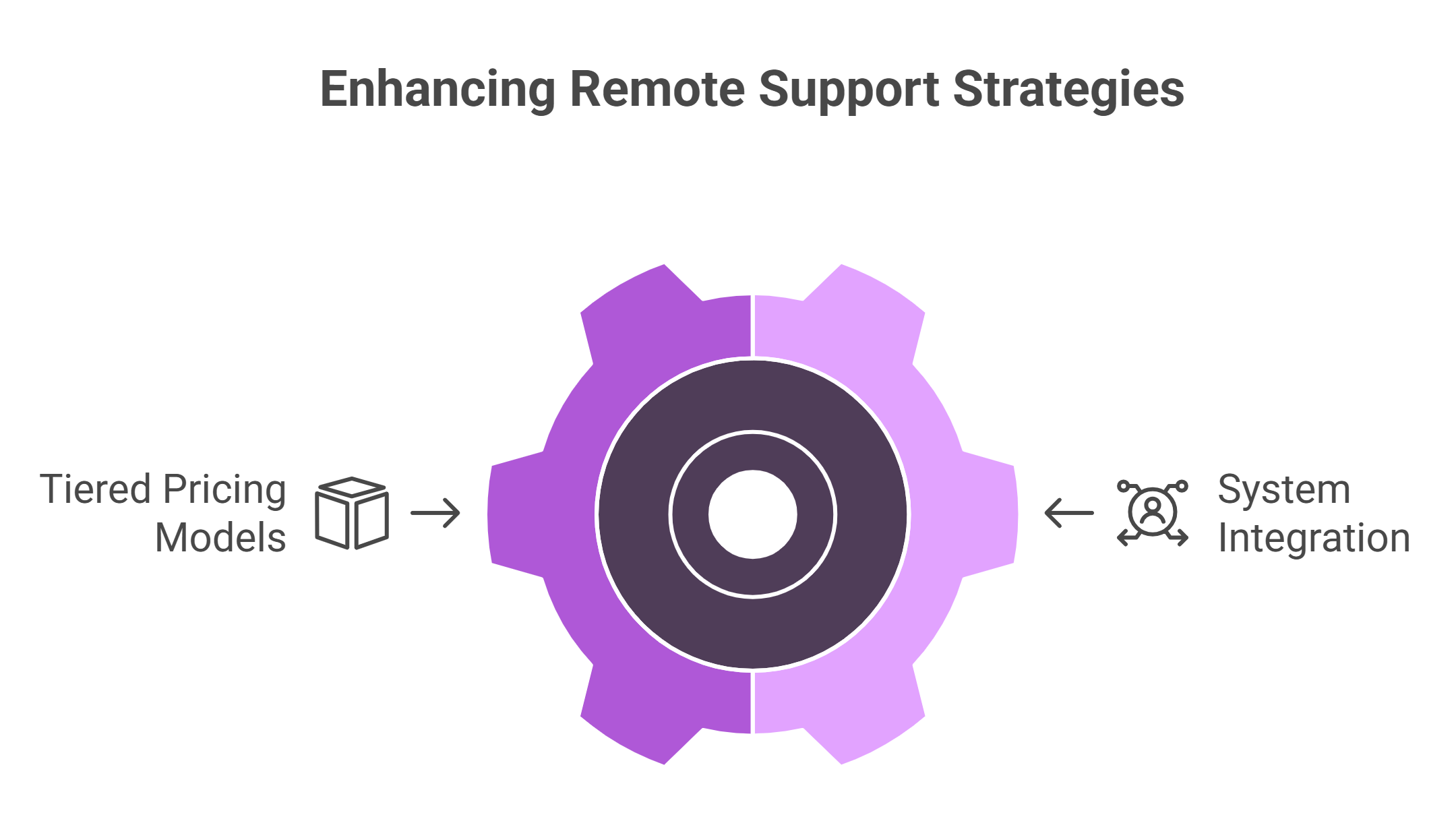
One way to encourage adoption is to offer tiered service levels. A basic tier might cover remote troubleshooting, while higher tiers add extended visual support. This makes remote help an easy choice for customers and spreads its use.
Integration with existing systems
Visual support works best when it connects to the tools your team already uses. Blitzz integrates with CRM and contact center platforms such as Salesforce and Genesys, so session media and notes land on the right record.
Metrics to measure success

Set a baseline before rollout, then track these KPIs:
- Truck rolls avoided
- Average response and resolution time
- First-time fix rate
- Customer satisfaction scores
Review them regularly and use the results to decide which call types should go to video first.
Frequently asked questions
What causes unnecessary truck rolls?
Common causes are unclear problem descriptions, limited diagnostic information and no remote support option before dispatch. Visual support lets teams diagnose remotely and avoid many of these visits.
How quickly can businesses see results?
It depends on call volume, training and how well the tool integrates with existing systems. Early signs usually include fewer truck rolls and better customer feedback.
What training do staff need?
Staff need to learn the software, clear remote communication and visual troubleshooting. Hands-on practice sessions and short scripts for common issues help most.
Which industries benefit most?
Telecommunications, home services, healthcare and field service teams often face technical issues that can be handled remotely, so they tend to benefit most.
Related reading
- How to reduce truck rolls using remote video support
- Reducing truck rolls at scale for telecom operators
- Remote visual assistance vs. site visits
Ready to cut unnecessary truck rolls? Book a demo or start a free trial.