
.png?width=120&height=55&name=Blitzz-Logo-right%20white%20eyes%20-%20not%20transparent%20(3).png)
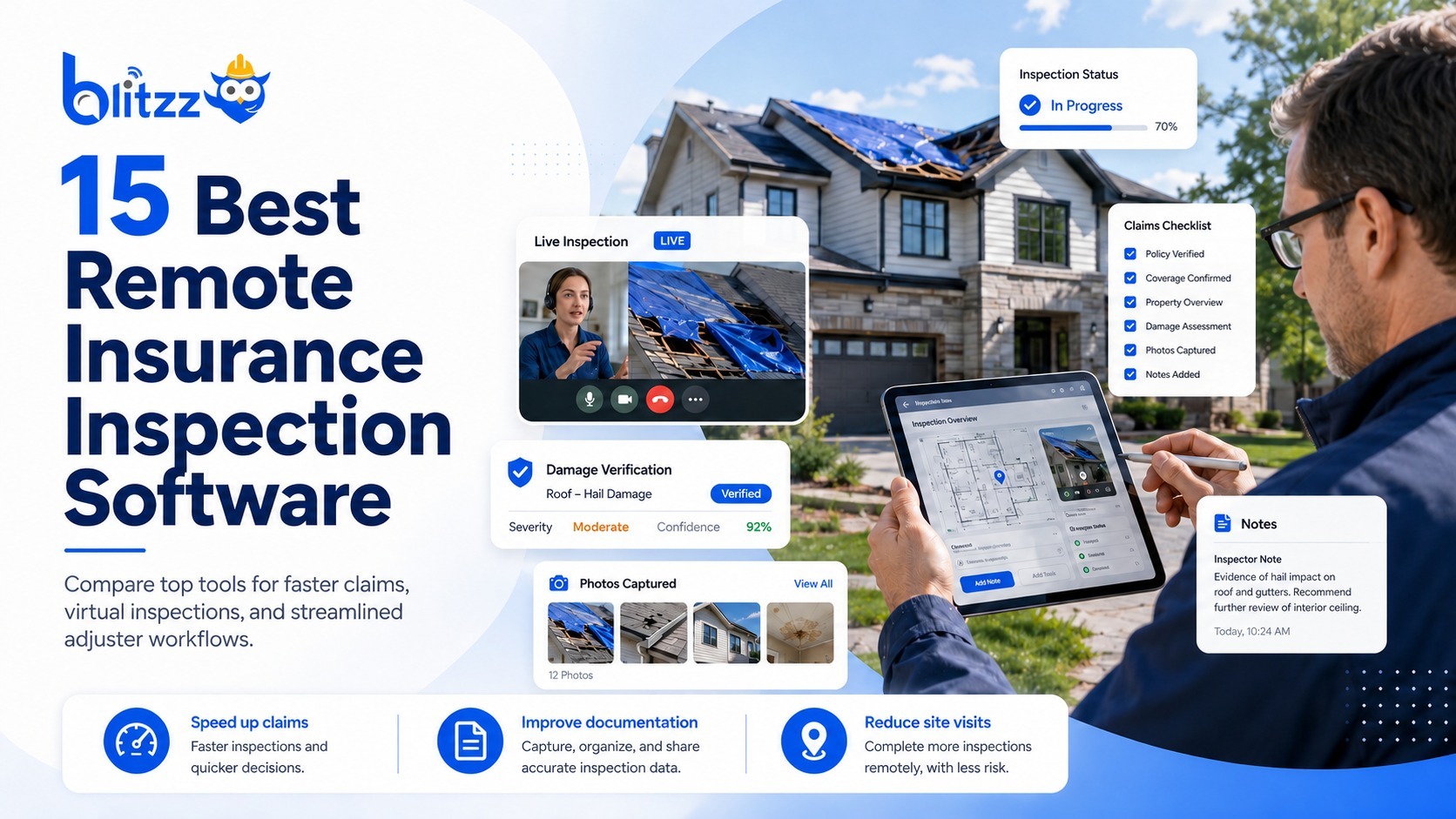
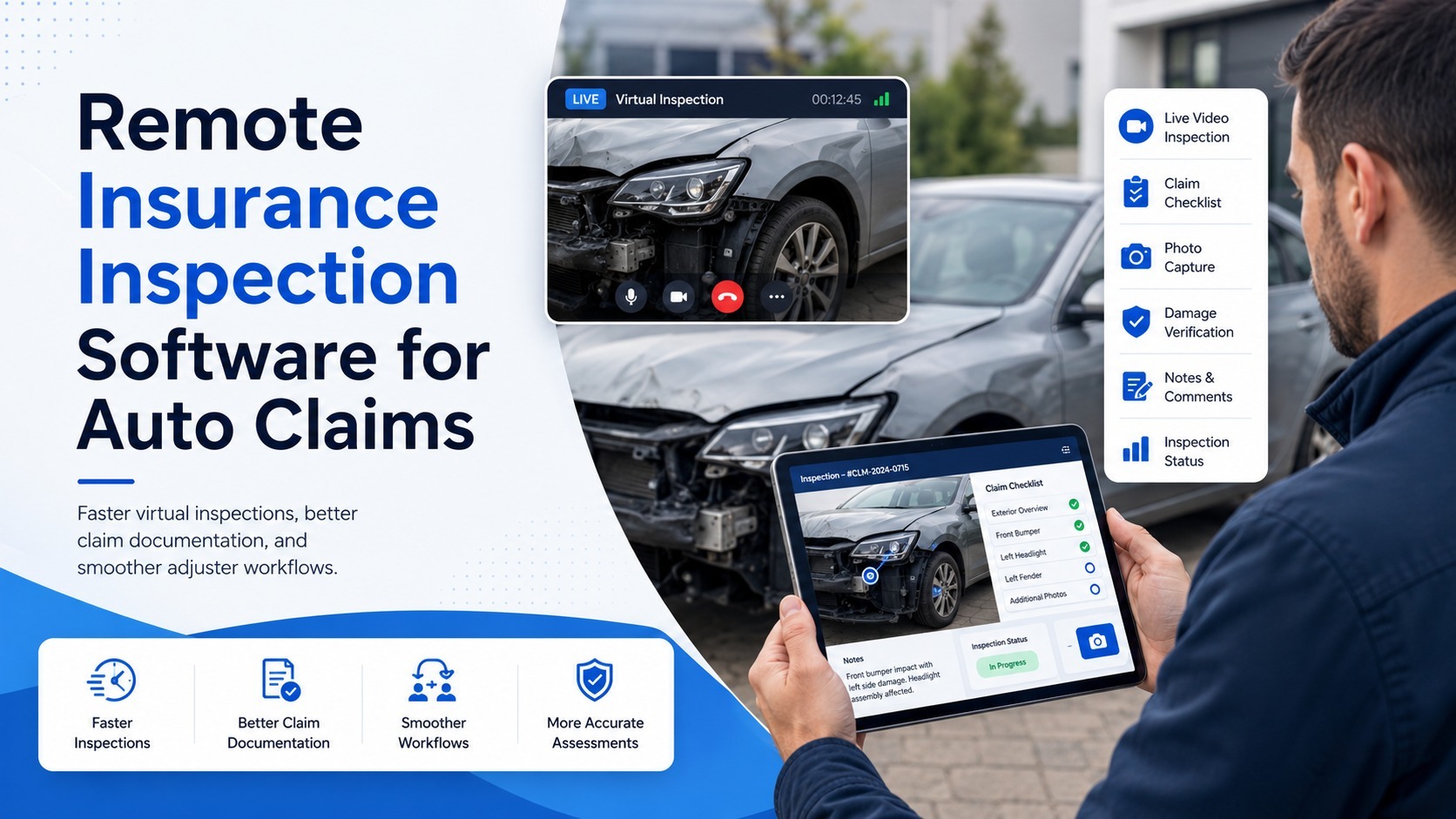
Insurance inspections used to mean a scheduled site visit, an adjuster on the road, and a multi-day wait before anyone even looked at the damage. That model no longer scales. With claim volumes rising and a persistent adjuster shortage, carriers are turning to remote insurance inspection software to assess property, auto, and commercial risks without dispatching anyone to the site. The right platform compresses claim cycles from days to hours, slashes travel costs, and produces a documented record that holds up under audit — which is exactly why remote video inspections for insurance have moved from experiment to standard practice.
The category is broad, though. Some tools focus on live video, some on photo-to-measurement, some on AI damage analysis, and some on 3D capture. Below are the 16 best remote insurance inspection software platforms in 2026, what each does best, and who it suits.
What to look for first
Before the list, three features separate a serious insurance-grade platform from a generic video call: app-free access (if the claimant has to download anything, completion rates collapse — see the full capability set), timestamped, annotated documentation that satisfies claim requirements, and AI-assisted reporting that turns a session into a usable report automatically, like the workflow built into Blitzz Inspect. For a deeper primer on the category, the complete guide to remote inspection software is a strong starting point.
1. Blitzz — Best all-in-one for insurance
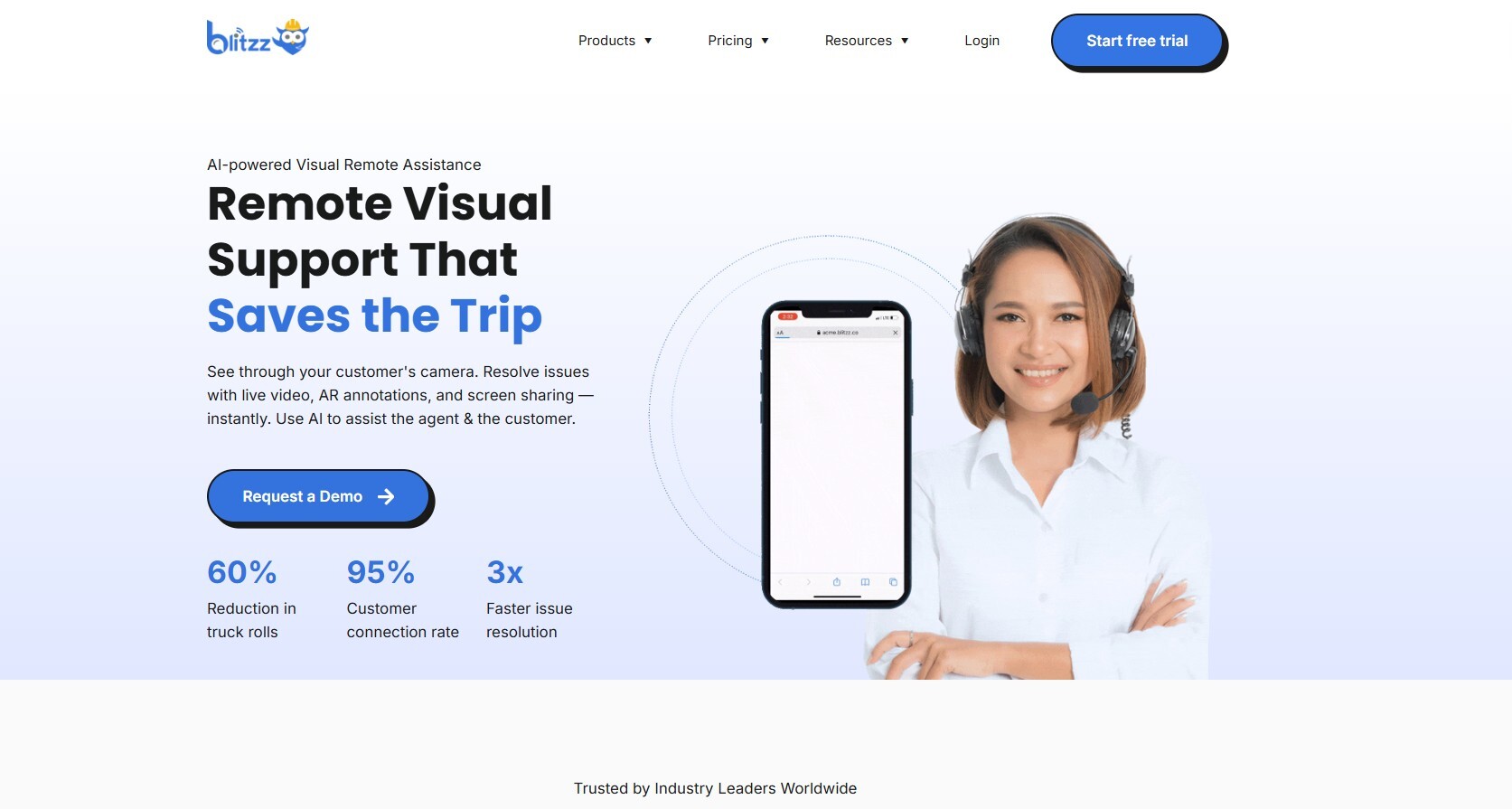
Blitzz tops the list because it combines live HD video, AR annotation, AI reporting, and zero-download access in a single platform purpose-built for insurance-grade work. Adjusters send a secure link via SMS or email, the policyholder connects straight from their phone browser, and the session produces timestamped photos, live-pointer guidance, measurement tools, and an auto-generated report — all linked back to the claim file. The Blitzz Visual Remote Assistant for insurance handles claims triage and FNOL, while the dedicated insurance solution covers property, auto, and commercial lines. Blitzz reports that visual claims support resolves claims up to 60% faster, and that high-volume operations average $22,000 in monthly savings with 320% first-month ROI — figures detailed in its analysis of how inspection companies use remote video support. Enterprise security (SOC 2 Type II, end-to-end encryption) and native Salesforce integration round out why it stands apart. Best for: carriers wanting one platform across every line.
Pros:
- Robust AR guidance and IoT integration
- Scales to thousands of adjusters
- Strong enterprise security and support
Cons:
- Heavy implementation; requires dedicated IT resources
- Custom enterprise pricing only
- Overkill for small inspection teams
Best for: Fortune 500 insurers with enterprise rollout capacity.
3. VuSpex
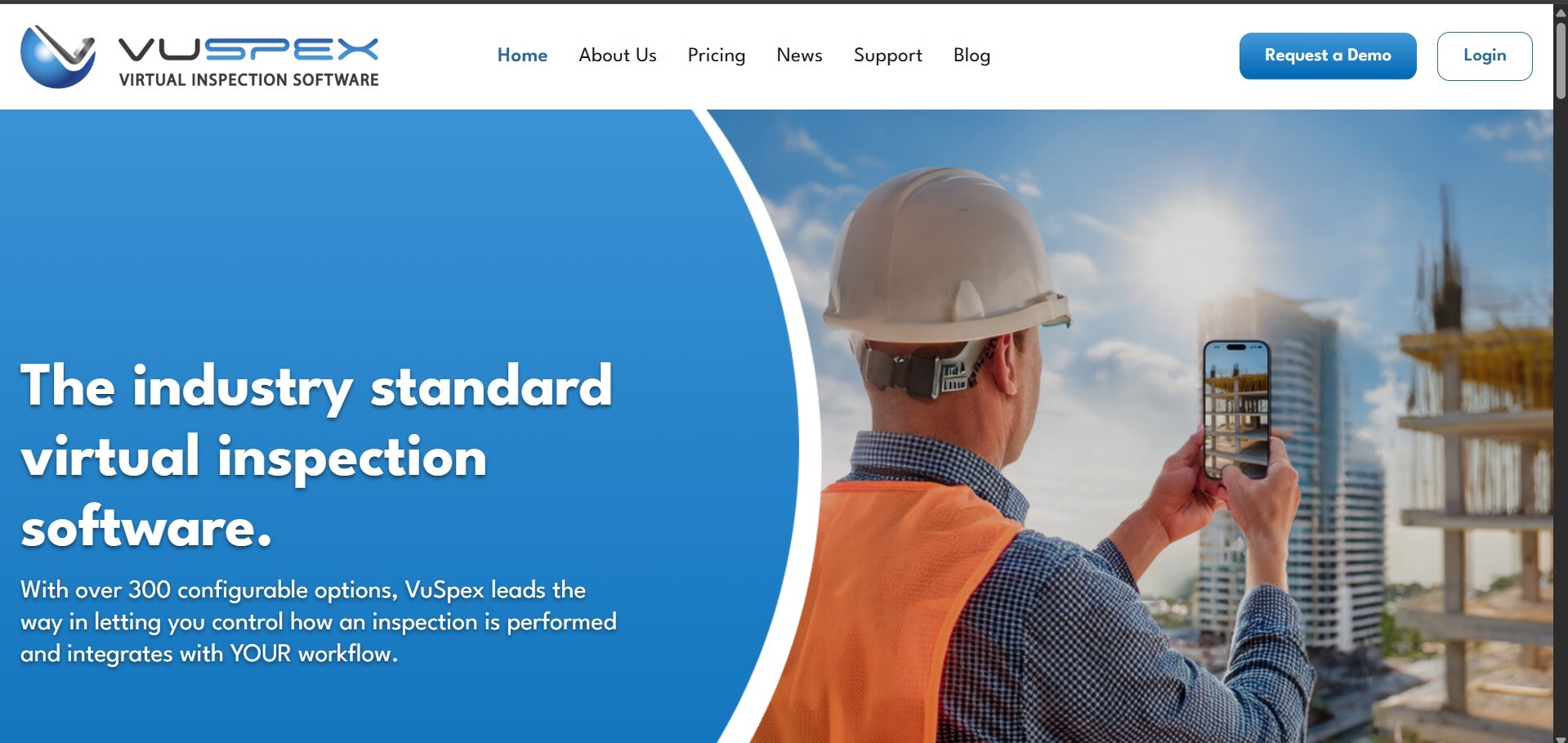
VuSpex is the go-to virtual inspection platform for government building departments, but its configurability also serves insurers. With hundreds of configurable options and a focus on regulatory inspection workflows, it excels where process control matters most. Blitzz publishes a direct Blitzz vs VuSpex comparison for teams weighing AI reporting and ease of use against configurability.
Pros:
- Extremely configurable (300+ options)
- Built for regulatory and code-inspection workflows
- Proven with government agencies and building departments
Cons:
- Oriented toward building departments more than insurance claims
- Configurability adds setup complexity
- Less claims-specific AI reporting
Best for: municipalities and compliance-heavy inspection programs.
4. CareAR (Xerox)
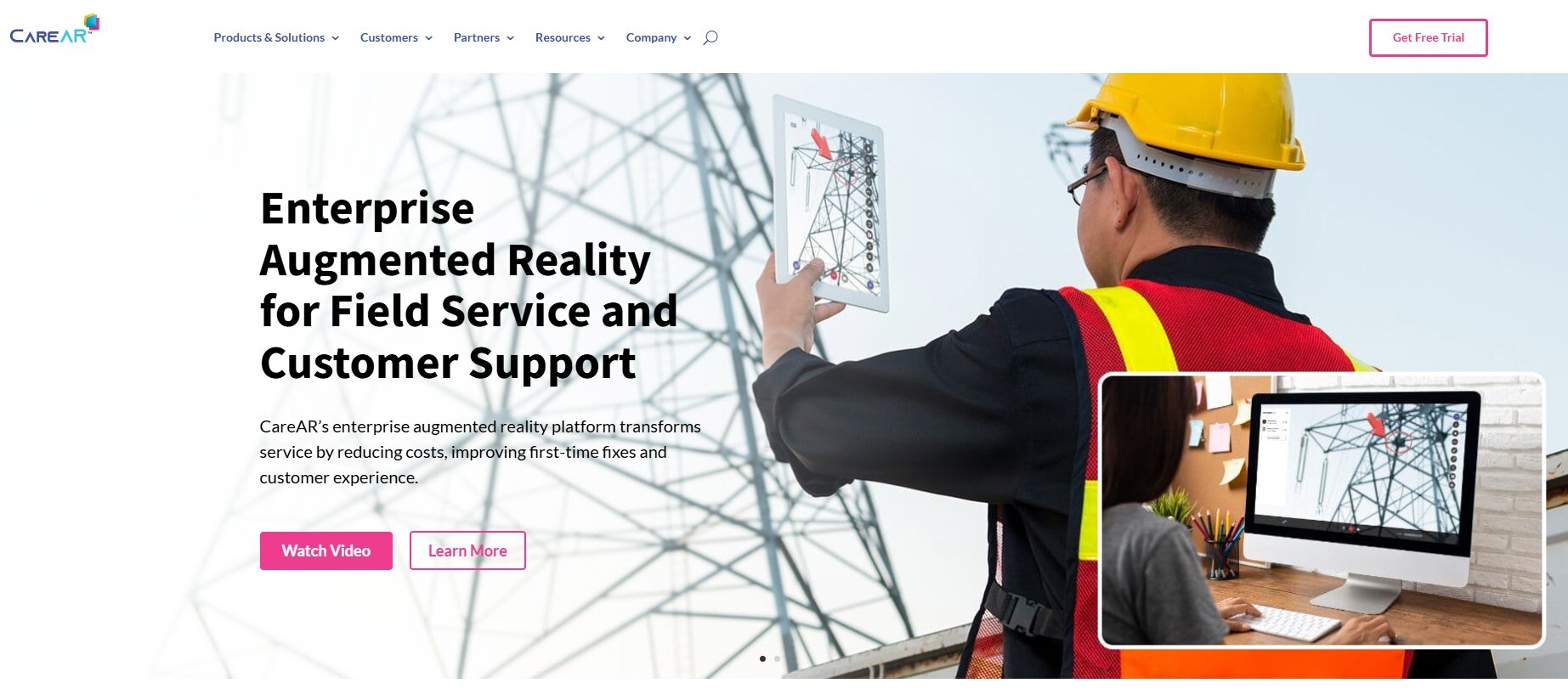
CareAR brings AR-driven, self-guided visual support to the field. Its strength is step-by-step guided experiences that walk a policyholder or field tech through documentation with augmented-reality overlays.
Pros:
- Strong self-guided AR experiences
- Step-by-step guided documentation flows
- Fits organizations already in the Xerox ecosystem
Cons:
- AR-experience focus over claims-specific documentation
- Better suited to service operations than pure inspection
- Enterprise-level complexity
Best for: self-guided, AR-led inspection journeys.
5. Hover
Hover converts smartphone photos of a property's exterior into precise, interactive 3D models with accurate measurements for roofs, walls, and windows. For roof and storm claims, that measurement accuracy is invaluable. Many carriers pair measurement tools like this with a live platform; the Remote Video Inspections hub explains where each fits.
Pros:
- Highly accurate exterior 3D measurements
- Excellent for roof, wall, and window claims
- Fast model generation from phone photos
Cons:
- Not a live, guided inspection
- Photo-and-measurement only
- Limited beyond exterior measurement
Best for: roof and exterior measurement.
6. EagleView
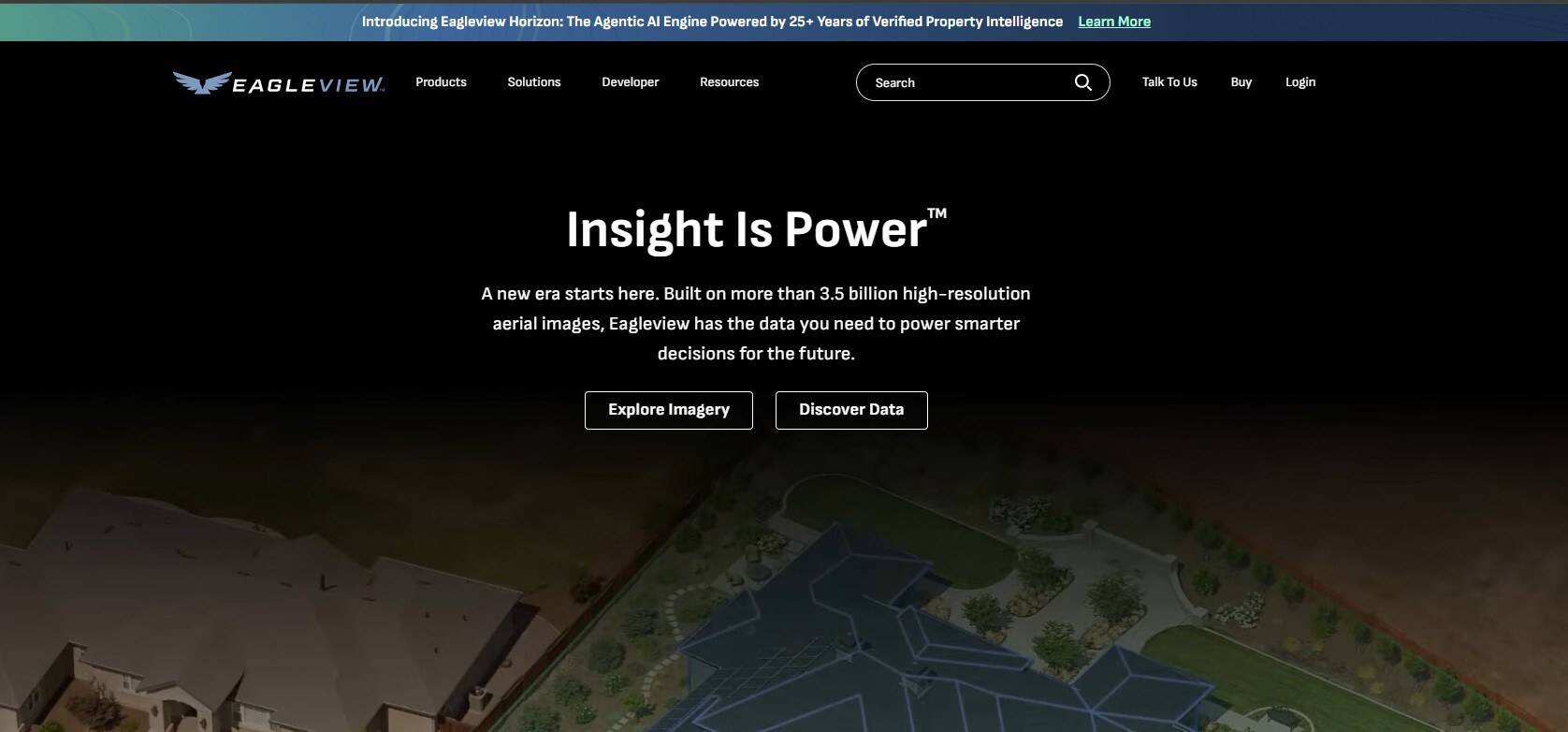
EagleView delivers high-resolution aerial imagery and detailed roof and property measurement reports drawn from its imagery library. It's a staple for roof claims and catastrophe assessment where overhead views matter.
Pros:
- High-resolution aerial imagery
- Detailed, reliable roof measurement reports
- Strong for catastrophe assessment
Cons:
- Imagery/measurement layer, not interactive inspection
- Per-report cost adds up at volume
- Best paired with live verification
Best for: aerial roof and CAT assessment.
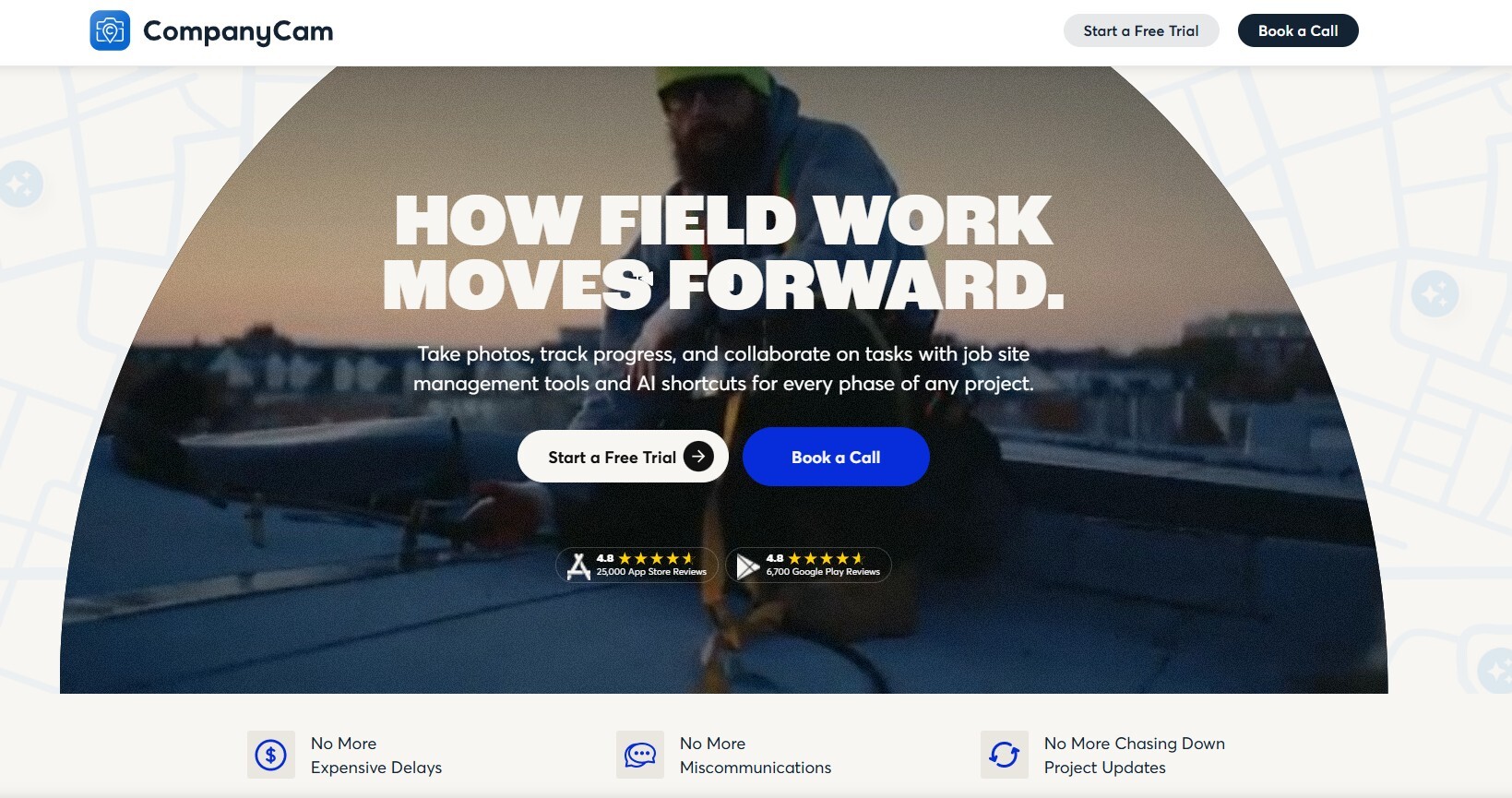
7. CompanyCam
CompanyCam is a mobile-first photo documentation platform with geotagging, timestamps, annotation, and real-time sharing. Field teams and inspectors use it to capture and organize job-site photos that flow into claims documentation.
Pros:
- Fast, intuitive mobile photo capture
- GPS, timestamps, and annotation built in
- Real-time sharing and CRM integrations
Cons:
- Documentation-centric — no live video inspection
- Limited AI damage assessment
- Built for contractors as much as insurers
Best for: structured field photo documentation.
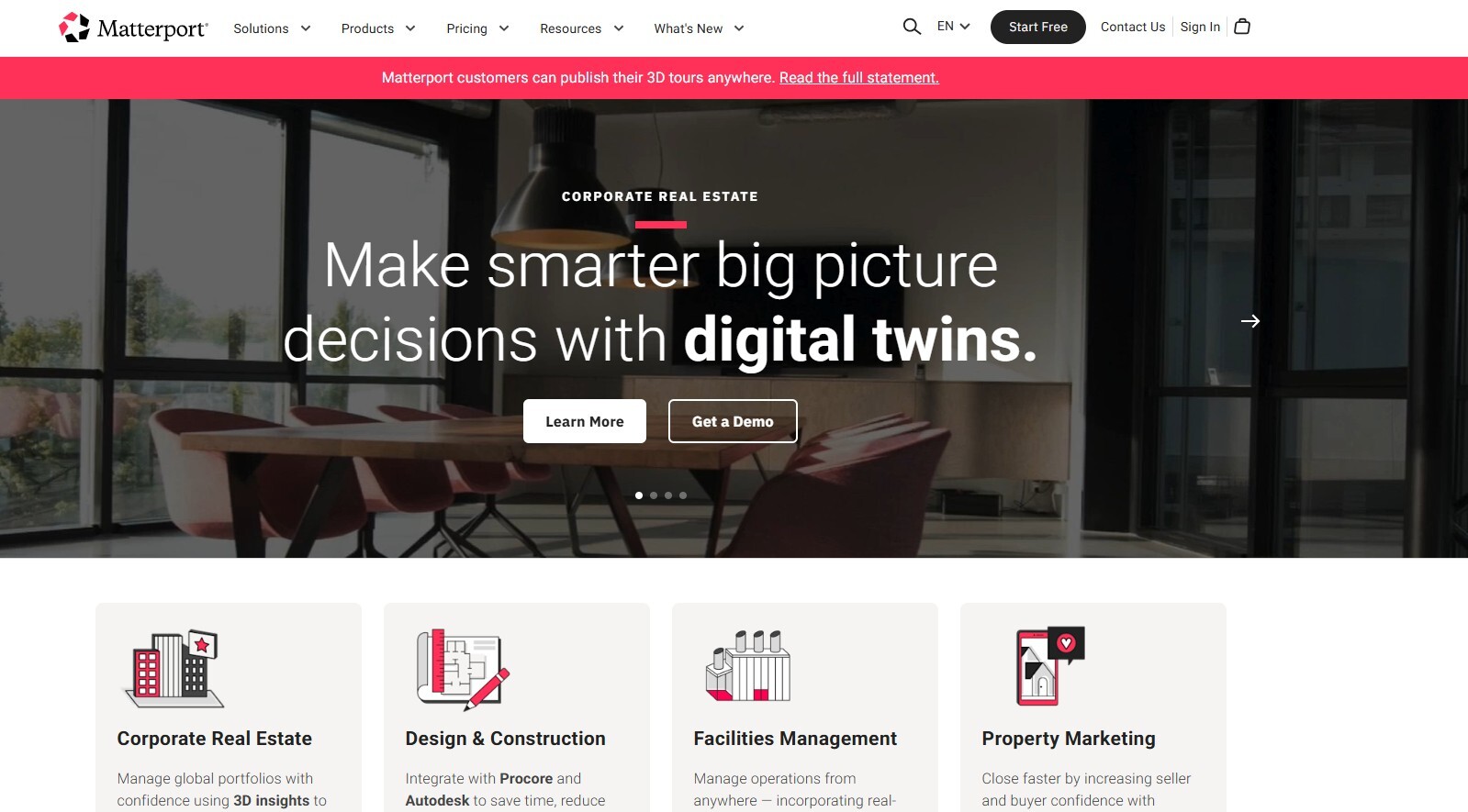
8. Matterport
Matterport creates immersive 3D digital twins of properties using its cameras, smartphones, or LiDAR devices, enabling virtual walkthroughs with precise measurements and floor plans. Blitzz's 2026 inspection predictions for insurers discuss where 3D capture fits in a hybrid model.
Pros:
- Photorealistic 3D digital twins
- Precise measurements and floor plans
- Ideal for complex or restoration claims
Cons:
- More setup and hardware required
- Not instant or guided in real time
- Overkill for simple, routine claims
Best for: detailed 3D property documentation.
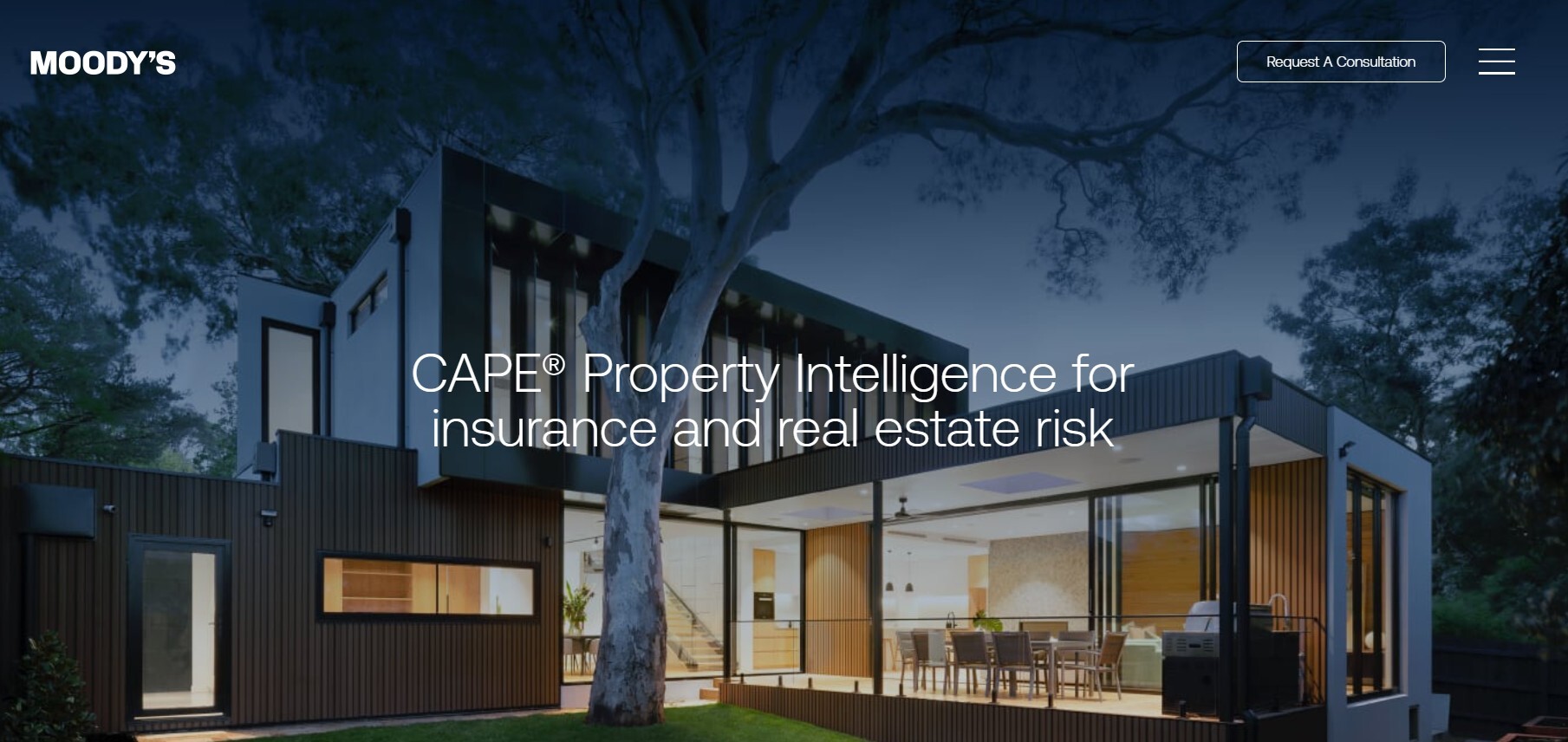
9. Cape Analytics
Cape Analytics is an AI-driven geospatial property analytics platform. Rather than a live inspection, it delivers instant property risk insights — roof condition, hazards, structure characteristics — from imagery, ideal for underwriting and pre-bind risk assessment.
Pros:
- Instant AI property risk insights
- Excellent for underwriting and pre-bind
- No site visit or policyholder coordination needed
Cons:
- Analytics, not an interactive inspection
- No live policyholder interaction
- Dependent on imagery/data coverage
Best for: AI-powered underwriting and risk scoring.

10. CoreLogic
CoreLogic is a property intelligence powerhouse with data, analytics, and claims tools (including its Symbility estimating suite) used widely across the insurance lifecycle.
Pros:
- Deep property data and analytics
- Integrated estimating via Symbility
- End-to-end insurance ecosystem
Cons:
- Broad platform, not a quick inspection app
- Enterprise scale and complexity
- Heavier procurement and onboarding
Best for: carriers wanting integrated property data and estimating.
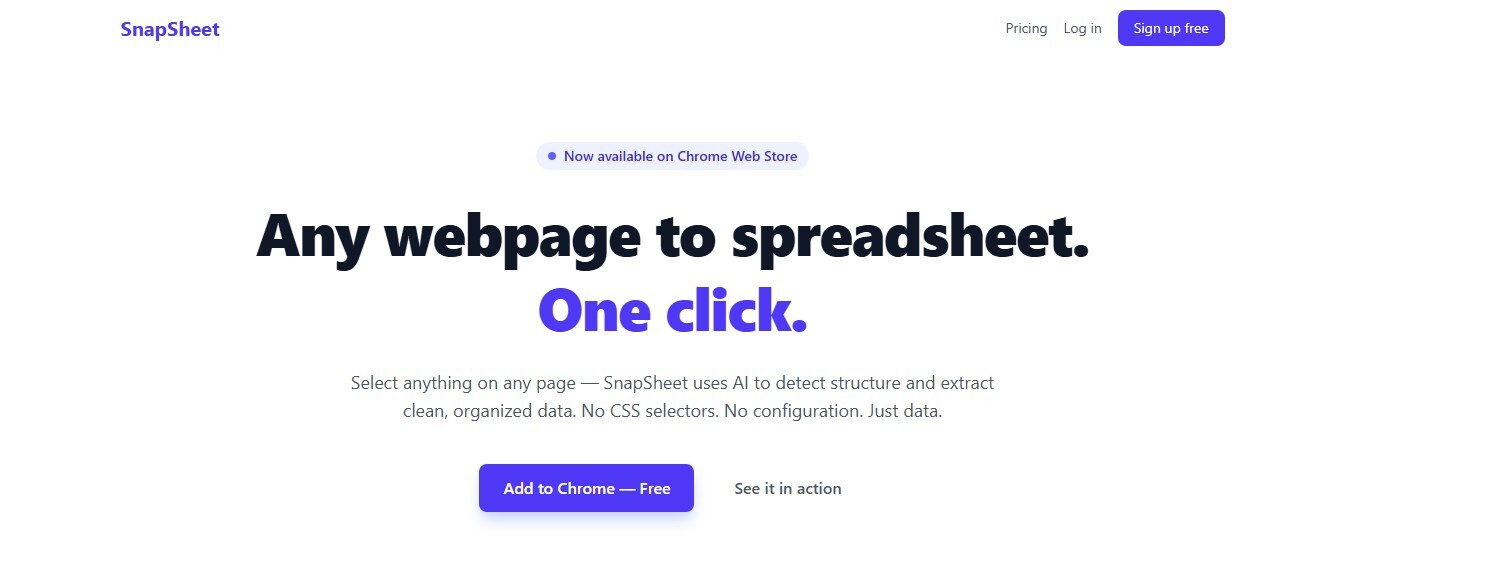
11. Snapsheet
Snapsheet helped pioneer the virtual claims category long before "touchless" became an industry buzzword. Founded in Chicago and originally built around self-service photo estimating, the platform now spans virtual appraisal, end-to-end claims management, and digital payments. For auto carriers, its core appeal is letting policyholders document a damaged vehicle themselves — snapping guided photos that feed into a desk-based appraisal — so a fender-bender never needs an in-person visit.
Snapsheet's claims-management layer also handles workflow, assignment, and settlement, making it more than a capture tool. Where it's strongest is structured, high-volume auto appraisal with a mature settlement pipeline behind it. The trade-offs are scope and method: it's built primarily around auto and photo-based estimating rather than live, guided video walkthroughs, so property and commercial inspections — or claims that benefit from an adjuster directing the camera in real time — fall outside its core sweet spot.
Pros:
- Established virtual auto claims platform
- Self-service photo capture
- Strong settlement and claims-management workflow
Cons:
- Auto-focused; less for property or commercial
- Estimating-centric rather than live guided video
- Narrower scope than all-in-one platforms
Best for: virtual auto appraisal and claims management.
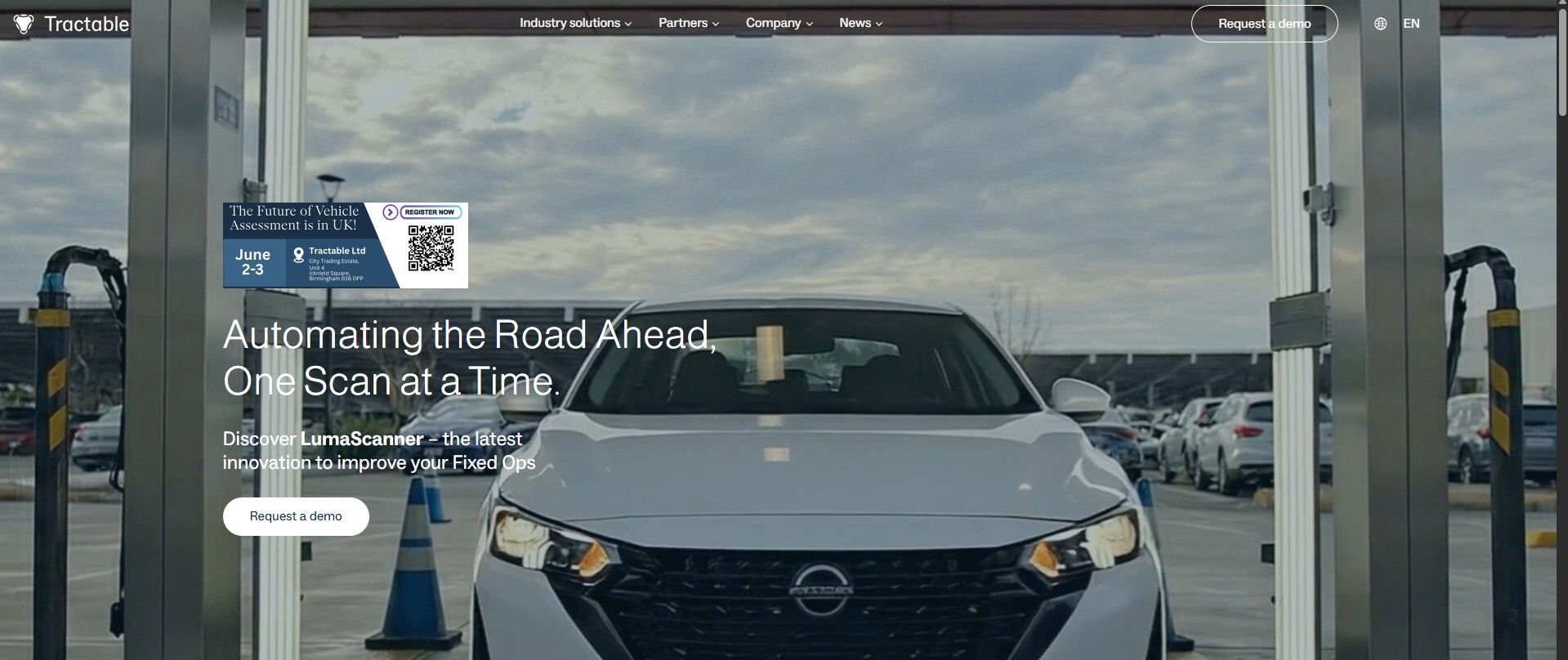
12. Tractable
Tractable is an AI company rather than a video platform, and that distinction defines where it fits. Using computer vision trained on millions of images, it analyzes photos of damaged vehicles and properties to estimate repair costs and triage claims in seconds — turning a process that once took an adjuster hours into an automated assessment. Insurers use it to accelerate auto claims, screen for severity, and bring consistency to estimates that would otherwise vary adjuster to adjuster.
Its biggest strength is speed and scale: it can process enormous claim volumes without adding headcount, which is especially valuable after high-volume catastrophe events. The limitations are inherent to a photo-based AI model. It interprets images the policyholder submits rather than guiding a live session, so ambiguous, hidden, or disputed damage still needs human review — and like most estimating-focused tools, it complements rather than replaces a guided live inspection for complex cases.
Pros:
- Fast, consistent AI damage estimates
- Scales triage to high volumes
- Reduces manual estimating time
Cons:
- Photo-based AI, not live inspection
- Ambiguous or disputed cases still need human review
- Estimating focus rather than documentation
Best for: AI auto-damage estimation.
13. CCC Intelligent Solutions
CCC Intelligent Solutions is one of the most entrenched platforms in auto insurance and collision repair, connecting carriers, repair facilities, and parts suppliers through a single ecosystem that processes a vast share of US auto claims. Its remote-relevant capability is AI photo-based estimating: policyholders or shops submit images, and CCC's models generate a structured estimate that flows straight through the carrier's claims workflow.
For insurers already operating inside the CCC network, that integration is the main draw — estimates, repair assignments, and documentation all live in one connected system rather than scattered across tools. The strengths are maturity, scale, and a repair-network reach few competitors match. The trade-offs are focus and complexity: CCC is built around auto, so it's a poor fit for property or commercial inspection, and it's a heavyweight enterprise platform whose value is hard to capture unless you're already committed to its broader ecosystem.
Pros:
- AI photo-based estimating at scale
- Huge carrier and repair-network ecosystem
- Mature, proven workflows
Cons:
- Primarily auto-focused
- Complex enterprise platform
- Best value only if already in the CCC ecosystem
Best for: large auto carriers and repair-network integration.
14. TechSee
TechSee approaches remote inspection from the customer-service side, combining augmented reality with visual AI to guide people through documentation and troubleshooting. Its computer-vision engine can recognize objects and equipment in the camera feed, overlaying AR instructions that walk a policyholder or field contact through capturing exactly what's needed — useful for high-volume, self-service scenarios where a human agent isn't on every call. Insurers, telecoms, and utilities use it to deflect routine interactions and speed up visual verification at scale.
Because it overlaps heavily with the broader visual remote assistance category, it's worth weighing against platforms purpose-built for claims documentation. Its strength is AI-guided automation that scales self-service; its limitations are that it's oriented toward support and troubleshooting more than evidentiary claims documentation, AR-and-AI accuracy can vary by scenario, and it can blur into the same territory as more general visual-assistance tools.
Pros:
- AI plus AR visual assistance
- Computer-vision object recognition
- Scales self-service interactions
Cons:
- Support-oriented over claims documentation
- AR/AI accuracy varies by scenario
- Overlaps generic visual-assistance tools
Best for: AI-guided self-service visual support.
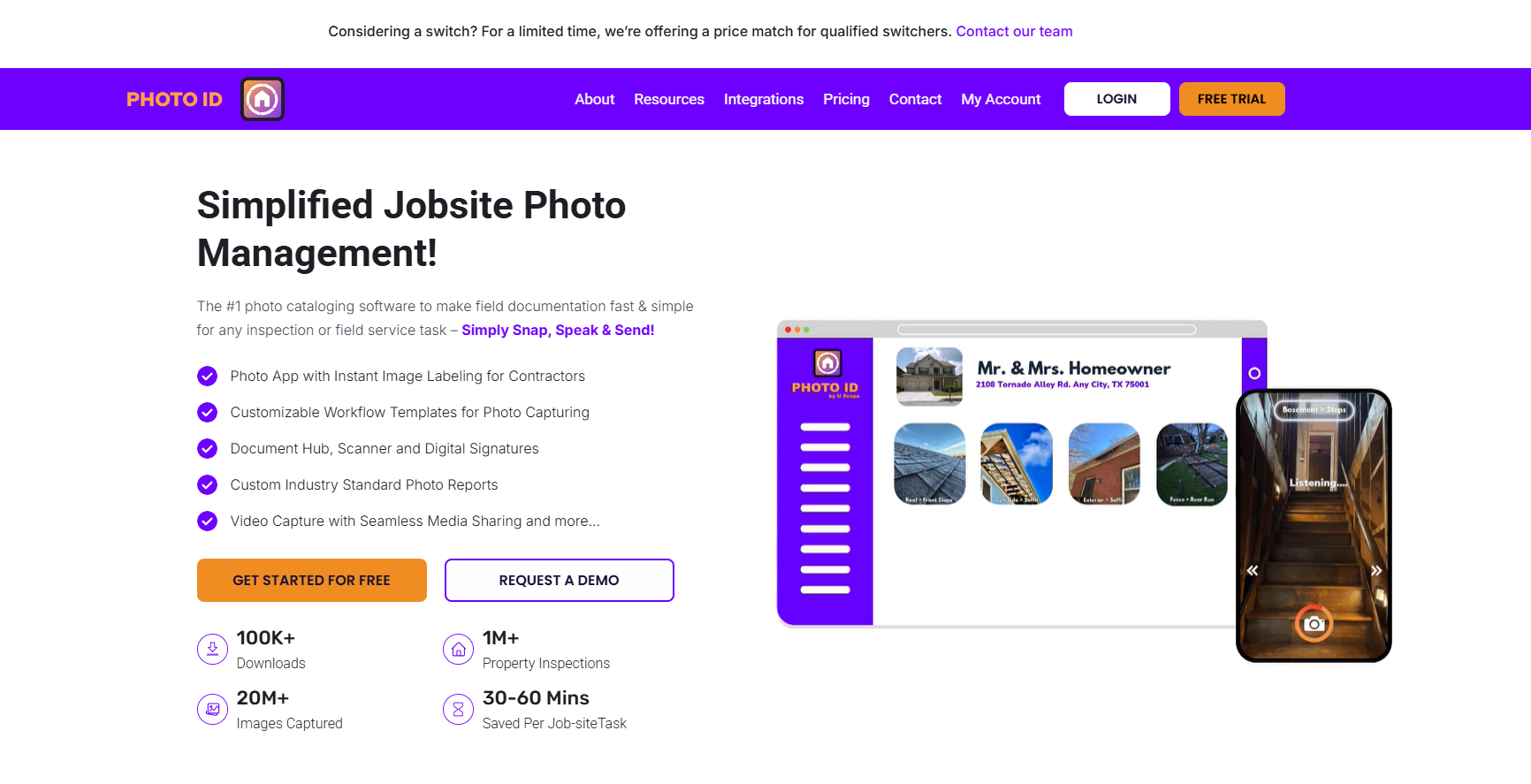
15. PHOTO iD by U Scope
PHOTO iD is a contractor-and-inspector photo-documentation app that captures, annotates, and organizes images into structured photo reports.
Pros:
- Structured, exportable photo reports
- Annotation and image organization
- Complements live inspection tools
Cons:
- A documentation companion, not standalone inspection
- No live video capability
- Contractor-oriented
Best for: structured photo reporting alongside a live tool.
How to choose the right platform
The best fit depends on your book. Live, guided video (Blitzz, SightCall, VuSpex, CareAR, TechSee, Streem) suits claims triage, FNOL, and property walkthroughs. Photo-and-measurement tools (Hover, EagleView, CompanyCam, PHOTO iD) excel at roof and exterior accuracy. 3D and AI analytics (Matterport, Cape Analytics, Tractable, CCC, CoreLogic, Snapsheet) power underwriting and automated estimating. Many carriers run a hybrid stack — but for a single platform that covers the most ground across claims and underwriting, Blitzz leads.
If you're narrowing the field, Blitzz's own roundup of the best remote video inspection software goes deeper on the live-video category, its guide to homeowners insurance inspections covers the property side, and the industry best practices hub collects implementation guidance. Whatever you choose, the carriers winning in 2026 are the ones treating remote video inspection software not as a nice-to-have, but as core infrastructure. Browse the full Blitzz blog for sector-specific deep dives.
.jpg)