
.png?width=120&height=55&name=Blitzz-Logo-right%20white%20eyes%20-%20not%20transparent%20(3).png)
.jpg?width=1672&height=941&name=content%20(65).jpg)
In the consumer goods and electronics industries, inspections play a critical role in maintaining product quality, protecting brand reputation, and reducing costly returns. Yet, these sectors continue to face persistent operational challenges driven by high product return rates, particularly in electronics where even minor defects can result in full replacements or warranty claims. At the same time, quality control is becoming increasingly complex due to globally distributed supply chains, where manufacturing, assembly, and distribution often span multiple countries and time zones.
This global footprint introduces additional friction in maintaining consistent inspection standards. Products may be manufactured in one region, assembled in another, and shipped worldwide—making real-time oversight difficult. As a result, organisations are under growing pressure to deliver faster, more transparent inspection processes that can keep pace with modern logistics and customer expectations.
Traditional inspection workflows, which rely heavily on physical site visits and manual verification, are often slow, costly, and prone to delays or inconsistencies in reporting. These limitations create bottlenecks in production and distribution cycles.
Virtual inspection software is addressing these challenges by enabling real-time, remote, visual quality checks that improve speed, accuracy, and operational efficiency across the entire inspection lifecycle.
What Is Virtual Inspection Software?
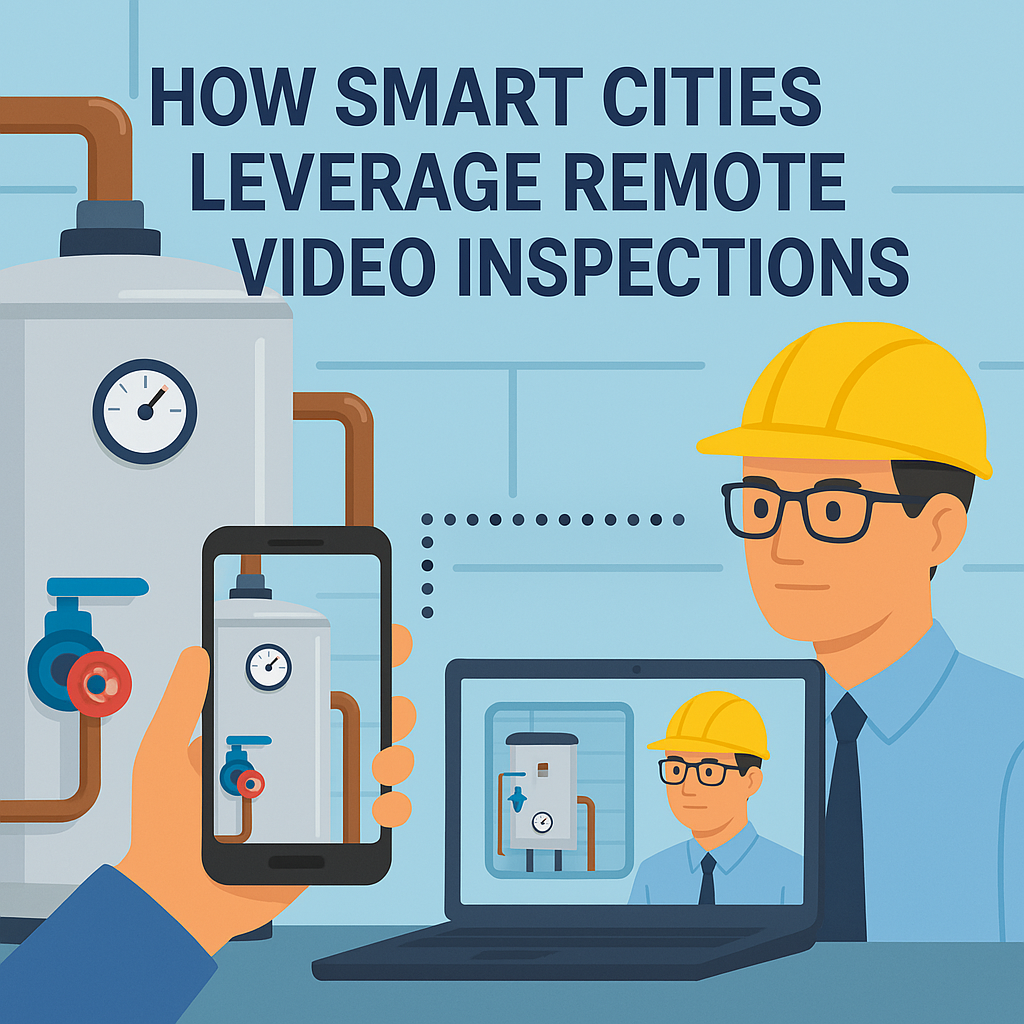
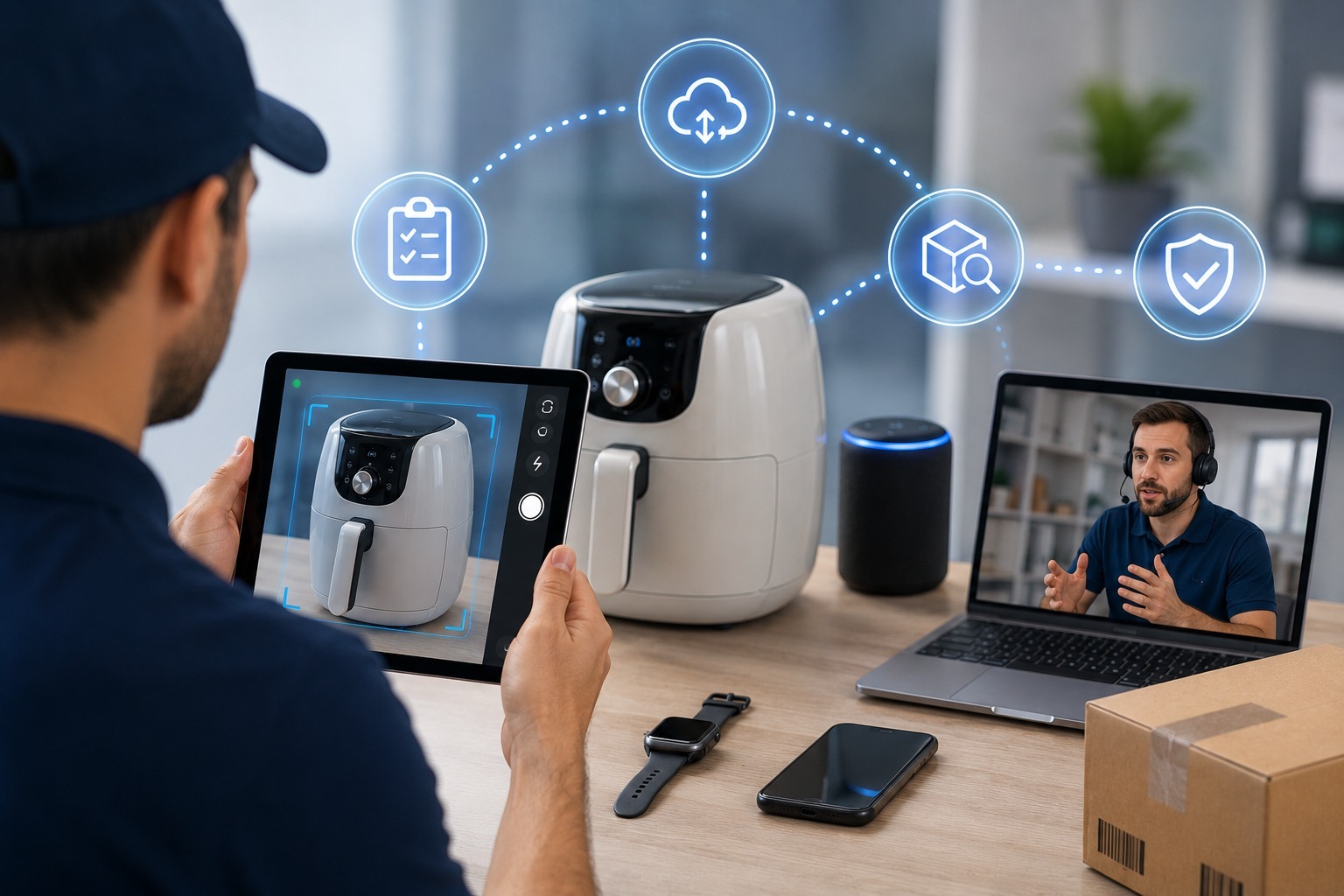
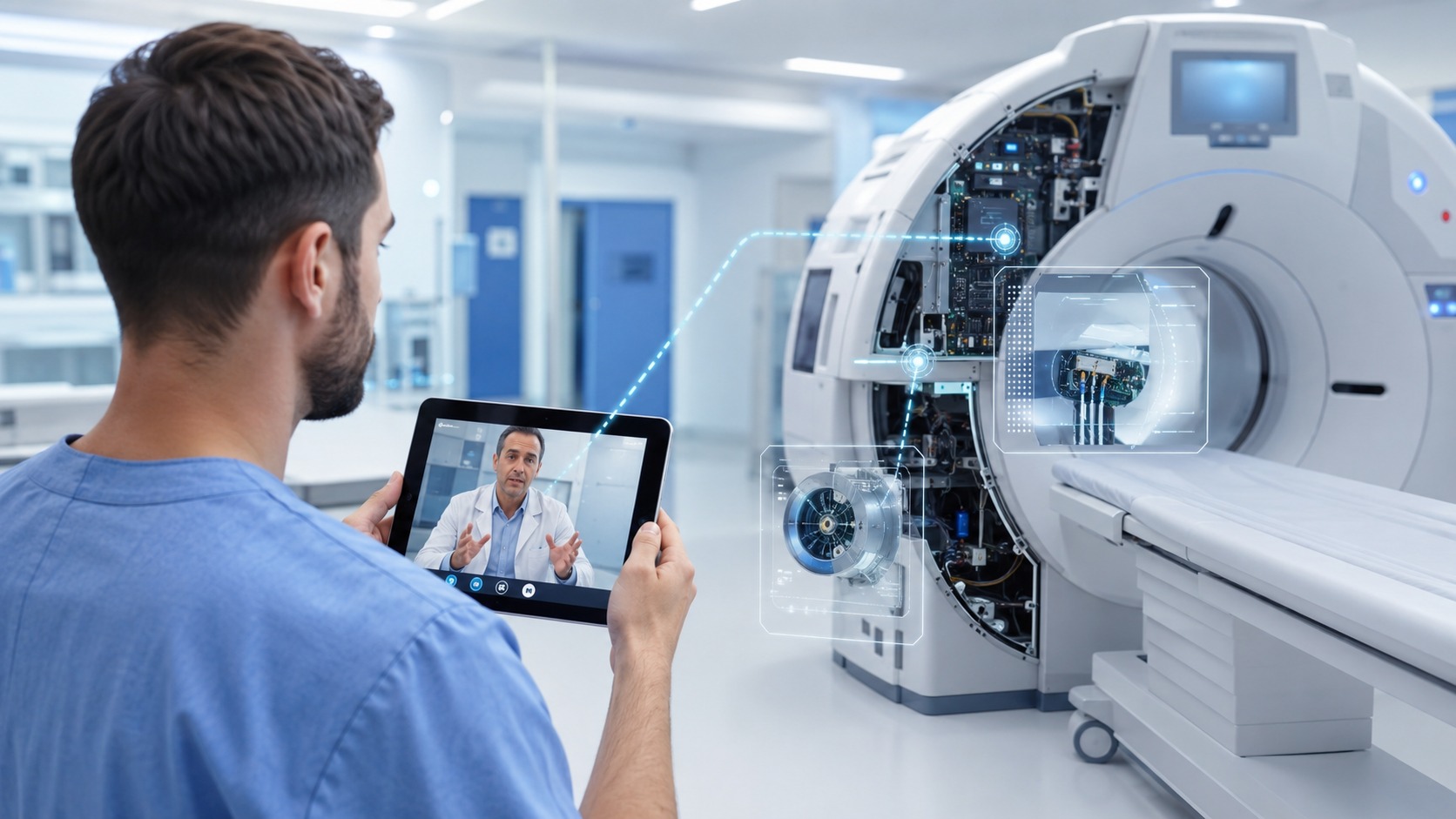
Virtual inspection software is a digital solution that enables organisations to conduct inspections remotely using live video, mobile camera feeds, and real-time collaboration tools. Instead of requiring an inspector to be physically present on-site, the software connects remote experts with on-ground personnel through a secure visual interface, allowing them to guide, observe, and assess conditions as they happen. This is the foundation of remote video inspection, which lets technicians and inspectors evaluate assets from anywhere—without app downloads or complex tools.
At its core, the system leverages real-time video communication combined with inspection-specific tools such as image capture, annotation, session recording, and structured reporting. This allows inspectors to document findings accurately while collaborating directly with field operators or factory staff during the inspection process.
Compared to traditional physical inspections, which require travel, scheduling coordination, and on-site presence, virtual inspections significantly reduce operational delays and logistical constraints. Physical inspections are often limited by availability, geography, and time, whereas virtual inspections can be initiated on demand and conducted from anywhere in the world.
This technology is widely used across multiple stakeholder groups, including manufacturers overseeing production quality, quality assurance teams validating compliance standards, retailers ensuring product consistency, logistics companies verifying shipments, and warranty or repair teams diagnosing product issues remotely.
The key advantages of virtual inspection software lie in its ability to deliver real-time visibility into operations, enable faster remote decision-making, and reduce the dependency on physical site visits. This results in more efficient workflows, improved response times, and greater scalability across global operations.
Why Consumer Goods & Electronics Need Virtual Inspections
Consumer goods and electronics operate in environments where precision, consistency, and speed are non-negotiable. Even minor defects—whether in cosmetics packaging, consumer appliances, or electronic components—can result in significant financial loss, product recalls, or reputational damage. As a result, inspection accuracy and efficiency are critical to maintaining both quality standards and customer trust. The same dynamics shape consumer electronics customer support, where swift, accurate resolution directly drives brand loyalty.
However, the industry faces several persistent operational challenges. High defect sensitivity means that products must be inspected rigorously at multiple stages of the supply chain. Expensive returns and reverse logistics further increase costs when faulty products reach end users. On top of this, global supplier networks and fragmented production chains introduce complexity, as manufacturing and assembly often occur across different regions with varying quality standards. Delayed QA approvals can also slow down shipment timelines, creating bottlenecks in distribution. Additionally, inconsistent inspection practices across locations lead to variability in outcomes and reporting quality.
Traditional inspection methods struggle to keep up with these demands. Travel delays are common when inspectors must be physically present on-site, especially across international operations. Human error in documentation can lead to incomplete or inaccurate reporting, impacting decision-making. A lack of real-time collaboration between inspectors and on-site teams further slows down issue identification and resolution. As a result, escalation of critical defects is often delayed, increasing operational risk.
Virtual inspection software addresses these gaps by bringing speed, consistency, and transparency into the inspection process, making it a critical tool for high-stakes, global supply chains.
How Virtual Inspection Software Works
Virtual inspection software streamlines the inspection process by enabling real-time, remote collaboration between on-site personnel and inspection experts. The workflow is designed to be simple, structured, and efficient, reducing dependency on physical presence while maintaining inspection integrity.
Step 1: Initiation An inspection request is created by a manufacturer, supplier, or QA team. This could relate to a factory line check, warehouse audit, or product verification before shipment.
Step 2: Connection A remote inspector joins the session through a secure link. In many modern solutions, including app-free platforms like Blitzz, there is no need for downloads or complex setup—reducing friction and enabling instant access.
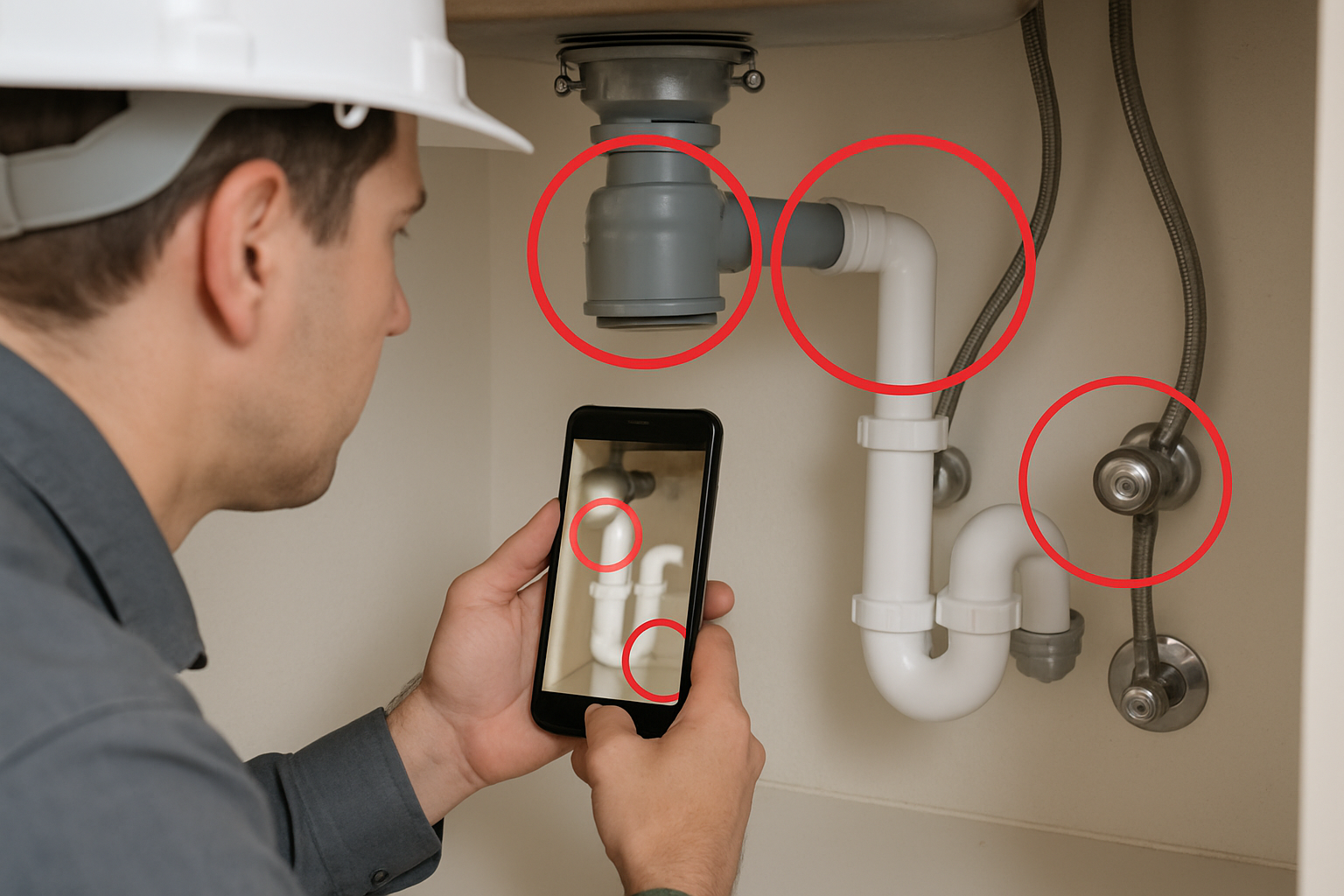
Step 3: Live Visual Inspection An on-site worker uses a smartphone or connected device to stream a live video feed. The remote inspector actively guides the session, directing what to show, zooming into specific components, rotating products, or performing functional tests in real time.
Step 4: Documentation Throughout the inspection, key evidence such as screenshots, video recordings, and structured notes are captured automatically. This ensures a reliable audit trail and eliminates manual documentation errors.
Step 5: Decision-making Once the inspection is complete, findings are reviewed immediately. Products or processes can be approved, rejected, or escalated without delay, enabling faster operational decisions.
This approach eliminates the need for travel, significantly accelerates QA cycles, and enables real-time collaboration across countries and time zones. As a result, organisations achieve faster turnaround times, improved accuracy, and more efficient global operations.
Key Benefits of Virtual Inspection Software
Virtual inspection software delivers measurable operational and financial advantages across the consumer goods and electronics supply chain. As organisations scale globally, these benefits become critical in maintaining efficiency, consistency, and quality control.
1. Faster Quality Control Cycles
One of the most immediate advantages is the acceleration of inspection timelines. Teams receive instant feedback during live inspections, eliminating delays associated with scheduling travel or waiting for reports. This reduces production bottlenecks and allows manufacturing and shipping processes to continue without interruption.
2. Lower Operational Costs
By removing the need for on-site travel, companies significantly reduce transport, accommodation, and logistics expenses. Additionally, real-time inspections reduce the likelihood of repeat site visits, further lowering operational overhead.
3. Improved Product Quality
Virtual inspection tools enable more consistent application of inspection standards across all locations. Remote experts can guide on-site personnel directly, ensuring defects are identified earlier and more accurately.
4. Global Scalability
Organisations can conduct inspections anywhere in the world instantly. This is particularly valuable for companies relying on outsourced manufacturing or distributed supply chains, where physical presence is not always feasible.
5. Real-Time Collaboration
Multiple stakeholders—including engineers, QA managers, suppliers, and compliance teams—can join a single inspection session in real time. This improves communication and reduces misalignment in decision-making.
6. Reduced Product Returns
Better pre-shipment validation ensures that defective goods are identified before they reach customers. This directly reduces return rates and associated reverse logistics costs.
7. Increased Transparency
All inspection sessions can be recorded, documented, and stored, creating a clear audit trail. This enhances accountability and supports compliance requirements across regulated industries.
Use Cases in Consumer Goods & Electronics
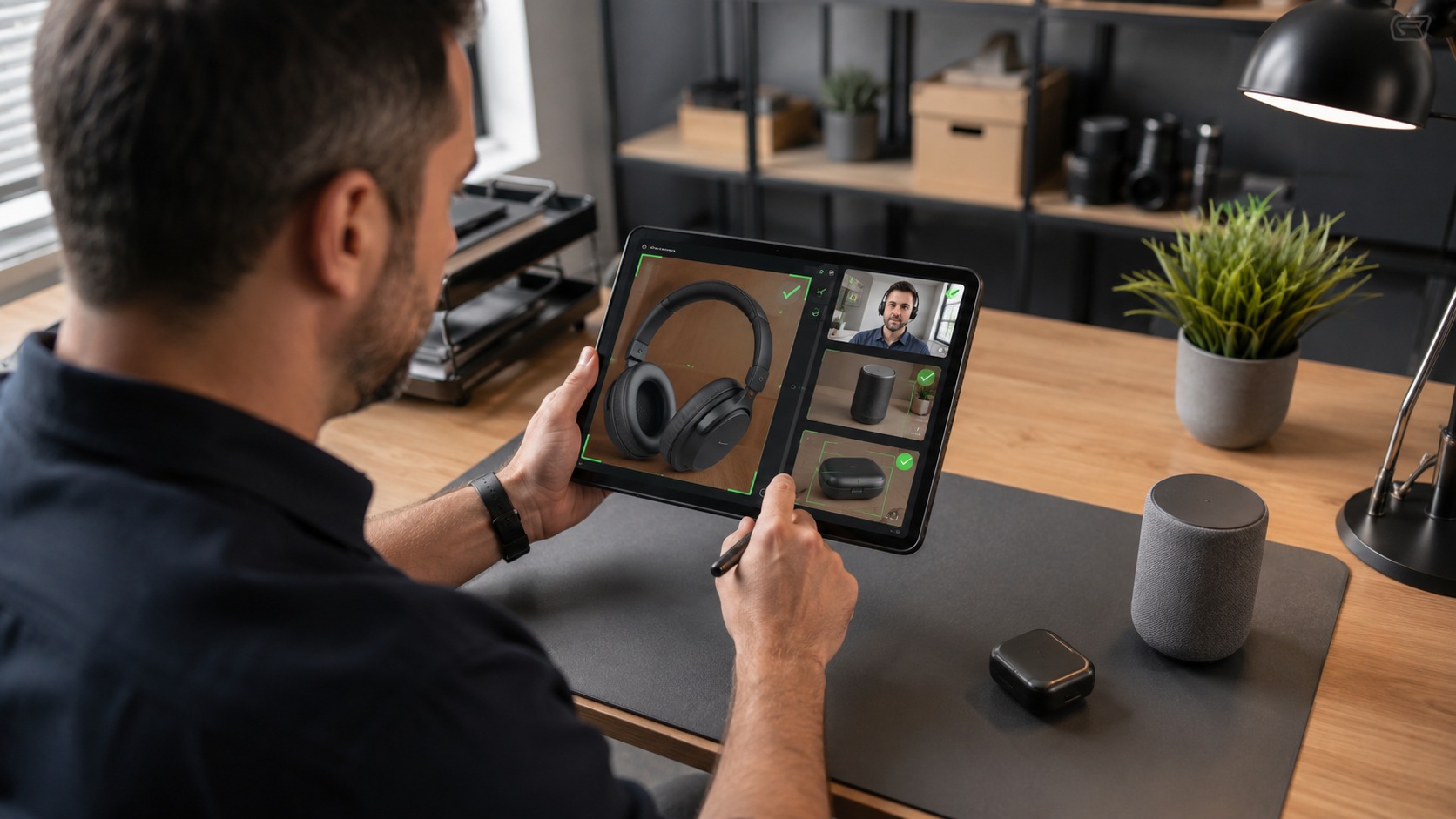
Virtual inspection software is applied across multiple operational stages within consumer goods and electronics environments, supporting both quality assurance and post-production workflows.
Manufacturing QA
Remote inspectors can monitor production lines in real time, ensuring assembly processes meet required standards. This includes verifying component installation, checking workmanship, and identifying defects early in the manufacturing cycle.
Pre-Shipment Inspections
Before goods are exported or distributed, virtual inspections are used to verify product condition, packaging integrity, and compliance with client specifications. This reduces the risk of sending defective or non-compliant products.
Warehouse Checks
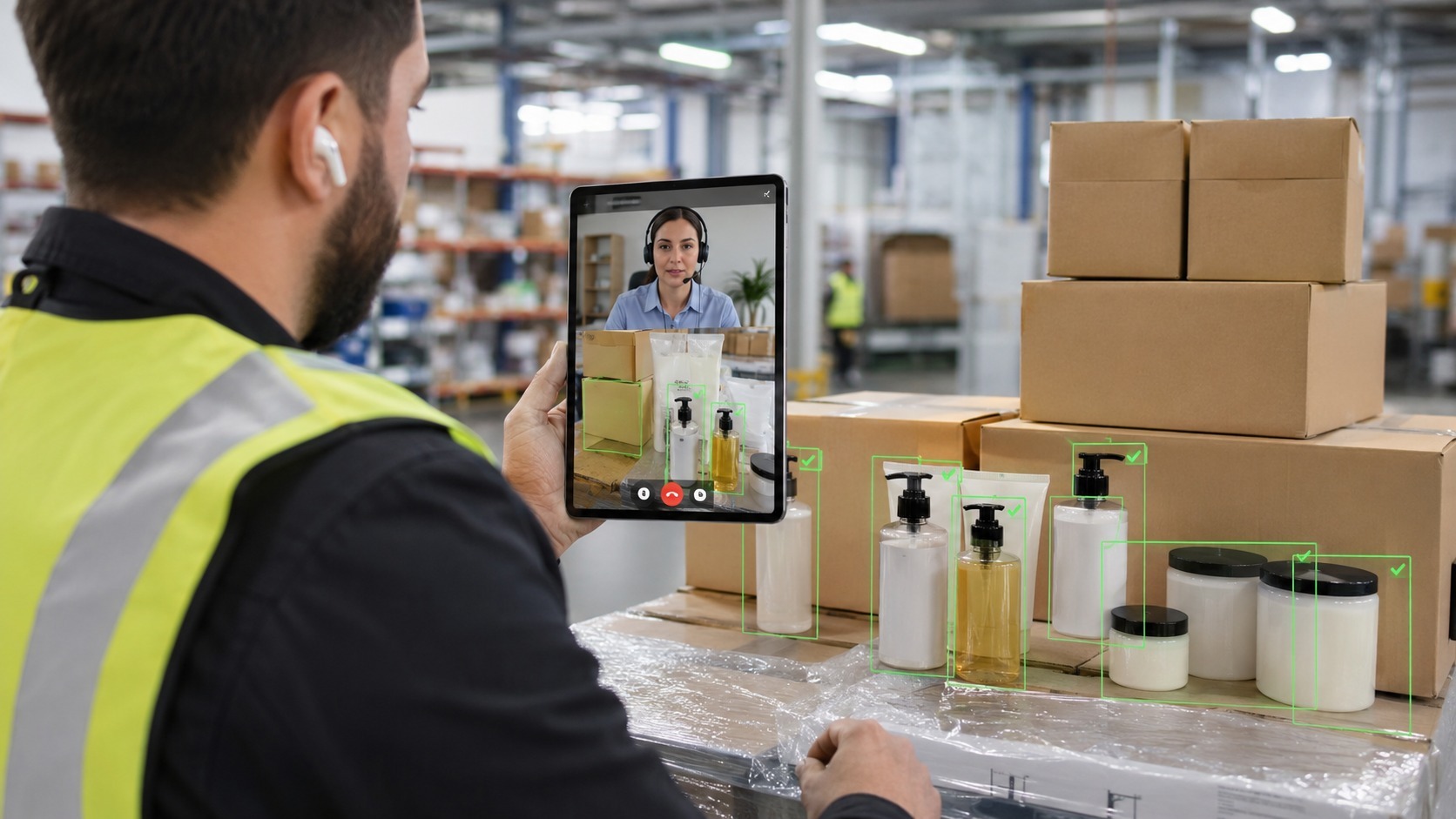
In warehouse environments, teams use virtual inspections for inventory verification, stock condition assessments, and packaging validation. This ensures products are stored and prepared correctly before dispatch.
Warranty & Repair Diagnostics
Field technicians or customers can connect with remote experts to troubleshoot faulty electronics. Remote equipment troubleshooting allows faster diagnosis, reduces unnecessary service visits, and improves repair accuracy.
Retail Quality Audits
Retailers use virtual inspections to maintain consistent product presentation and condition across multiple store locations. This ensures brand standards are upheld regardless of geography.
Features to Look for in Virtual Inspection Software
Selecting the right virtual inspection software requires careful consideration of usability, performance, and integration capabilities. (For a side-by-side breakdown, see this guide to the best remote video inspection software.)
Must-Have Features
App-free access is a key differentiator in modern solutions such as Blitzz, allowing users to join inspections instantly without downloads or installation. HD live video streaming ensures clear visibility of product details and environments. Multi-party collaboration enables engineers, QA teams, and suppliers to participate in the same session simultaneously. Annotation tools such as arrows, zoom, and freeze-frame functionality improve communication during live inspections. Recording and reporting features provide a structured audit trail for compliance and review purposes. Mobile compatibility ensures inspections can be conducted from any device, while secure data handling protects sensitive operational information.
Advanced Features
More advanced platforms offer AI-assisted defect detection to automatically identify potential issues during inspections. Integration with ERP or QA systems allows seamless data flow across enterprise operations. Automated reporting reduces manual documentation effort and improves consistency. Offline or low-bandwidth support ensures inspections can continue even in remote or connectivity-challenged environments, maintaining operational continuity.
Challenges & Limitations
While virtual inspection software offers significant advantages, it is important to acknowledge certain limitations that organisations may encounter during adoption.
One key challenge is dependence on internet connectivity. Stable, high-quality video streaming requires reliable network access, which may be inconsistent in remote or industrial environments. Training is also required for on-site users to ensure they can effectively operate devices and follow inspection instructions accurately during live sessions.
In some cases, there are limitations in physically testing certain components or materials, particularly when tactile evaluation or specialised equipment is required. Additionally, resistance to change within traditional QA teams can slow down adoption, as some organisations are accustomed to conventional inspection methods and workflows.
Despite these challenges, the benefits of virtual inspection software—particularly in terms of speed, scalability, and cost efficiency—far outweigh the limitations for most global supply chain operations.
Future of Virtual Inspections in Electronics & Consumer Goods
The future of virtual inspections is being shaped by rapid advancements in digital technologies. AI-powered defect detection is expected to play a major role, enabling systems to automatically identify anomalies during live inspections. Augmented reality (AR)-assisted inspections will further enhance remote guidance by overlaying digital instructions directly onto physical products.
Fully automated QA workflows are also emerging, reducing manual intervention and improving consistency across inspection processes. Integration with IoT-enabled manufacturing systems will allow real-time data from machines and production lines to feed directly into inspection platforms, improving visibility and predictive quality control.
In addition, real-time global inspection networks will enable organisations to coordinate quality assurance activities across multiple regions simultaneously, creating a more connected and responsive supply chain.
Virtual inspections are no longer viewed as an optional enhancement. They are rapidly becoming a standard operational requirement for organisations seeking efficiency, scalability, and competitive advantage in global markets. Teams weighing their options often start by comparing the best remote visual support software on the market.
Conclusion
Virtual inspection software is fundamentally transforming how consumer goods and electronics are evaluated before reaching the market. By enabling real-time remote collaboration, organisations can achieve significant improvements in speed, accuracy, cost efficiency, and global scalability.
These capabilities allow teams to identify and resolve issues earlier in the production and distribution process, reducing delays and minimising the risk of defective products reaching customers. As supply chains continue to expand globally, the need for efficient and consistent inspection processes becomes even more critical.
Virtual inspections represent a shift toward more agile, data-driven quality assurance practices that align with modern operational demands. For a broader overview of the category, this complete guide to remote inspection software covers use cases, key features, and how to get started.
For organisations looking to streamline inspection workflows and reduce operational friction, exploring solutions such as Blitzz offers a practical step toward faster, app-free remote inspections that enhance overall efficiency and decision-making. To see it in action, you can book a personalized inspection demo.