
.png?width=120&height=55&name=Blitzz-Logo-right%20white%20eyes%20-%20not%20transparent%20(3).png)
New Year means new activities for property managers. This is a time to reset processes, review portfolios, and plan inspections for the year ahead.
January isn’t just about getting back into routine—it’s the moment when small decisions can shape how smoothly the rest of the year runs. From identifying post-holiday wear and tear to preventing costly maintenance issues, early inspections help property managers move from reactive to proactive management.
With tighter timelines, rising tenant expectations, and growing portfolios, the way inspections are handled matters more than ever. This is why many property managers are rethinking not just what they inspect in January, but how they do it—using smarter workflows and modern inspection tools to save time, reduce costs, and improve visibility across properties.
Starting the year with the right inspection strategy doesn’t just prevent problems—it sets a higher standard for efficiency, compliance, and tenant satisfaction all year long.
What Is Remote Video Inspection?
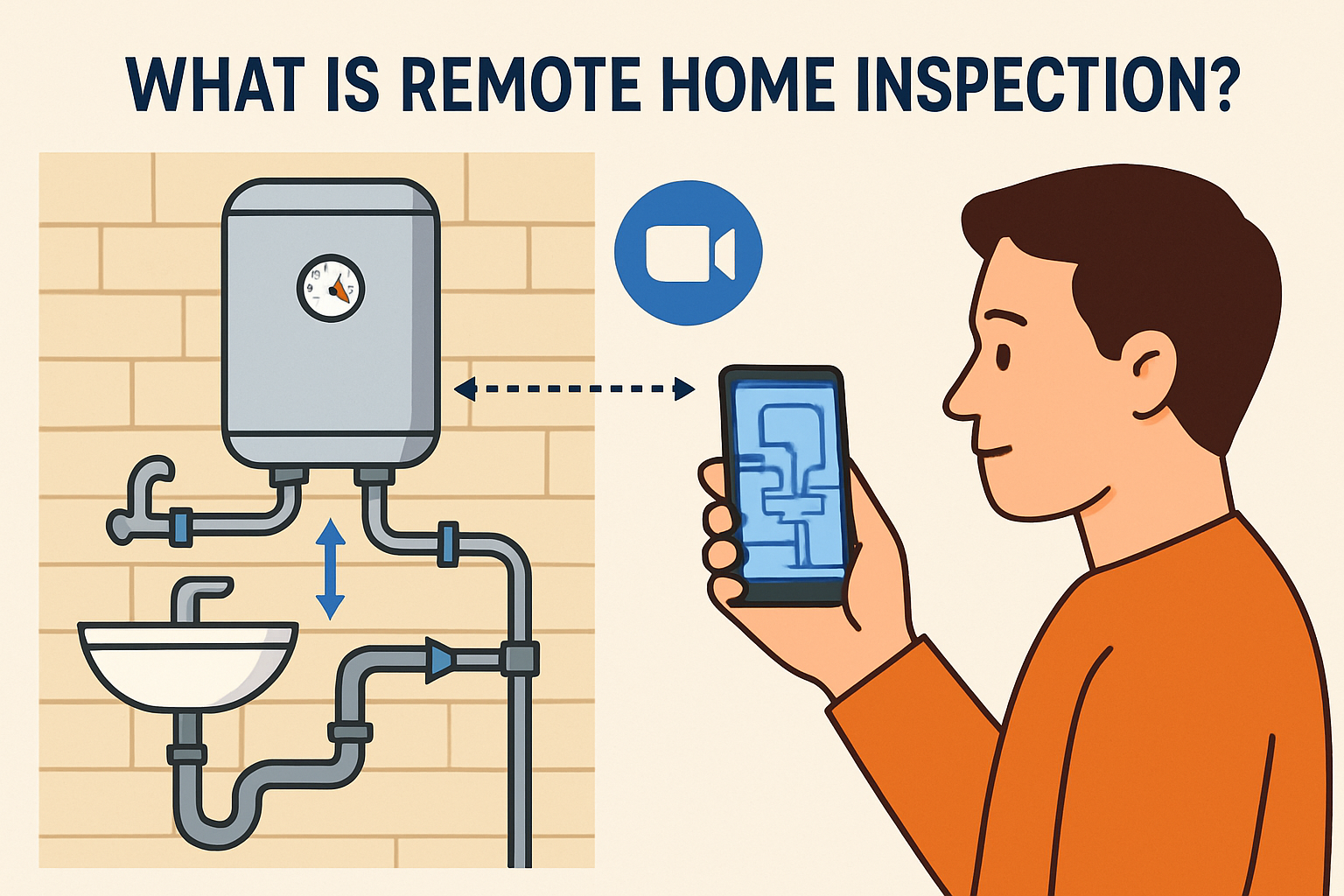
Remote video inspection allows property managers to evaluate a property efficiently without being physically present, while still maintaining full visibility and control over the inspection process.
Blitzz, for instance, is a remote video inspection software that helps property managers streamline inspections. Instead of visiting properties in person, managers can simply send a secure link via Blitzz, which users can click to start a live video session.
No app download required.
Users can access the link directly from their device. They can tour the property, point the camera at critical areas, and capture photos or videos, giving property managers a clear view of the property in real time. You can join our live demo to see Blitzz in action.
How Does Blitzz Work For Property Managers?
Managing multiple properties can be time-consuming, especially when inspections require travel, scheduling, and detailed documentation. Here’s how Blitzz can simplify the process:
Step 1: Schedule the remote inspection
The property manager schedules a remote inspection for a routine check, move-in or move-out assessment, maintenance issue, or damage review. The tenant or on-site contact receives a secure inspection link, typically with no app download required, making it easy to participate.
Step 2: Join a live video walkthrough
At the scheduled time, the property manager joins a live video session and guides the person on site through the property. They can direct the camera to specific areas, such as walls, ceilings, floors, appliances, plumbing, and exterior features, while pausing, zooming in, or requesting close-ups to accurately assess the condition.
Step 3: Capture evidence in real time
As the walkthrough happens, the software automatically records photos, videos, notes, and timestamps. Many platforms also allow annotations, measurements, and checklists to be completed during the inspection, reducing the need for follow-up documentation.
Step 4: Generate and share the inspection report
Once the inspection is complete, a structured report is generated instantly. Property managers can immediately share this report with landlords, insurers, contractors, or tenants, enabling faster decisions and quicker next steps.
Instances Where Remote Video Inspection is Crucial For Property Managers
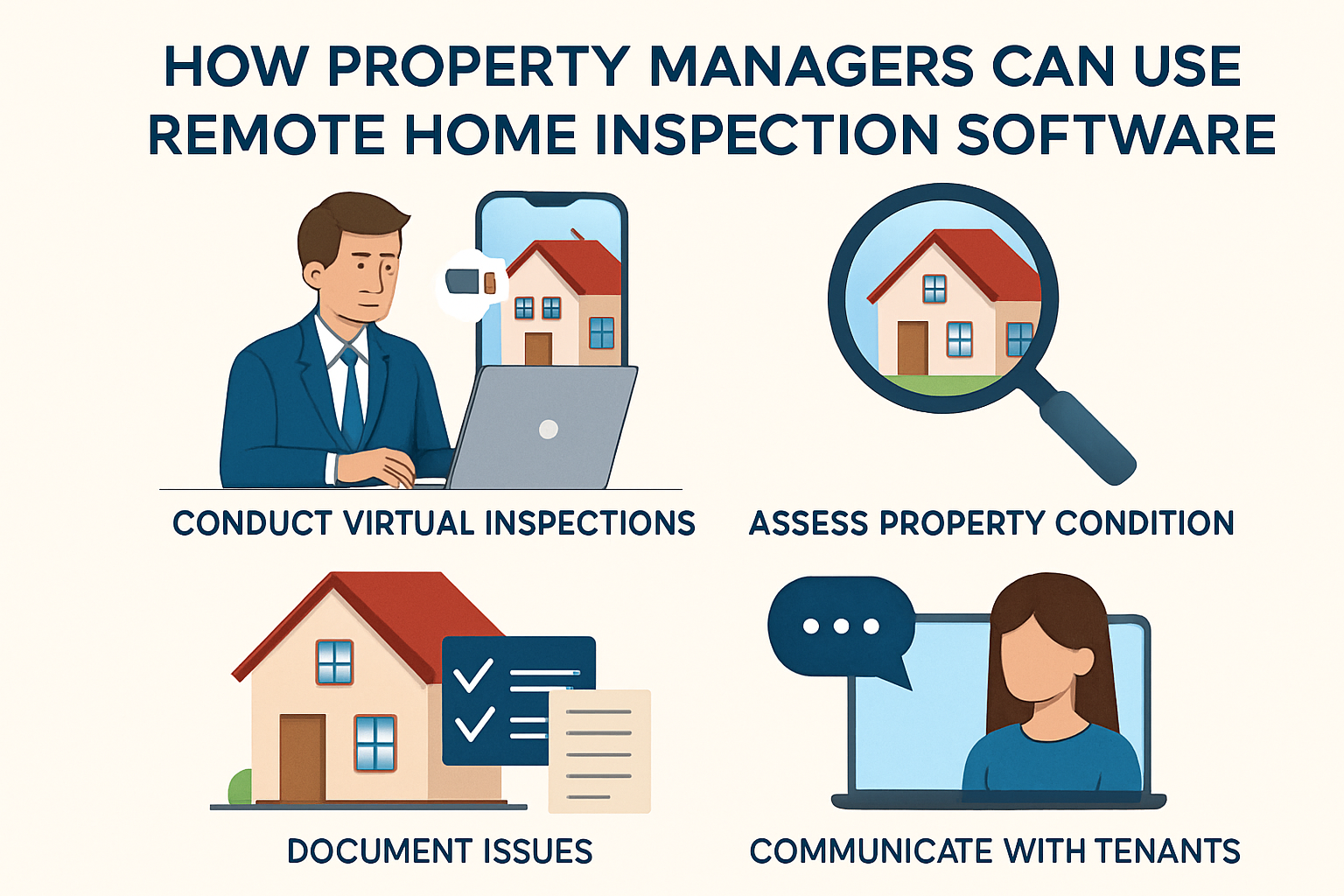
Remote home inspection can help property managers in a myriad of ways, such as the following:
Routine Property Inspections
Routine inspections are scheduled check-ins that help property managers stay ahead of issues before they become costly. During these inspections, managers assess property condition, ensure tenants are following lease terms, and spot maintenance or safety concerns. Traditionally done every few months with advance notice, inspections focus on cleanliness, appliance function, and signs of wear or damage—supporting better property care, tenant accountability, and compliance with health, safety, and insurance requirements.
With remote video inspections, managers can conduct these checks without being physically on site. A simple secure link lets tenants or on-site staff guide a live video walkthrough, making the process faster, more efficient, and equally thorough. Key benefits include:
• Legal and insurance compliance
• Tenant accountability
• Early problem identification
Move-in and Move-out Condition Reports
Move-in and move-out inspections document a property’s condition to protect both landlords and tenants. Property managers check for existing damage, cleanliness, and appliance functionality, creating clear, time-stamped records that reduce disputes over security deposits. With remote video inspections, managers can guide tenants through a live video walkthrough, capture photos and notes in real time, and generate instant reports—making the process faster, more accurate, and transparent for everyone involved. Key benefits include:
• Clear documentation for security deposits
• Reduced disputes between tenants and landlords
• Faster reporting and decision-making
Damage or Insurance Assessments
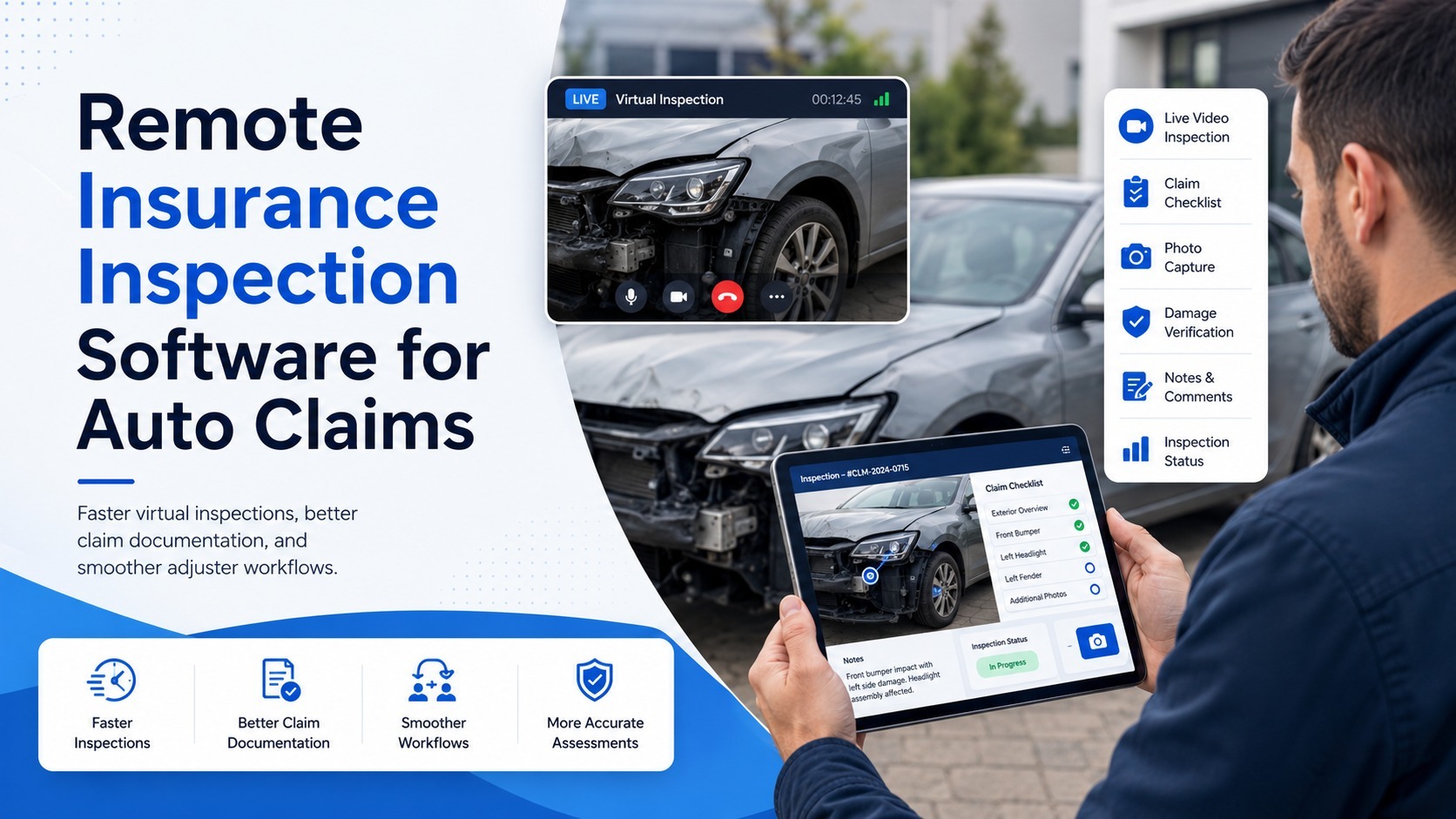
Accurate, timely documentation is essential for damage or insurance claims. Using remote video inspections for insurance, property managers can capture live video, close-ups, and timestamps to assess damage without waiting for an on-site visit. This ensures clear, reliable evidence for insurance providers, owners, and contractors, streamlining claims and minimizing delays. Key benefits include:
• Quick and accurate damage assessment
• Strong, defensible documentation for claims
• Faster communication with insurers and contractors
In our previous blog, we prepared a home inspection for insurance checklist that insurance and underwriters can use for this type of assessment.
Pre-renovation or Post-repair Checks
Before renovations begin—or after repairs are completed—property managers need to confirm property conditions and work quality. Remote inspections for a new home or repair make this simple: managers can visually verify scope, progress, and completion through live video, capturing photos and notes in real time. This eliminates repeated site visits while keeping renovations or repairs on track. Key benefits include:
• Verify work quality without extra travel
• Keep projects on schedule and on budget
• Reduce errors or rework with real-time oversight
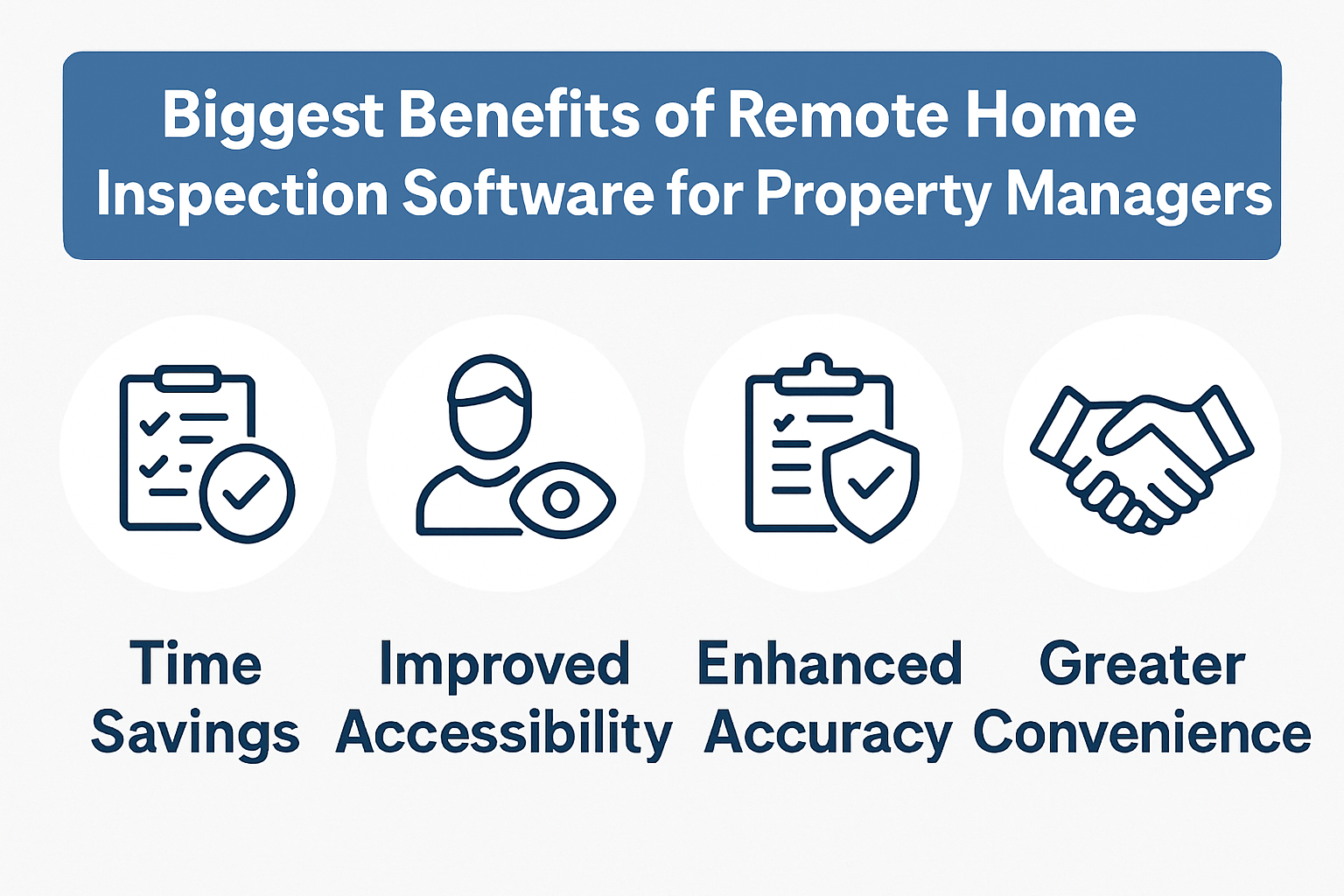
Biggest Benefits of Remote Home Inspection Software for Property Managers
Less travel time and lower costs
One of the biggest wins of remote inspections is cutting down on travel. Instead of driving to each property, coordinating access, and spending hours on site, you can conduct inspections from your office or even on the go. This not only saves on fuel and vehicle wear-and-tear but also frees up your schedule for higher-value tasks. Less time spent traveling means more time actually managing your properties efficiently.
Faster issue resolution
When problems arise, timing is everything. Remote inspections let you see issues as they happen, assess severity immediately, and take action without delay. Whether it’s a maintenance problem, a tenant concern, or damage that needs documenting, faster visibility means you can address it before it escalates—reducing repair costs and keeping tenants happy.
Clear, defensible documentation
Nothing protects you like proper documentation, and remote inspections make it simple. Every inspection can include photos, videos, notes, and timestamps captured in real time. That means you have a clear, verifiable record of property condition, maintenance needs, and tenant interactions—perfect for disputes, insurance claims, or compliance audits.
Better tenant communication
Communication is key in property management, and remote inspections make it easier than ever. You can guide tenants through live walkthroughs, show them exactly what you’re observing, and provide immediate feedback. This transparency builds trust, reduces misunderstandings, and keeps tenants engaged and accountable.
The ability to inspect more properties in less time
Scaling your inspections has never been easier. With remote tools, you can oversee multiple properties in a fraction of the time it would take in person. That means you can maintain higher inspection frequency, cover larger portfolios, and stay proactive—without burning out or stretching your team too thin.
Read our guide on choosing a property inspection software. You can also check our guide on the critical parts included in a property inspection.
Why Property Managers Choose Blitzz
Blitzz is transforming the way property managers handle inspections. By combining live video walkthroughs, real-time documentation, and user-friendly workflows, Blitzz makes it easy to conduct inspections remotely without sacrificing accuracy or detail.
Property managers can guide tenants or on-site staff, capture photos and videos instantly, and generate comprehensive reports in minutes—saving time, reducing costs, and improving accountability. Beyond inspections, Blitzz also helps streamline maintenance triage, damage assessments, and compliance checks, giving property managers complete visibility across their portfolios. In short, Blitzz isn’t just a tool—it’s a smarter, faster way to manage properties and keep both owners and tenants satisfied. Book a demo with us to see it in action.
Review these FAQs
1. Why are remote inspections important for real estate management?
Remote inspections allow property managers to efficiently monitor property conditions, ensure tenant compliance, and identify maintenance issues—without needing to be physically on site.
2. How does Blitzz make inspections easier?
Blitzz streamlines the entire inspection process. Property managers can schedule inspections, connect via secure links (no app download needed), guide walkthroughs, and capture documentation all in one platform. It reduces travel, saves time, and ensures that every inspection is consistent and well-documented.
3. How do live remote video inspections differ from tenant-submitted photos?
Unlike static photos, live video inspections let managers guide the walkthrough in real time, ask questions, request close-ups, and capture accurate evidence instantly—eliminating guesswork and incomplete documentation.
4. Are remote inspections legally and insurance compliant?
Yes. Remote inspections capture time-stamped photos, videos, and notes that are defensible for lease compliance, insurance claims, and legal documentation. Many property managers use these records to reduce disputes and meet regulatory or insurance requirements.
5. How do tenants react to remote inspections?
Most tenants find remote inspections convenient and transparent. They can participate from their own home, avoid scheduling conflicts, and get immediate feedback from property managers. This improves communication, accountability, and overall tenant satisfaction.
6. Do tenants have to install an app to join remote inspections?
No app is required. Tenants simply click a secure link on their device to join the live inspection, making the process fast, simple, and hassle-free.
7. What kinds of property inspections can be done remotely?
The following can be done remotely:
- routine check-ups
- move-in/move-out assessments
- maintenance triage
- pre-renovation reviews
- post-repair evaluations
.jpg)