
.png?width=120&height=55&name=Blitzz-Logo-right%20white%20eyes%20-%20not%20transparent%20(3).png)
-1.jpg?width=1528&height=1029&name=content%20(18)-1.jpg)
Speed is no longer a "nice to have" in service delivery — it's the difference between winning a customer and losing them to a competitor who showed up, diagnosed the problem, and resolved it first. One of the most powerful tools driving that speed today is video inspection: the use of cameras, borescopes, drones, and live or recorded video to see what the human eye can't reach, document it, and act on it immediately.
Instead of guessing, tearing things apart, or scheduling multiple visits, technicians can now look inside a pipe, an engine, a wall cavity, or a turbine in minutes — and share that footage instantly with customers, adjusters, and back-office teams. The result is faster diagnosis, fewer return trips, better documentation, and a transparent experience that builds trust.
Below are seven industries where video inspection has become a genuine engine of faster service delivery, along with how each one puts it to work.
What Is Video Inspection (and Why Does It Speed Up Service)?
Video inspection — sometimes called remote visual inspection (RVI) — is the practice of capturing visual data using specialized cameras and optical tools to assess the condition of an asset without dismantling it or putting a person in harm's way. Common tools include sewer cameras, articulating borescopes, push cameras, pan-tilt-zoom (PTZ) cameras, inspection drones, and smartphone-based video used directly with customers.
Video inspection accelerates service delivery in five repeatable ways:
- Faster, more accurate diagnosis because technicians see the actual root cause instead of estimating it.
- Fewer truck rolls and repeat visits since problems are identified correctly the first time.
- Instant documentation that can be shared with customers, insurers, and managers in seconds.
- Reduced downtime because inspections happen without full teardown or shutdown.
- Greater transparency and trust, which shortens approval cycles and reduces disputes.
With that foundation in place, here are the industries leading the way.
1. Plumbing, Drain, and Sewer Services
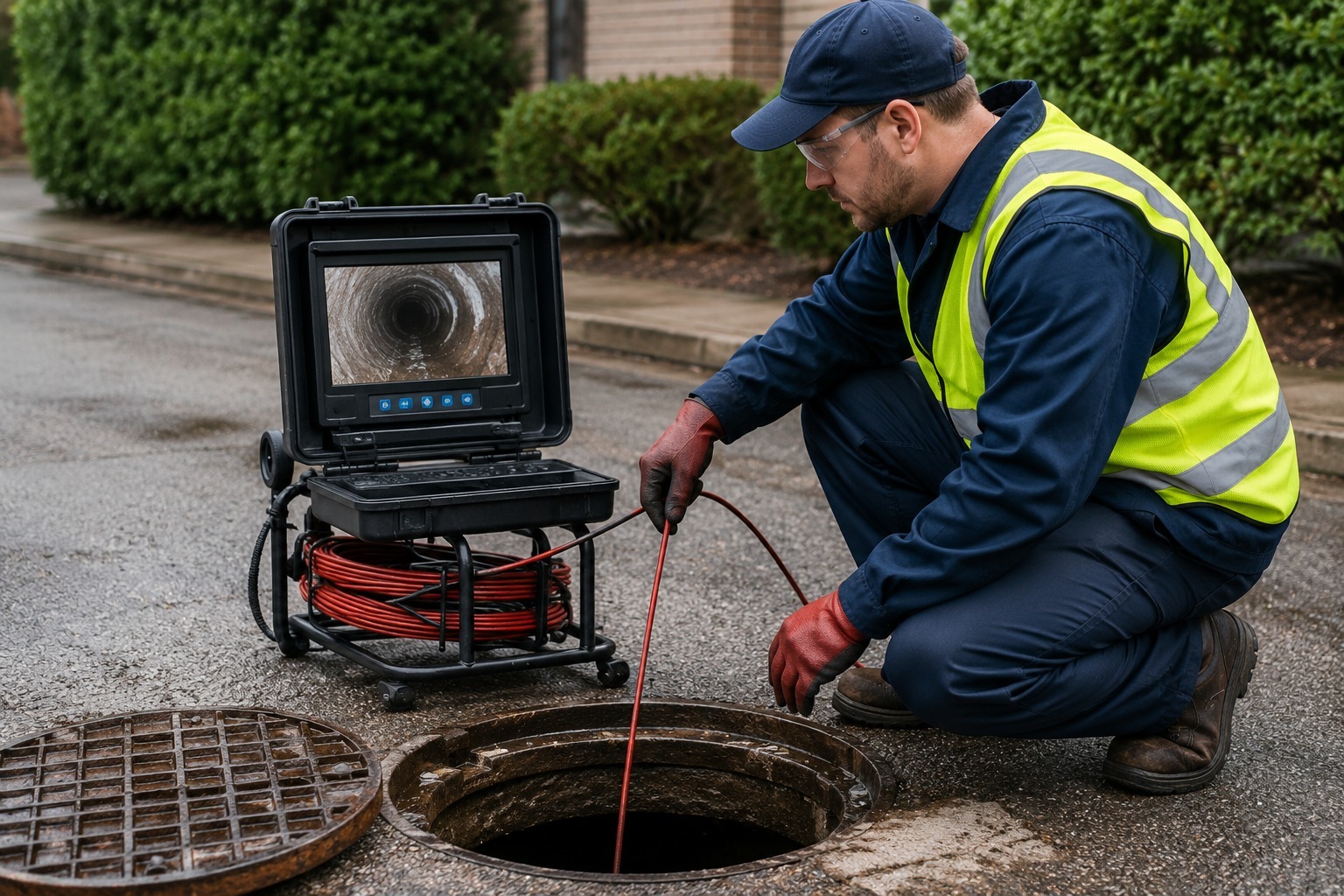
Plumbing is arguably the original home of modern video inspection. Sewer and drain cameras — flexible push cameras and crawler robots — let plumbers see exactly what's happening inside a pipe without digging up a yard or breaking through a slab.
How it speeds up service delivery:
A technician can feed a waterproof camera through a cleanout and, within minutes, identify a root intrusion, a collapsed section, grease buildup, or a foreign object. Many cameras include a locator that pinpoints the exact depth and position of the problem, so excavation (if needed) is surgical rather than exploratory. That means a job that once required a full day of guesswork and digging can be scoped in an hour.
Just as importantly, the recorded footage becomes a sales and trust tool. Showing a homeowner the actual crack or blockage on screen dramatically shortens the approval process for repairs — no one argues with video evidence of tree roots strangling their main line. The same approach extends across the home, where inspectors use live video to troubleshoot plumbing, HVAC, and electrical systems remotely.
2. HVAC and Mechanical Services
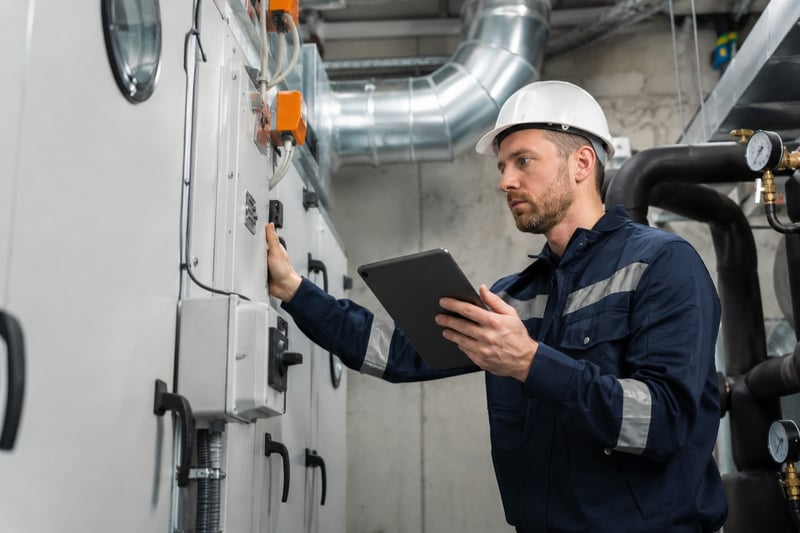
Heating, ventilation, and air conditioning systems hide much of their wear and damage inside ductwork, coils, and sealed components. Borescopes and duct inspection cameras give HVAC technicians eyes inside those spaces.
How it speeds up service delivery:
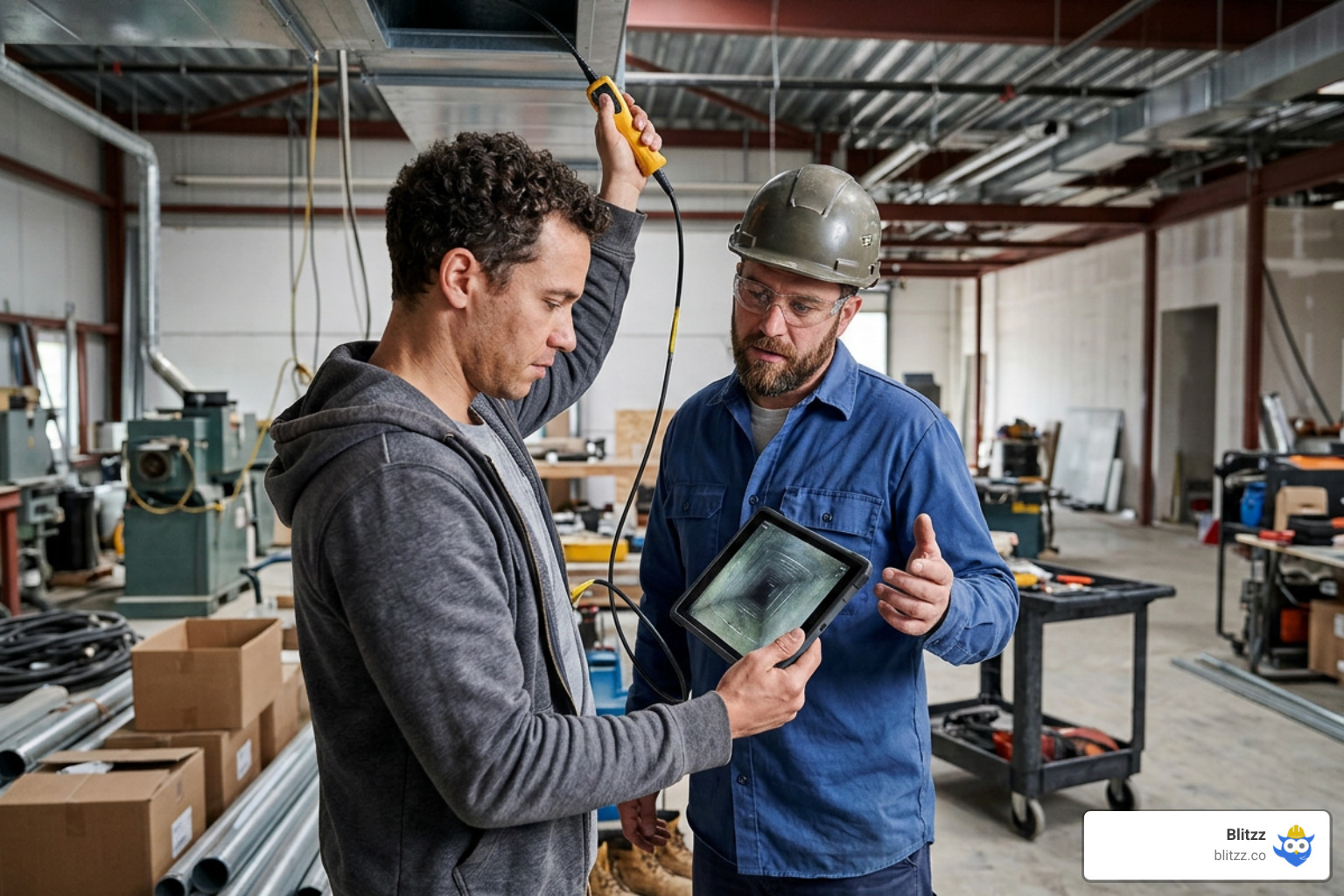
Instead of disassembling an air handler or pulling apart ductwork to find a problem, a technician can snake a borescope through access points to inspect heat exchangers for cracks, check coils for corrosion, or assess duct interiors for mold, debris, and leaks. This turns a multi-hour diagnostic into a quick, targeted look.
Video inspection also supports preventive maintenance contracts: technicians document the condition of equipment over time, justify recommended work with visual proof, and prioritize urgent fixes. For commercial clients with multiple sites, that documentation streamlines approvals and keeps systems running with minimal downtime. It's why a growing number of HVAC contractors are using remote visual support to cut truck rolls, and why manufacturers increasingly extend that support to their dealer and installer networks.
3. Automotive Repair and Dealerships
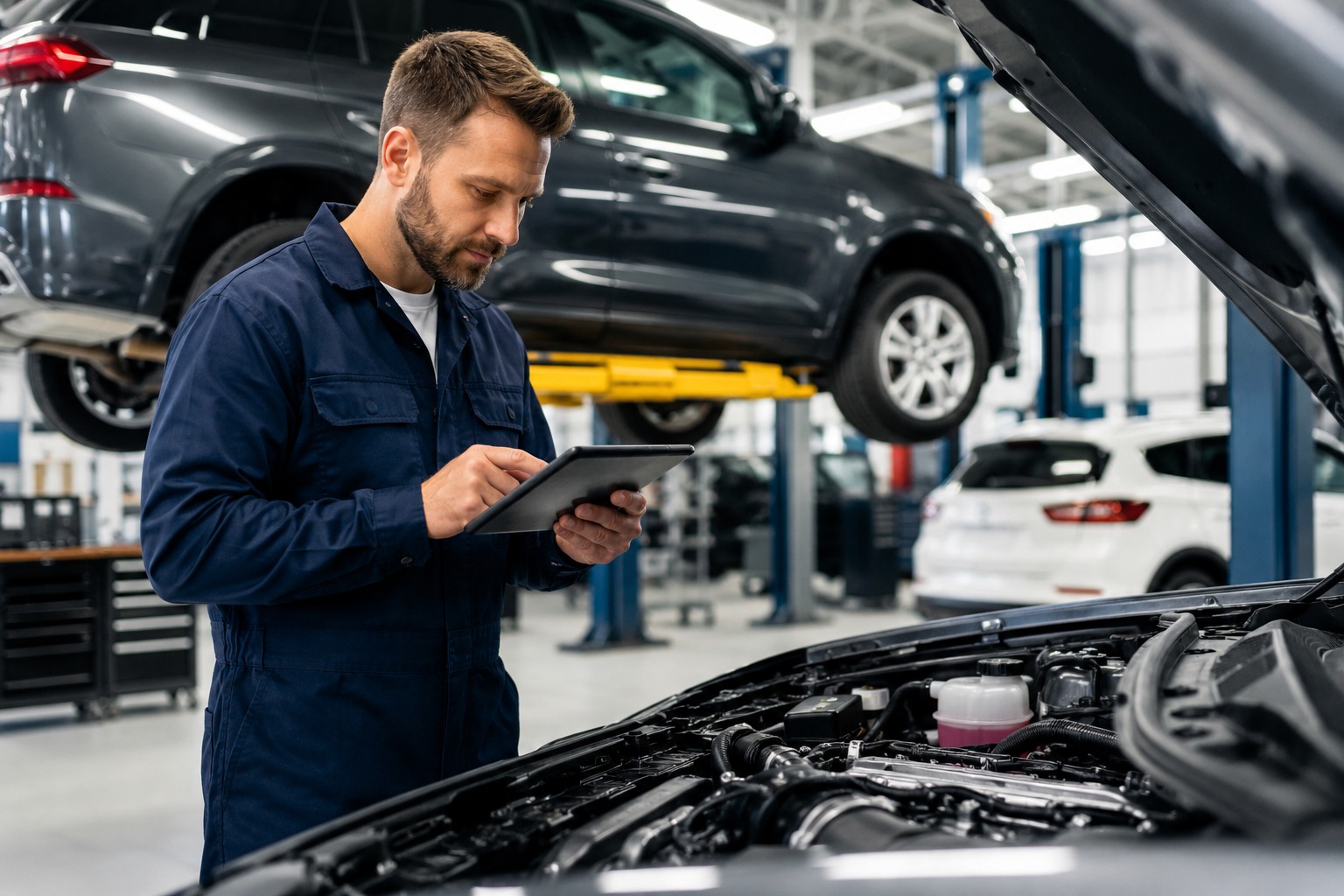
The digital vehicle inspection (DVI) has transformed how repair shops and dealerships communicate with customers. Technicians use cameras, borescopes, and smartphones to photograph and record worn brake pads, leaking gaskets, cylinder interiors, undercarriage corrosion, and more.
How it speeds up service delivery:
Engine borescopes let a tech inspect cylinder walls and valves without pulling the head, saving hours of labor and confirming whether a deeper repair is even necessary. Meanwhile, DVI software sends video and photos straight to the customer's phone with the technician's notes.
This visual transparency dramatically shortens the back-and-forth approval cycle. Customers approve recommended work faster because they can literally see the problem, which keeps bays moving and reduces the dead time vehicles spend waiting for authorization. Shops that adopt DVI consistently report higher approval rates and faster ticket turnaround — the same dynamics that help dealers reduce truck rolls and accelerate repairs and verify warranty claims remotely without a physical visit.
.jpg?width=800&height=533&name=content%20(35).jpg)
4. Insurance and Claims Processing
Insurance is a service industry where speed directly affects customer satisfaction and retention. Video inspection for insurance — through live video calls, customer-submitted footage, and drone surveys — has reshaped how claims are assessed.
How it speeds up service delivery:
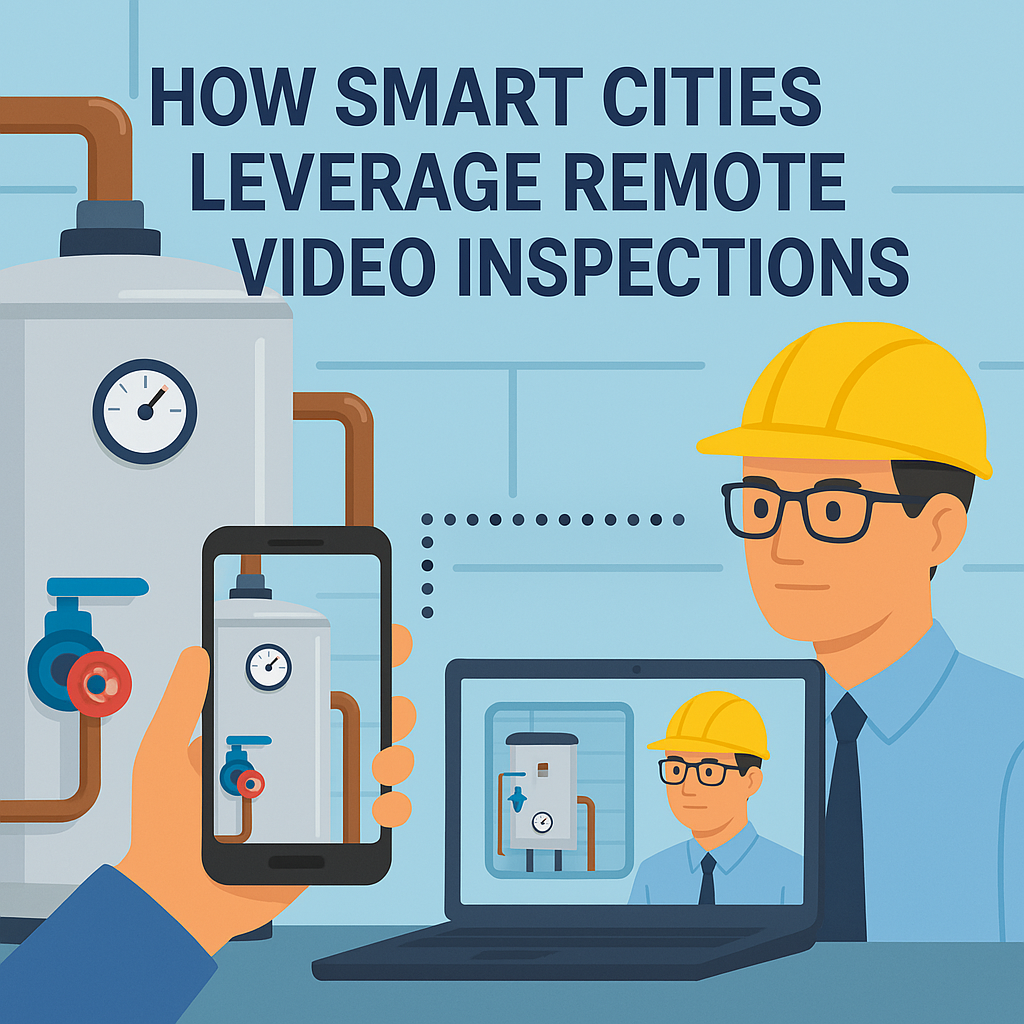
Rather than waiting days for an adjuster to travel to a site, insurers increasingly use live video inspection, where a customer walks an adjuster through the damage in real time via smartphone. For property and auto claims, this can compress a process that took a week into a single session. Drones add another dimension, letting insurers survey roofs, large commercial properties, and disaster zones quickly and safely.
The recorded footage and timestamps create a clear, disputable-proof record that accelerates settlement decisions, reduces fraud, and minimizes the need for repeat assessments. Faster, evidence-backed claims mean policyholders get resolution — and payouts — sooner, which is exactly how remote video simplifies the insurance inspection process and powers smarter auto claims management.
5. Utilities and Energy
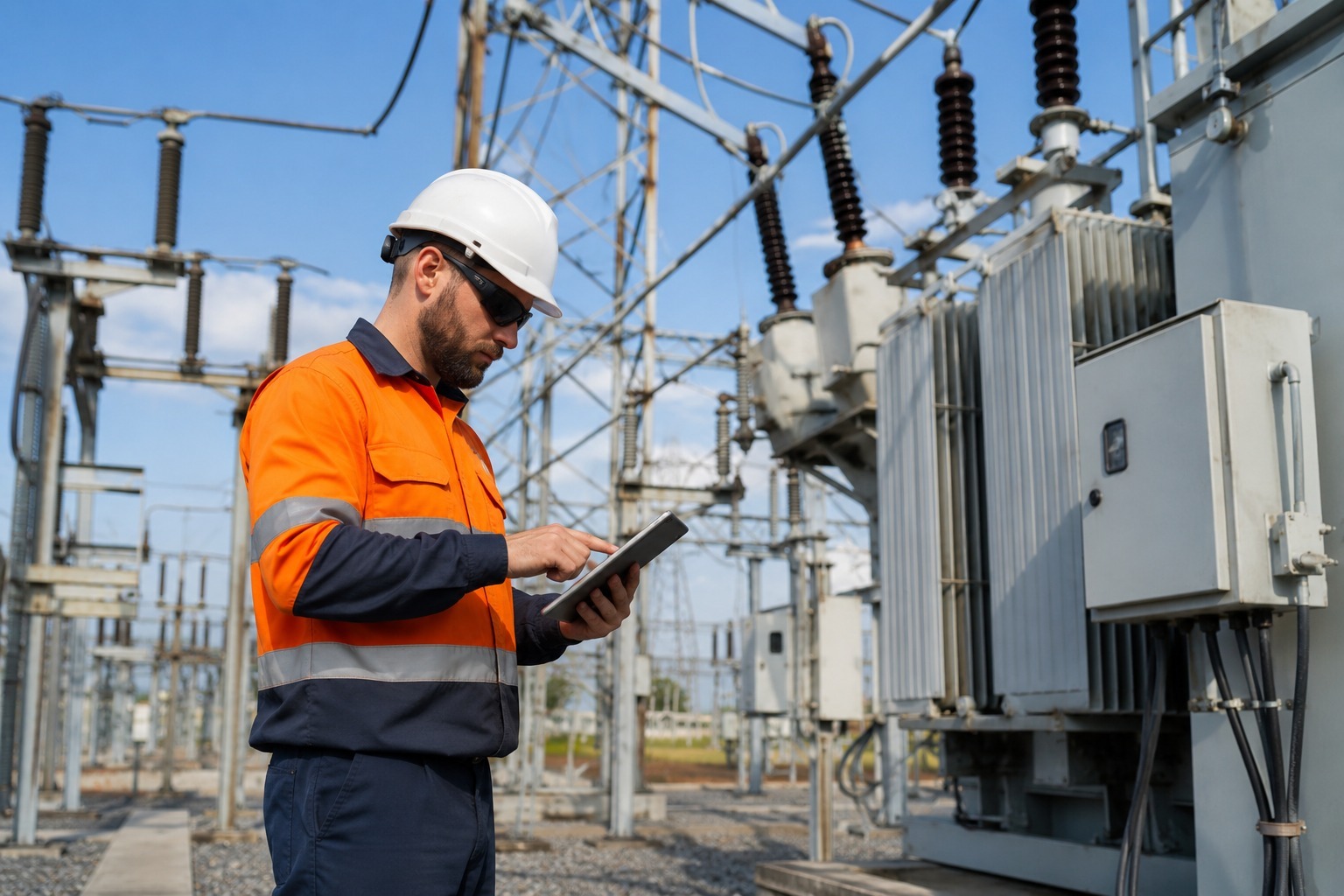
Power lines, wind turbines, pipelines, transformers, and substations are spread across vast, often hazardous terrain. Sending crews to physically inspect every asset is slow, expensive, and dangerous. Inspection tools for utilities and energy — from drones to borescopes — have changed the equation.
How it speeds up service delivery:
Drones equipped with high-resolution and thermal cameras can inspect power lines, solar farms, and the blades of a wind turbine in a fraction of the time it would take a rope-access team — and without shutting everything down or putting workers at height. Borescopes let technicians inspect turbine internals and generator components without full disassembly.
This means faster fault detection, quicker prioritization of repairs, and shorter outages. When a storm hits, drone-based video inspection helps utilities triage damage across a region in hours rather than days, getting power restored faster and directing crews precisely where they're needed. For high-value field assets, the savings can be dramatic — one tank inspection operation cut travel costs by 75% with remote inspections, and telecom teams now detect common infrastructure failures without setting foot on-site.
6. Manufacturing and Industrial Maintenance
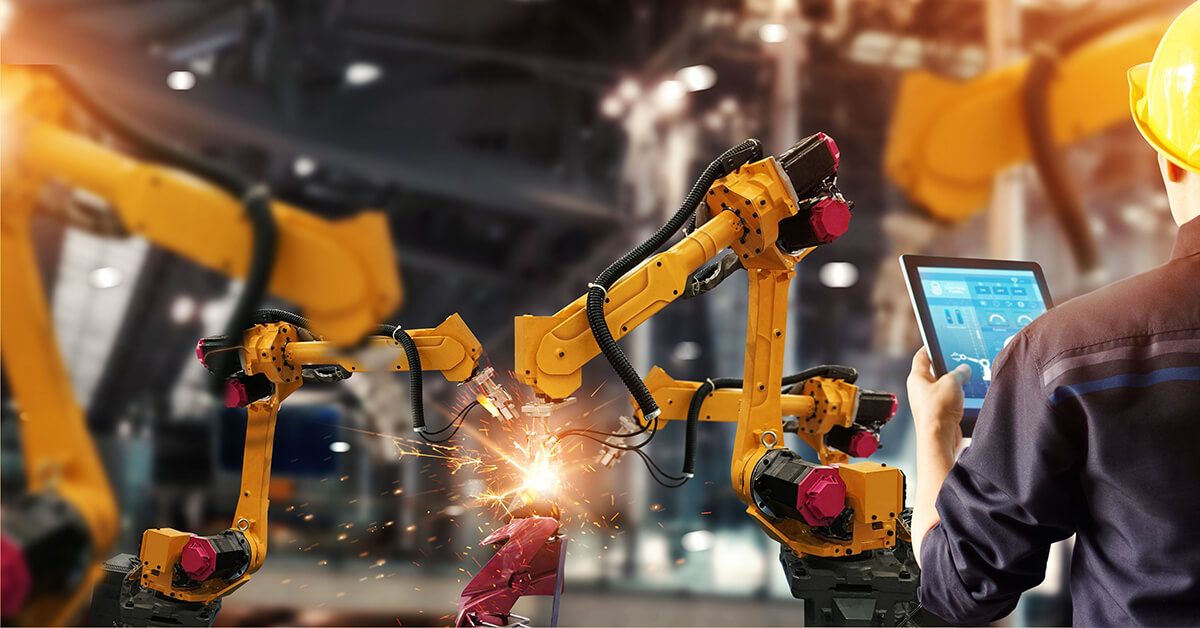
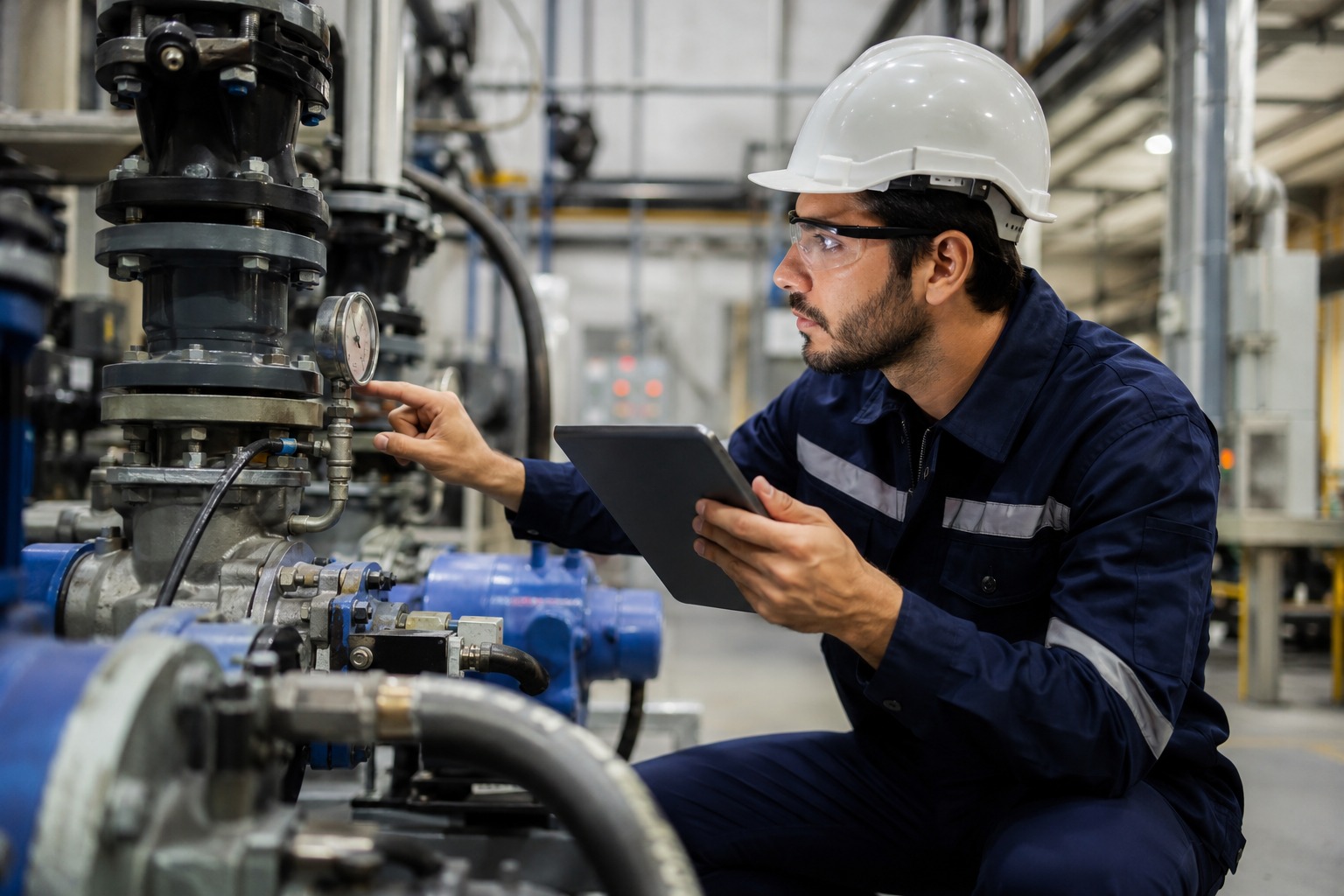
In manufacturing, unplanned downtime is enormously expensive. The faster a maintenance team can locate a defect or confirm equipment health, the faster the line runs again. Remote visual inspection for manufacturing and heavy equipment is central to that goal.
How it speeds up service delivery:
Borescopes and pan-tilt cameras let maintenance teams inspect inside engines, pumps, turbines, weld seams, castings, and tight machinery cavities without teardown. A technician can verify the condition of a component, spot a crack or blockage, and decide on a repair in minutes rather than scheduling a costly disassembly.
Video inspection also feeds quality control: it documents defects, supports root-cause analysis, and creates an audit trail for compliance. Increasingly, AI-assisted video analytics flag anomalies automatically, helping teams catch issues earlier and keep production flowing with minimal interruption. The payoff shows up as eliminated equipment downtime in manufacturing and faster, higher-quality QA.
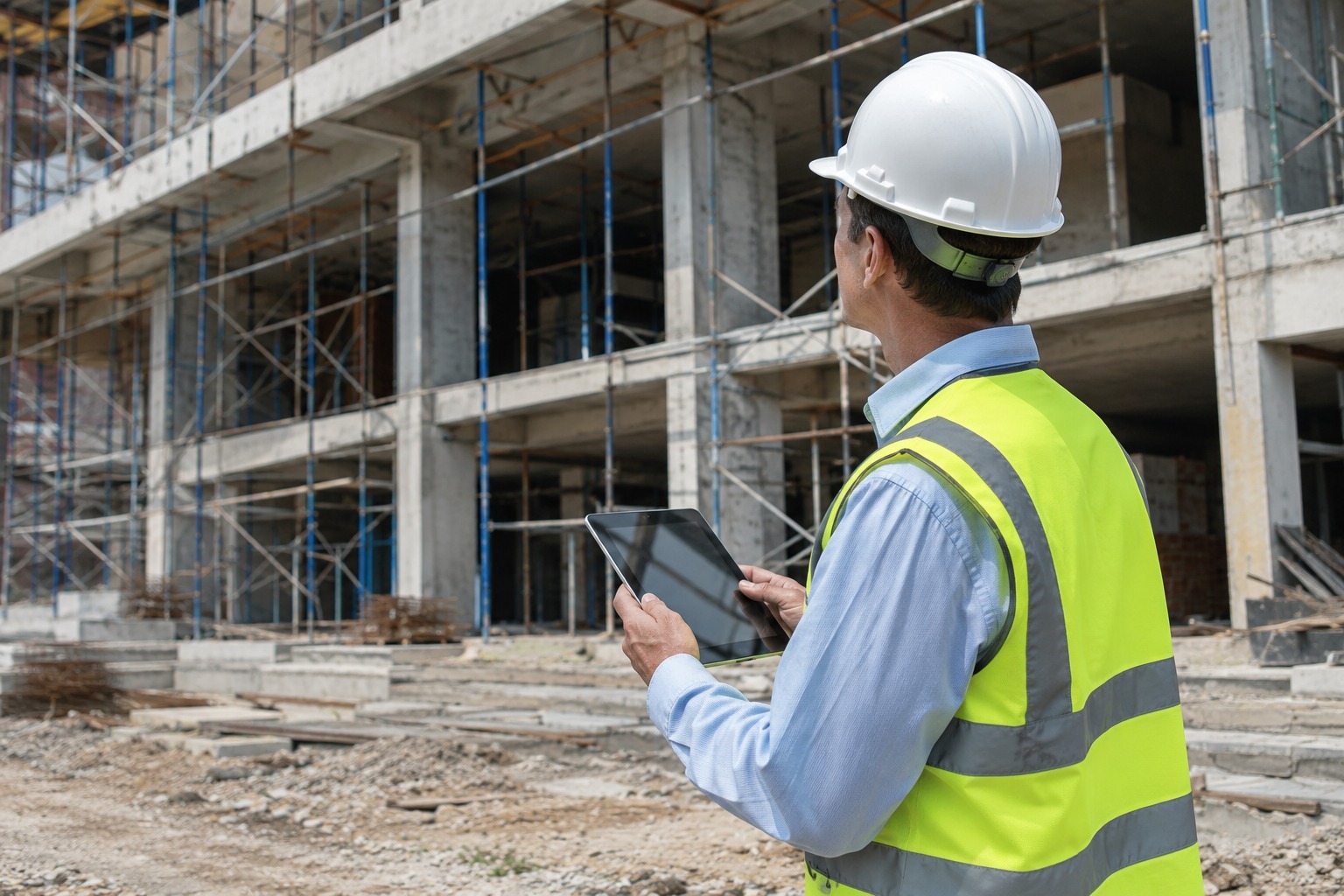
7. Construction and Building Inspection
Construction and facilities work involves countless hidden spaces — wall cavities, foundations, roofs, chimneys, plumbing chases, and structural elements that are difficult or unsafe to reach. Video inspection for construction brings visibility to all of them.
How it speeds up service delivery:
Inspectors use borescopes to peer inside walls and cavities, drones to survey roofs and tall structures, and cameras to document site conditions for clients and regulators. A roof inspection that once required scaffolding and a half-day of setup can be completed by a drone in a short flight.
The footage becomes part of progress reports, compliance documentation, and punch lists — shared instantly with project managers, owners, and inspectors. This visual record speeds up sign-offs, reduces disputes over completed work, and keeps projects moving on schedule. It's why teams are rethinking how they inspect construction sites faster, smarter, and safer and why remote video inspections deliver real benefits to the building industry.
The Common Thread: Why Video Inspection Wins
Across all seven industries, the same advantages keep surfacing:
- See the problem, skip the guessing. Visual confirmation replaces estimation, so the right fix happens the first time.
- Cut the teardown. Borescopes and cameras inspect inside assets without dismantling them, saving hours of labor.
- Reduce repeat visits and downtime. Accurate first-time diagnosis means fewer return trips and shorter outages.
- Build instant trust. Sharing footage with customers, clients, and adjusters shortens approval cycles and reduces disputes.
- Create a documentation trail. Recorded inspections support compliance, warranty claims, and quality assurance.
In short, video inspection turns "we'll have to take a look and get back to you" into "here's exactly what's wrong, and here's the plan" — often in the same visit. Across field service teams, that shift is what reduces truck rolls and helps companies cut resolution time by as much as 50%.
Choosing and Implementing Video Inspection
If you're considering video inspection for your own service operation, a few practical factors matter:
- Match the tool to the asset. Push cameras and crawlers suit pipes; articulating borescopes suit engines and tight cavities; drones suit roofs, towers, and large sites; live video calls suit remote customer-facing assessments.
- Prioritize image quality and lighting. Clear footage is what makes diagnosis fast and customer communication persuasive.
- Think about sharing and storage. The real speed gains come when footage flows instantly to customers and back-office systems, so software and cloud storage matter as much as the camera. If you're evaluating platforms, it helps to know the features every remote inspection platform should have.
- Train for documentation, not just capture. Technicians who narrate and annotate footage well turn inspections into approvals.
- Consider AI-assisted analytics. Automated defect detection is increasingly available and can flag issues faster than manual review at scale — a core part of how AI video support is changing service.
Frequently Asked Questions
What is video inspection used for? Video inspection is used to visually assess the condition of pipes, engines, ductwork, buildings, machinery, and other assets without dismantling them or putting people in unsafe positions. It's widely used for diagnosis, maintenance, quality control, claims assessment, and compliance documentation.
How does video inspection speed up service delivery? It speeds up service by enabling faster and more accurate diagnosis, reducing teardown and repeat visits, providing instant shareable documentation, and shortening customer approval cycles — often resolving in a single visit what once took several.
What industries use video inspection the most? Plumbing and sewer services, HVAC, automotive repair, insurance, utilities and energy, manufacturing, and construction are among the heaviest users, though video inspection appears across nearly every service-based field.
What's the difference between video inspection and remote visual inspection (RVI)? The terms are largely interchangeable. Remote visual inspection is the formal term used in industrial and engineering contexts to describe visually examining an asset from a distance using cameras, borescopes, or drones rather than direct physical access. (For a deeper breakdown, see virtual inspection vs. remote video inspection.)
Is video inspection worth the investment for small service businesses? For most service businesses, yes. Even entry-level cameras and smartphone-based digital inspection tools tend to pay for themselves through higher repair approval rates, fewer return trips, and stronger customer trust.
Conclusion
Video inspection has quietly become one of the most effective ways to deliver service faster, more accurately, and more transparently. From a plumber locating a blockage in minutes to an insurer settling a claim in a single video call, the pattern is the same: seeing the problem clearly accelerates everything that comes after it.
As cameras get smaller, drones get smarter, and AI-assisted analytics become standard, the gap between businesses that use video inspection and those that don't will only widen. For any service operation competing on speed and trust, the question is no longer whether to adopt video inspection — it's how soon.
If you're ready to put video inspection to work, explore Blitzz Inspect for remote video inspections or Blitzz Concierge for live visual support — or schedule a demo to see it in action.